Terry Mattingly

Podcast: It's just good business? The growing debate about America's news-silo culture

Podcast: It's just good business? The growing debate about America's news-silo culture

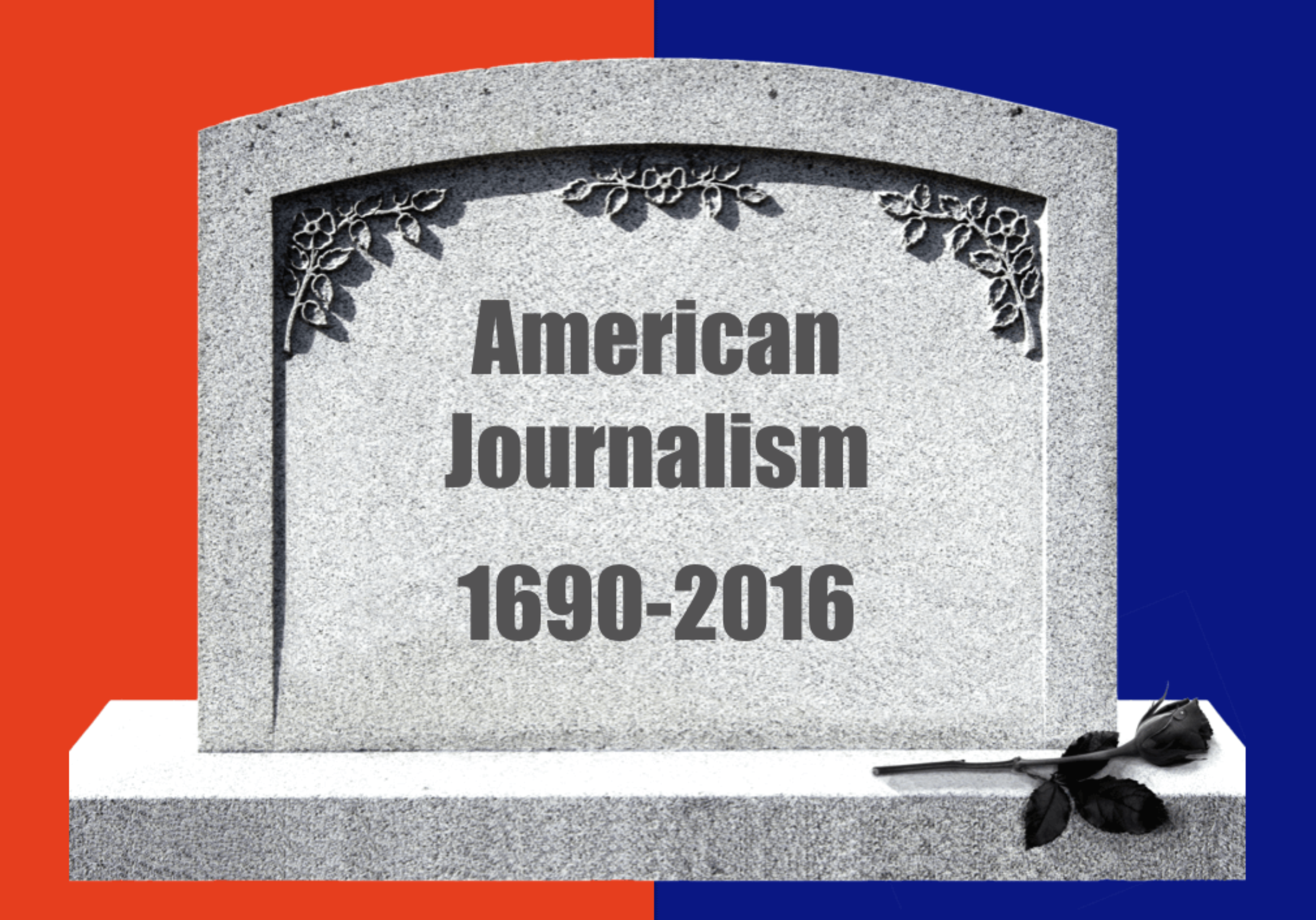
Yes, this is another post about my new essay at the Religion & Liberty journal published by the Acton Institute. The headline: “The Evolving Religion of Journalism.

Part of me wants to apologize for yet another GetReligion look at this topic. But I’m not going to do that, for at least three reasons.

(1) For me, it’s most important thing I’ve written about journalism since my 1983 essay for The Quill — “The religion beat: Out of the ghetto, into the mainsheets,” which helped spark a national debate about religion-news coverage, including a Los Angeles Times series by the late, great media-beat specialist David Shaw.

(2) It demonstrates (think “technology shapes content”) that Internet culture and commerce have either killed the American Model of the Press or are poised to do so. That’s hard for me to say, since I have spent my career defending old-school American journalism from enemies on the right and, now, the illiberal left.

(3) The Acton piece (there’s no way we could have planned this) came out just as several other important articles raised similar issues about journalism’s future and the role of niche/advocacy journalism in splintering American public discourse.

Such as? Click here for a recent GetReligion podcast-post that includes discussion of “Newsrooms that move beyond ‘objectivity’ can build trust,” by former Washington Post editor Leonard Downie, Jr. Also, see this new Bret Stephens op-ed in the New York Times: “How to Destroy (What’s Left of) the Mainstream Media’s Credibility.

As a result, GetReligion readers will not be surprised that this week’s “Crossroads” podcast focused on these themes (CLICK HERE to tune that in).

The key: My essay is not another hot-take on media bias and religion-news coverage.

Please respect our Commenting Policy

Kansas City Star shows a curious lack of curiosity about pro-LGBTQ Christian school's closing

Kansas City Star shows a curious lack of curiosity about pro-LGBTQ Christian school's closing

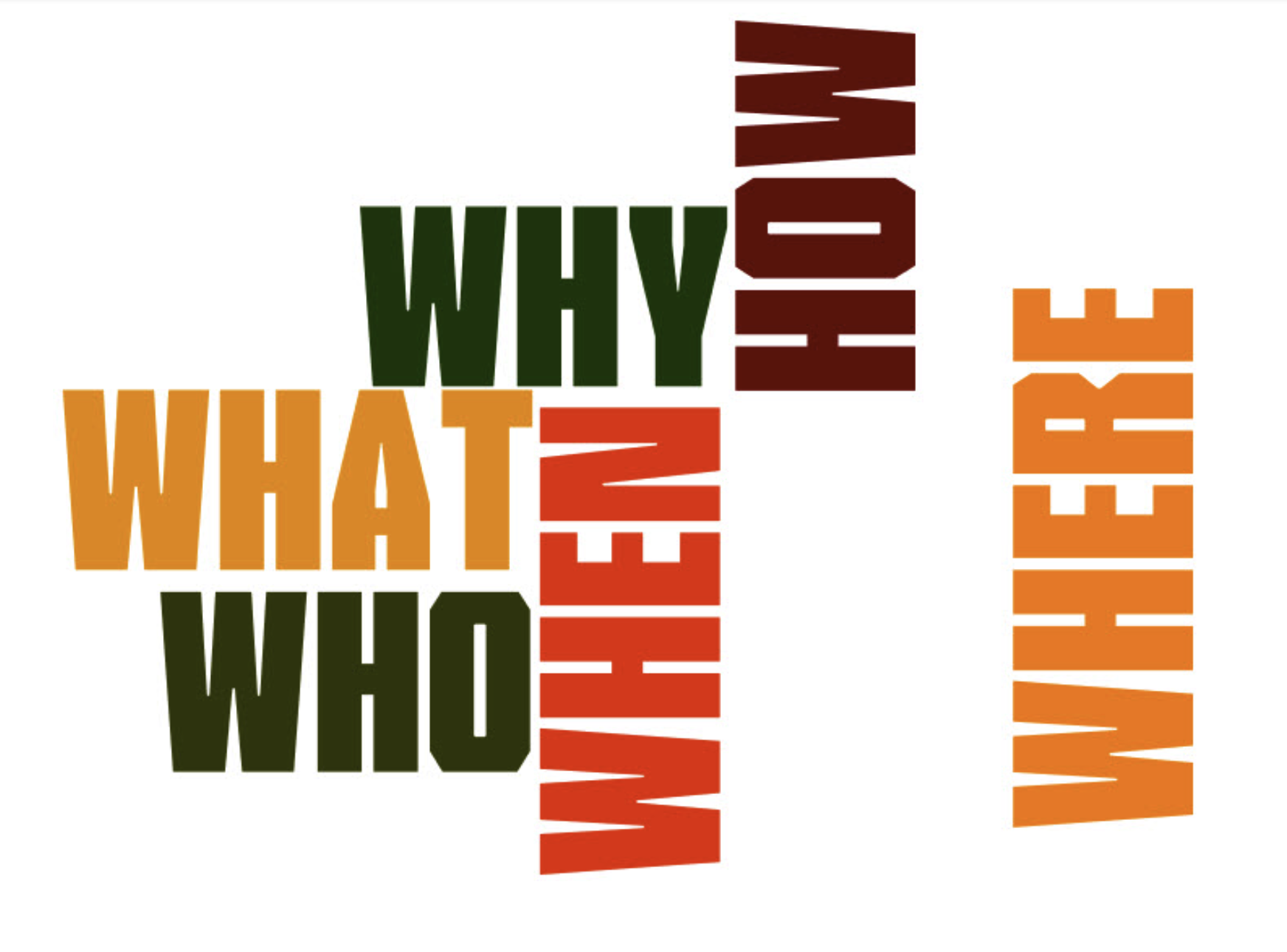
All together now: Who. What. When. Where. Why. How.

Once upon a time, journalists were really curious people when it came to seeking basic, on-the-record answers to factual questions linked to the stories they were covering. That old “W5H” equation didn’t cover all the bases, of course, but it wasn’t a bad place to start.

When covering stories about a religious group, it really helps to know the specific religious tradition or larger organization (think “denomination”) to which it is linked. If it’s an ecumenical or interfaith group, that may require seeking the ties that band various groups of people who are involved in this project.

This brings us to a recent Kansas City Star report that ran with this headline: “KC Christian school lost donations after supporting LGBTQ rights. Now it’s closing.”

By definition, a “Christian school” is a religious organization. I have never heard of one that did not have ties of some kind — financial, theological, cultural or historical — to a specific religious tradition or to a group of churches that helped it get started. Think of this as the “Who” and “Why” factors.

Yes, in this nondenominational age a school may, in fact, have links to a number of congregations or religious networks. But that doesn’t mean there are no, to quote that old Gospel hymn, "ties that bind.” A nondenominational school will still have specific flocks of believersthat provide students, donations, training and other kinds of practical support.

The Urban Christian Academy certainly fits the nondenominational mold, or lack of a mold. Check out its online “manifesto” about it’s spiritual and intellectual commitments. However, that doesn’t mean that its leaders have zero practical or even personal links to institutional churches or other schools.

There was plenty of room to address questions of this kind in this 1,500-word feature. Was there a reason that the Kansas City Star included next to zero information about the institutional DNA of this urban school? I find the newsroom’s lack of curiosity to be be rather curious. Let’s look at a few pieces of this report and look for clues as to what is going on, starting with the overture:

In its nine years of existence, Urban Christian Academy steadily grew, adding a new grade each year in a neglected southeast Kansas City neighborhood.

The school has provided its students, kindergarten through eighth grade, with a tuition-free private education. And with its “inclusive theology,” it always supported LGBTQ students and staff. But it did so quietly, as issues like same-sex marriage and gay clergy divided Protestant denominations while hate crimes and violence against the LGBTQ community rose.

OK, this is a story about theological, doctrinal divisions inside “Protestant denominations.”


Please respect our Commenting Policy

RIP American Model of the Press? It appears that online financial realities killed it ...

RIP American Model of the Press? It appears that online financial realities killed it ...

From Day 1 here at GetReligion, just over 19 years ago, our primary goal has been to defend religion-beat reporting rooted in what has long been called the American Model of the Press.

You know, that’s the old-liberalism brand of journalism built on accuracy, fairness, balance and respect for the views of citizens involved in debates about issues in culture, morality, religion and even politics.

Some people include the word “objectivity” in creeds about this kind of journalism, which tends to fuel philosophical discussions about whether it’s possible for the minds of journalists to remain “blank slates,” or words to that effect. In my teaching days, I attempted to define objectivity in terms of fair-minded professional standards for newsroom work.

This brings me to an essay that I recently wrote for the Religion & Liberty journal published by the Acton Institute. The headline: “The Evolving Religion of Journalism.” I don’t want to cue waves of weeping violins, but writing this piece was painful and involved about a month of involuntary 3 a.m. brainstorms.

The bottom line: I didn’t want to write another essay about media-bias issues, because discussing “bias” implies the existence of shared, common professional standards for journalists. My goal was to describe the emerging digital-marketplace reality — news that preaches to niche choirs makes money. It produces faithful, paying subscribers, which is what matters now that news organizations cannot depend on mass-market advertising.

Are you reading the stunning four-part Columbia Journalism Review series by Jeff Gerth about elite newsrooms and Donald Trump? It’s crucial that “The press versus the president” was published by a journal at the heart of the old-liberal journalism establishment. Here is a crucial passage, right after Trump commits to his “fake news” approach to press relations:

In the days after Trump’s declaration, the Times surveyed its new digital subscribers, millions of whom flocked to the paper during his presidency, to better understand their motivations: the administration’s “vilification of the press,” one subscriber replied, in a typical response, according to “New Digital Subscribers Survey” data provided to me by a Times staffer.

Trump would often call the Times “failing,” including the day after the controversial story about Russia-Trump ties, but in fact the soaring digital-subscriber base throughout his presidency offset the steady fall in revenue from print subscribers and advertising.

What does this have to do with my Acton essay, which focuses on a timeline of events that begins long, long before Orange Man Bad?


Please respect our Commenting Policy

Prayer in the NFL? The powers that be worry about this complex, controversial subject

Prayer in the NFL? The powers that be worry about this complex, controversial subject

Super Bowls create media storms, but many journalists and sports executives thought what happened in 1988 was totally out of bounds.

The establishment was shocked when players and coaches from Denver and Washington, D.C., held a prayer meeting on the eve of this NFL rite. The powers that be worried that "fraternization" of this kind could damage this clash between gridiron warriors.

To make matters worse, players from competing teams soon began kneeling in post-game, on-field prayer huddles as a symbol of unity and, often, shared concerns about injured players. Players waved off league efforts to stop the prayer circles.

"For the NFL, this was a corporate thing," said historian Paul Putz, of Baylor University's Faith & Sports Institute. Executives are "fine with prayer, as long as it isn't tied to anything controversial or a specific brand of religion. …

"The NFL didn't mind prayers that were out of sight, maybe in locker rooms with chaplains. But then things started happening on television. That was too much."

That was then. The electric wave of prayer that swept America after Buffalo Bills safety Damar Hamlin's heart-stopping injury was, he said, a "critical mass" moment and a sign of changing times -- maybe.

The key was that this drama happened on "Monday Night Football," with anguished players from both teams huddled around Hamlin near midfield, many visibly praying, as first responders fought to save his life.

It was natural for broadcasters to acknowledge the explosion of social-media commentary from athletes, coaches and others -- including fervent calls for prayer. All 32 NFL teams soon posted #PrayForDamar appeals.

"We have never seen anything like this before," said Putz. It became clear that it "was OK to tweet messages that went way beyond the usual thoughts and prayers."

The question, added Putz, is what happens next.


Please respect our Commenting Policy

(Still) thinking about Americans wanting other people's religion to stay out of politics

(Still) thinking about Americans wanting other people's religion to stay out of politics

How old does a “think piece” need to be for people to stop thinking about it?

Let me state that another way: What if a “think piece” is a year old and I am still thinking about it?

Part of my logic, in this case, is that discussion of certain topics linked to this particular Religion in Public blog piece have, if anything, only heated up in the 12 months since it was published. Consider the urgent push for reporting, publishing and polling about “Christian nationalism,” which has almost turned into an industry of its own, especially in certain niche corners of the press.

Oh, has the Associated Press ruled on whether the “n” in that term is upper- or lower-case? If this is a movement, it really needs its own website and corporate headquarters, or is that like asking for official contact information about the Mafia?

Anyway, this brings me to a really interesting piece by researcher Paul A. Djupe of Denison University, who is best known in these parts as a frequent co-writer with Ryan Burge, a contributor to this website. Here is the headline: “Congregations are Doing Acceptable Amounts of Political Engagement.”

The question at the heart of the essay: Do people who claim to want churches to stay out of politics include their own for of organized religion (and maybe unorganized sort-of religion)? Djupe is reacting, in part, to a Pew Research study posted online with this headline: “Americans Have Positive Views About Religion’s Role in Society, but Want It Out of Politics.”

So here is the first major chunk of material that readers — journalists especially — need to think about.

In October 2020, at the height of the voting phase of the presidential election, we asked 1,306 worship attenders about the level of political engagement in their house of worship, soliciting whether the congregation needed to be less political, more political, or had just the right level of political engagement. The (weighted) response is almost the exact opposite of the Pew result from a few years ago — 60 percent believe their congregation was just right or should be more political, while 40 percent say it should be less (or way less) political.


Please respect our Commenting Policy

Podcast: Behold! ChatGPT has interesting, haunting thoughts on religion-beat questions

Podcast: Behold! ChatGPT has interesting, haunting thoughts on religion-beat questions

It is highly likely, at this point, that most news consumers have heard of the ChatGPT website.

If not, click here to surf through the 56,100,000 reports currently about at Google News about this artificial intelligence (AI) project. Some would prefer to spend several months watching videos on the subject at YouTube. Good luck using the actual ChatGPT site — odds are high that you will have to wait in a long cyber-line to get access.

Journalists are concerned about ChatGPT because it offers a vision of what could be ahead in newsrooms, with computers “reporting” background reports on news events and even trends. And ChatGPT is a big deal in higher education, since it’s highly effective at faking all or significant chunks of term papers. The bot recently passed the U.S. Medical Licensing exams.

I was curious to know what ChatGPT thought about (#DUH) religion-news coverage. The results provided the hook for this week’s “Crossroads” podcast (CLICK HERE to tune that in). For example, I asked: “What does the website GetReligion.org do?” The response:

GetReligion.org is a media criticism blog that focuses on examining the way religion is covered by the mainstream news media. It aims to provide analysis and commentary on news stories that deal with religious topics and to point out instances of inaccurate or biased reporting.

Not bad. That’s part of what we do here. We also provide as many, or more, think pieces, Q&As and memos about topics linked to religion-beat work, care of patriarch Richard Ostling, chart-master Ryan Burge and others. We also, from time to time, praise high-quality reporting from mainstream newsrooms.

Oh, I also confess that I asked ChatGPT about that Terry Mattingly guy and — on my birthday, no less — received a kind report on my work that also (#shudder) implied that I am dead.

Terry Mattingly was an American journalist and religion reporter known for his writing on religion and culture. He was a syndicated columnist and founder of the website "GetReligion", which analyzed religion news coverage in the media.


Please respect our Commenting Policy

Concerning Pope Francis, hockey, Pride night and putting 'scare quotes' around 'beliefs'

Concerning Pope Francis, hockey, Pride night and putting 'scare quotes' around 'beliefs'

I have no idea if Pope Francis follows professional hockey — but that really isn’t what this post is about.

This post starts with some fascinating “scare quotes” in a headline with a Reuters report about another Pride Night controversy in the National Hockey League.

The use of “scare quotes” is a topic that, to put it mildly, consistently pushes buttons for GetReligion readers. Once again, here is a Merriam-Website definition of that term:

scare quotes …

: quotation marks used to express especially skepticism or derision concerning the use of the enclosed word or phrase

This brings us to that Reuters headline: “Rangers back right to 'beliefs' after Pride Night jerseys absent from warm-ups.” Actually, based on the context, that should have been “religious beliefs” — because it’s clear that this reference refers to centuries of religious doctrines, in several faiths.

What happened here? New York Rangers players were scheduled to take part in pre-match warm ups, as part of the team’s seventh annual Pride Night festivities, with Pride-themed jerseys and hockey sticks. That didn’t happen, which made headlines. Here is a key part of that Reuters story, which I will note did not contain “scare quotes” around the controversial term.

… one player told the New York Post … that he saw only his standard jersey hanging in his locker when he went to get ready and did not know why the alternate top was not available.

"Our organization respects the LGBTQ+ community and we are proud to bring attention to important local community organizations as part of another great Pride Night," Rangers said in a statement.

"In keeping with our organization’s core values, we support everyone’s individual right to respectfully express their beliefs."

I guess it is possible that a professional athlete could have “political” beliefs that were relevant in this case. There may even be Seinfeld-ian “compelled speech” issues here (Click here for classic clip on YouTube). In light of recent news, it’s clear the headline writer’s “scare quotes” nod refers to centuries of Christian doctrine on marriage and sex.


Please respect our Commenting Policy

Cardinal Pell's final sermon quietly echoed themes from his fierce attacks on Pope Francis

Cardinal Pell's final sermon quietly echoed themes from his fierce attacks on Pope Francis

Cardinal George Pell had no way to know, as he rose to preach during a spiritual retreat in southern Italy, that this was his last sermon -- opening with the biblical cry, "Repent, because the Kingdom of God is near."

Catholics should stay focused on truths proclaimed during the reigns of St. John Paul II and Pope Benedict XVI, he said, at the Shrine of St. Padre Pio in San Giovanni Rotondo.

These popes "were missionaries of the truth. We don't build the truth. We don't have the ability to change the truth. We can only acknowledge the truth, and sometimes the truth isn't all that pretty. Sometimes the truth is disconcerting, difficult," said Pell, three days before his death on January 10, after routine hip surgery.

"These two Popes did not affirm that the teaching of Jesus was conditioned by the time, by the Roman Empire, by the pagans. They did not claim that the essential and central teaching should be updated, radically changed. They didn't say: 'We don't know what Jesus said because there were no tape recorders.' … As for them, and also for us, Jesus remains the way, the truth and the life."

On this day, the burly 6-foot-4 cardinal faced a gathering of Catholic charismatics, not an audience of Vatican power brokers. Nevertheless, this final sermon -- translated from Italian by Inside the Vatican magazine -- touched on themes in his recent writings that fueled raging debates about Pope Francis and the modernization of Catholic doctrines and worship.

In that sermon, Cardinal Pell offered only one nod to Pope Francis, while noting the potential for future popes from Africa, Asia and the Global South. "Today we have a Pope from South America -- praiseworthy and good," he said.

But after Pell's death, Italian journalist Sandro Magister revealed that the Australian cardinal -- using the pseudonym "Demos" -- had written a fierce March memo circulated to members of the College of Cardinals focusing on issues that loom over the next conclave to select a pope.

The Francis pontificate has been "a disaster in many or most respects; a catastrophe," this memo claimed.


Please respect our Commenting Policy

Podcast: 60 Minutes visits Lourdes and asks (some) very good questions about 'miracles'

Podcast: 60 Minutes visits Lourdes and asks (some) very good questions about 'miracles'

Back in the 1980s, I wrote a profile of a remarkable Episcopal priest in Colorado who was approaching his 100th birthday. He had been raised in pre-World War II Japan — the son of a samurai.

As a young man he became terribly ill and slipped into a coma. At one point, doctors said he flatlined — but they were able to restart his heart. When he awakened, he reported having a near-death experience in which a man in white robes told him that he would live and that there was much work for him to do.

The young man knew almost nothing about Christianity, other than a brief exposure to the New Testament in an English-language class. Nevertheless, he truly believed that this man was Jesus. This led to his conversion, the priesthood and a journey to America. During the war, the U.S. government put him in an internment camp — a painful episode in a long and amazing life.

Now, here is a question linked to this week’s “Crossroads” podcast (CLICK HERE to tune that in). Was this man’s transformation during his NDE a “miracle”? That was the term he used when he described it.

Actually, his vision took place during a life-and-death medical drama that was unusual — but these things happen. Was there a way to test his claims in a laboratory? No. Near-death experiences happen.

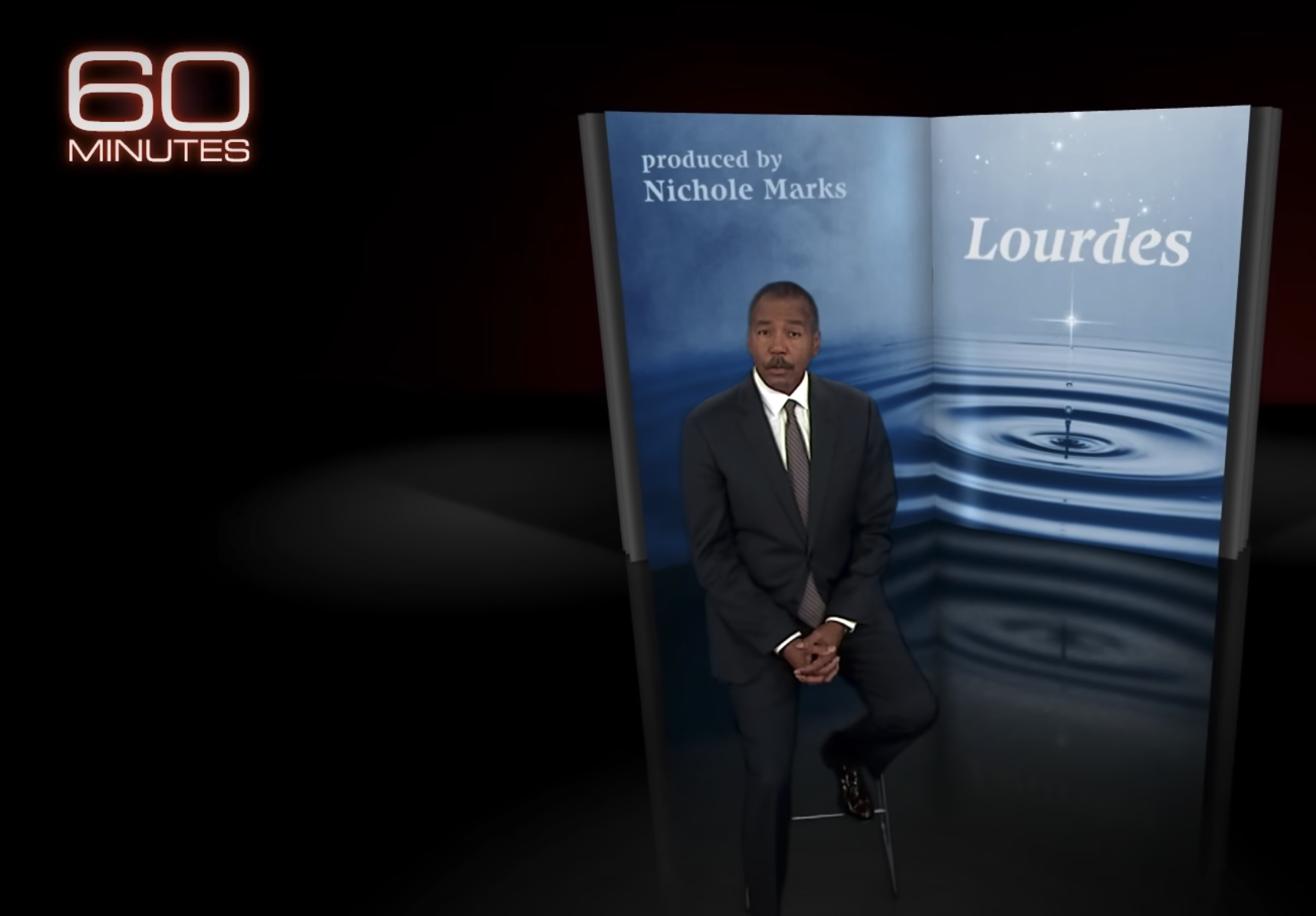
What is a “miracle,” anyway? This brings us to a recent 60 Minutes report that, on the CBS website, was given this headline: “France's Sanctuary of Our Lady of Lourdes — Where 70 medical miracles have been recognized by church officials.”

This must-see-TV report ventures into complicated territory where faith, science and centuries of church tradition overlap. The best thing about it is that it allows people to share their beliefs as well as information that, well, can be studied in a laboratory. The visuals are stunning, as thousands of pilgrims visit the site seeking healing for infirmities of body, mind and soul.

The Roman Catholic Church has, in the 160-year history of Lourdes pilgrimages, studied thousands of reports about miracles linked to the shrine. This brings us to the heart of this report:

Stories of inner peace and acceptance don't meet the bar for the Office of Medical Observations, and with just 70 medical miracles recognized in 160 years, you'd have better odds playing the lotto. Yet, thousands of faithful line up at the baths and at this grotto — where the first miracle is said to have occured.


Please respect our Commenting Policy