Catholicism

Texas synagogue attack highlights press failure to consistently cover attacks against sanctuaries

Texas synagogue attack highlights press failure to consistently cover attacks against sanctuaries

The many cases of anti-Catholic vandalism have been documented by me here at GetReligion in recent years. Also well-documented have been how many professionals in the mainstream media keep overlooking such criminal activities.

These incidents — even as 2021 came to an end and now weeks into 2022 — just keep happening, yet they continue to be given little to no mainstream news coverage. It seems, at times, as if violence against religious groups — be they Catholics or otherwise — is a subject that isn’t worthy of coverage. This trend is also a lesson on how the press uses language, what terms journalists use to describe crimes and whether the story lasts just a day or for weeks and months.

Journalists also need to start asking: What are the motivations for these kinds of attacks?

A Catholic priest, parishioners and Catholic schoolchildren were among the dozens injured on Nov. 21 when authorities said Darrell E. Brook, driving an SUV, allegedly plowed into marchers during a Christmas parade in Waukesha, Wisc. Six people were killed.

The incident would get additional attention for its inability to get widespread national media coverage. Accusations quickly emerged that key facts didn’t fit the dominant media narrative.

Truth is, not all hate crimes are created equal. Crimes against Catholic churches are routinely ignored by national news outlets. We can also see a troubling journalism trend at work in coverage of the recent anti-Semitic attack against a Texas house of worship.

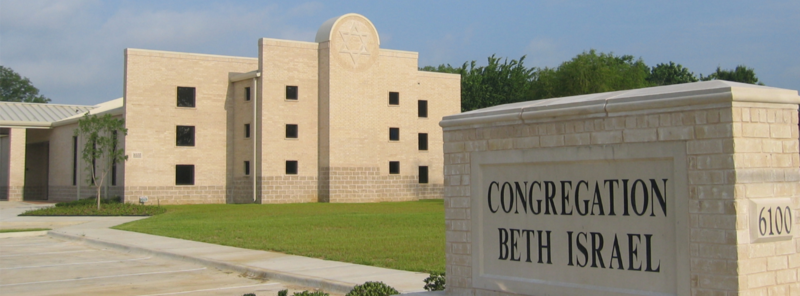
The gun-wielding suspect in that Jan. 15 synagogue attack, British citizen Malik Faisal Akram, took Rabbi Charlie Cytron-Walker and three other congregants hostage at the Congregation Beth Israel in Colleyville, Texas.

The standoff with FBI agents was an act of terrorism and resulted in Akram’s death. National news coverage was intense during the standoff — but soon evaporated.
Please respect our Commenting Policy

Anglicans are wrestling with 'climate change' in their pews: Will they adapt and survive?

Anglicans are wrestling with 'climate change' in their pews: Will they adapt and survive?

Journalist Michael Kinsley famously added a twist to American politics when he redefined a "gaffe" as when "a politician tells the truth -- some obvious truth he isn't supposed to say."

As the Rev. Neil Elliot of the Anglican Church of Canada discovered, this term also applies to religious leaders.

After seeing 2018 General Synod reports, the denomination's research and statistics expert produced an analysis that included this: "Projections from our data indicate that there will be no members, attenders or givers in the Anglican Church of Canada by approximately 2040."

Reactions to his candor varied, to say the least.

"I think of it very much like … people's responses to climate change," said Elliot, updating his earlier remarks in a video posted by Global News in Canada.

Signs of church "climate" change? In the early 1960s, Anglican parishes in Canada had nearly 1.4 million members. But that 2018 report found 357,123 members, with an average Sunday attendance of 97,421. The church had 1,997 new members that year, while holding 9,074 burials or funerals.

Canada's national statistics agency reported that 10.4% of all Canadians were Anglicans in 1996, but that number fell to 3.8% in 2019.

People have one of three reactions when faced with these kinds of numbers. The first "is denial. People are saying, 'We're, we're … It's not happening,' " said Elliot, while counting the options on one hand. "Then there's people who say, 'We can stop it.' And then there's people who say, 'We can adapt.'

"The adapt language is much more rare and I'm only starting to hear it on the media in the last few months. … That's what I'm trying to get us to do within the Anglican church. It's, 'How do we adapt to it?' not, 'How do we stop it?' or … people burying their heads in the sand."


Please respect our Commenting Policy

Is America really threatened by civil war? What is religion's role in these tensions?

Is America really threatened by civil war? What is religion's role in these tensions?

American Civil War talk is all the rage this New Year.

No, not that war, the one that cost 620,000 lives and was evoked by President Biden to castigate Senate Democrats and Republicans who are blocking passage of new election-ballot rules. Rather, The Guy refers to the drumbeat of warnings that the disunited United States may in the near future face an internal legal and economic cold war or some kind of hot war.

National Public Radio's Ron Elving reports that "not long ago the idea of another American Civil War seemed outlandish. These days, the notion has not only gone mainstream, it seems to suddenly be everywhere." He summarized anxiety-producing polls that show a polarized nation, and noted that 434,000,000 firearms are in civilian hands.

Then there's New Yorker Editor David Remnick's article "Is a Civil War Ahead?" New York Times columnist Michelle Goldberg likewise wonders, "Are We Really Facing a Second Civil War?" A Times op-ed by former National Security Council staffers Jonathan Stevenson and Steven Simon offers "the worst case scenario" in which "the United States as we know it could come apart at the seams" with "insurrection, secession, insurgency and civil war."

New January books include "The Next Civil War: Dispatches From the American Future" by novelist Stephen Marche, who sees virtually inevitable doom, and the slightly more upbeat "How Civil Wars Start and How to Stop Them" by Barbara F. Walter of the University of California San Diego. (Is it mere coincidence that The Atlantic's London writer Tom McTague is just out with "How Britain Falls Apart"?)

One typical forecaster is all the more interesting because he's Canadian. Thomas Homer-Dixon of Royal Roads University issued a New Year's Eve alarm in the influential Globe and Mail. He believes that as soon as 2025 "American democracy could collapse, causing extreme domestic political instability, including widespread civil violence. By 2030, if not sooner, the country could be governed by a right-wing dictatorship."

Outlandish?


Please respect our Commenting Policy

Wall Street Journal: Catholics are losing ground -- rapidly -- in Brazil. What else is new?

Wall Street Journal: Catholics are losing ground -- rapidly -- in Brazil. What else is new?

I’ll always remember a Spanish-speaking woman I interviewed years ago when I was doing an article for the Houston Chronicle on why Catholic immigrants from Latin America switched over to Protestantism soon after they immigrated to the United States.

The answer, this woman told me, was the Rev. Jimmy Swaggart and his radio broadcasts into Central and South America. “Before, we didn’t know we had a choice on who to believe,” is approximately what this woman told me. “But once we heard Jimmy Swaggart on the radio, we knew there was something else out there other than the Catholic Church.”

In the past 40 years, much of the population of Latin America has likewise realized they have faith options and a recent Wall Street Journal piece claims that this trend of mass conversions to Protestantism — and specifically Pentecostalism — has reached a tipping point.

This is news all of a sudden?

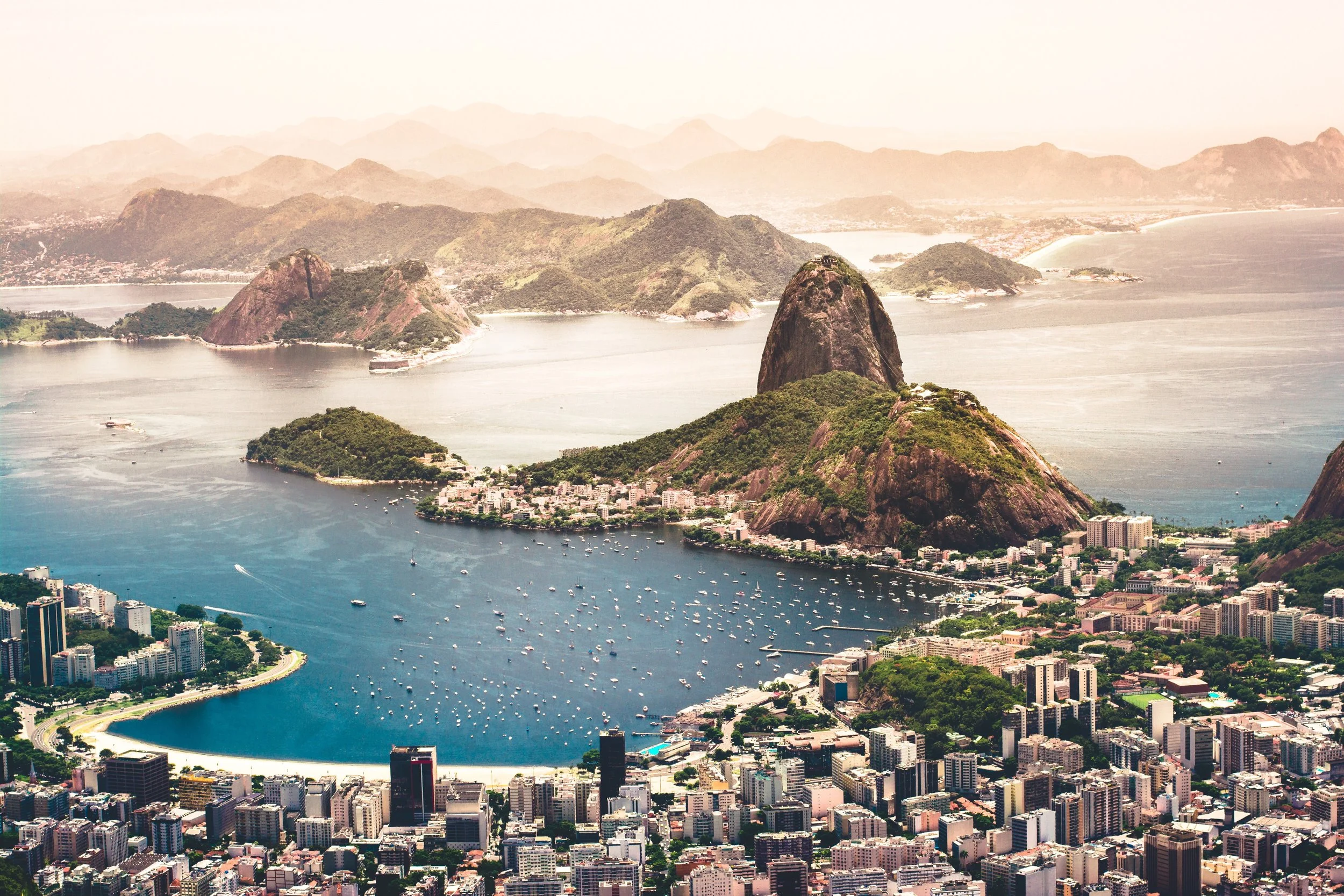
RIO DE JANEIRO—Tatiana Aparecida de Jesus used to walk the city’s streets as a sex worker, high on crack cocaine. Last year, the mother of five joined a small Pentecostal congregation in downtown Rio called Sanctification in the Lord and left her old life behind.

“The pastor hugged me without asking anything,” said Ms. de Jesus, 41, who was raised a Catholic and is one of more than a million Brazilians who have joined an evangelical or Pentecostal church since the beginning of the pandemic, according to researchers. “When you are poor, it makes so much of a difference when someone just says ‘good morning’ to you, ‘good afternoon,’ or shakes your hand,” she said.

This has been a huge advantage that the Protestants have pressed home.

These emerging Protestant flocks don’t have a shortage of priests as does the Catholic Church does –- where parishioner-to-clergy ratio mean there’s one priest per several thousand parishioners. Let’s keep reading:

For centuries, to be Latin American was to be Catholic; the religion faced virtually no competition. Today, Catholicism has lost adherents to other faiths in the region, especially Pentecostalism, and more recently to the ranks of the unchurched. The shift has continued under the first Latin American pope.


Please respect our Commenting Policy

Variations on old questions: What do U.S. churches believe on transgender issues?

Variations on old questions: What do U.S. churches believe on transgender issues?

THE QUESTION:

What do U.S. churches believe on the transgender issue?

THE RELIGION GUY'S ANSWER:

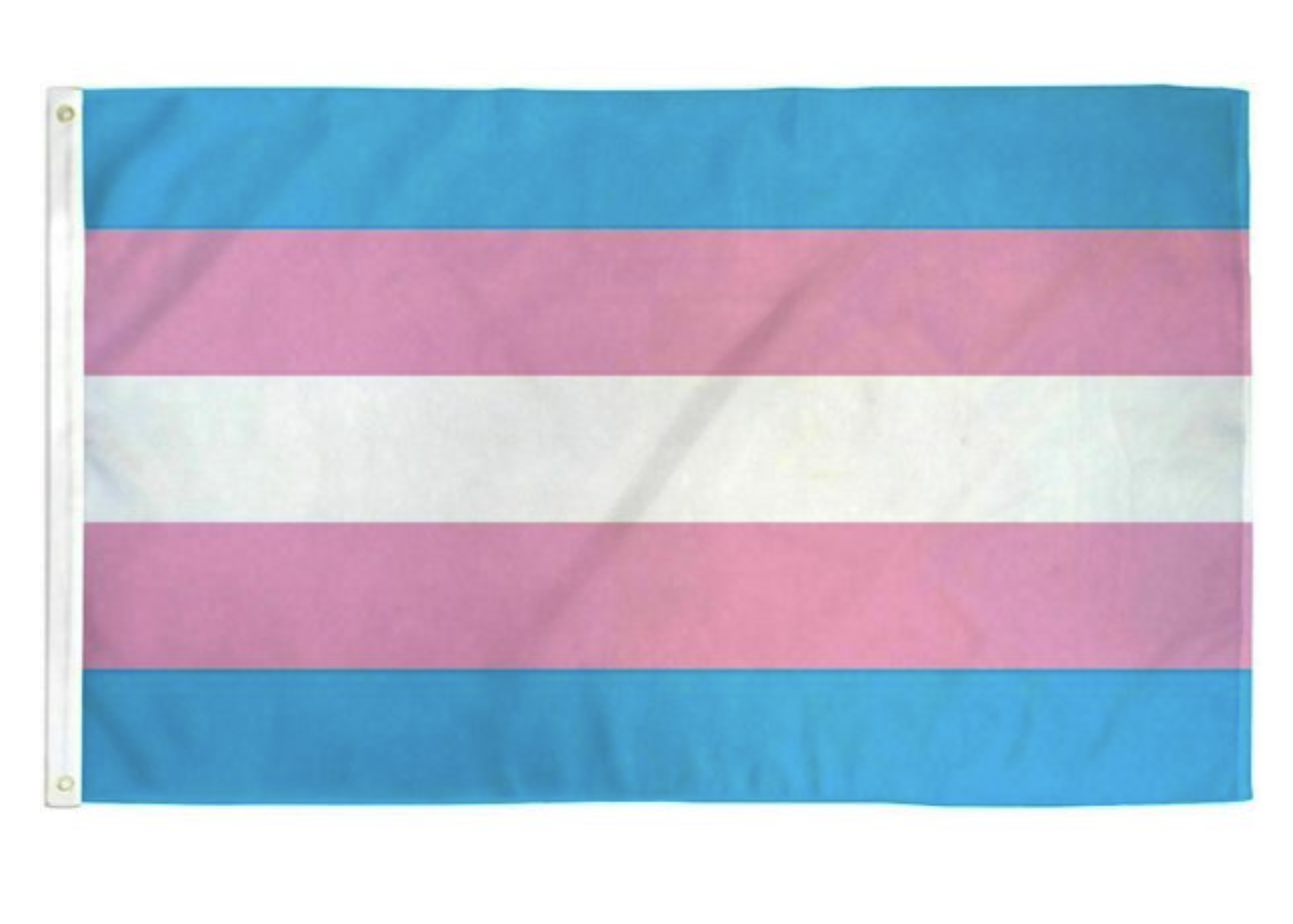
As with American society at large, churches' consideration of the sensitive transgender issue emerged only recently and rather suddenly, compared with their decades-long-debate over whether to leave behind the Christian tradition against sexual activity in gay and lesbian relationships. The religious implications go well beyond political agitation over "bathroom bills," athletic competition or women's shelters.

Transgenderism is part of a broader gender-fluidity movement. A recent survey by the interfaith Religion News Service asked readers to identify themselves as either female, male, transgender, trans woman or MTF, trans man or FTM, intersex, questioning, non-binary, genderqueer, gender fluid, agender or "other."

Among theologically flexible "Mainline" Protestants, a key breakthrough was the Evangelical Lutheran Church in America's September installation of Megan Rohrer of California, its first transgender-identified bishop. Rohrer was barred from the clergy until a 2009 policy change, so was originally ordained by the independent Extraordinary Lutheran Ministries, which works for full LGBT inclusion. (Oddly, that organization suspended Rohrer from membership in December over alleged and unspecified "racist words and actions.")

The United Methodist Church is expected to split this year over the older same-sex disagreement, exactly 50 years after the first floor debate at a governing General Conference. In October, religious media reported the gender transition of the formerly "cisgender" Methodist pastor married to Peggy Johnson, the just-retired bishop for eastern Pennsylvania, Delaware and eastern Maryland. But last month Indiana Methodists removed Pastor Craig Duke from his congregation over drag queen shows and drag education to express solidarity with his daughter, who identifies as pansexual.


Please respect our Commenting Policy

Return of 'nuns' growing weed: A Rolling Stone puff piece on this emerging religious group

Return of 'nuns' growing weed: A Rolling Stone puff piece on this emerging religious group

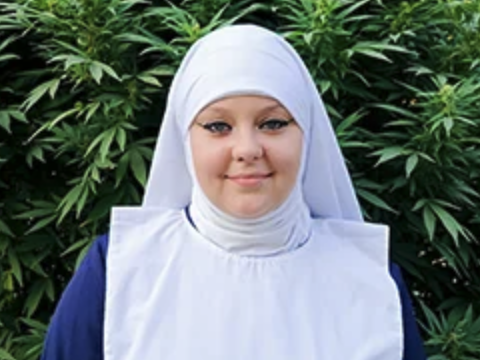
Those PR-friendly, pot-puffing Sisters of the Valley are back. I’m sure that this is shocking news (#NOT) to readers who know anything about the history of this group.

Here’s a GetReligion flashback. Some reporters struggled, in early happy talk features about this group, to make it clear these “sisters” were not, in fact, some progressive Catholic order. One classic piece inspired a blog post by Catholic Deacon Greg Kandra — a CBS News professional in his career before moving to the altar — with this classic headline: “Newsweek, Go Home. You’re Drunk. Those Aren’t Nuns.

Now we have an update about the Sisters of the Valley in, logically enough, Rolling Stone. Here’s the double-decker headline on that:

Our Ladies of the Perpetual High

How a New Age order of feminist nuns is reimagining spiritual devotion and trying to heal the world — one joint at a time

Yes, some headline writers cannot resist “Our Lady” jokes, which is unfortunate. However, the second part of that headline is clear about the contents of this feature, which helps readers know what is what and who is who. This clarity is what makes this story worth reading.

Before we get to that, let me remind readers of a key point in that “thinker” that ran here at GetReligion last weekend: “Two think pieces on changes in American religious life, with a few political twists.” One of the pieces that I recommended was a Rod “Live Not By Lies” Dreher post pointing to a new blast of information from the Pew Research Center team.

Forget politics for a moment. The headline on Rod’s post — “Christianity Declines — But Not ‘Spirituality’ — is what connects that Pew data to this new Rolling Stone feature. Dreher wants to note a renewed surge in a tend that has been around for decades (think “Sheilaism”). Here is a key passage:

America continues to transition to its post-Christian reality. … One of the most interesting, and unexpected, developments is that in the US, relatively few of these people who are falling away from Christianity are becoming atheists. Rather, they are cobbling together a bespoke bricolage religion, one designed just for them.


Please respect our Commenting Policy

20 years later, the Boston Globe clergy sex abuse revelations show why journalism matters

20 years later, the Boston Globe clergy sex abuse revelations show why journalism matters

The date Jan. 6 means different things to people. For me, as a Catholic, it is the Feast of the Epiphany. It marks the date on the liturgical calendar when the Magi, according to the Bible, brought gifts to the baby Jesus.

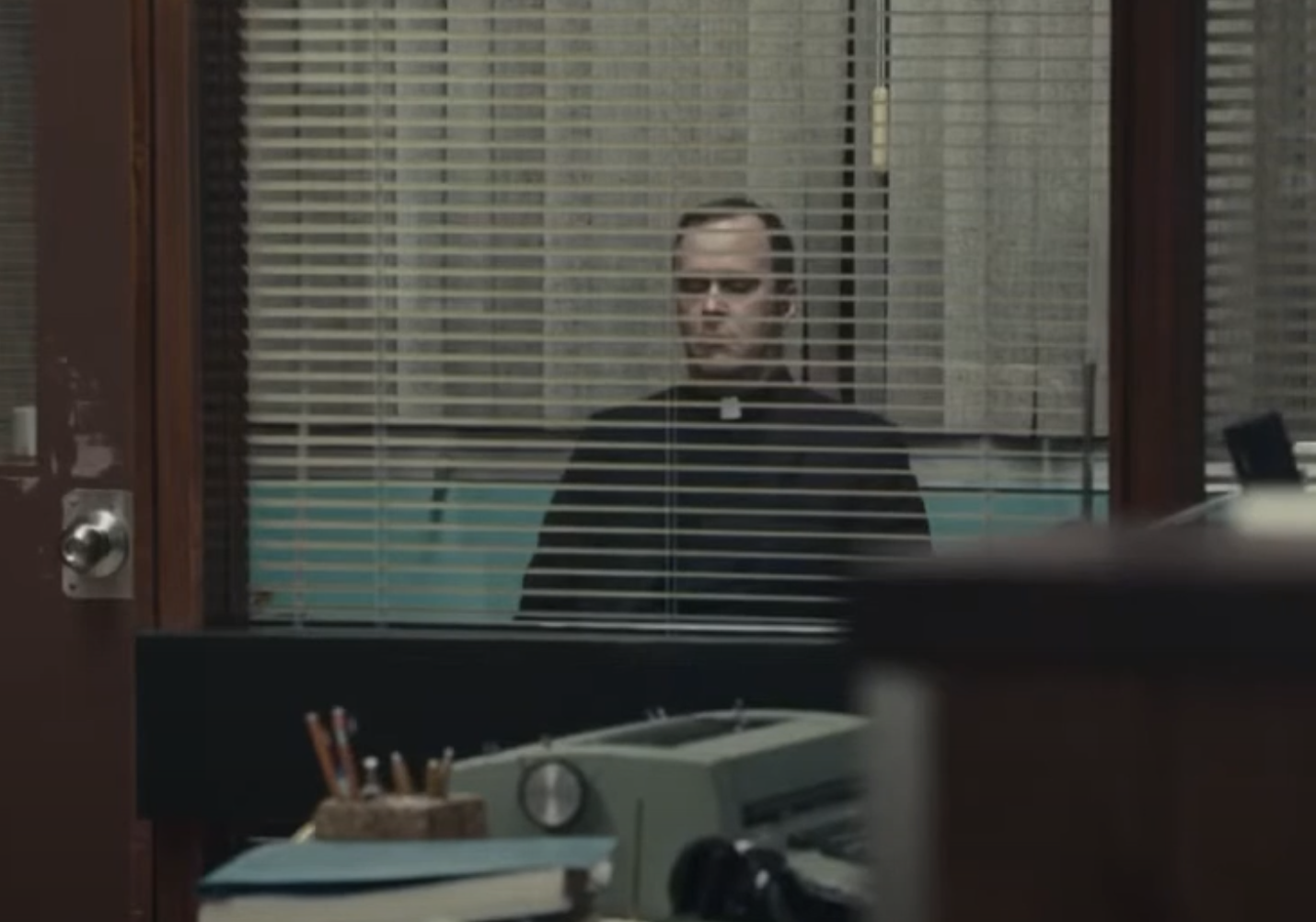
This year, the date became a polarizing remembrance of the 2021 U.S. Capitol insurrection, riots or whatever else one calls it depending on their political affiliation. For me, this Jan. 6 marked a special anniversary — the 20th anniversary of the groundbreaking Boston Globe Spotlight team’s investigation into predator priests. The series of articles won the Pulitzer Prize in 2003 in the Public Service category.

I must admit that the anniversary went by without much fanfare. It’s surprising given that the ramifications from those original series of news articles reverberates within the church, both in the U.S. and globally, and that it was even made into a 2015 movie “Spotlight” that won the Oscar for Best Picture. Even the Vatican gave the film two thumbs up at the time.

Maybe the events of a year ago in Washington were just too compelling for the news media — even though they love anniversaries — to make room for coverage of anything else.

That’s a shame because the stories remain so very important to both the craft of journalism as well as how the Catholic church failed to police itself in the decades following the Second Vatican Council and the betrayal of trust of so many people over a period of four decades.

The question, for GetReligion readers, is this: What are the elements of this story that are still alive, important and worthy of coverage now and in the future?


Please respect our Commenting Policy

Talking to Jesus? This is big New York Times news when a Hollywood spiritualist is involved

Talking to Jesus? This is big New York Times news when a Hollywood spiritualist is involved

Let’s see. If you were going to write a New York Times article in which someone claimed to be channeling the Buddha, would you, at some point, talk to Buddhists? Maybe even a scholar whose work is rooted in Buddhist thought?

What about Judaism? If someone was claiming to channel Moses, would you talk to a rabbi or two about that? Maybe a scholar who has studied Jewish mysticism?

How about Islam? How would a reporter approach the claims of someone who says she is channeling Mohammad? And what would Islamic believers think of this process?

With these questions in mind, let’s look at that chatty first-person piece that ran more than a month ago at the Times with this headline: “In Good Spirits — Carissa Schumacher channels the dead for her A-list celebrity clients. But most days, she’s in the forest.

The headline omits the big reveal: Schumacher claims to channel the spirits of the dead, including her most famous connection — Jesus. This is tricky territory, as demonstrated in the wild correction at the end of this long feature:

Correction: Nov. 29, 2021

An earlier version of this article described incorrectly the biblical name Yeshua. The name refers to multiple people, including Joshua; it does not refer solely to Jesus Christ. The article also referred incorrectly to the Old Testament; while the name Yeshua appears in it, Jesus Christ does not.

Ready for the overture?


Please respect our Commenting Policy