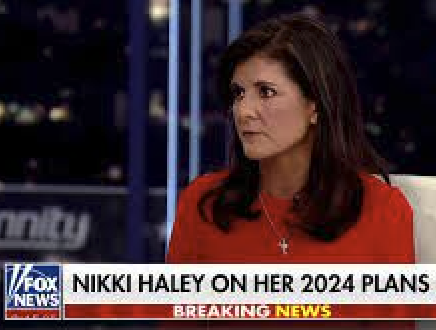
Religion in politics, again: What is Sikhism, candidate Nikki Haley’s one-time faith?

Religion in politics, again: What is Sikhism, candidate Nikki Haley’s one-time faith?

QUESTION:

What is Sikhism, candidate Nikki Haley’s one-time religion?

THE RELIGION GUY’S ANSWER:

Nikki Haley, who is challenging Donald Trump for the Republican presidential nomination, was raised in the religion of Sikhism  (“SEEK-ism”) by immigrant parents from India. But soon after both Sikh and Methodist weddings she converted to husband Michael’s Christianity.

During Haley’s first run for South Carolina governor in 2010, National Public Radio posted a notably nasty piece by a fellow Indian-American who said “I’m not buying” Haley’s “Christian bit,” noting that “serious churchgoers” and political opponents suspected a “conversion of convenience” in a heavily Protestant state. However, Haley adopted Christianity at age 24 and only entered politics eight years later.

Partners in mixed marriages do have to make religious choices. Haley has repeatedly professed that she is a Christian believer but respects her family and does not criticize its religious heritage. Though a Methodist churchgoer, she occasionally attends Sikh services and has visited the faith’s holiest sanctuary, the Temple of God in Amritsar, India (known as the Golden Temple because it’s covered in gold leaf).

As a journalist, The Guy has no business examining Haley’s soul, but sees her candidacy as a good opportunity for Americans to learn more about her former faith. Sikhism claims to be the fifth-largest world religion after Christianity, Islam, Hinduism and Buddhism, though it does not evangelize and counts only a modest 30 million adherents. Still, that’s double the global number for Judaism.

Sikhism is by far the youngest of the major world religions. Its homeland is the Punjab region of northern India and adjacent Pakistan. The founder, Guru Nanak (1469-1539), was a married accountant with two sons who had a dramatic encounter with God, whence he proclaimed “there is no Hindu; there is no Muslim” and gathered a following as a spiritual teacher.

Western scholars often depict Sikhism as a classic example of syncretism (blending of different religions) or a reforming “offshoot” of Hinduism.
Please respect our Commenting Policy

Podcast: Painful fighting inside Ukrainian Orthodoxy? Schism began long before the war

Podcast: Painful fighting inside Ukrainian Orthodoxy? Schism began long before the war

Nearly 15 years ago, I traveled to Kiev to speak during a forum with Ukrainian journalists, and a few activists, focusing on religion coverage in that already tense nation. I was there as a representative of the Oxford Centre for Religion & Public Life.

Obviously, this meant talking about the fractured state of Eastern Orthodox Christianity in Ukraine, with bitter tensions between the historic (in many ways ancient) Ukrainian Orthodox Church and new rival churches — including leaders who had previously been excommunicated from canonical Orthodoxy.

Again, let me stress that this was in 2009, during a time when the Ukrainian government was, basically, content to let global Orthodox leaders work this out — oh so slowly — as an Orthodox canon-law issue.

These conflicts were truly byzantine (small “b”) and Ukrainian journalists said it was obvious that most journalists from Europe and America knew next to nothing about the Orthodox splits and, frankly, didn’t care to learn the details.

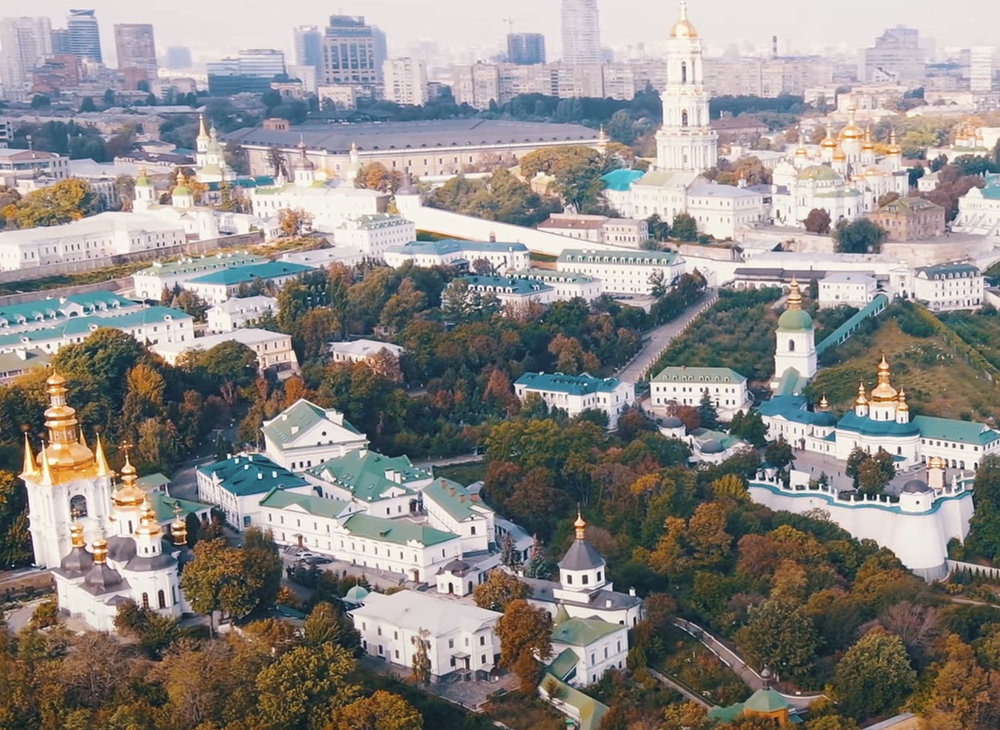
The Holy Dormition-Kiev Caves Lavra? That’s just a historic site. End of story.

Things have changed, sort of, but for all the wrong reasons.

With Vladimir Putin’s invasion of Ukraine, journalists now care about the state of Orthodoxy in this war. The question discussed during this week’s “Crossroads” podcast (click here to tune that in) is whether elite journalists have any interest in the centuries of facts behind the current Orthodox conflict. The church conflict is linked, of course, to the February 24, 2022, invasion — but also to earlier actions by leaders in the United States, the European Union, the current Ukrainian government and, last but not least, a strategic 2019 move by the Ecumenical Patriarchate in Istanbul.

Note: All of these events took place before the Russian invasion. The Orthodox schism in Ukraine predates the war — by decades.

Where to begin? Let’s start with some of what I learned, and described, 15 years ago, in a column with this title: “Religion ghosts in Ukraine.”


Please respect our Commenting Policy

New probe of origins of Islam's Quran resembles 200 years of New Testament conflict

New probe of origins of Islam's Quran resembles 200 years of New Testament conflict

Muslims -- and religion writers -- will want to ponder these quotations:

“There is not much reason to place a great deal of confidence in the Islamic tradition’s account of the Quran’s origins” in light of “the bewildering confusion and complexity” of early Muslim memories about this. Yes, “at least some, and perhaps much” of the holy book does have roots in the Prophet Muhammad’s actual preaching career in Arabia.

However, the book as Muslims know it is a “composite and composed text” that was “altered significantly” and “reimagined, rewritten, and augmented” during a half-century or so after the Prophet’s lifetime and finally standardized under Damascus-based Caliph Abd al-Malik (685–705 CE).

What Muslim tradition tells us about Muhammad’s career may contain factual “nuggets” but much of it is “little more than pious fiction” with “no basis in any genuine historical memories.”

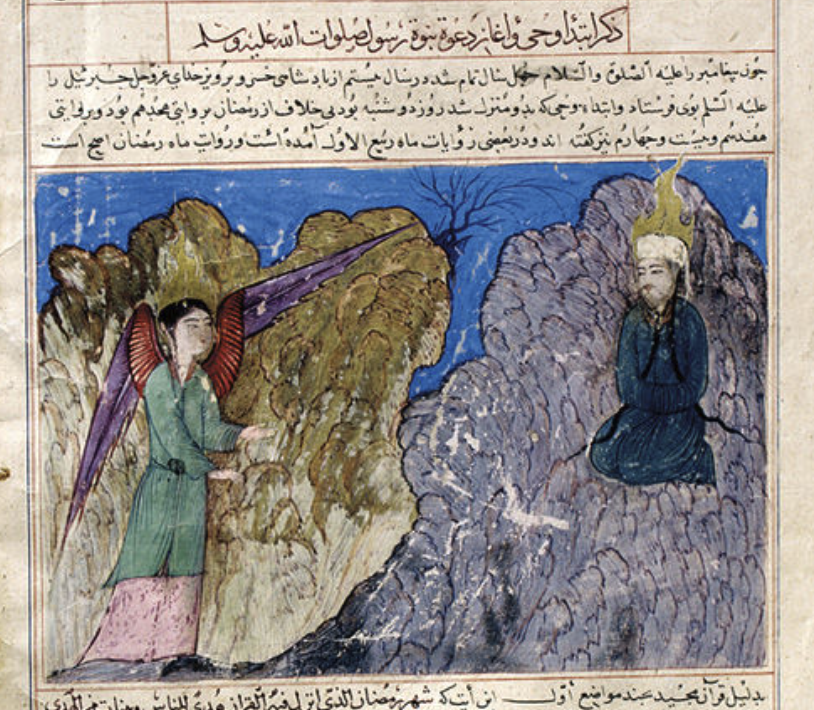
There could be trouble. All that will certainly offend believers in the orthodox view that between 610 and his death in 632, Muhammad, guided by the angel Gabriel, received God’s verbatim words, memorized them, dictated them to scribes, and confirmed the entirety of the Quran’s revelations as they exist today.

This sort of dispute will be familiar to educated Christians, since similar western “historical criticism” or “higher criticism” has been aimed at their New Testament for 200 years.

Now that outlook is being applied to Islam’s holy book in “Creating the Quran.” Author Stephen J. Shoemaker, a prolific scholar of Christian and Muslim origins at the University of Oregon, asserts that experts have been too timid or reverential in promoting a revisionist viewpoint.

“Creating” was published last July but languished in academic obscurity until Baylor University historian Philip Jenkins boosted it as an eye-opener in a recent Patheos.com article. The University of Chicago’s Fred Donner blurbs that this is “a milestone in Quranic studies” and “the most comprehensive and convincing examination” of the issues currently available.


Please respect our Commenting Policy

Parents, schools and 'LGBTQ themes': Why is the Associated Press being so vague?

Parents, schools and 'LGBTQ themes': Why is the Associated Press being so vague?

Let’s start here: I am a journalist who is married to a librarian. When it comes to First Amendment issues, we are old-school liberals. However, there are times when — in debates involving public schools, tax dollars and parental rights (without “scare quotes”) — there are First Amendment tensions that cannot be denied.

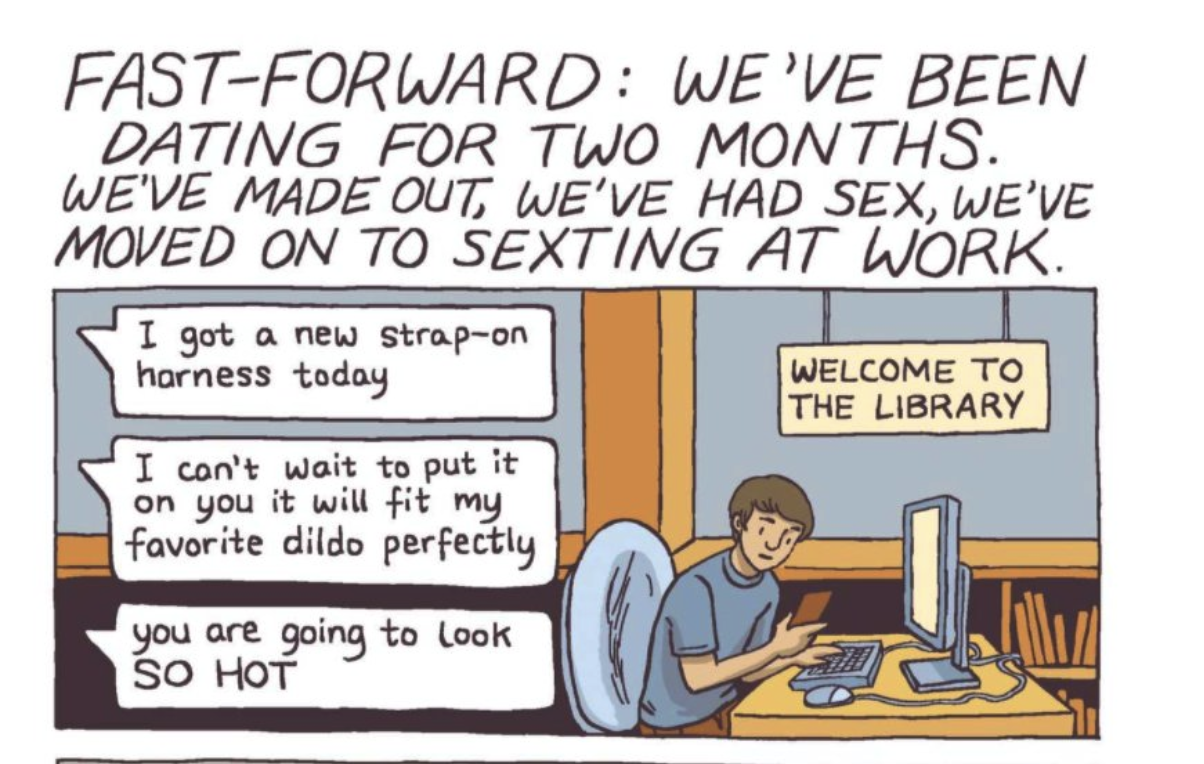
Week after week, I keep reading angry mainstream-press reports covering battles about removing LGBTQ-audience books from the libraries of schools in various red zip codes across America.

I confess that I am confused about what is happening in many of these debates. I assume that the content of proposed legislation is different in various states, but it’s hard to know the details in the news coverage. In particular, it’s hard to know if books are being removed from (a) mandatory classroom assignments, (b) recommended sex-education lists promoted to students or (c) library bookshelves — period.

Also, I am having trouble understanding the specifics of why parents are upset (and these concerns may vary from case to case). Most news reports stress that conservative (read “traditional” religious believers, either Christian, Jewish or Muslim) parents are upset about all LGBTQ content.

However, if and when journalists deem to quote parents, the parents seem upset about visual images and graphic stories that they consider to be pornographic or not age-appropriate for their children. Are their concerns valid? It’s hard to make judgements about that — since news reports never describe the details of their concerns, perhaps because the content is too strong for publication in newspapers.

With these questions in mind, let’s look at a recent Associated Press report that ran with this headline: “School library book bans are seen as targeting LGBTQ content.” Note that the headline seems to assume that books are banned from library shelves and that’s that. Here is the overture:

DES MOINES, Iowa (AP) — Teri Patrick bristles at the idea she wants to ban books about LGBTQ issues in Iowa schools, arguing her only goal is ridding schools of sexually explicit material.

Sara Hayden Parris says that whatever you want to call it, it’s wrong for some parents to think a book shouldn’t be readily available to any child if it isn’t right for their own child.


Please respect our Commenting Policy

Yes, this is personal: Concerning the New York Times report on The King's College crisis

Yes, this is personal: Concerning the New York Times report on The King's College crisis

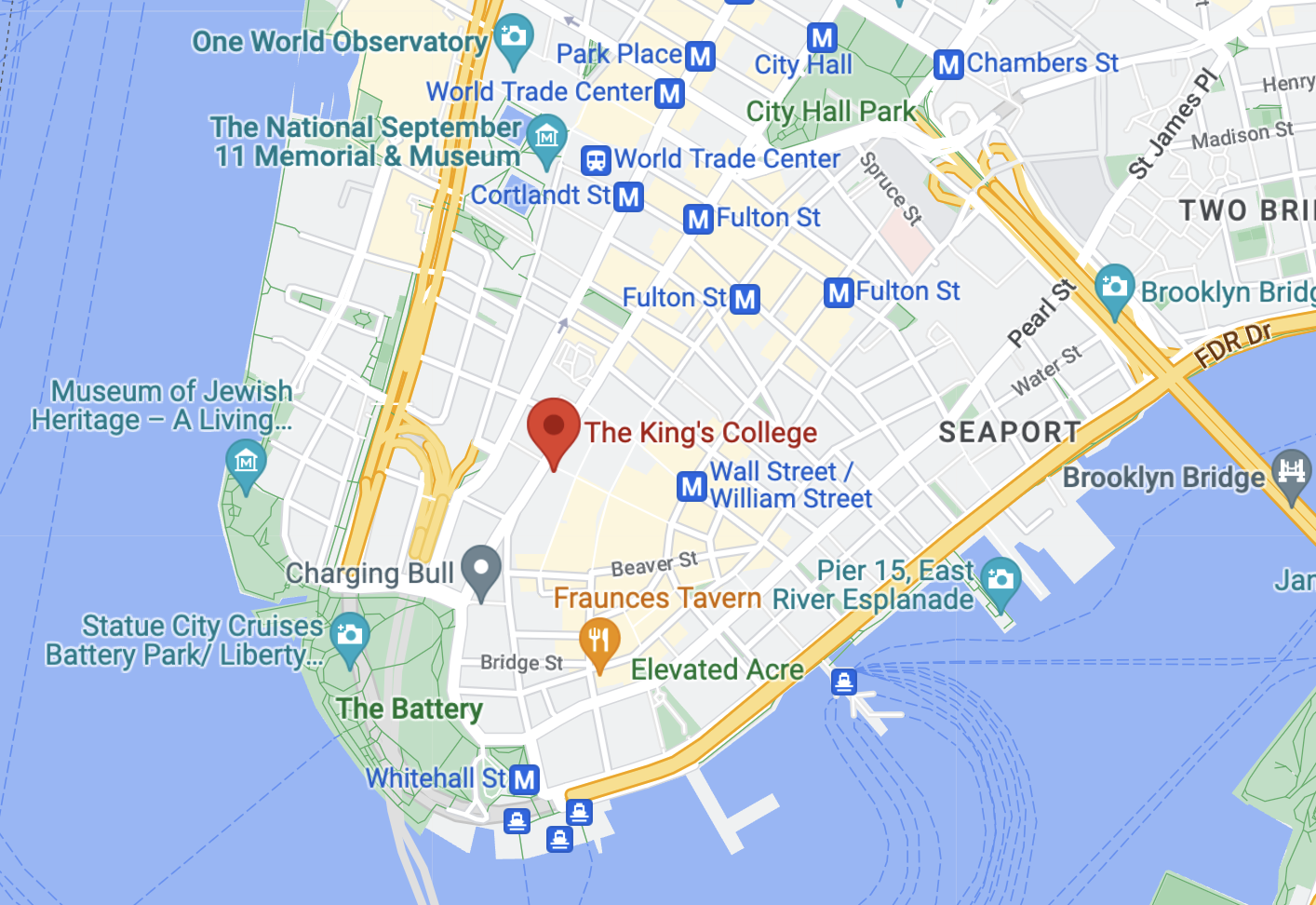
I have been on the road for about 12 days now, visiting family in Kansas after speaking at a journalism conference in Washington, D.C. During that time, I have received quite a few emails asking me to comment on the New York Times story about the crisis at The King’s College in lower Manhattan.

As longtime GetReligion readers know, I taught seminars at The King’s College for five years after the semester-length Washington Journalism Center program moved there in 2014. I have friends and former colleagues at TKC and, thus, writing about this topic is quite personal.

Thus, let me stress that the following is a GetReligion commentary about the Times report — which is an important story and, frankly, quite good. It’s crucial — here’s that GetReligion theme, again — that it was assigned to a religion-desk reporter. However, the story, in my opinion, does have an important “ghost” in it, one that could be spotted by anyone who has dug into the details of recent academic and financial trends in Christian higher education.

Hold that thought. First, here is the double-decker headline on this news feature:

The Second Life of a Christian College in Manhattan Nears Its End

The King’s College, which draws students from around the country to Manhattan, has not been able to recover from enrollment and financial losses.

As is the case with MANY private colleges, before and after the coronavirus pandemic, this small college has fundraising issues, enrollment issues and then budget issues that are directly linked to enrollment issues.

To be blunt, many excellent private educational institutions are overly dependent on tuition dollars and lack the endowment funds to survive severe drops in recruiting numbers. For two decades Christian college leaders have known that they would face severe challenges after the passing of a giant wave of students from the giant Millennial generation.

Thus, Christian college administrations have been asking hard questions about recruiting and fundraising. Here is one way to look at it: The concerns of donors, church leaders and parents are not (#DUH) always the concerns of potential students. However, a Christian college cannot survive without loyal donors, church leaders and parents willing to send their children — the ultimate investment — to a specific college.

The raises a painful question: Should small Christian private schools case a “wide net,” seeking as many students as possible (period), or focus on “mission fit,” seeking students from homes and pews that strongly support a school’s core values and programs?


Please respect our Commenting Policy

How the press (mainstream and Catholic) chose to cover Francis' pontificate turning 10

How the press (mainstream and Catholic) chose to cover Francis' pontificate turning 10

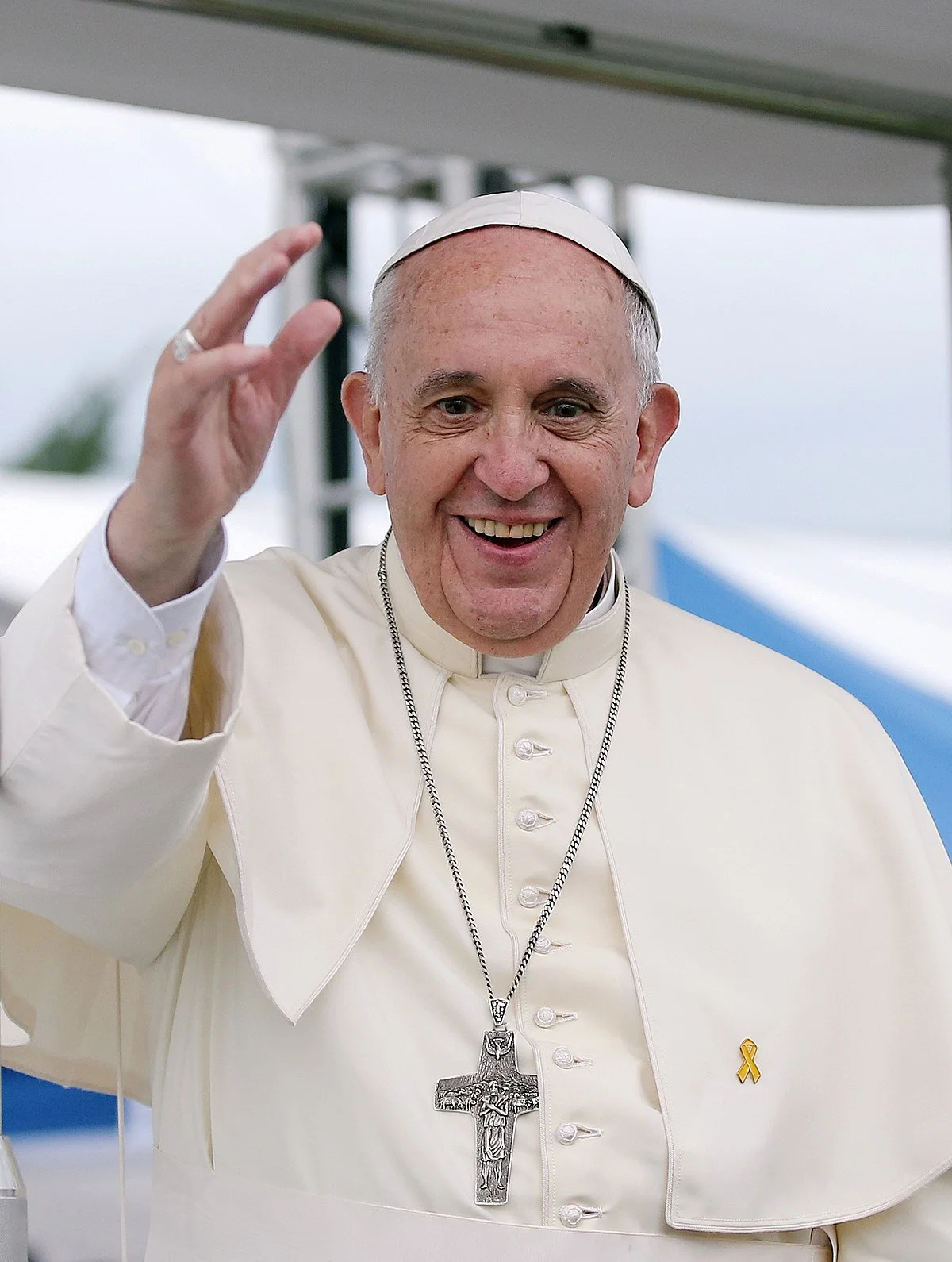
Pope Francis’ pontificate turned 10 years old last week and — like with an anniversary or milestone — became a time for the news media to reflect and reassess.

What will continue to matter — at least what I will be keeping an eye on — is how this pope will be covered both by the mainstream and Catholic press going forward. And, once again, news coverage of this pope often says as much about the journalists doing the coverage as it does about Pope Francis.

I wrote my own piece for Religion Unplugged on Francis reaching the milestone.

This is how I set up that feature:

The former Cardinal Jorge Mario Bergoglio, who was born in Argentina and is of Italian descent, was elected the 266th pope on March 13, 2013. It marked the first time a pontiff from South America has held the position. 

Following the resignation of Pope Benedict XVI in 2013, a papal conclave elected Bergoglio as his successor. He chose Francis as his papal name in honor of Saint Francis of Assisi.

Over that span of time, Catholics, especially in the West, have become much more polarized around political lines, a trend that has exacerbated divisions among Catholics. The 86-year-old Pope Francis, on a great number of issues, has been seen as a polarizing force for his progressive stances on several issues.

In fact, the “polarizing force” this papacy has brought with it was the major theme throughout the much of the coverage regarding Francis’ 10th anniversary as head of the Catholic church. The question? Was the force put to good use?

The narrative over the past 10 years has been that Francis’ papacy has largely steered the church leftward, in terms of doctrine and culture, after more than three decades of conservative leadership under Popes John Paul II and Benedict XVI.

But ambiguity has been the main issue with what this pope says, as opposed to what he does.


Please respect our Commenting Policy

Plug-In: News that had the attention of religion-beat pros last week (#RNA2023)

Plug-In: News that had the attention of religion-beat pros last week (#RNA2023)

BETHESDA, Md. — Greetings from just outside the nation’s capital.

The Religion News Association’s annual meeting was held last week, and I enjoyed the opportunity to connect with old friends and make new ones.

I attended my first RNA conference in Nashville, Tennessee, in the fall of 2002, just a few months after joining The Associated Press in that same city. I met the late, great Rachel Zoll — then one of AP’s two national religion writers along with the legendary Richard Ostling — at that meeting. What a blessing!

We’ll stick with the RNA theme as we jump into the best reads and top headlines in the world of faith.

#RNA2023: That was the hashtag to follow the highlights at the religion writers meeting.

Thursday’s program featured reports by academics and journalists on the Spiritual Exemplars project by the University of Southern California’s Center for Religion and Civic Culture. ReligionUnplugged.com published a dozen or so of the profiles produced as part of that ambitious project on engaged spirituality.

Godbeat topics: As the conference opened, Religion News Service’s Bob Smietana led a session on “The Future of Houses of Worship.” Plug-in readers may recall that Smietana is the author of “Reorganized Religion: The Reshaping of the American Church and Why It Matters.”

Another session I really enjoyed: The Associated Press’ Holly Meyer moderated a discussion on “Praying and Playing: The Role of Sports in Religion.” In recent months, Meyer covered the Super Bowl ad campaign touting Jesus and wrote about football fans who see prayer as a Hail Mary.

Power Up: The Week’s Best Reads

1. Sex abuse crisis: “These survivors felt betrayed by local SBC officials. What their stories say about reform.”

Once again — as I told him in person Thursday — The Tennessean’s Liam Adams has produced an important, enlightening story about the handling of sexual abuse allegations within the Southern Baptist Convention. His stories are must-reads heading into the SBC’s annual meeting in New Orleans in June.


Please respect our Commenting Policy

How a veteran Catholic congressman evolved into a political heretic

How a veteran Catholic congressman evolved into a political heretic

WASHINGTON — As a veteran Chicago-land Democrat, Rep. Daniel Lipinksi knew what to expect when facing newspaper editors during pre-election endorsement season -- hard questions about his support for centuries of Catholic teachings on abortion.

But the Chicago Sun-Times stressed a different question in 2020 -- same-sex marriage. Lipinski said the Supreme Court had settled that issue, so he didn't expect to face it in Congress. The follow-up was blunt and personal: But do YOU support legalized same-sex marriage?

Lipinski said he supported his church's teachings on marriage and sexuality.

"They didn't just see themselves as newspaper editors interviewing candidates in a political race. ... They saw themselves as inquisitors seeking an admission of heresy," said Lipinski, who lost that close primary race with a rival backed by liberal Democrats.

During his 16 years in Congress, Lipinski voted with his party 90% of the time and his convictions never changed, especially on economic and labor issues. Nevertheless, by 2018 New York magazine had floated this headline: "House Democratic Leaders Rally to Defend Their Illinois Heretic."

By 2020, he had reached "political leper" status, in part because of social-media attacks on his beliefs that bled into mainstream news, he said, addressing the recent "Journalism in a Post-Truth World" conference in Washington, D.C. The event was sponsored by Franciscan University in Steubenville, Ohio, and the Eternal Word Television Network.

The old days of tough questions and bipartisan debate were one thing, said Lipinski. At this point, American politics have stormed past tribalism into bitter sectarianism, with politicos, activists and journalists embracing "partisanship as a fundamentalist pseudo-religion" that strictly defines good and evil.

What is happening? In the past two decades, he noted, researchers have documented a stunning rise in "religiously unaffiliated" Americans. In 2020, Gallup reported that membership in houses of worship sank to 47% -- below the 50% mark for the first time. In 1999, that number was 70%.

It's possible, said Lipinski, that many citizens are now searching for "for meaning, or a mission, or truth, somewhere else," which only raises the stakes in public life.

"Partisanship has become not just a social identity, but a primary identity considered to be more important than any other," he said. "We all identify ourselves as belonging to different groups -- our families, our religions, our favorite sports teams, our professions. But more and more Americans are defining who they are by the political parties that they choose."


Please respect our Commenting Policy

Thinking (again) about God and sports: Was the Lord of Hosts cheering for Duke?

Thinking (again) about God and sports: Was the Lord of Hosts cheering for Duke?

What we have here is one of those evergreen feature ideas that surfaces whenever there is a global or national sporting event that inspires religious-level fervor in fans.

Now, it’s March Madness and hoops believers — especially sort-of Methodists — will need to interpret the theological implications of Duke University (think Methodist House of Studies at the divinity school) smashing Oral Roberts University 74-51 in the first round in a tournament game that some folks though might have upset potential. Oh, the late faith healer and televangelist Oral Roberts was also (#HONEST) a United Methodist minister.

So, did God ignore the prayers of evangelical-Pentecostal hoops fanatics and favor those of the theologically hip, fluid, progressive believers at Duke? Does this score mean that God (pronouns are controversial) was pro-Duke?

With that in mind, here is a breezy pre-game think piece on this topic that ran at Religion News Service. It was written by two self-avowed Duke dudes, veteran religion-beat pro Mark Pinsky (frequently plugged here at GetReligion) and media consultant Rusty Wright. Here’s the double-decker headline:

Divine dilemma: Who gets God’s nod in March Madness?

If two Christian schools’ fans pray for victory, which one gets God’s favor?

Yes, there are passages that make this an interesting read — even after a Duke throwdown.


Please respect our Commenting Policy