Worship

Wall Street Journal: Catholics are losing ground -- rapidly -- in Brazil. What else is new?

Wall Street Journal: Catholics are losing ground -- rapidly -- in Brazil. What else is new?

I’ll always remember a Spanish-speaking woman I interviewed years ago when I was doing an article for the Houston Chronicle on why Catholic immigrants from Latin America switched over to Protestantism soon after they immigrated to the United States.

The answer, this woman told me, was the Rev. Jimmy Swaggart and his radio broadcasts into Central and South America. “Before, we didn’t know we had a choice on who to believe,” is approximately what this woman told me. “But once we heard Jimmy Swaggart on the radio, we knew there was something else out there other than the Catholic Church.”

In the past 40 years, much of the population of Latin America has likewise realized they have faith options and a recent Wall Street Journal piece claims that this trend of mass conversions to Protestantism — and specifically Pentecostalism — has reached a tipping point.

This is news all of a sudden?

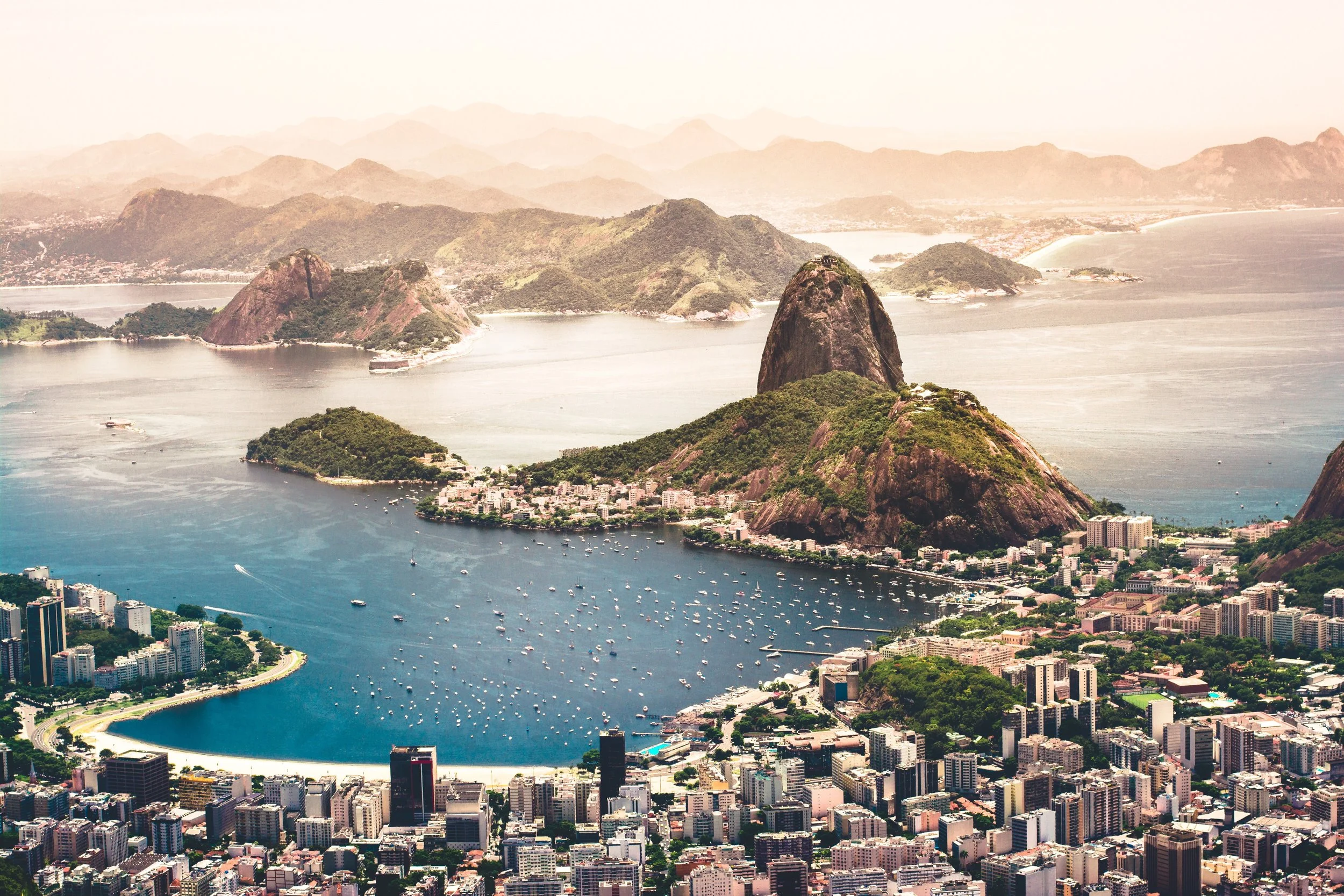
RIO DE JANEIRO—Tatiana Aparecida de Jesus used to walk the city’s streets as a sex worker, high on crack cocaine. Last year, the mother of five joined a small Pentecostal congregation in downtown Rio called Sanctification in the Lord and left her old life behind.

“The pastor hugged me without asking anything,” said Ms. de Jesus, 41, who was raised a Catholic and is one of more than a million Brazilians who have joined an evangelical or Pentecostal church since the beginning of the pandemic, according to researchers. “When you are poor, it makes so much of a difference when someone just says ‘good morning’ to you, ‘good afternoon,’ or shakes your hand,” she said.

This has been a huge advantage that the Protestants have pressed home.

These emerging Protestant flocks don’t have a shortage of priests as does the Catholic Church does –- where parishioner-to-clergy ratio mean there’s one priest per several thousand parishioners. Let’s keep reading:

For centuries, to be Latin American was to be Catholic; the religion faced virtually no competition. Today, Catholicism has lost adherents to other faiths in the region, especially Pentecostalism, and more recently to the ranks of the unchurched. The shift has continued under the first Latin American pope.
Please respect our Commenting Policy

Novak Djokovic is both Orthodox and unorthodox: Why ignore faith when covering this story?

Novak Djokovic is both Orthodox and unorthodox: Why ignore faith when covering this story?

First things first. I am not a tennis fan. I don’t think I have seriously cared about the outcome of a tennis match since the late Arthur Ashe won Wimbledon in 1975.

Also, as a Baby Boomer at high risk (asthma), I have had both shots and the booster. I am currently in semi-lockdown. I wear a mask when shopping and in jammed public places. I’m one of those folks in the middle — pro-vaccine, but anti-government mandate. What about religious exemptions? As I have written here at GetReligion, that would be a complex U.S. Supreme Court case.

This brings me to the Novak Djokovic drama. I vaguely knew that he was one of the world’s top tennis players, but knew nothing about his unique — bizarre, even — beliefs about a host of medical issues.

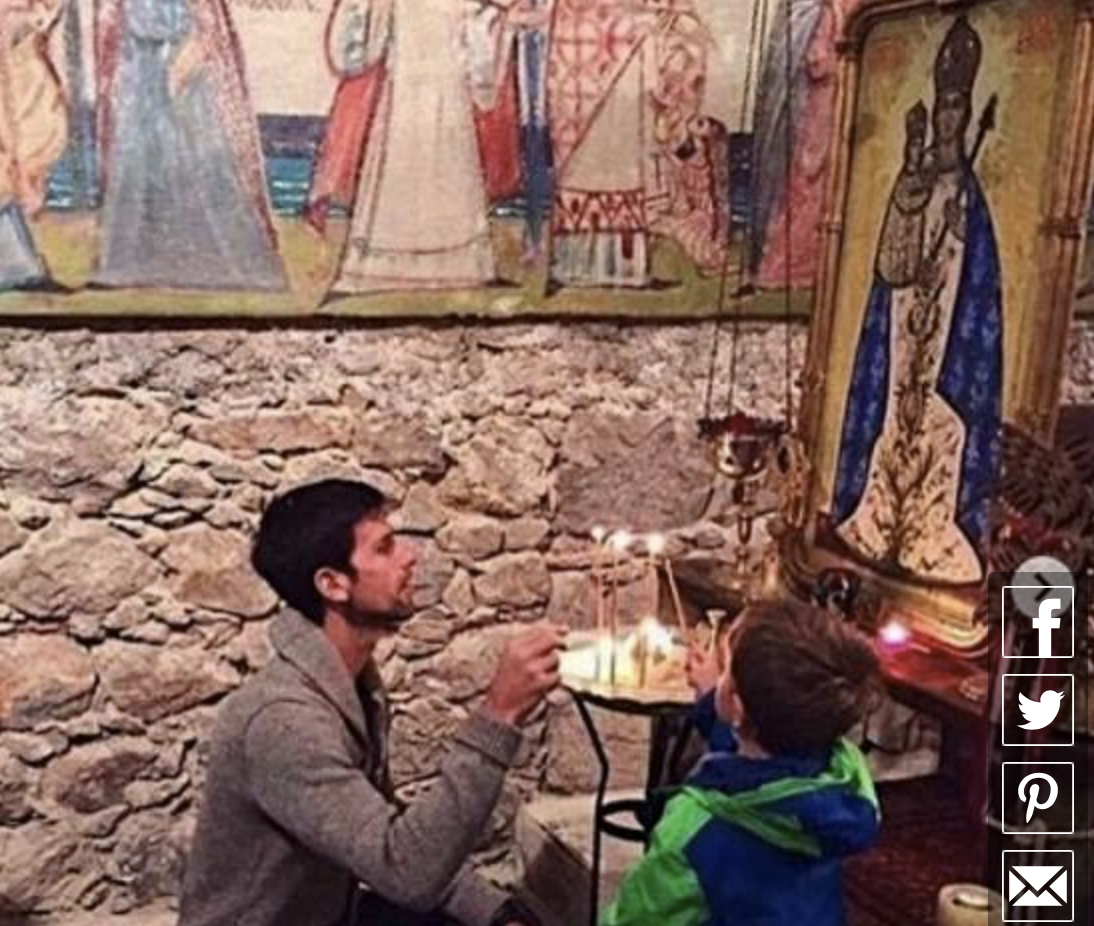
Then I saw an image that hit home for me, as an Eastern Orthodox Christian believer. It showed Djokovic doing what Orthodox parents do — helping his young son light prayer candles and venerate icons.

What follows in this post has nothing to do with whether readers think Djokovic is right or wrong, a liar or a Serbian hero, a lunatic or a misunderstood believer, of some kind of another. What I am doing here is asking a journalism question about mainstream coverage of this battle in the wider COVID-19 wars. I read the New York Times, of course, so that was where I immediately went for information.

The question: How could journalists try to tell the story of Djokovic and his opposition to COVID-19 vaccines without digging into his complex and, it seems to me, confusing set of Orthodox and unorthodox religious beliefs? Isn’t that a crucial and factual element of this story?

I am aware, of course, that anti-vaccine sentiment is present in some Orthodox circles — such as Serbia — but certainly not all (my own bishop has been very careful during the pandemic).


Please respect our Commenting Policy

Return of 'nuns' growing weed: A Rolling Stone puff piece on this emerging religious group

Return of 'nuns' growing weed: A Rolling Stone puff piece on this emerging religious group

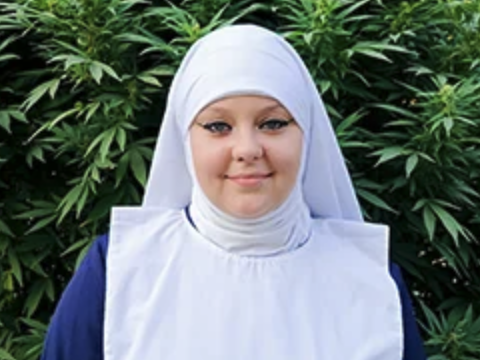
Those PR-friendly, pot-puffing Sisters of the Valley are back. I’m sure that this is shocking news (#NOT) to readers who know anything about the history of this group.

Here’s a GetReligion flashback. Some reporters struggled, in early happy talk features about this group, to make it clear these “sisters” were not, in fact, some progressive Catholic order. One classic piece inspired a blog post by Catholic Deacon Greg Kandra — a CBS News professional in his career before moving to the altar — with this classic headline: “Newsweek, Go Home. You’re Drunk. Those Aren’t Nuns.

Now we have an update about the Sisters of the Valley in, logically enough, Rolling Stone. Here’s the double-decker headline on that:

Our Ladies of the Perpetual High

How a New Age order of feminist nuns is reimagining spiritual devotion and trying to heal the world — one joint at a time

Yes, some headline writers cannot resist “Our Lady” jokes, which is unfortunate. However, the second part of that headline is clear about the contents of this feature, which helps readers know what is what and who is who. This clarity is what makes this story worth reading.

Before we get to that, let me remind readers of a key point in that “thinker” that ran here at GetReligion last weekend: “Two think pieces on changes in American religious life, with a few political twists.” One of the pieces that I recommended was a Rod “Live Not By Lies” Dreher post pointing to a new blast of information from the Pew Research Center team.

Forget politics for a moment. The headline on Rod’s post — “Christianity Declines — But Not ‘Spirituality’ — is what connects that Pew data to this new Rolling Stone feature. Dreher wants to note a renewed surge in a tend that has been around for decades (think “Sheilaism”). Here is a key passage:

America continues to transition to its post-Christian reality. … One of the most interesting, and unexpected, developments is that in the US, relatively few of these people who are falling away from Christianity are becoming atheists. Rather, they are cobbling together a bespoke bricolage religion, one designed just for them.


Please respect our Commenting Policy

Talking to Jesus? This is big New York Times news when a Hollywood spiritualist is involved

Talking to Jesus? This is big New York Times news when a Hollywood spiritualist is involved

Let’s see. If you were going to write a New York Times article in which someone claimed to be channeling the Buddha, would you, at some point, talk to Buddhists? Maybe even a scholar whose work is rooted in Buddhist thought?

What about Judaism? If someone was claiming to channel Moses, would you talk to a rabbi or two about that? Maybe a scholar who has studied Jewish mysticism?

How about Islam? How would a reporter approach the claims of someone who says she is channeling Mohammad? And what would Islamic believers think of this process?

With these questions in mind, let’s look at that chatty first-person piece that ran more than a month ago at the Times with this headline: “In Good Spirits — Carissa Schumacher channels the dead for her A-list celebrity clients. But most days, she’s in the forest.

The headline omits the big reveal: Schumacher claims to channel the spirits of the dead, including her most famous connection — Jesus. This is tricky territory, as demonstrated in the wild correction at the end of this long feature:

Correction: Nov. 29, 2021

An earlier version of this article described incorrectly the biblical name Yeshua. The name refers to multiple people, including Joshua; it does not refer solely to Jesus Christ. The article also referred incorrectly to the Old Testament; while the name Yeshua appears in it, Jesus Christ does not.

Ready for the overture?


Please respect our Commenting Policy

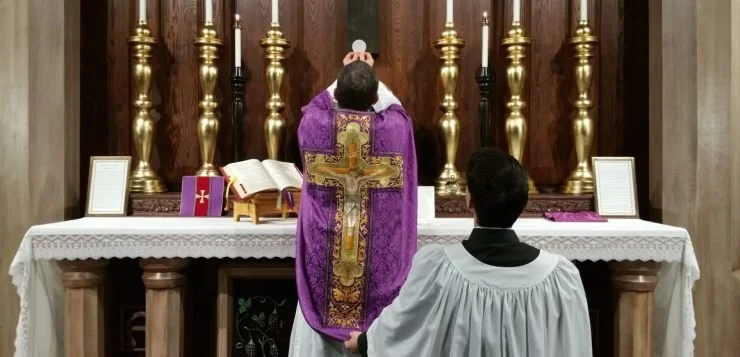
Chicago rules vs. the Latin Mass: There's more to 'worship wars' than the Tridentine Rite

Chicago rules vs. the Latin Mass: There's more to 'worship wars' than the Tridentine Rite

Since the late 19th Century, Catholics have recited the Prayer to St. Michael when facing disease, disaster and despair.

It proclaims, in part: "St. Michael the Archangel, defend us in battle. … O Prince of the heavenly hosts, by the power of God, thrust into hell Satan, and all the evil spirits, who prowl about the world seeking the ruin of souls."

Before Vatican II, this prayer was often recited after Mass, although it wasn't in the rubrics. In 1994, St. Pope John Paul II urged Catholics to embrace it -- while preaching on threats to the unborn.

The faithful at St. Joseph's Parish in Libertyville, Ill., stopped reciting the Prayer to St. Michael aloud after Masses this past summer. While debate continues about what the Archdiocese of Chicago instructed, livestreamed remarks by the associate pastor went viral, during a worship wars surge in modern Catholicism.

"What I'm going to say, I'm going to say this with a lot of respect. Following the directive of Cardinal Cupich, we want to remind everyone that the Prayer of St. Michael is not to be said publicly following Mass," said Father Emanuel Torres-Fuentes. "As a priest, I have to obey, and I obey this at peace."

While Cardinal Blase Cupich's actions have made news, this drama opened in July with a Pope Francis apostolic letter entitled "Traditionis Custodes (Guardians of the tradition)." It restricted use of the old Latin Mass, thus undercutting "Summorum Pontificum (Of the Supreme Pontiffs)" by the retired Pope Benedict XVI. That document said the post-Vatican II Novus Ordo was the "ordinary form" for the Mass, but the Tridentine rite was an "extraordinary form" that could be encouraged.

The Pope Francis letter appeared to give local bishops some freedom to control use of the old Latin Mass. Then the Vatican's Congregation for Divine Worship released guidelines on Dec. 18, explaining the pope's edict.

Many bishops, for example, had granted dispensations allowing some diocesan parishes to use the Latin Mass. But Rome's new guidelines said this was not permitted -- only the Vatican could grant exceptions. Also, any parish allowed to celebrate the Tridentine Mass could not list this service in printed or online Mass schedules.


Please respect our Commenting Policy

Two think pieces on changes in American religious life, with a few political twists

Two think pieces on changes in American religious life, with a few political twists

It’s time for another “think piece” weekend double-shot.

In other words, I want to point readers toward two different online features that, at first, may not seem to be related. However, when you look closer you can see the DNA that connects them.

The first is a blog post by my friend Rod “Live Not By Lies” Dreher, but I want readers to consider his post as a mere frame work around a blast of data from the Pew Research Center team. The headline on Dreher’s post states, once again, an old trend (think “Sheilaism”), but one that is being more — not less — important: “Christianity Declines — But Not ‘Spirituality’.”

Dreher points to this quotation from a recent Pew feature, which digs deeper into the center’s mine of religiously unaffiliated research:

The secularizing shifts evident in American society so far in the 21st century show no signs of slowing. The latest Pew Research Center survey of the religious composition of the United States finds the religiously unaffiliated share of the public is 6 percentage points higher than it was five years ago and 10 points higher than a decade ago.

Christians continue to make up a majority of the U.S. populace, but their share of the adult population is 12 points lower in 2021 than it was in 2011. In addition, the share of U.S. adults who say they pray on a daily basis has been trending downward, as has the share who say religion is “very important” in their lives.

Currently, about three-in-ten U.S. adults (29%) are religious “nones” — people who describe themselves as atheists, agnostics or “nothing in particular” when asked about their religious identity. Self-identified Christians of all varieties (including Protestants, Catholics, members of the Church of Jesus Christ of Latter-day Saints, and Orthodox Christians) make up 63% of the adult population. Christians now outnumber religious “nones” by a ratio of a little more than two-to-one. In 2007, when the Center began asking its current question about religious identity, Christians outnumbered “nones” by almost five-to-one (78% vs. 16%).

The recent declines within Christianity are concentrated among Protestants.

A trend this massive will affect almost every area of American life, including politics.


Please respect our Commenting Policy

New podcast: Are the bitter wars over the Latin Mass about politics or Catholic doctrine?

New podcast: Are the bitter wars over the Latin Mass about politics or Catholic doctrine?

I like hearing from readers. I really do.

However, every now and then I write a national “On Religion” column and I just know that I am going to hear from readers about a specific angle that — for reasons of space — I had to leave out. This happens less often here at GetReligion, since length is not an issue in online forums of this kind.

Anyway, this week’s “On Religion” column was about the tensions among Catholics about Pope Francis and his crackdown on use of the old Latin Mass. I focused on developments in the Archdiocese of Chicago, where it is clear that there’s more to these “worship wars” than use of the Tridentine rite.

That column is already online in some mainstream newspapers, with headlines such as this: “Latin Mass meets Chicago rules.” That column served as the launching pad for this week’s “Crossroads” podcast (CLICK HERE to tune that in), which also looked at an important analysis piece at Crux about five kids of Pope Francis stories — both doctrinal and political — that readers can expect to see in 2022.

When I clicked “send” on that column (including my private listserv to family and friends), I knew that some Catholics would ask why I didn’t address a, well, colorful Mass that recently took place at the progressive St. Sabina Parish in Chicago. Here is the top of the Catholic News Agency story about that:

Outraged by a freewheeling Christmas Eve Mass that featured jazz musicians, choreographed dances around the altar, and theatrical lighting effects, some Catholics are calling on Cardinal Blase Cupich to crack down on liturgical abuses in Novus Ordo Masses in the Archdiocese of Chicago, rather than imposing severe restrictions on reverential Traditional Latin Masses.

Father Michael L. Pfleger, a well-known social activist in Chicago, celebrated the Dec. 24 evening Mass. … Many of those upset by the Mass say it crossed the line from worship to entertainment. That view is fueled, in part, by the fact that it is not clear from the nearly 2½ hour video of the service, billed as "Christmas Eve at Sabina," when the liturgy actually begins. There is no apparent greeting, penitential act, or opening prayer, all required Introductory Rites of the Novus Ordo liturgy.

In the video, posted on YouTube, Pfleger does not appear on the altar until after nearly an hour of musical and dance performances.

Well, it is unusual for a Mass to include music by Stevie Wonder and the classic Vincent Guaraldi soundtrack from the Peanuts Christmas special.


Please respect our Commenting Policy

Religion news 2021: Which story was No. 1? Return of Taliban or Jan. 6 riot at U.S. Capitol?

Religion news 2021: Which story was No. 1? Return of Taliban or Jan. 6 riot at U.S. Capitol?

For journalists who braved the chaos, the Jan. 6th riot on Capitol Hill offered a buffet of the bizarre -- a throng of Proud Boys, QAnon prophets, former U.S. military personnel and radicalized Donald Trump supporters that crashed through security lines and, thus, into history.

Many protestors at Trump’s legal "Save America" rally carried signs, flags and banners with slogans such as "Jesus is my Savior, Trump is my president" or simply "Jesus 2020." In this context, "Jesus saves" took on a whole new meaning.

Some of that symbolism was swept into the illegal attack on the U.S. Capitol.

In its poll addressing major religion events in 2021, members of the Religion News Association offered this description of the top story: "Religion features prominently during the Jan. 6 assault on the U.S. Capitol by pro-Trump insurrectionists. Some voice Christian prayers, while others display Christian or pagan symbols and slogans inside and outside the Capitol."

Consider, for example, Jacob Anthony Chansley -- or Jake "Yellowstone Wolf" Angeli. With his coyote-skin and buffalo-horns headdress, red, white and blue face paint and Norse torso tattoos, the self-proclaimed QAnon shaman, UFO expert and metaphysical healer became the instant superstar of this mash-up of politics, religion and digital conspiracy theories.

"Thank you, Heavenly Father … for this opportunity to stand up for our God-given inalienable rights," he said, in a video of his U.S. Senate remarks from the vice president's chair. "Thank you, divine, omniscient, omnipotent, omnipresent Creator God for filling this chamber with your white light and love. Thank you for filling this chamber with patriots that love you and that love Christ. …

“Thank you for allowing the United States of America to be reborn. Thank you for allowing us to get rid of the communists, the globalists and the traitors within our government."

That was one loud voice. A big question that must be answered, in future trials and the U.S. House investigation, is whether it's true -- as claimed by the New York Times -- that the "most extreme corners of support for Mr. Trump have become inextricable from some parts of white evangelical power in America."


Please respect our Commenting Policy

Sikhs, Santas and prophets: Do beards symbolize good or bad character?

Sikhs, Santas and prophets: Do beards symbolize good or bad character?

THE QUESTION:

Santa take note: Do beards symbolize good or bad character?

THE RELIGION GUY'S ANSWER:

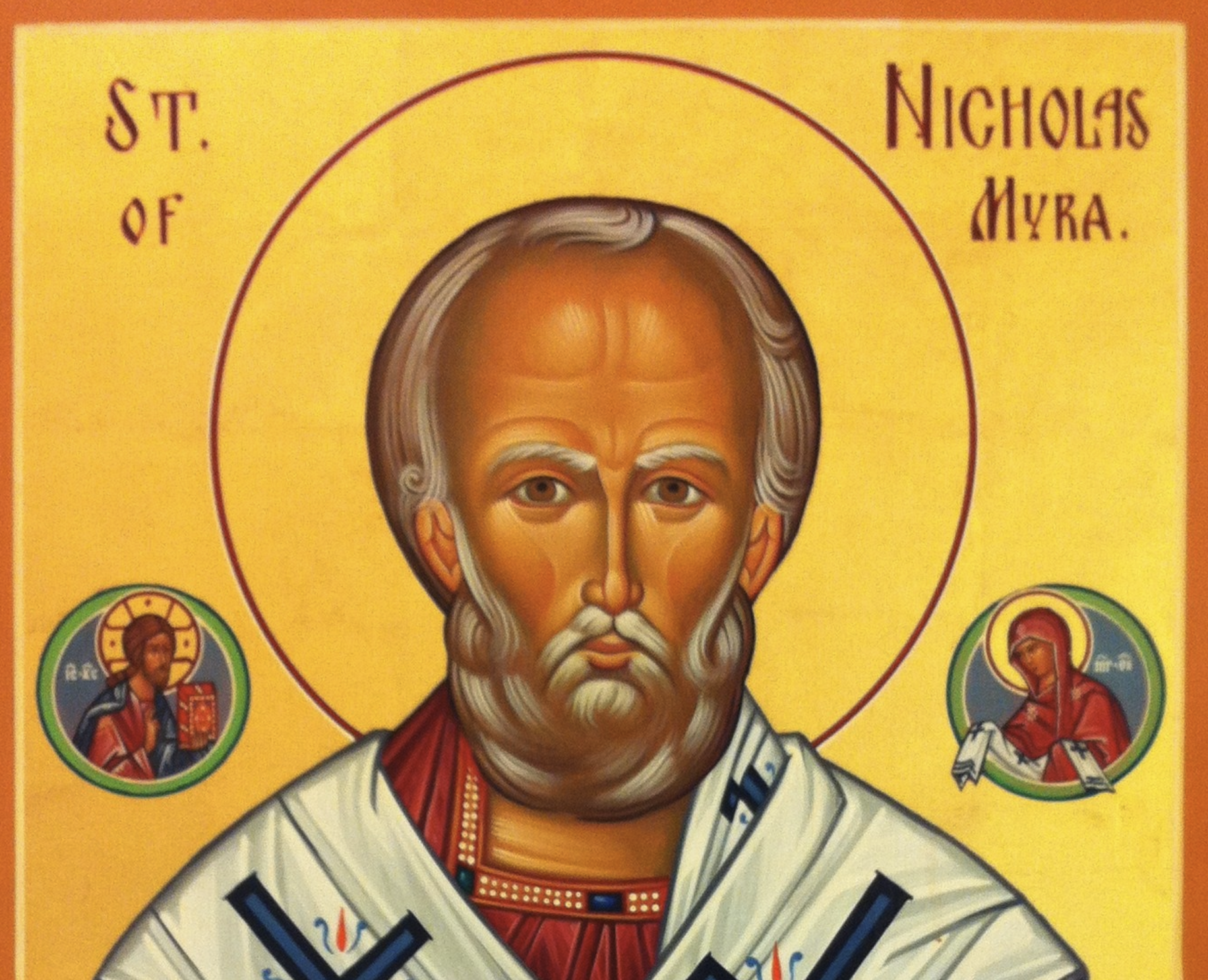
Any self-respecting Santa Claus will have actual or artificial paunch, a red suit and, perhaps most important, that luxuriant white beard. Yet notwithstanding shopping-mall Santas and St. Nicholas, as well as St. Nicholas of Myra, the bearded but monk-skinny 4th Century original, some fear that beards symbolize questionable character.

Take the New York Yankees. Please. In 1973, boss George Steinbrenner was perturbed by a player's sloppy appearance during the National Anthem and ever since no player or other employee has been allowed to have a beard or long hair "except for religious reasons." The Yankees presumably borrowed their famed appearance code from the U.S. military and police departments.

And yet. Jesus Christ is portrayed with a beard, since in the 1st Century mostly the upper crust had the time and money to bother with shaving. As for revered secular figures, Abraham Lincoln decided to become America's first bearded president for unknown reasons just after his 1860 victory (though predecessors John Quincy Adams and Martin Van Buren sported serious sideburns).

A cloud of suspicion hovers over chin whiskers in the U.S.-based Church of Jesus Christ of Latter-day Saints (nicknamed LDS and, formerly, "Mormon"). Headquarters personnel are almost always clean-shaven, and the same for young male missionary duos unless their district leader happens to allow beards.

This is not, however, a matter of doctrine.


Please respect our Commenting Policy