TV-Radio

New podcast: The long, complex and mysterious life (and faith) of Prince Philip of Greece

New podcast: The long, complex and mysterious life (and faith) of Prince Philip of Greece

It’s a short scene from second season of “The Crown,” but certainly one the illustrates what the creators of the Netflix series thought of Prince Philip Mountbatten-Windsor — at least at one stage of his dramatic life.

In 1955, while the Rev. Billy Graham was in Scotland leading a crusade in Glasgow, the evangelist received a note from Buckingham Palace inviting him to preach on Easter morning in the private chapel at the Royal Lodge. It’s a poignant scene, especially when paired with another in which Graham visits the queen to discuss an important subject — the need to forgive others.

In the chapel, Graham discusses Christian faith in highly evangelical language, describing the need to have a personal encounter with Jesus Christ. Queen Elizabeth listens attentively. Prince Philip is clearly bored, upset, disturbed, offended, embarrassed or all of the above.

Was Prince Philip struggling with guilt linked to his rumored infidelities? What is happening in his head and heart? That was the starting point for this week’s “Crossroads” podcast, which focused on the mainstream press coverage of the prince after his recent death (click here to tune that in).

For millions of people, “The Crown” offered the dominant image of Prince Philip — the tall, handsome consort of the queen best known for his faults and weaknesses. He was an old-guard British man who went to war, who was known for blunt remarks many considered racist or sexist. Eventually, some would respect his progressive views on the environment.

But it was also obvious that something important happened during this royal couple’s 73 years of marriage. Somehow, they grew together, doing the best they could to handle the pressures of royal life and the searing spotlight on their four children and, eventually, their grandchildren and great-grandchildren.

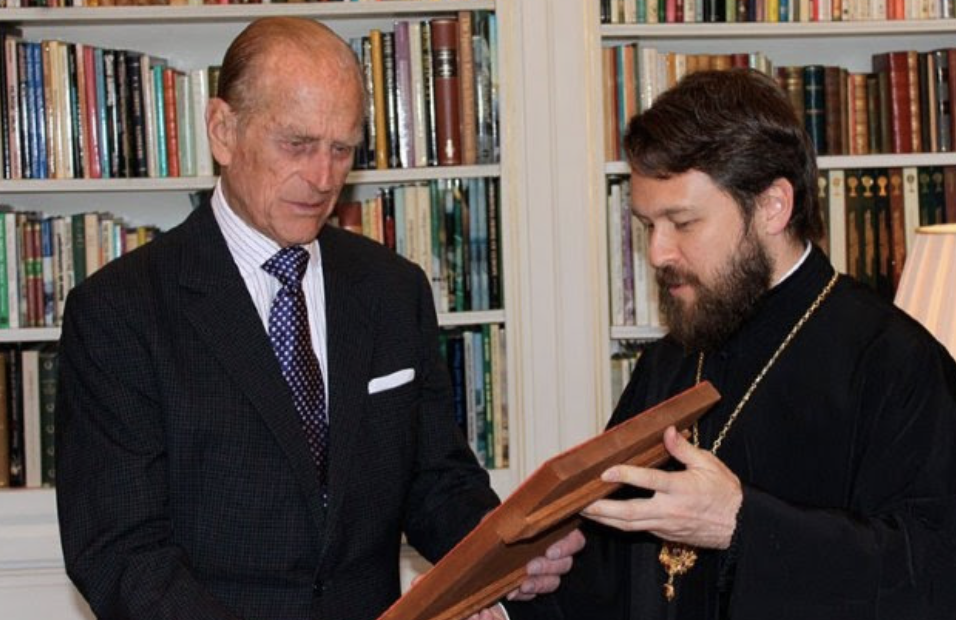
News consumers who dug into the fine details learned that Prince Philip was, in many ways, an outsider from the Greek wing of Europe’s complicated world of interlinked royal families. He was an Orthodox Christian, at least until he married Elizabeth and, on bended knee, honored her as the leader of the Church of England. He befriended Anglican clergy and was known to confront priests for intense discussions after their sermons.

Something else was going on as the prince aged and matured. There were signs that, spiritually, he was seeking the roots of his faith and his family.
Please respect our Commenting Policy

Obvious question: Maybe Christian faith played a role in the Scott Drew and Baylor hoops story?

Obvious question: Maybe Christian faith played a role in the Scott Drew and Baylor hoops story?

Frankly, I am not the most enthusiastic of Baylor University alums (I once passed up a request to apply for a faculty slot by telling the president that I had already died once in Waco wasn’t anxious for a reprise).

Still, you didn’t think that the Baylor basketball team was going to win the national championship (after being a favorite in the COVID-canceled 2020 dance) without a word of comment here? I mean, I have heard from other Baylor grads who worked their way through lots of the mainstream news coverage of the March Madness finale while thinking “ghost,” “ghost,” “another religion ghost.”

Yes, this was the Texas Baptists vs. Jesuits matchup that hoops fans wanted. And then you had the simple reality that Baylor (for better and for worse) is the world’s most prominent Baptist academic institution.

But how could the press ignore or short-change the fact that the story of coach Scott Drew and his underdog Bears was packed with valid religion facts and themes? Would all fans care that Final Four MVP Jared Butler teaches a Sunday School class for little kids? Probably not. But millions of people would.

But they key to everything was this big question: Why was Drew at Baylor in the first place? Why did he pack up and head to Waco 18 years ago, when the program was dead, dead, dead or worse. Here’s the top of a long CBS Sports feature: “Scott Drew never let others change his story, path or program, and that's how he led Baylor to its first title.”

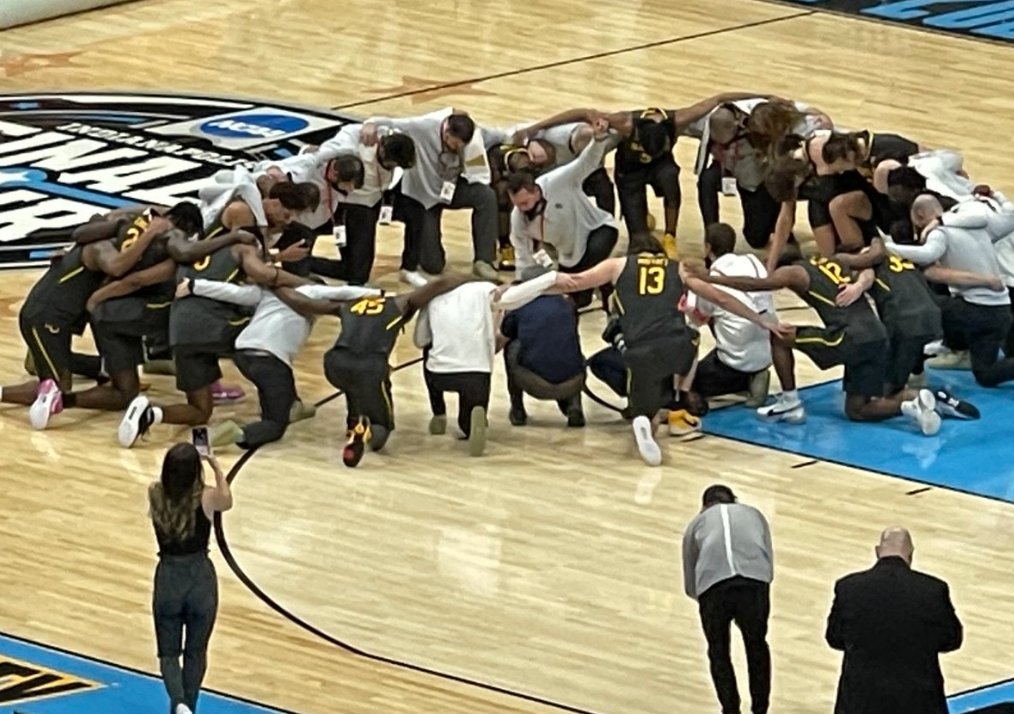
Leaping into the arms of his staff. College basketball's happiest coach on his happiest night. When it was over, Drew brought everyone into a huge circle on the court. They kneeled and said a prayer.

The greatest program reinvention in men's college basketball history was complete.

Drew took the Baylor job in 2003 when the program was near disintegration. The job Drew's done at Baylor in the 18 years since -- impressive is an understatement. There was no set of instructions when he got there, because there wasn't even a drawer to put them in. This was not a rebuild; what Baylor could be, in 2003, was a figment of Drew's imagination.

Drew is described in all kinds of upbeat, but strange, ways. This is one happy, upbeat, positive-thinking weirdo. Does it matter that, when he describes his bond with Baylor, he talks in terms of Christian faith, family and a sense that God called him to this job? Is that part of this national news story, just because Drew says so and there is tons of evidence that he means it?


Please respect our Commenting Policy

Season 2 of 'The Chosen' arrives on TV screens on Easter. Where was the news coverage?

Season 2 of 'The Chosen' arrives on TV screens on Easter. Where was the news coverage?

Back in the day when I was covering religion fulltime, I always knew I could score a front page story if I prepared a large feature for Easter Sunday. That was always the day that my editors were looking for “something religious” to please the church-attending readers. Other reporters did this as well, as it was one of the few days in the year that our work could shine.

Lots has changed, obviously, judging from the front pages of some of the newspapers I perused this past Easter Sunday. My former employer, the Houston Chronicle, had nothing local. Ditto for the Los Angeles Times, Seattle Times, Oregonian and even the Salt Lake Tribune –- usually reliable to at least run something Latter-day Saint related — came up short.

One bright light: Up river from the Oregonian, the Vancouver Columbian ran a huge spread Easter Day on St. Luke Productions, a Catholic theater company (that I’ve written about here and here) that’s based in southwest Washington and travels the country doing amazing portrayals of Catholic saints. See, it can be done.

A few outlets ran a pope-observes-Easter wire story from the Associated Press, but that was it. I looked at the Washington Post, which had a bit more, including a story about a local church opening up for the first time since COVID-19 started plus a piece on how pandemic-ravaged Italy is observing Easter.

The New York Times ran a mishmash of opinion pieces, including one from an English prof who wasn’t sure if Jesus had resurrected or not and one from a prof from Wheaton College urging readers to remember Easter is more than a spring celebration. There was a jewel of a piece on Jesus’ wounds and — in the Times wedding section — a beautifully photographed story about a Nigerian-American couple whose first kiss was on their wedding day. The story was snark free; a true Easter miracle.

I know it’s a challenge to come up with original Easter (and Passover) story ideas year after year, but it can be done and many of us did it.

Most of the religion content I saw yesterday was relegated to the opinion pages and kept away from news content, which is a troubling shift from religion-as-news to religion-in-the-realm-of-feelings. There’s plenty of the former available, but where’s the will to dig out those stories, especially the biggest one that happened yesterday that no one reported on?

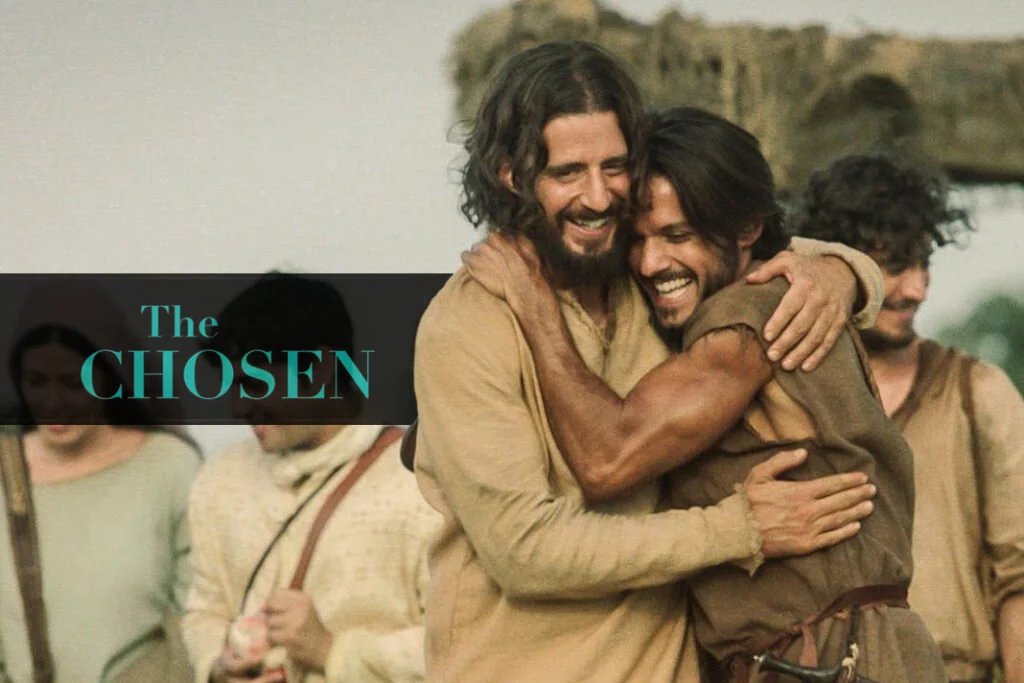
That was the premiere of Season 2 of filmmaker Dallas Jenkins’ very successful “The Chosen” TV series. It’s the first multi-season TV series about the life of Christ, and 74,346 people raised $10 million for Season 1, which came out last year. That amount made “The Chosen” the largest crowdfunded media project –- ever.


Please respect our Commenting Policy

Inspiring Easter feature idea sent aloft by (what are the odds?) producers at MSNBC

Inspiring Easter feature idea sent aloft by (what are the odds?) producers at MSNBC

Most media consumers will think of MSNBC as a heavy-breathing, politically and socially liberal cable television news operation — 24/7/365. Nor, so far as The Guy knows, has it shown much interest in religion coverage.

So it was quite the eyebrow-raiser when the March 11 edition of "Morning Joe" aired a relatively long and serious discussion of a theme that journalists may want to grab if they're looking for a promising Easter feature idea.

Adding to the surprises, MSNBC located and featured two intelligent evangelical Protestant leaders of the sort who all too rarely get air time on cable news networks, whether liberal or conservative.

One of this era's most successful pastors, the Rev. Timothy Keller of New York City, appeared to chat about his newly released book "Hope in Times of Fear: The Resurrection and the Meaning of Easter" (Viking). Joining him was journalist-attorney David French of TheDispatch.com, booked this time not as a #NeverTrump scribe but to undergird Keller's case for why modern people can believe in Jesus Christ's literal resurrection and what this means for them.

Adding to the drama, Keller mulled his simultaneous publication of one of those must-read articles, a very personal account for The Atlantic about writing an objective book on life and death during a year when he was coping with his own fatal diagnosis of pancreatic cancer.

As Keller confesses, it's one thing for a pastor to try to help parishioners face terminal illness and quite another for the pastor himself to face the same. In Keller's case, it took months for questions to give way to an even sweeter appreciation of life and of faith.


Please respect our Commenting Policy

Spot the theology issue: Top hymns of a year in which COVID-19 touched everything

Spot the theology issue: Top hymns of a year in which COVID-19 touched everything

It's a hymn that the faithful start singing whenever a Baptist church organist plays the opening chords -- because everyone knows it by heart.

All together now: "When peace like a river attendeth my way. When sorrows like sea billows roll. Whatever my lot, Thou hast taught me to say. … It is well, it is well, with my soul."

Chicago attorney Horatio Spafford wrote those words after losing his son to scarlet fever and then, a few years later, all four of his daughters in an 1873 shipwreck. His wife, Anna, survived and her telegram home from England began: "Saved alone. What shall I do?"

No one should be surprised that worship leaders frequently turned to "It Is Well With My Soul" as their people wrestled with the coronavirus pandemic, said the Rev. Roger O'Neel, who teaches in the worship and music program at Cedarville University in Ohio.

"People were feeling their way in 2020," he said. "It wasn't just the pandemic and people being locked down worshipping in (online) streamed services. We were also facing all the bitter political conflicts in our nation and the racial divisions that we were experiencing. …

"People were trying to find hymns that would speak to all of that, to the pain that everyone felt last year."

Faithlife, a Bellingham, Wash., company that publishes online worship and Bible study tools, recently released a report covering 2020 trends spotted in its Proclaim software. "It Is Well With My Soul" topped the hymns list, with usage increasing 68% after the pandemic hit.

The classic hymn "Great Is They Faithfulness" came next, with a 64% increase. It begins: "Great is Thy faithfulness, O God my Father, there is no shadow of turning with Thee; Thou changest not, Thy compassions, they fail not. As Thou hast been, Thou forever wilt be. Great is Thy faithfulness! … Morning by morning new mercies I see; All I have needed Thy hand hath provided -- great is Thy faithfulness, Lord, unto me."


Please respect our Commenting Policy

NFL leap of faith? Indy Colts coach is an ordained minister; his QB is a strong believer

NFL leap of faith? Indy Colts coach is an ordained minister; his QB is a strong believer

Here is a trivia question for (the few) GetReligion readers who follow sports, and professional football in particular.

Name the only head coach in the National Football League who is a (a) former pro quarterback, (b) an ordained minister and (c) the former head of a seminary?

Yes, I am not making up that last detail. The answer? That would be (the Rev.) Frank Reich of the Indianapolis Colts.

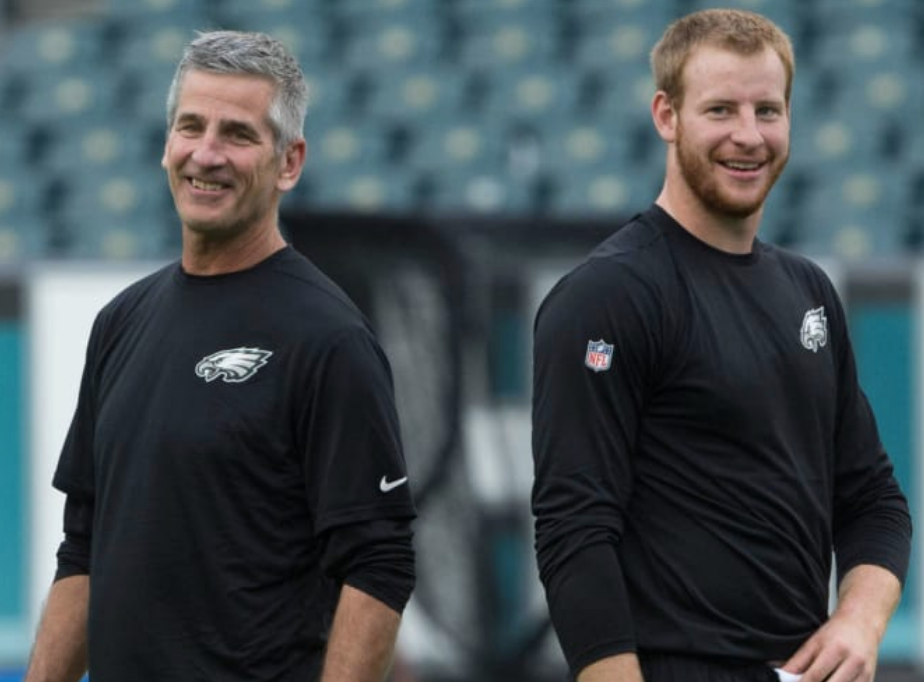
Now, there is another reason that I brought up Reich and his unique resume (see this Baptist Press piece by Tim Ellsworth, one of my former students in Washington, D.C.), including his service as president of Reformed Theological Seminary in Charlotte, N.C.

The big NFL story, these days, is the unusually high number of big name quarterbacks who are either on the move or asking (or hinting) that they would like to move to other teams. The first big domino to fall in this story was Carson Wentz moving from the Philadelphia Eagles to the Colts.

Wentz should be in the prime of his career, but had an epic slump in 2020, a collapse that was clearly mental and emotional, as well as physical. As many pundits and journalists noted, Wentz hadn’t really been at the top of his game since he lost the quarterback coach — that would be Reich — who helped him become a potential superstar.

ESPN noted that the Colts are:

… banking on their present -- and future -- with Wentz to solve what has unfortunately been a revolving door at quarterback in Indianapolis over the past few years. …

The person responsible for ensuring Wentz is the answer for the Colts?

Reich.

The coach is putting his reputation on the line by believing he can get Wentz, who was his quarterback when he was the offensive coordinator in Philadelphia, back to the level when he was considered an MVP contender before a season-ending knee injury in 2017. …


Please respect our Commenting Policy

It was hard to edit God out of Cicely Tyson's epic story, but some journalists gave it a try

It was hard to edit God out of Cicely Tyson's epic story, but some journalists gave it a try

It was hard to listen to Cicely Tyson talk about her life without recognizing the strong undercurrent of Christian faith in her words, deeds and also in her art. While remaining a proud, private, dignified woman, her faith was not something that she tried to hide.

The question here at GetReligion, of course, was whether any of that imagery and information would make it into the news coverage surrounding her death at the age of 96.

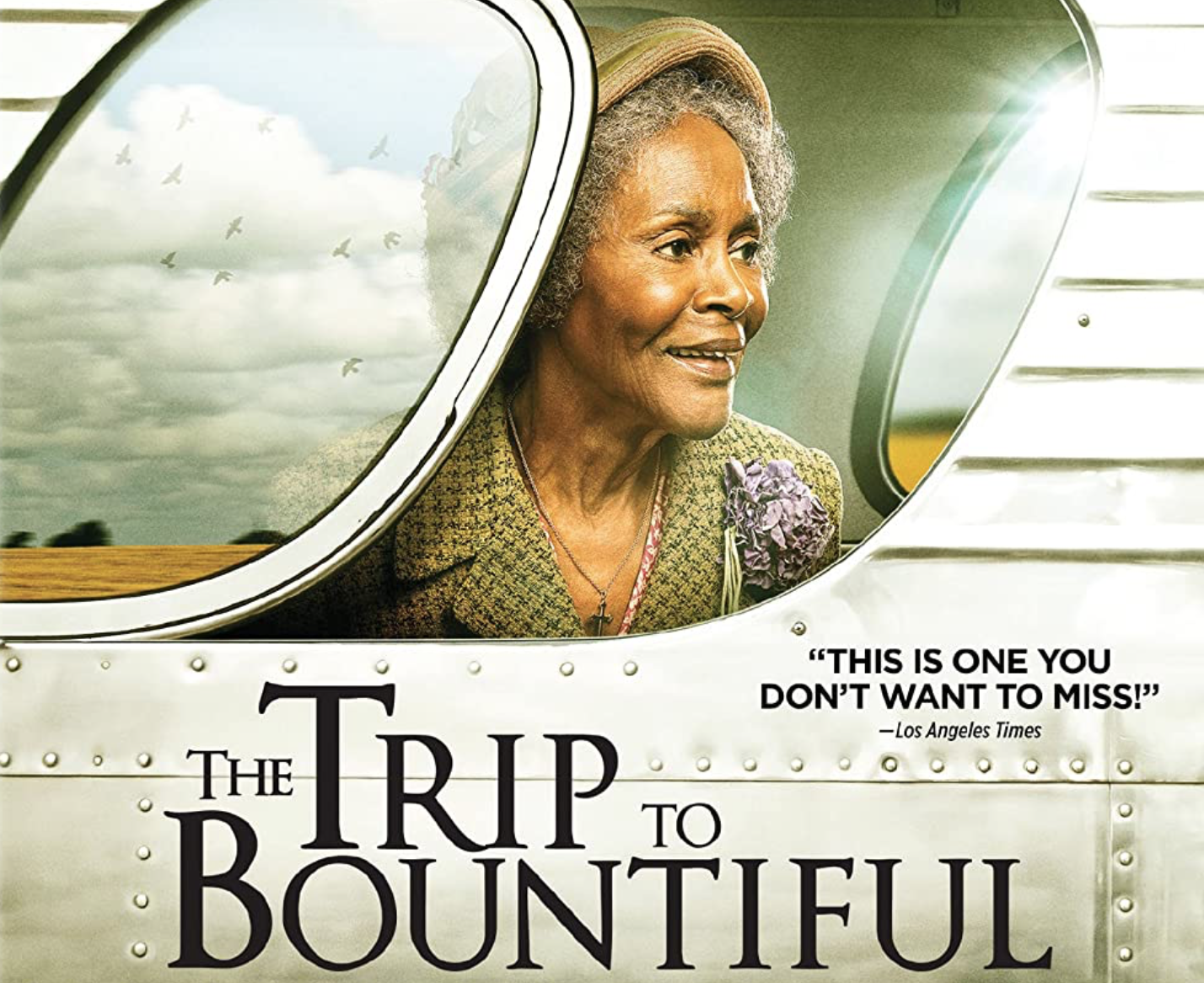
The answer was, of course, “yes” and “no.” Many of the obituaries mentioned her Tony-winning return to Broadway in 2013, at the age of 88, to play the unstoppable matriarch in Horton Foote’s classic, faith-driven play, “The Trip to Bountiful.” The show-stopping moment, night after night, was when Tyson would sing — joined by many in the audience — the classic hymn “Blessed Assurance.” It’s hard to avoid the content of lyrics such as these:

Blessed assurance, Jesus is mine; Oh, what a foretaste of glory divine!
Heir of salvation, purchase of God; Born of His Spirit, washed in His blood.

This is my story, this is my song, Praising my Savior all the day long.

If you were looking for the faith-free version of Tyson’s life, the natural place to turn was The New York Times.

This story did a great job of capturing her impact on American culture, especially in terms of the sacrifices she made to portray African-American life with style, power and dignity. Here are two crucial summary paragraphs on that essential theme:

In a remarkable career of seven decades, Ms. Tyson broke ground for serious Black actors by refusing to take parts that demeaned Black people. She urged Black colleagues to do the same, and often went without work. She was critical of films and television programs that cast Black characters as criminal, servile or immoral, and insisted that African-Americans, even if poor or downtrodden, should be portrayed with dignity.

Her chiseled face and willowy frame, striking even in her 90s, became familiar to millions in more than 100 film, television and stage roles, including some that had traditionally been given only to white actors. She won three Emmys and many awards from civil rights and women’s groups, and at 88 became the oldest person to win a Tony, for her 2013 Broadway role in a revival of Horton Foote’s “The Trip to Bountiful.”

But the only reference to her Christian faith — negative, of course — came in this bite of biography:


Please respect our Commenting Policy

The role that religion played in shaping President Donald Trump's stunning last stand

The role that religion played in shaping President Donald Trump's stunning last stand

“Is it possible to be astonished and, at the same time, not surprised?”

A colleague recalled that quote — by fictional President Josiah Bartlet on a 2005 episode of the Emmy Award-winning political drama “The West Wing” — as a real-life mob of Donald Trump supporters stormed the U.S. Capitol on Wednesday.

A Capitol Police officer this morning became the fifth person to die as a result of the insurrection.

How does religion figure in the tragic last stand of the nation’s conspiracy theorist-in-chief?

Let us count the ways, as highlighted by Religion Unplugged contributors:

• As thousands of protesters gathered outside the Capitol building claiming election fraud, some installed a giant wooden cross on the lawn, Hamil R. Harris notes.

• Others in the crowd carried flags and banners with Christian symbols and messages such as “Jesus Saves.” Kimberly Winston explains the history behind the array of flags.

• Christian leaders — some of whom have backed President Donald Trump because of his anti-abortion stance — condemned the pro-Trump mob and called for peace, Jillian Cheney reports.

In other noteworthy coverage, Religion News Service’s Jack Jenkins explores the “two forms of faith on display” amid the chaos. The Atlantic’s Emma Green weighs in on “Storming the Capitol for God and Trump.”

Another must read: Houston Chronicle religion writer Robert Downen interviews Southern Baptist leader Albert Mohler, who says he’s “genuinely shocked and horrified” by what happened Wednesday but stands by his Trump vote. (Click here for the GetReligion post and podcast about that piece and Mohler’s own podcast on the topic.)

Looking ahead, President-elect Joe Biden has invited Jesuit priest Leo O'Donovan, former president of Georgetown University, to deliver the invocation at Biden’s Jan. 20 inauguration, the National Catholic Reporter’s Christopher White reports.

Power Up: The Week’s Best Reads

1. ‘Only in America’: Raphael Warnock’s rise from poverty to U.S. senator: Associated Press writer Russ Bynum profiles the progressive reverend who — as explained by Religion News Service’s Adelle M. Banks — plans to remain senior pastor of his Atlanta church.


Please respect our Commenting Policy

Thinking about, and with, Al Mohler: America's 'ordered liberty' was set afire -- by Trump

Thinking about, and with, Al Mohler: America's 'ordered liberty' was set afire -- by Trump

If you have followed the divisions inside the Southern Baptist Convention since 1979, or even earlier, you know this name — R. Albert Mohler, Jr. He was — for some — a L’enfant terrible among the conservatives in the early biblical inerrancy wars who (like him or not) grew, as president of Southern Baptist Theological Seminary, into one of the most important Southern Baptist voices of the late 20th and early 21st centuries.

It would be hard to describe the degree to which many Southern Baptists in the defeated “moderate” establishment detest Mohler, for a variety of theological, cultural and political reasons. At the same time, in the Donald Trump era, there are many in the ranks of far-right Southern Baptist life who view him as a traitor or even “politically correct.”

This is not an easy era in which to lead conservative religious institutions, even those with clout and many supporters. And it’s crucial to know that Southern Baptists leaders were, like evangelical leaders in general, sharply divided on whether to support the rise of Trump in 2015-2016. (Click here for the GetReligion typology describing six different evangelical views of Trump.)

Out of the tsunami of important statements by religious leaders following the U.S. Capitol riot, I have selected — as this weekend’s “think piece” — two articles by and about Mohler, Trump and the hellish scenes of January 6th. The first is a Houston Chronicle interview with Mohler by Robert “wut is happening?” Downen, an emerging religion-beat force in Texas and American in general. The headline: “Evangelical leader Albert Mohler says he’s horrified by chaos at Capitol, but stands by Trump vote.”

Downen notes that:

Mohler is the longtime president of the Southern Baptist Convention’s flagship seminary in Louisville, Ky., and is a contender to lead the SBC when the faith group elects a new president in June.

The evangelical leader has forcefully condemned Trump over the last half-decade, characterizing him as a sexual predator at one point and, after Trump clinched the Republican Party nomination in 2016, Tweeting simply: “Never. Ever. Period.”


Please respect our Commenting Policy