Religious Liberty

Concerning evangelical elites, Donald Trump and the press: The great crack-up continues

Concerning evangelical elites, Donald Trump and the press: The great crack-up continues

Ah, yes, those omnipresent American evangelical Protestants.

Love ‘em or hate ‘em, the media can't avoid ‘em. And in case anyone doubts media fascination, consider last Sunday's episode of NBC's influential, anachronistically-named gabfest "Meet the Press."

In the midst of a hyper-clogged October political agenda, the show devoted a major segment to what host Chuck Todd called "the debate among evangelicals about Donald Trump and whether he represents their values." Click here for the transcript. This was excerpted from a 30-minute piece that's streaming on Peacock.

The segment led off with a visit to the nondenominational, independent Patriot Church outside Knoxville, where the Ken Peters averred: "I think President Trump is a miracle. I think God picked Donald Trump, an imperfect vessel, to be the champion of His people." This is a congregation that has inspired almost as many headlines as it has members.

Yes, Pew Research tells us Trump scored 84% with white evangelical voters in 2020. But politicized preacher Peters is hardly representative of the sprawling and diverse network of evangelical clergy, churches, denominations, campuses and agencies.

An older-style evangelical pastor, the Rev. Phil Nordstrom of Knoxville's Life Church, told NBC that "we're trying to not fight the culture wars from the pulpit." Todd then interviewed the Rev. Russell Moore, former Southern Baptist social-issues spokesman turned "public theologian" at Christianity Today magazine, who fretted over Trump-era politicization of the evangelical image.

A prior Guy Memo weighed the possibility that a newsworthy evangelical crack-up is upon us, while another Memo focused on the related Donald Trump political angle. Now there are further developments.

In case journalists are gathering string for a broad state-of-the-evangelical-union article, The Guy looked for perspective in a real period piece from 1977, our Time magazine Christmas cover story, "That Old Time Religion: The Evangelical Empire."

Now this feature was written just before the advent of Jerry Falwell's Moral Majority, Ronald Reagan's presidency, Pat Robertson's Christian Coalition and presidential run, the rightward doctrinal lurch by the Southern Baptist Convention, the rise of anti-abortion militancy and all the rest that would gobble up headlines in succeeding decades.

Please respect our Commenting Policy

Plug-In: Clashes between religion and COVID-19 vaccines are (#DUH) not fading away

Plug-In: Clashes between religion and COVID-19 vaccines are (#DUH) not fading away

Where to begin this week?

“As they impose COVID-19 vaccine mandates, company leaders across the country are facing a flood of requests for religious exemptions,” the Deseret News’ Kelsey Dallas reports in a story explaining how employers judge such requests.

“As the Biden administration prepares a federal vaccine mandate and more states and companies impose them to help accelerate the pandemic's end, letter-writing efforts by religious leaders (supporting exemptions) are being reinforced by legal advocacy groups such as Liberty Counsel,” according to Reuters’ Tom Hals.

“The prelate who oversees Catholics in the U.S. military issued a statement Tuesday (Oct. 12) supporting service members who have refused to get vaccinated against COVID-19 on religious grounds,” Religion News Service’s Jack Jenkins notes.

Here we go again.

For the seventh time in the last year (yes, I counted), news of religion and the COVID-19 vaccines tops the latest Weekend Plug-in. See previous installments here, here, here, here, here and here.

Why does Plug-in keep focusing on this subject? Because it remains major news. And it likely will for a while.

Here are a few more related stories that caught my attention this week:

Latino Catholics are among the most vaccinated religious groups. Here’s why. (by Alejandra Molina, RNS)

‘It’s not Satanism’: Zimbabwe church leaders preach vaccines (by Farai Mutsaka, Associated Press)

The pandemic has helped religion’s reputation. Do religious vaccine resisters put this progress at risk? (by Kelsey Dallas, RNS)


Please respect our Commenting Policy

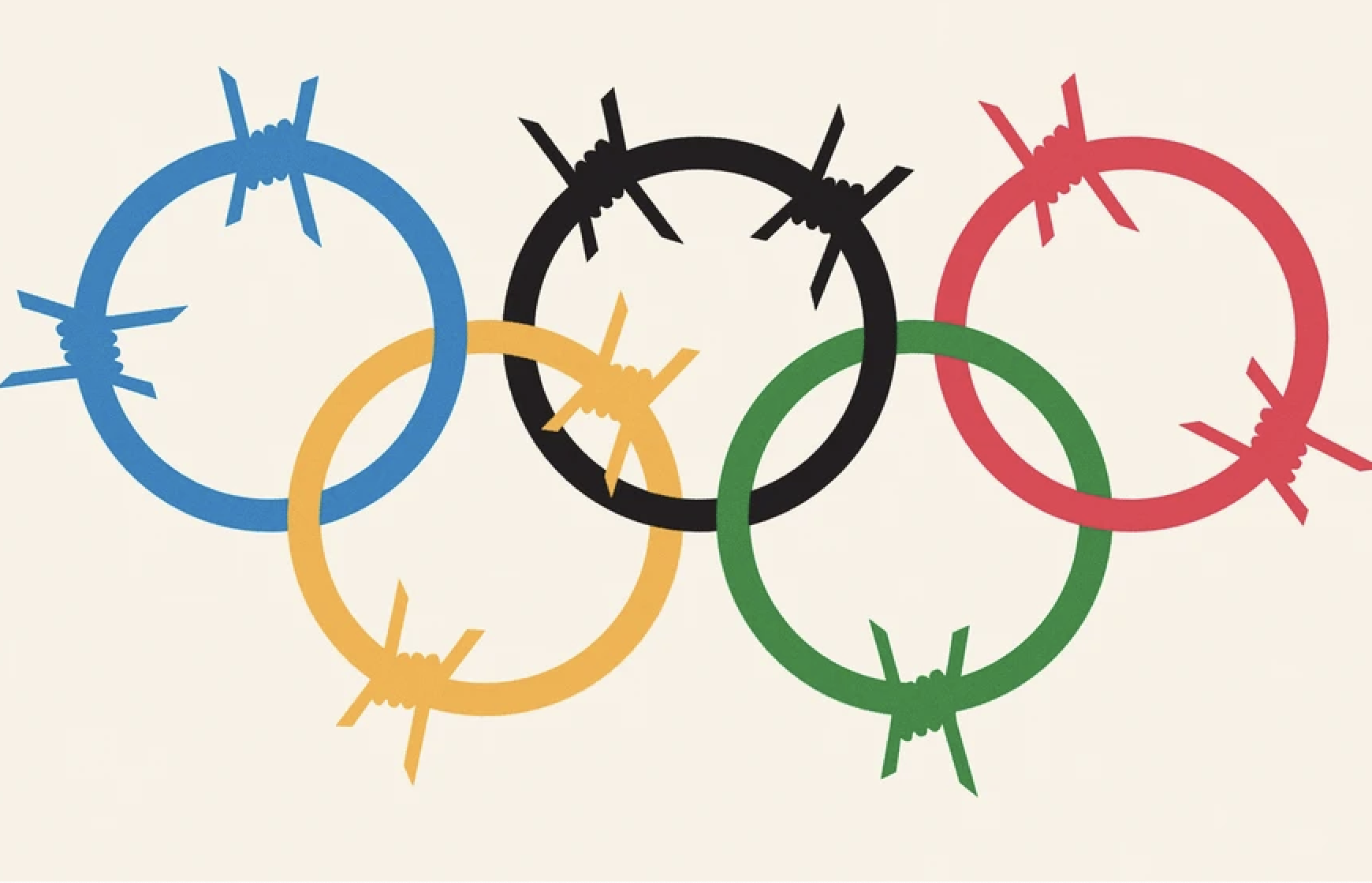
Berlin 1936. Beijing 2022. Must China's Uighurs play the role Jews did in Hitler Olympics?

Berlin 1936. Beijing 2022. Must China's Uighurs play the role Jews did in Hitler Olympics?

It should be evident to all paying attention that the 2022 Beijing Winter Olympics will proceed as planned. Forget the meager protests against China’s cruel and immoral treatment of its own. The bad guys appear to be on the verge of another power-play victory.

Never mind the plight of China’s Uighur Muslims, underground Christian churches, Tibetan Buddhists and all the other groups the Beijing government labels a political threat. They’re of no lasting concern to the international elite who are quick to issue public condemnations, but oh so slow when it comes to follow up.

China’s political power — a byproduct of its enormous economic strength — is just too much to counter. And Beijing’s despotic leaders darn well know it.

This recent Associated Press article — “Beijing Olympics open in 4 months; human rights talk absent” — underscores the point. These opening graphs summarize the story quite well. They're also a reminder of the efficacy of traditional wire journalism’s inverted pyramid style. This piece of the story is long, but essential:

When the International Olympic Committee awarded Beijing the 2008 Summer Olympics, it promised the Games could improve human rights and civil liberties in China.

There is no such lofty talk this time with Beijing’s 2022 Winter Olympics — the first city to host both the Summer and Winter Games — opening in just four months on Feb. 4.

Instead, there are some calls for governments to boycott the Games with 3,000 athletes, sponsors and broadcasters being lobbied by rights groups representing minorities across China.

IOC President Thomas Bach has repeatedly dodged questions about the propriety of holding the Games in China despite evidence of alleged genocide, vast surveillance, and crimes against humanity involving at least 1 million Uyghurs and other largely Muslim minorities. Tibet, a flashpoint in the run up to 2008, remains one still.

“The big difference between the two Beijing Games is that in 2008 Beijing tried to please the world,” Xu Guoqi, a historian at the University of Hong Kong, said in an email to The Associated Press. “In 2022, it does not really care about what the rest of the world thinks about it.”


Please respect our Commenting Policy

What was the goal of Gov. Kathy Hochul's 'God gave us the vaccine' sermonette?

What was the goal of Gov. Kathy Hochul's 'God gave us the vaccine' sermonette?

In an age in which satire and news often overlap, it was hard to know what to make of this headline: "New York Atheists Claim Religious Exemption From Vaccine After Governor Claims That It's From God."

This was satire, care of the Babylon Bee website. But the barbed humor focused on real quotes from the governor of New York that raised eyebrows on the cultural left and right.

"We are not through this pandemic," said Gov. Kathy Hochul, at a New York City megachurch. "I prayed a lot to God during this time and you know what -- God did answer our prayers. He made the smartest men and women, the scientists, the doctors, the researchers -- he made them come up with a vaccine. That is from God to us and we must say, thank you, God. ...

"All of you, yes, I know you're vaccinated, you're the smart ones. But you know there's people out there who aren't listening to God. ... I need you to be my apostles. I need you to go out and talk about it and say, we owe this to each other. We love each other."

Clearly, the governor said, getting vaccinated was the best way to obey God in this crisis.

Writing at The Friendly Atheist website, Beth Stoneburner argued that this was not the kind of church-state sermonette that should trouble atheists and other secularists.

"Is it a speech that atheists will appreciate? Probably not," she noted. "But as far as a politician using the language of faith to reach an audience that desperately needs to get vaccinated -- but might not because other prominent Christians are feeding them lies -- it's arguably effective."

If this blast of God-talk from a Democrat "helps Christians get vaccinated when some of them might choose otherwise, then perhaps that outweighs any criticisms people may have of her speech," said Stoneburner.

At the same time, Hochul's explicitly Christian remarks on vaccines drew little or no news coverage, as opposed to the media firestorms that often greet faith-based statements by Republicans attempting to win the support of conservative Christians in similar settings.


Please respect our Commenting Policy

New podcast: Yes, New York's governor urged church folks to be her 'apostles' backing vaccines

New podcast: Yes, New York's governor urged church folks to be her 'apostles' backing vaccines

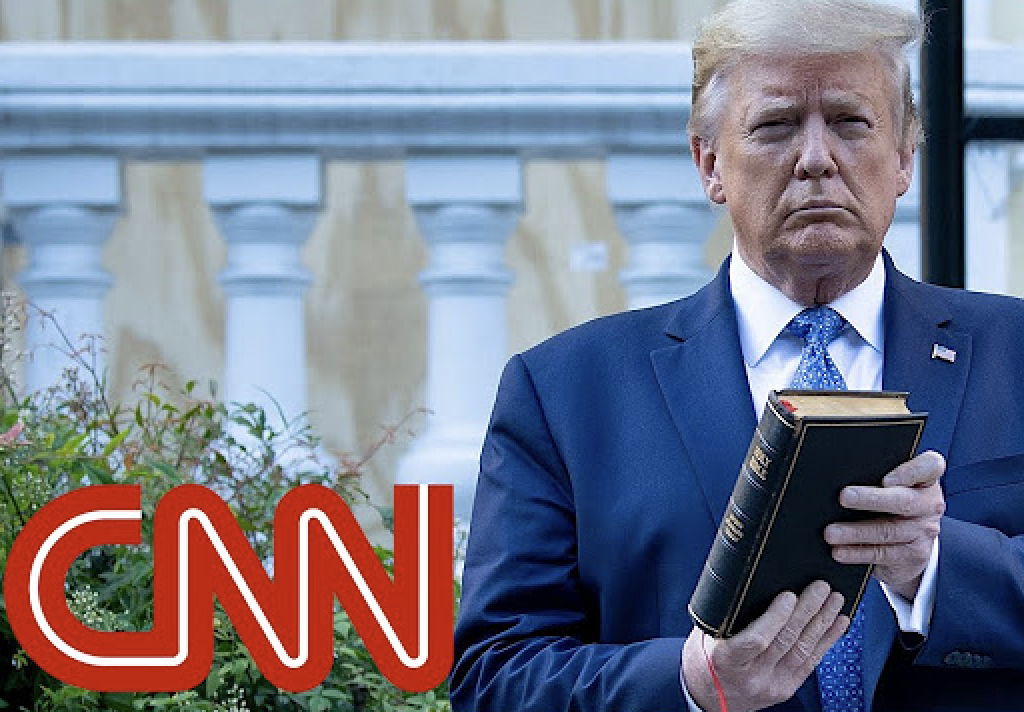
Hey news consumers, remember that time when President Donald Trump stood in front of a church (sort of in an urban war zone), held up a Bible and the world went nuts?

Chances are good that you heard about it. However, as a refresher, here are 66,100,1000 Google references to this incident, as well as as an imperfect collection of other Trumpian news involving the word “Bible.”

Or remember that time when Trump — long-time member of the liberal Presbyterian Church (U.S.A.) and probably, in terms of private life, one of the most secular presidents in American history — went to Liberty University to court evangelicals and said this (care of an NPR report):

"We're going to protect Christianity. I can say that. I don't have to be politically correct," he thundered at the beginning of his speech at the conservative evangelical university.

Then he moved on to cite "Two Corinthians 3:17, that's the whole ballgame. ... Is that the one you like?" Trump asked. "Now the Lord is that Spirit: and where the Spirit of the Lord is, there is liberty."

Over at Google, there appear to be a mere 2,380,000 references to this “Two Corinthians” incident.

Truth is, politicians often say and do strange things while courting support in religious settings that are way outside their own cultural comfort zone.

This brings us to this week’s “Crossroads” podcast, which focuses on the coverage — actually, the lack of coverage — of the recent visit that New York Gov. Kathy Hochul paid to the Christian Cultural Center, a massive and very influential predominantly African-American megachurch in Brooklyn. Click here to get that podcast, or head over to Apple Podcasts.

Now, there was more to this political-religious event than the hilarious typo in the rushed transcript of the governor’s remarks produced, apparently, by a staff member. Check out the opening words here: “The phrase be to God, this is the day the Lord has made. Amen, amen.”

Let’s assume that the governor actually said “praise be to God.”


Please respect our Commenting Policy

Bonus podcast: 'What's next in Afghanistan?' Warning: this news topic involves religion

Bonus podcast: 'What's next in Afghanistan?' Warning: this news topic involves religion

Here is a truth claim that, over the years, I have heard (or seen) stated in a number of ways by journalists and mass-media professors: Without strong, or at least adequate, visual images a story doesn’t exist in television news.

Yes, there are exceptions. But the exceptions almost always take place when big stories break in print media and television producers are highly committed to getting them on air — somehow.

Now, in the smartphone era, there are lots of ways for visual images to emerge (ask Hunter Biden). However, in our era of partisan, niche news, it may not matter if images exist. What citizens cannot see (or read) will not hurt them?

This brings me back to a subject I addressed in this recent GetReligion essay: “What's next in Afghanistan? Press will have to face issues of religion, culture and gender.”

The big question: Where does the Afghanistan story go next and, frankly, will elite American media cover the religion elements of this story?

That question was at the heart of a recent Religion Unplugged podcast discussion that I had with a friend and, long ago, a former religion-beat colleague — Roberta Green. In recent decades, she is better known as the philanthropist and fine arts-maven Roberta Green Ahmanson (click here for a typical arts lecture).

This new podcast is entitled, “How Will Afghanistan's Next Chapter be Written?” Click here to head over to iTunes to tune that in. Meanwhile, here is a key chunk of the GetReligion essay linked to our discussion about religion, journalism, culture, politics and “nation building”:

Viewed through the narrow lens of Taliban doctrine, it doesn’t matter if Western governments were forcing open doors for the work of Planned Parenthood or Christian missionary/relief groups, the work of LGBTQ think tanks (or the American corporations that back them) or Islamic thinkers and clerics whose approach to the faith clashed with their own.


Please respect our Commenting Policy

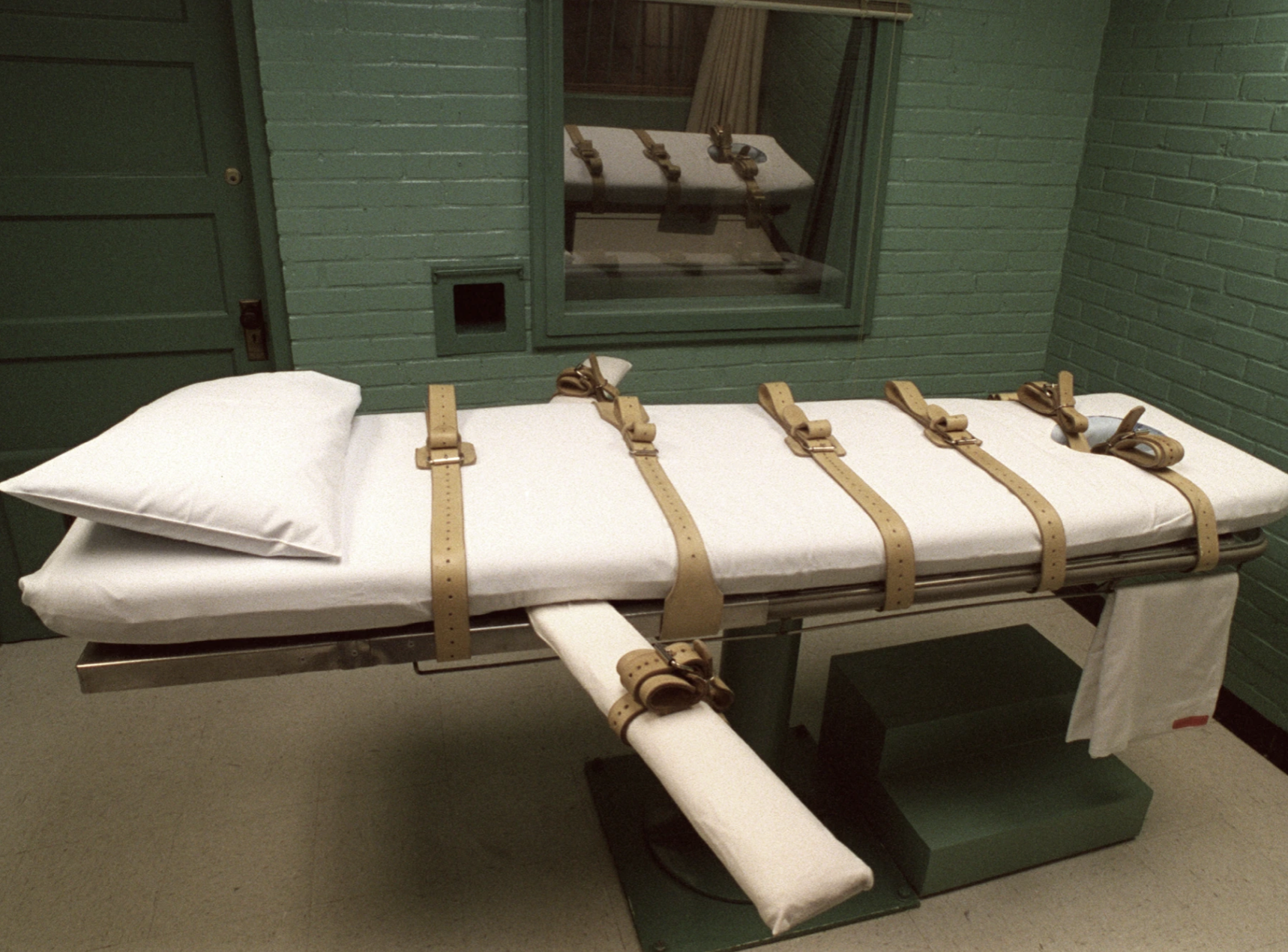
Thinking about prayers at executions: These stories offer glimpses of an old church-state unity

Thinking about prayers at executions: These stories offer glimpses of an old church-state unity

This is a “feeling guilty” post. For quite some time now, I have been planning to examine the coverage of some important religious-liberty cases that have been unfolding in the death-row units of prisons.

The decisions are worthy of coverage, in and of themselves. At the same time, these cases have demonstrated that it is still possible, in this day and age, for church-state activists on the left and right to agree on something. Maybe I should have put a TRIGGER WARNING notice at the start of that sentence.

Like I said the other day in this podcast and post — “Covering a so-called 'religious liberty' story? Dig into religious liberty history” — this kind of unity in defending religious freedom has become tragically rare (from my point of view as an old-guard First Amendment liberal). Indeed, to repeat myself, “America has come a long way since that 97-3 U.S. Senate vote to approve the Religious Freedom Restoration Act of 1993.”

The problem is that you rarely, if ever, see reporters catch this church-state angle in these decisions. The key is to look at who filed legal briefs in support of the religious liberty rights of the prisoners.

This brings me to an important Elizabeth Bruenig essay that ran the other day at The Atlantic, under this dramatic double-decker headline:

The State of Texas v. Jesus Christ

Texas’s refusal to allow a pastor to pray while holding a dying man’s hand is an offense to basic Christian values.

Here is the meaty overture:

Devotees to the cause of religious liberty may be startled to discover during the Supreme Court’s upcoming term that the latest legal-theological dispute finds the state of Texas locked in conflict with traditional Christian practice, where rites for the sick, condemned, and dying disrupt the preferences of executioners.


Please respect our Commenting Policy

Big question right now: What religious groups oppose vaccination, even during epidemics?

Big question right now: What religious groups oppose vaccination, even during epidemics?

THE QUESTION:

What religious groups oppose vaccination -- even during epidemics?

THE RELIGION GUY'S ANSWER:

Judges and public officials will be coping with the issue of vaccination mandates that President Joe Biden, states and employers are imposing to counter spread of the stubbornly contagious and virulent COVID-19 virus. This again raises the issue of religious-liberty claims for exemption from required vaccination.

Pastor Greg Locke of the independent Global Vision Bible Church in suburban Nashville has just been permanently banned from social media postings on Twitter after demanding that Christians shun vaccination (as well as preaching that Biden is a usurper and not a legitimately elected president).

Also, the Washington Post highlighted Pastor Jackson Lahmeyer of Tulsa, Oklahoma (who's running against devoutly evangelical U.S. Senator James Lankford in next year's Republican primary). Lahmeyer offers exemption letters for anyone who donates at least $1 to become an online member of his charismatic Sheridan Church. So far 30,000 supplicants have downloaded his exemption letter.

The president's new policy has already sparked a significant upswing in religious exemption requests. So, what are the facts on religious groups and opposition to vaccination?

A bit of history: Major religious objections arose with the first vaccination experiments in the American Colonies. But influential Congregationalist Cotton Mather championed scientific progress and defended smallpox experiments using adult volunteers. Eminent theologian Jonathan Edwards agreed and set an example as a vaccination volunteer when president of the school we know as Princeton University. He died as a result in 1758. Edward Jenner only achieved vaccination safety 38 years later.

Since then, official Christian or Jewish protests have generally been rare to non-existent as vaccinations are required to enter U.S. public schools, military service or particular jobs, or for foreign travel.


Please respect our Commenting Policy

New podcast: Covering a so-called 'religious liberty' story? Dig into religious liberty history

New podcast:  Covering a so-called 'religious liberty' story? Dig into religious liberty history

Believe it or not, America’s commitment to the First Amendment and religious liberty wasn’t dreamed up by the Religious Right.

However, at some point — mainly during press coverage of clashes between the Sexual Revolution and traditional forms of religion — religious liberty turned into “religious liberty” or even “so called ‘religious liberty’ ” and other language to that effect. America has come a long way since that 97-3 U.S. Senate vote to approve the Religious Freedom Restoration Act of 1993.

Now we are seeing waves of valid news coverage of religious liberty disputes linked to people seeking exemptions from mandates requiring COVID-19 vaccines. During this week’s “Crossroads” podcast (CLICK HERE to tune that in) I suggested that it would help for journalists to dig into the details of how courts have handled earlier religious liberty cases.

Consider this recent Washington Post headline, involving a White evangelical leader in Oklahoma: “This pastor will sign a religious exemption for vaccines if you donate to his church.” Here’s the overture:

A pastor is encouraging people to donate to his Tulsa church so they can become an online member and get his signature on a religious exemption from coronavirus vaccine mandates. The pastor, Jackson Lahmeyer, is a 29-year-old small-business owner running in the Republican primary challenge to Sen. James Lankford in 2022.

Lahmeyer, who leads Sheridan Church with his wife, Kendra, said Tuesday that in the past two days, about 30,000 people have downloaded the religious exemption form he created.

“It’s beautiful,” he said. “My phone and my emails have blown up.”

This minister isn’t alone in thinking this way. Here is a New York Daily News story about an African-American Pentecostal leader: “A Brooklyn preacher’s blessing is a pox upon his flock.”


Please respect our Commenting Policy