Orthodoxy

Novak Djokovic is both Orthodox and unorthodox: Why ignore faith when covering this story?

Novak Djokovic is both Orthodox and unorthodox: Why ignore faith when covering this story?

First things first. I am not a tennis fan. I don’t think I have seriously cared about the outcome of a tennis match since the late Arthur Ashe won Wimbledon in 1975.

Also, as a Baby Boomer at high risk (asthma), I have had both shots and the booster. I am currently in semi-lockdown. I wear a mask when shopping and in jammed public places. I’m one of those folks in the middle — pro-vaccine, but anti-government mandate. What about religious exemptions? As I have written here at GetReligion, that would be a complex U.S. Supreme Court case.

This brings me to the Novak Djokovic drama. I vaguely knew that he was one of the world’s top tennis players, but knew nothing about his unique — bizarre, even — beliefs about a host of medical issues.

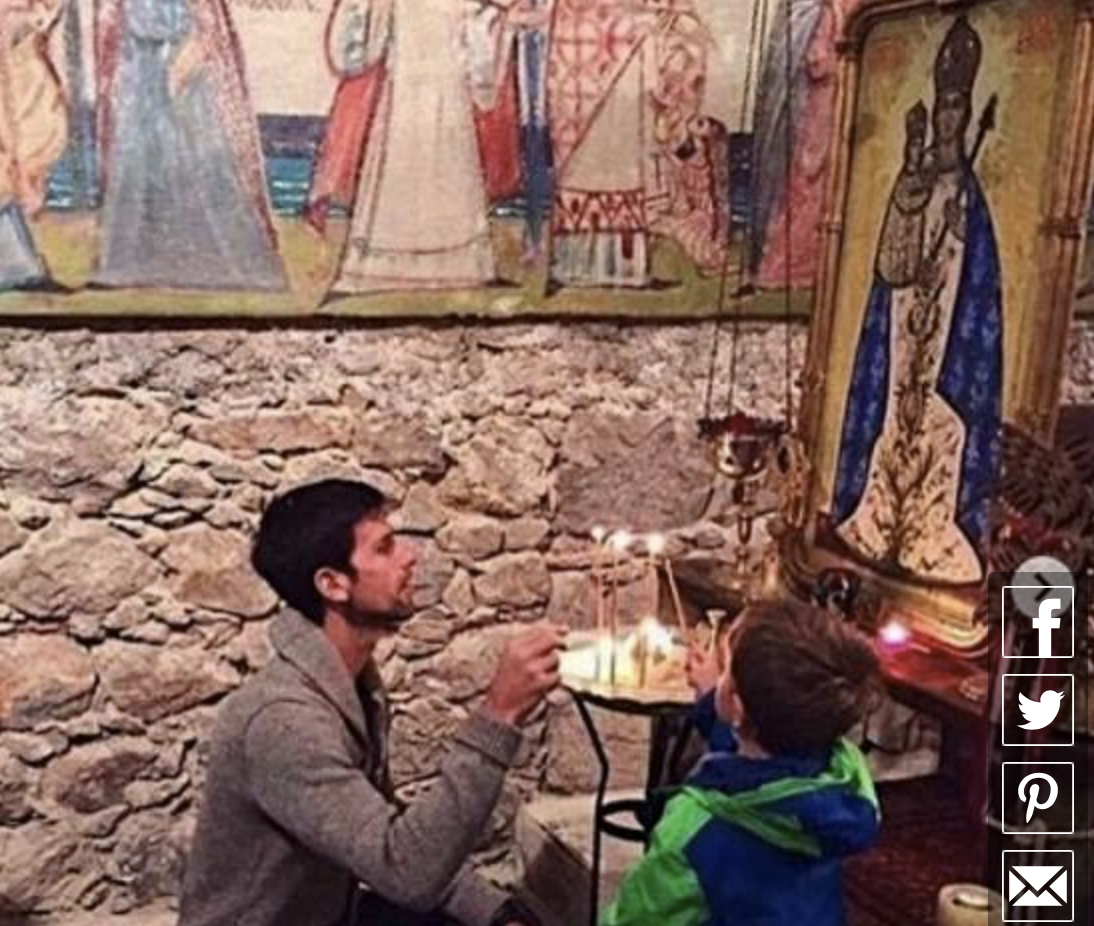
Then I saw an image that hit home for me, as an Eastern Orthodox Christian believer. It showed Djokovic doing what Orthodox parents do — helping his young son light prayer candles and venerate icons.

What follows in this post has nothing to do with whether readers think Djokovic is right or wrong, a liar or a Serbian hero, a lunatic or a misunderstood believer, of some kind of another. What I am doing here is asking a journalism question about mainstream coverage of this battle in the wider COVID-19 wars. I read the New York Times, of course, so that was where I immediately went for information.

The question: How could journalists try to tell the story of Djokovic and his opposition to COVID-19 vaccines without digging into his complex and, it seems to me, confusing set of Orthodox and unorthodox religious beliefs? Isn’t that a crucial and factual element of this story?

I am aware, of course, that anti-vaccine sentiment is present in some Orthodox circles — such as Serbia — but certainly not all (my own bishop has been very careful during the pandemic).
Please respect our Commenting Policy

Sikhs, Santas and prophets: Do beards symbolize good or bad character?

Sikhs, Santas and prophets: Do beards symbolize good or bad character?

THE QUESTION:

Santa take note: Do beards symbolize good or bad character?

THE RELIGION GUY'S ANSWER:

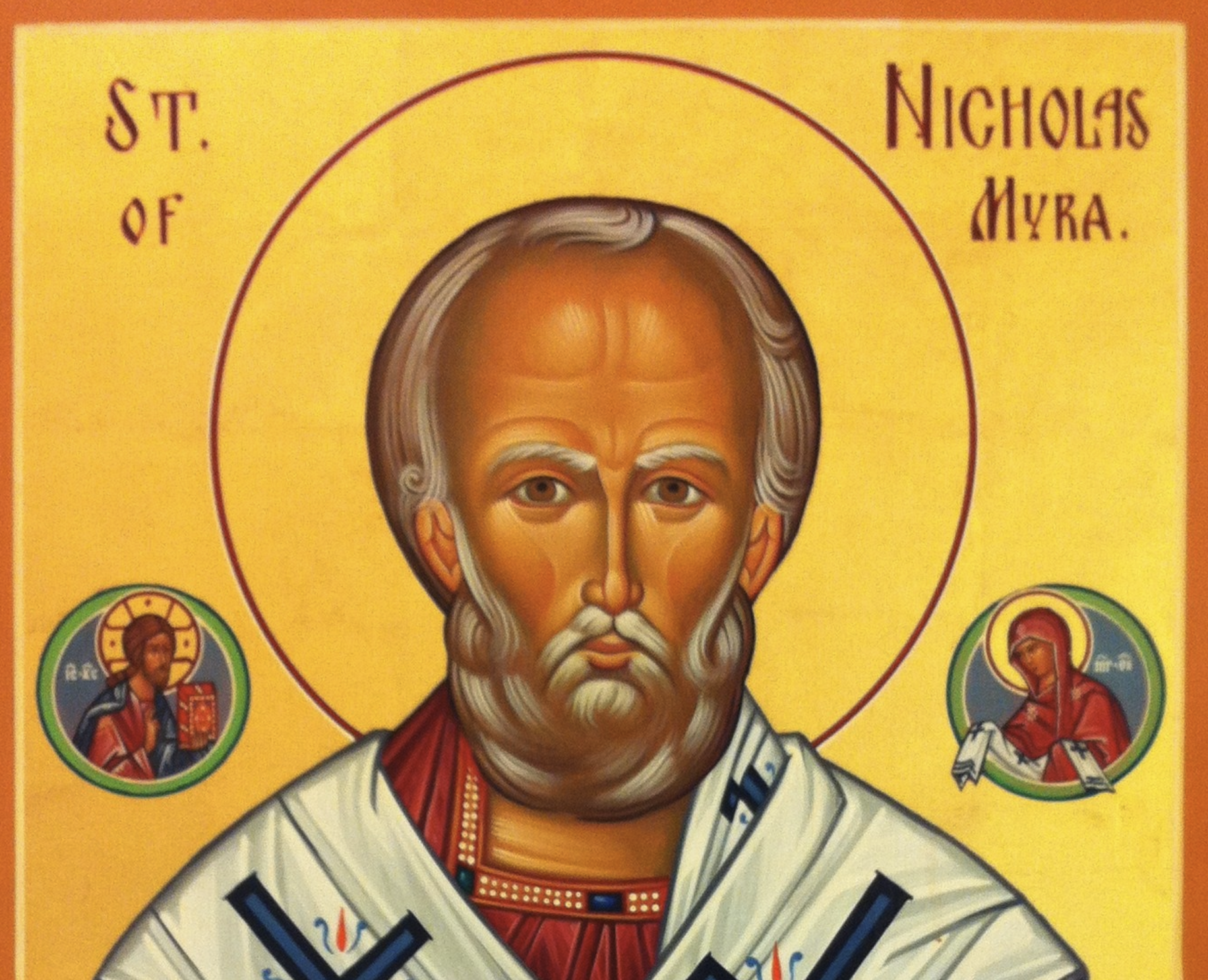
Any self-respecting Santa Claus will have actual or artificial paunch, a red suit and, perhaps most important, that luxuriant white beard. Yet notwithstanding shopping-mall Santas and St. Nicholas, as well as St. Nicholas of Myra, the bearded but monk-skinny 4th Century original, some fear that beards symbolize questionable character.

Take the New York Yankees. Please. In 1973, boss George Steinbrenner was perturbed by a player's sloppy appearance during the National Anthem and ever since no player or other employee has been allowed to have a beard or long hair "except for religious reasons." The Yankees presumably borrowed their famed appearance code from the U.S. military and police departments.

And yet. Jesus Christ is portrayed with a beard, since in the 1st Century mostly the upper crust had the time and money to bother with shaving. As for revered secular figures, Abraham Lincoln decided to become America's first bearded president for unknown reasons just after his 1860 victory (though predecessors John Quincy Adams and Martin Van Buren sported serious sideburns).

A cloud of suspicion hovers over chin whiskers in the U.S.-based Church of Jesus Christ of Latter-day Saints (nicknamed LDS and, formerly, "Mormon"). Headquarters personnel are almost always clean-shaven, and the same for young male missionary duos unless their district leader happens to allow beards.

This is not, however, a matter of doctrine.


Please respect our Commenting Policy

Painting or icon? That big hole in New York Times report on Catholic University controversy

Painting or icon? That big hole in New York Times report on Catholic University controversy

Let’s start here: There is nothing new about artists painting images of Jesus as a Black man.

A few of these images may have been controversial at the time of their creation, in part because of the political motivations of some (repeat “some”) artists. But the vast majority are clearly works of Christian devotion showing reverence for the Incarnation of Jesus Christ. For many Christians, these images are way less problematic than the omnipresent Warner Sallman “Head of Christ” painting from 1940, depicting Jesus with light, wavy hair and very European features.

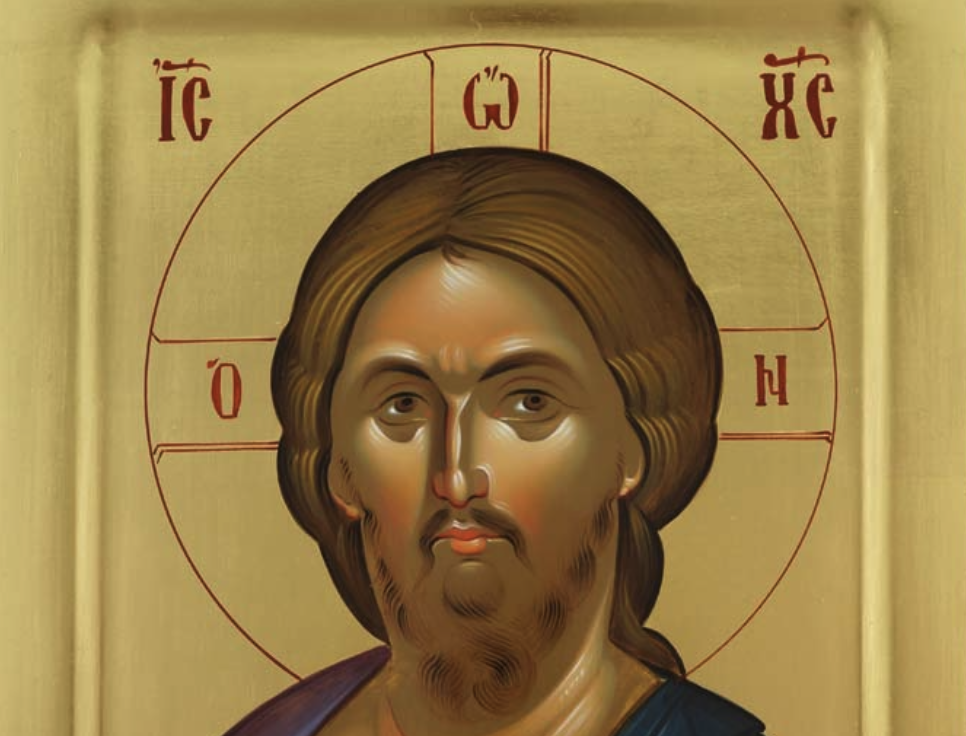
As an Eastern Orthodox Christian, the image of Jesus that I know best is the ancient Christ Pantocrator icon from St. Catherine’s Monastery at Mt. Sinai. It is a complex icon of Jesus that, well, would be hard to label as one of the “surfer Jesus” images in some contemporary churches.

This brings me to that New York Times story that ran the other day with this dramatic double-decker headline:

A Painting of George Floyd Roils Catholic University

At the Catholic University of America in Washington, conservative students called for a campus ban on further displays of an artwork that depicts Floyd as Jesus.

This story does a pretty good job of describing the timeline of this controversy — which is described as yet another clash over race, art and religion. It’s clear that, for the leaders of private schools, controversies of this kind are especially complex.

The problem, for me, is that the image in question — “Mama,” by Kelly Latimore — is consistently described as a painting based on the famous Pieta statue by Michelangelo.

Thus, what we have here is a “painting,” based on one of the most famous statues in Western Christian art, but is clearly meant to be interpreted as a holy icon in the Eastern Orthodox tradition.

Did you follow that? The journalism question here is whether the Times team did an adequate job of describing why the term “icon” — which does not appear in the story — is so important, if the goal is to understand the thinking of some of the Catholics (the story contains zero input from the Orthodox) who believe that this painting is blasphemous. Here is the overture:


Please respect our Commenting Policy

When is the Midnight Mass? All humor aside, there's history (and news) linked to this rite

When is the Midnight Mass? All humor aside, there's history (and news) linked to this rite

Once upon a time, before the creation of the Internet, there were these very, very powerful and all-knowing professionals known as “church secretaries.” Yes, I know that they have evolved into office managers and web czarinas.

But, long ago, if anyone needed to know something about church life, or really needed to reach the pastor (this is before smartphones, too), they called the “church secretary,” who basically served as an air-traffic-controller for everything happing in the church family.

Back in the 1980s, I wrote a news piece for The Rocky Mountain News (#RIP) about the question that church secretaries in Catholic parishes used to dread hearing over and over during the three or four days ahead of Christmas Eve. That question, of course, was: “When is the Midnight Mass?”

Honest. People would ask that and, truth be told, the Midnight Mass, in some parishes, doesn’t start at midnight. Hold that thought, because we will come back to it.

But this post, in the week before Christmas (for most Christians in America), is about the importance of the Midnight Mass and other Christmas Eve and Christmas services. You see, there are potential news stories here. Let’s discuss several of them, briefly.

First, there is an interesting fact that I learned long ago from the late Lyle Schaller, a Mainline Protestant maven who was an often-quoted expert on church growth and, as the Mainline world imploded, church survival. The easiest way to sum up the Christmas news angle that I learned from him is to share the top of a 2015 tribute column that I wrote about his work (“Lyle Schaller, the church fix-it man in rapidly changing times”):

All pastors know that there are legions of "Easter Christians" who make it their tradition to dress up once a year and touch base with God.

What can pastors do? Not much, said the late, great church-management guru Lyle Schaller, while discussing these red-letter days on the calendar. Rather than worrying about that Easter crowd, he urged church leaders to look for new faces at Christmas.


Please respect our Commenting Policy

New podcast: Baptisms are in the headlines, at the moment, for better and for worse

New podcast: Baptisms are in the headlines, at the moment, for better and for worse

Believe it or not, baptism is in the news.

In this case, we have some good news and some bad news.

What do you want to hear first, the good news or the bad news? In this week’s “Crossroads” podcast (click here to tune that in) we went with the good news first.

When I say “good news,” I am referring to a New York Times story that is kind of fun and contains tons of good information. However, this is a story that takes a trend in some of those giant, modernized evangelical megachurches and tries to turn it into a Big Idea piece. Hold that thought.

The headline: “Horse Troughs, Hot Tubs and Hashtags: Baptism Is Getting Wild.” Here is a big block of the thesis material:

Performing the age-old Christian ritual in a more informal style “conveys this isn’t your grandmother’s church,” said Drake Osborn, pastor of teaching and liturgy at Grace Church in Waco, Texas. His congregation moved into a former bowling alley in 2016 but never considered installing a built-in baptistery. Instead, Grace Church uses a foam model bought online for about $2,500.

The shift has taken place as many pre-21st-century symbols of church life have fallen out of fashion in evangelical culture, especially among churches that are expanding or building new facilities. Sanctuaries are now “worship centers,” and steeples and stained glass are out. Natural light is often eschewed in favor of a black-box theater aesthetic optimized for flashy audiovisual experiences and online streaming.

It is not just the architecture that is changing. Contemporary evangelical baptisms are often raucous affairs. Instead of subdued hymns and murmurs, think roaring modern worship music, fist pumps, tears and boisterous cheering. There are photographers, selfie stations and hashtags for social media. One church in Texas calls its regular mass baptism event a “plunge party.”

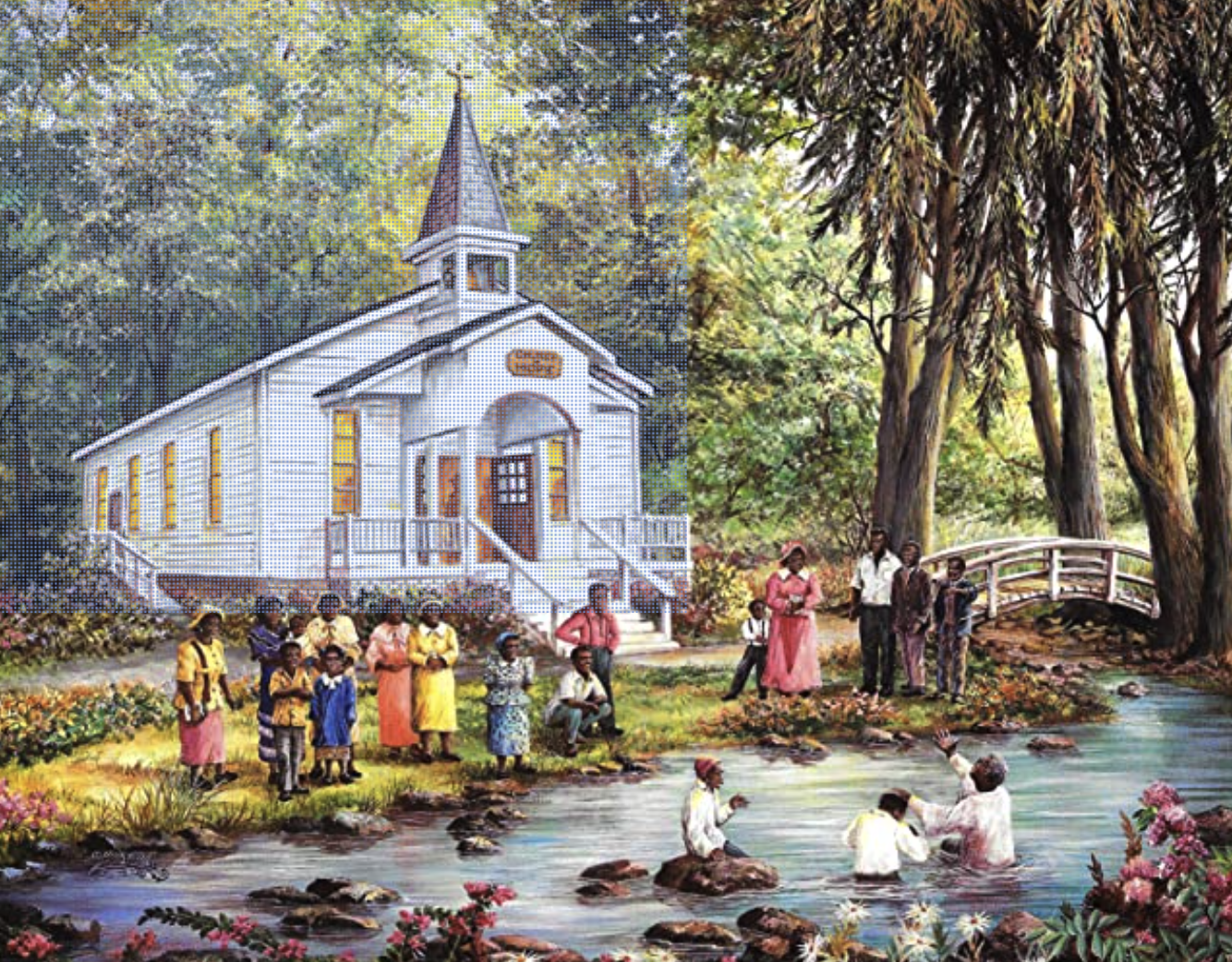
Well now. It may be true that “evangelical baptisms” are getting a little bit “raucous,” but that’s a rather strange statement to make in light of baptism traditions down the years in Black evangelical and Pentecostal churches.


Please respect our Commenting Policy

Why the press loves Santa Claus and the case for more news about St. Nicholas of Myra

Why the press loves Santa Claus and the case for more news about St. Nicholas of Myra

We are currently in “the most wonderful time of the year,” as the popular Christmas song by Andy Williams goes. For many Christians, however, the four weeks leading up to Christmas Day are marked by Advent, a time of prayer in preparation for the birth of Jesus. In Eastern churches, this season is called Nativity Lent.

Advent is one of those religious customs largely ignored by the mainstream press. Many newspapers and TV networks are more preoccupied with the economics around the season — Black Friday marks the beginning of the shopping-mall season for them — and things like trendy Advent calendars (which these days are largely devoid of any religiosity) and Santa Claus, the hero previously known as St. Nicholas.

In fact, the things the mainstream media value this time of year are starkly different from the message worshippers in ancient Christian traditions get in church during Sunday liturgies in the weeks preceding December 25th.

This is not something that’s entirely new. Even as a child, I could sense a disconnect between the materialism around me growing up in New York and the Christmas I celebrated at home featuring a Nativity crèche and Advent wreath. The Peanuts Christmas special had Charlie Brown bemoaning commercialization of the season — and that aired in 1965 (and network executives worried that it was too religious, even back then).

Where are we in 2021? Amid talk of supply-chain issues, inflation, the ongoing pandemic and political bickering in Washington (with politicians posing with guns on their Christmas cards), it looks pretty bleak out there.

This time of year is yet another reminder of what mainstream media values and the divide over what most Americans think and believe. This is where the Catholic press is of great value to help frame not just what’s important, but also what is more connected to the traditions and reality of this time of year.

In particular, it’s interesting to look for coverage of the backstory of Santa Claus. Hold that thought.

Let’s start here. Scanning various news sites the last two weeks led me to notice a larger trend.


Please respect our Commenting Policy

Modernized New Revised Standard Bible is surefire news, landing amid today's language wars

Modernized New Revised Standard Bible is surefire news, landing amid today's language wars

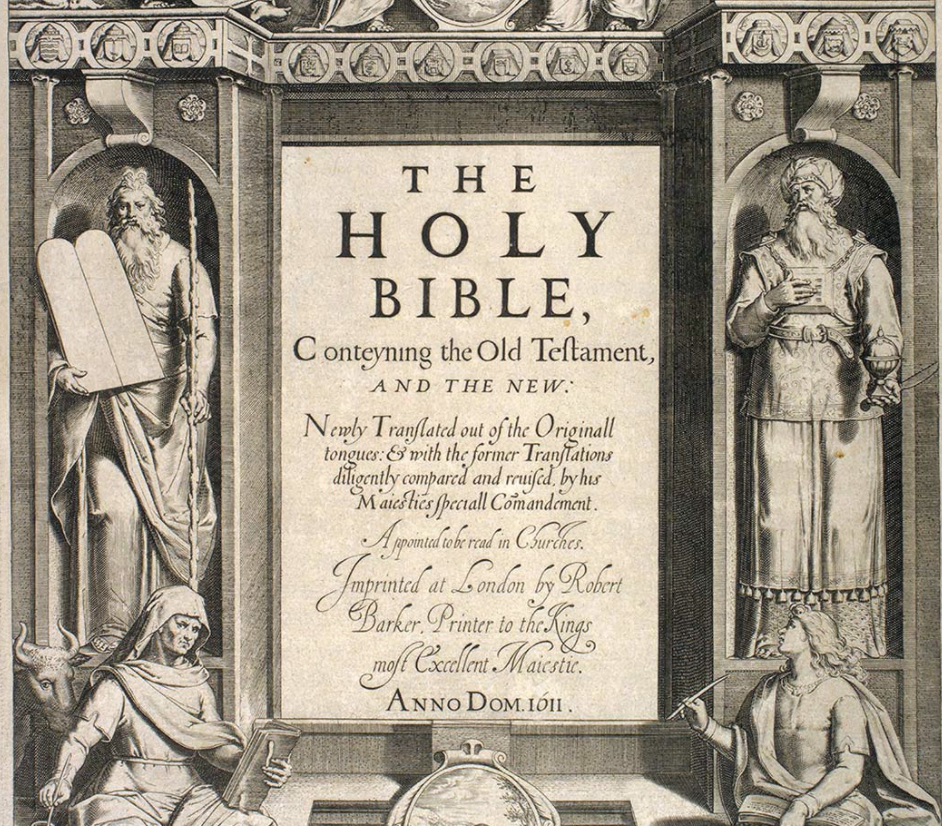
As religion writers (and historians) know, the 1611 King James Version of the Bible begat the 1952 Revised Standard Version, which begat the 1989 New Revised Standard Version which now begets the new "Updated Edition" of the NRSV.

It’s the "NRSVue" — a surefire news topic. This Bible will be available in ebook format by Christmas and in print around next May 1.

Media might issue advance articles about this production or wait for reactions to the complete text from reviewers or local clergy and parishioners. A 36-page media memo provides an advance look, accessible here. For further queries contact Friendship Press at info@friendshippress.org or CEO Joseph Crockett at joseph@frienshippress.org.

The NRSV copyright is held by the National Council of Churches, a cooperative body of the “Mainline” Protestant and Orthodox denominations. It assigned this rewrite to the Society of Biblical Literature, a professional guild of university and seminary scholars, whose 63-member team made approximately 12,000 "substantive" changes and thousands more that are trivial. The team consulted African-American church leaders, a group said to be "historically excluded" from prior Bible translation projects.

The result "improves" upon the original NRSV policy "to eliminate masculine-oriented language when it can be done without altering passages that reflect the historical situation of ancient patriarchal culture." The church council says both of its versions seek to be "as free as possible from the gender bias inherent in the English language."

A typical example is saying "brothers and sisters" when the original Greek literally said only "brothers" but was referring generally to people of both genders. The update omits footnotes that specify what the Greek said. Plural pronouns will abound, which depending on the translation can occasionally make the antecedent unclear or miss the direct force of a singular pronoun. In the rewrite, the Bethlehem "wise men" are now "magi."

Both the 1989 and 2021 renditions leave language about God undisturbed. "He" is still permitted and He remains the "Lord" and "Father."


Please respect our Commenting Policy

When facing modern chaos, priests need old symbols and truths -- not more politics

When facing modern chaos, priests need old symbols and truths -- not more politics

Chaos is coming, so get ready.

That was the warning that -- four years ago -- iconographer and YouTube maven Jonathan Pageau offered to leaders of the Orthodox Church in America's Diocese of the South.

The French-Canadian artist was reacting to cracks in "cultural cohesion" after Donald Trump's rise to power, with wild reactions on left and right. And corporate leaders, especially in Big Tech, were throwing their "woke" weight around in fights over gender, racism, schools, religious liberty and other topics. Fear and angst were bubbling up in media messages about zombies, fundamentalist handmaidens and angry demands for "safe spaces."

Pageau didn't predict a global pandemic that would lock church doors.

But that's what happened. Thus, he doubled down on his "chaos" message several weeks ago, while addressing the same body of OCA priests and parish leaders.

"If some of you didn't believe me back then, I imagine you are more willing to believe me now," he said.

Pageau focused, in part, on waves of online conspiracy theories that have shaken many flocks and the shepherds who lead them. Wild rumors and questions, he said, often reveal what people are thinking and feeling and, especially, whether they trust authority figures.

"Even the craziest conspiracy nuts, what they are saying is not arbitrary," he said, in Diocese of the South meetings in Miami, which I attended as a delegate from my parish in Oak Ridge, Tenn.

"It's like an alarm bell. It's like an alarm bell that you can hear, and you can understand that the person that's ringing the alarm maybe doesn't understand what is going on. ... They may think that they have an inside track based on what they've heard and think that they know what is going on. But the alarm is not a false alarm, necessarily."

The chaos is real, stressed Pageau. There is chaos in politics, science, schools, technology, economic systems, family structures and many issues linked to sex and gender.


Please respect our Commenting Policy

All those fast-growing Christian schools: Are they really bastions of racism, intolerance?

All those fast-growing Christian schools: Are they really bastions of racism, intolerance?

Usually most New York Times’ pieces about anything conservative and (particularly) Christian gets reams of nasty remarks in the comments section. But a recent story on the rapid growth of private Christian schools drew a wider range of constructive responses.

I’m talking about Ruth Graham’s piece about a Christian school in an obscure corner of southwestern Virginia (drive west of Richmond, then head south) and how such schools are booming around the country in the wake of COVID-19 realities.

It’s a trend that a lot of us have seen coming. The key question, for GetReligion readers, is how the story handled the “Why?” factor looming over this trend. We will start at the beginning:

MONETA, Va. — On a sunny Thursday morning in September, a few dozen high school students gathered for a weekly chapel service at what used to be the Bottom’s Up Bar & Grill and is now the chapel and cafeteria of Smith Mountain Lake Christian Academy.

Five years ago, the school in southwestern Virginia had just 88 students between kindergarten and 12th grade. Its finances were struggling, quality was inconsistent by its own admission, and classes met at a local Baptist church.

The Smith Mountain Lake real estate market is the largest marketplace for lake property in Virginia unless you can afford expensive beachfront to the east.

Now, it has 420, with others turned away for lack of space. It has grown to occupy a 21,000-square-foot former mini-mall, which it moved into in 2020, plus two other buildings down the road.

Smith Mountain Lake is benefiting from a boom in conservative Christian schooling, driven nationwide by a combination of pandemic frustrations and rising parental anxieties around how schools handle education on issues including race and the rights of transgender students.

Homes in Franklin County, which includes Smith Mountain Lake, are selling at 35% above assessed value, so people are definitely moving to this exurb because, well, they can.

Everyone is working remote these days and if you don’t HAVE to live near a place like Washington, DC (about a four-hour drive to the north), why would you?


Please respect our Commenting Policy