LGBTQ

Will someone please tell editors at the Washington Post how to cover protests fairly?

Will someone please tell editors at the Washington Post how to cover protests fairly?

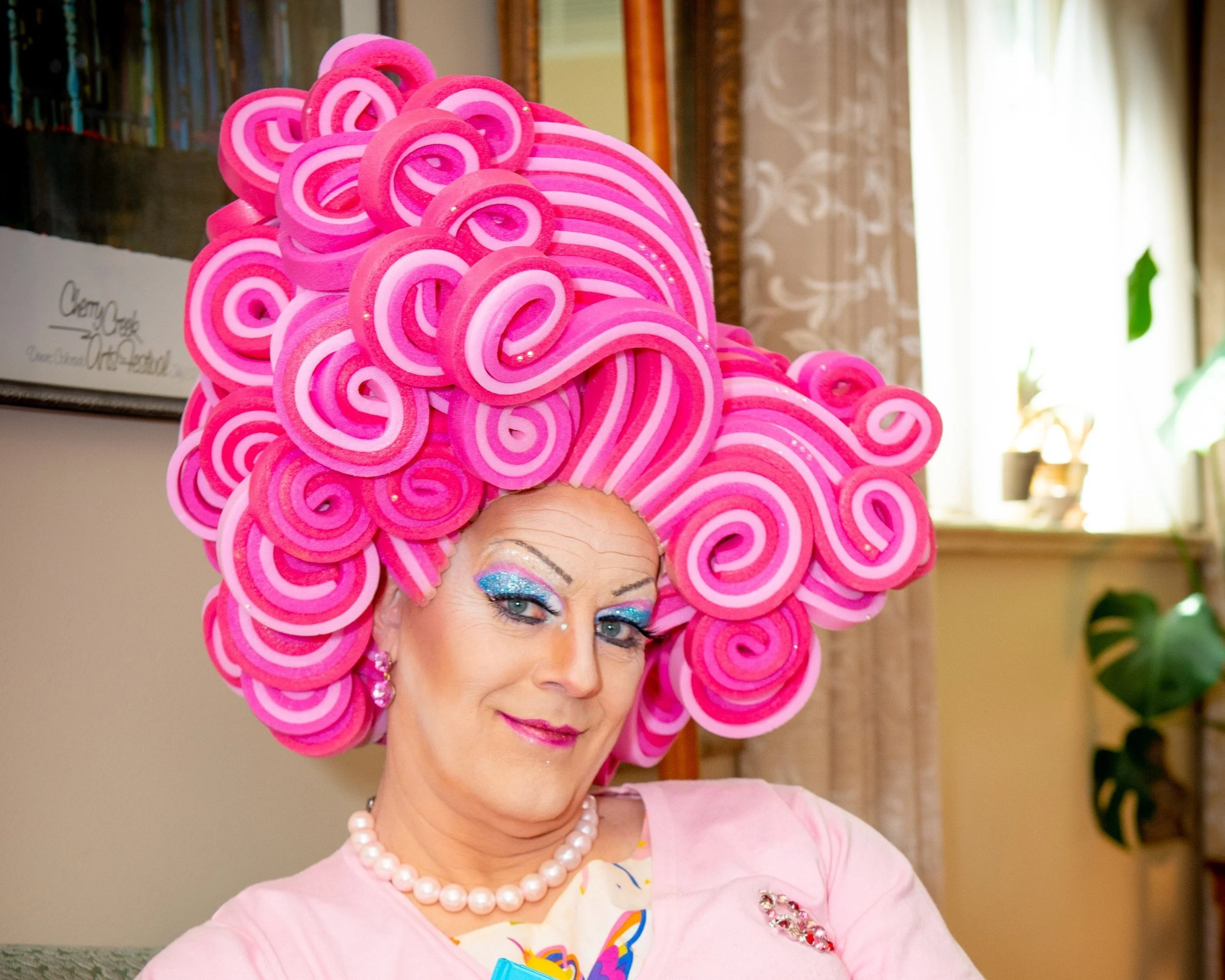
Recently I saw that the Washington Post was running a story about drag queens, so I began reading it until I realized it was sheer puffery on behalf of the author and undisguised bigotry against some unnamed religious protestors.

Then I looked up the name of the reporter who’d written this piece and I saw she was the same one who wrote a lyrical ode to a woman who was organizing demonstrations outside the home of Supreme Court Justice Brett Kavannaugh.

We typically don’t criticize reporters by name here at GetReligion unless the offense is truly bad and there are consistent patterns. We focus on the stilted point of view; the things left unsaid; the side that got ignored. But when the reporter does the same thing over and over again, it’s time to say enough.

I’ve reached that point with Post reporter Ellie Silverman, who covers protests and activism.  Both these topics involve conflict; both sides of a conflict have real live people in their midst and these people deserve a hearing, no matter how much the reporter may personally feel about a matter.

Silverman doesn’t appear to get that concept.

We all have covered movements and public events that require us to interview participants with which we disagree. The mark of a professional is be adept enough at covering the matter, neither side knows how you feel about the topic.

This isn’t the case with Silverman’s stories. In her latest, she focuses on drag queens and, obviously, her inability to understand why religious folks have a problem with drag-queen performances for children:

Lily Pastor knew who she was and wanted to celebrate it. So, last month, she joined about 50 other volunteers to turn a Capitol Hill sidewalk into a rainbow-filled dance party outside Crazy Aunt Helen’s, a restaurant that was hosting a story time event with a drag queen.

Anti-trans protesters had gathered across the street and were deriding hormone therapy, a treatment that provided Pastor a way to feel more like herself. But Pastor said standing alongside the people she met — a trans man, a queer teacher, straight allies — was empowering.

Please respect our Commenting Policy

Amazing! Brief mention of doctrine in LGBTQIA+ war at Point Loma Nazarene University

Amazing! Brief mention of doctrine in LGBTQIA+ war at Point Loma Nazarene University

Oh my! It appears that we have an actual reference to a doctrinal “covenant” in a Religion News Service report about a First Amendment battle between the leaders of a private Christian university and the pro-LGBTQ members of their faculty, student body and alumni.

Journalists almost always ignore the role of "lifestyle” or “doctrinal” covenants in defining the boundaries of the life and work of private schools, which are voluntary associations. It’s always important to ask if faculty, staff and students are asked to sign these covenants, in which they (the details vary) agree to support the doctrinal foundations of the school or, at the very least, not to attack them.

This is an issue your GetReligionistas have written about 100+ times or more during the past 20 years.

The fact that this latest fight is happening at Point Loma Nazarene University in San Diego will not surprise anyone familiar with the recent history of denominational life in the Church of the Nazarene. But that’s another story for another day. The reality is that there are hidden schisms in the faculties of many Christian colleges and universities, when it comes to issues of centuries of Christian moral theology.

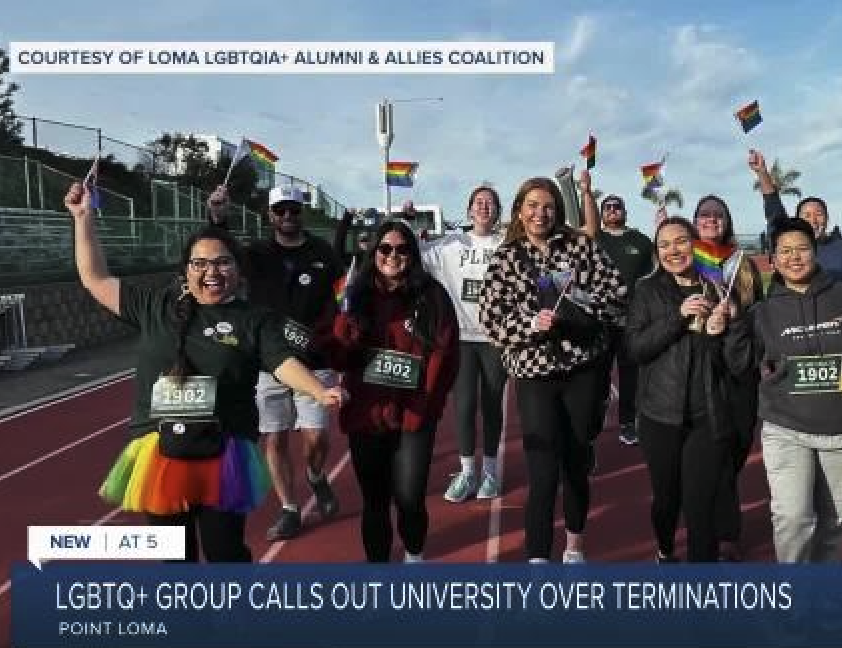
Thus, back to the RNS report: “LGBTQ group condemns Point Loma Nazarene University for theology dean’s dismissal.” The subhead is also important: “The university denies charges by Lauren Cazares, founder of Loma LGBTQIA+ Alumni & Allies Coalition, that the dean of the school of theology was terminated for 'anything related to the LGBTQIA+ community.' “

There is next to nothing surprising in this report. RNS editors included zero comments from insiders or experts who disagree with the viewpoints voiced over and over by the LGBTQIA+ activists who provided material for this “news” report. There is one quote from a university spokesperson who notes that the administration, due to privacy laws, cannot discuss the dismissal of a faculty member.

But, hey, there is one reference to “doctrine” in this story! Let’s start with the overture:

A coalition of LGBTQ alumni of Point Loma Nazarene University — a private Christian liberal arts college in San Diego — is protesting the firing of the dean of the university’s school of theology, who they say was dismissed for siding with an adjunct professor who was let go due to her own public support for the LGBTQ community.

Mark Maddix, the dean for the school of theology and Christian ministry, was fired on March 15 by the university’s chief academic officer, Kerry Fulcher, according to an April 5 statement released by alumna Lauren Cazares, who founded Loma LGBTQIA+ Alumni & Allies Coalition earlier this year.


Please respect our Commenting Policy

Podcast: Do readers need to know the 'why' factor in the Covenant School shootings?

Podcast: Do readers need to know the 'why' factor in the Covenant School shootings?

Before returning to mainstream news coverage of the attack on Covenant Presbyterian Church and its school, let’s look at a story that raises similar issues — in Colorado Springs, Colorado. Consider this new information linked to this week’s “Crossroads” podcast (click here to tune that in).

The headline on a KRDO report: “Manifesto details former student’s plans to carry out multiple Colorado Springs school shootings.” Yes, note the word “manifesto.”

In this case, police are dealing with threats, not actions. However, journalists covering this story face some familiar questions about content and emphasis. Let’s pick this up at the second paragraph.

According to the 18th Judicial District Attorney’s Office, 19-year-old William Whitworth - who identifies as “Lilly”- was charged after an investigation into "threats involving schools in Colorado Springs Academy District 20."

The context for this story is Colorado Springs. What do we know about that “conservative” city, in terms of its media profile? Here is an interesting headline from The Guardian: “Colorado Springs: a playground for pro-life, pro-gun evangelical Christians.

Back to the very low-key Colorado news report:

Once inside [the home], deputies noted in the affidavit two holes that appeared to be punch marks in the wall. The door to a bedroom was off its hinges and lying beside the opening. … The sister identified herself as Lilly, but further investigation determined her birth name is William Whitworth.

Once again, readers face that familiar, but suddenly controversial, question from the old-school journalism equation “who,” “what,” “when,” “where,” “why” and “how.”

A dozen or so paragraphs and news-you-can-use bullet lists into the story, readers finally learn:

When asked if she was going to shoot up a school, the affidavit states Whitworth "visibly shook her head and down indicating yes." When asked why she'd do that, Whitworth stated, "Why does anyone do it." …

While waiting for the fire department, Whitworth was asked how much she had been planning the school shooting. She stated she was "about a third of the way from doing it," verifying again that Timberview Middle School was one of the "main targets" currently and other targets were churches.

There’s some (#triggerwarning) anti-Donald Trump material in this troubled young person’s writings, as well. But it would be interesting — since Colorado Springs is internationally known as a haven for evangelical ministries — to know just a bit more (as in anything) about the targeted “churches.”


Please respect our Commenting Policy

Catholicism's internal cracks go public with Cardinal Robert McElroy ban on EWTN

Catholicism's internal cracks go public with Cardinal Robert McElroy ban on EWTN

It should come as no surprise to anyone that politicians don’t much like the press. This isn’t a shocking statement to anyone old enough to remember President Richard Nixon and Watergate.

Nixon, of course, wasn’t alone. A watchdog press has ran afoul of many presidents, including Ronald Reagan, Bill Clinton, Barack Obama and Donald Trump. This last one most of all.

In Catholicism, popes have also been media targets. Popes, compared to presidents, have been more gracious when speaking of the press. That even goes for the hyper-aggressive Italian media and their daily Vatican coverage.

As the left-right political divide widens, while many journalists working for mainstream publications abandon objectivity, so have the Catholic left-right doctrinal feuds. Francis’ papacy, in fact, has been plagued by it. Mainstream news coverage, for those who read this space, know that readers are increasingly fed narratives over reality.

The Catholic press operates differently. Those on the left wish to reform the church. Those on the right want to uphold and preserve centuries-old doctrines. Catholic media, depending where the publication or TV station falls on the doctrinal spectrum, isn’t governed by objectivity but by church teachings. This is where the conflict arises and when culture war battles within the church — and society at large — can manifest themselves.

This is an internecine battle among members of the Catholic hierarchy. In the crosshairs is EWTN. The media empire, founded by Mother Angelica in 1980, is a news organization that does all of its reporting through the lens of traditional Catholic teaching. It’s the 1992 Catholic Catechism network.

That frequently comes into direct conflict with the words and actions of Pope Francis’ strongest supporters, when dealing with ministry to LGBTQ Catholics, for example, and other culture-war issues.

Just as Obama went after Fox News and Trump against most everyone (even Fox News following the 2020 presidential election), we now have Catholic cardinals openly criticizing Catholic media. The recent case involving San Diego Cardinal Robert McElroy is an example of Catholicism’s internal divisions playing out in Catholic media.

McElroy’s target is EWTN, one of the largest Catholic news organization in the world.


Please respect our Commenting Policy

Podcast: Was the attack on a conservative Presbyterian school in Nashville a religion story?

Podcast: Was the attack on a conservative Presbyterian school in Nashville a religion story?

Was the attack on the elementary school at Nashville’s Covenant Presbyterian Church a religion-news story?

Of course it was, for at least four reasons that we discussed during this week’s “Crossroads” podcast (click here to tune that in).

(1) It was an attack on a conservative Christian school at a conservative Presbyterian church in a city that is often called the buckle fn the Bible Belt (although locals know that the Nashville establishment, especially in media, is left of center).

(2) Religious groups have played a major role in Tennessee debates about parental rights, education and LGBTQ issues. What does that have to do with the shooting? Hold that thought.

(3) Religious groups have played a major role in discussions of gun-control legislation in Tennessee and, in this case, it is important to avoid political labels such as “liberal” and “conservative” in that discussion.

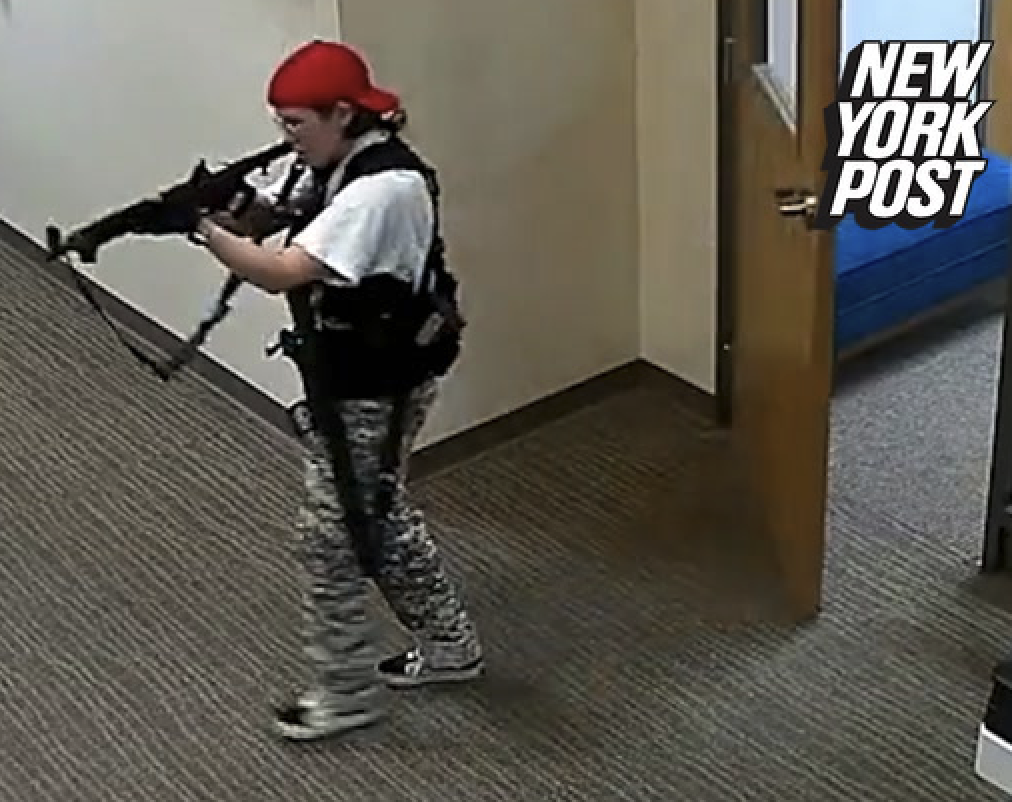
(4) The young adult who attacked the Covenant School was a former student there. Audrey Hale had recently identified as Aiden Hale in social media, with male pronouns. Hale was still living in a conservative Christian home, with a mother who both was a strong advocate of gun control and on the staff of Village Chapel in Nashville.

What else do news readers know about the shooter? That depends — in this new age of partisan, advocacy media — on which news organizations a reader follows. In most mainstream coverage, even in Nashville, questions about the life and beliefs of the shooter have all but vanished.

Consider this short paragraph late, late in a Religion News Service follow-up report: “Grief, fear haunt Nashville as residents gather to mourn in wake of Covenant shooting.”

Very little is known about the shooter, a former student at Covenant who was killed by police. The shooter reportedly left a manifesto that has not been made public. 

Really? “Very” little?


Please respect our Commenting Policy

Heeding the Nashville shooter's own voice: Do journalists want the 'manifesto' released?

Heeding the Nashville shooter's own voice: Do journalists want the 'manifesto' released?

Once again, we return to that mantra from old-school journalism — “who,” “what,” “when,” “where,” “why” and “how.”

When covering the murders at Nashville’s Covenant Presbyterian Church private school, journalists already know that the shooter wanted the public to know the answer to the “why” question.

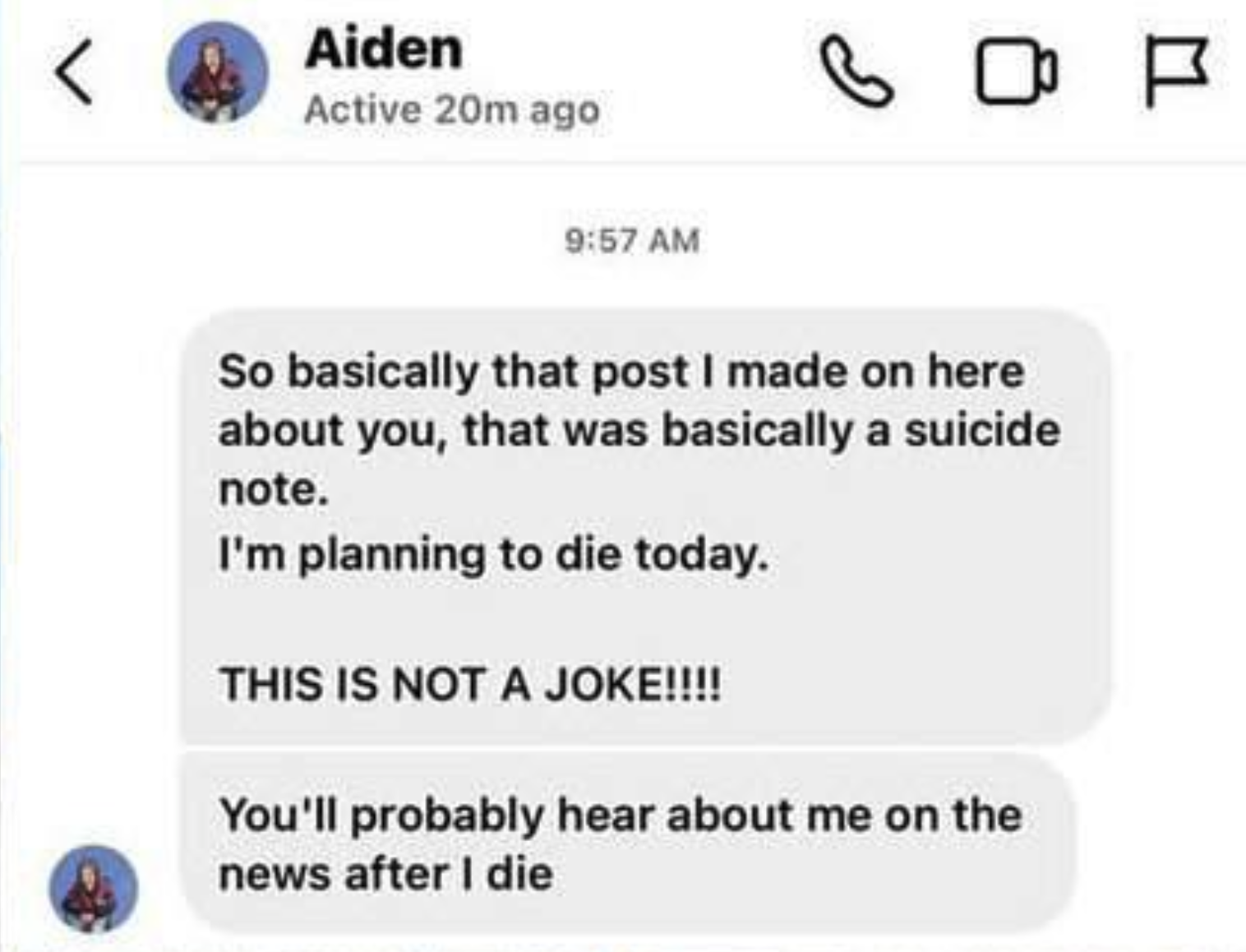
Moments before shooting open the school’s doors, the person previously known as Audrey Hale, who chose the name “Aiden” in social media, sent a haunting and strategic message to a friend. Some timelines suggest that the shooter sent this message while parked in the church’s parking lot.

The contents of the message are highly relevant to news coverage of the shootings. Readers: Have you seen these words quoted in your local, regional and national news sources? Hale wrote:

“This is my last goodbye.

“I love you (heart) See you again in another life Audrey (Aiden)”

Later, Hale added:

“My family doesn’t know what I’m about to do

“One day this will make more sense. I’ve left more than enough evidence behind

“But something bad is about to happen.”

Public officials have made it clear that the shooter left behind a “manifesto,” as well as highly detailed plans for the attack on the school (school leaders have said Hale attended 4th and 5th grade there). The manifesto text is almost certainly what Hale was describing with the words, “One day this will make more sense. I’ve left more than enough evidence behind.”

Under normal circumstances, journalists would be doing everything that they can to answer the “why” question in this case, including calling for the release of Hale’s manifesto text and other materials linked to the attack. But these are not normal circumstances.


Please respect our Commenting Policy

Time to step up the mainstream coverage of transgender debates within U.S. religion

Time to step up the mainstream coverage of transgender debates within U.S. religion

News about transgender issues tends to deal with women’s athletic competitions and shelters, pronouns, girls’ locker rooms, public school sex education, competing rights claims (with parents on both sides of the dates) and resulting political and legal disputes.

There’s been less coverage of medical morality, especially concerning under-aged youths, and hardly any about how various religious groups understand gender and why.

Journalists should take notice when four vigorous arguments on the religious aspect appear in the space of just six days, as follows.

March 20: The leaders of the U.S. Conference of Catholic Bishops authorized publication (.pdf here) of an important but little-reported transgender policy. It declares that Catholic health-care agencies “must not” perform or help develop chemical or surgical procedures to transform a person’s bodily characteristics into those of the opposite sex.

The stated reasons are theological and moral. Key quotes: “We did not create human nature; it is a gift from a loving Creator,” so human dignity requires “genuine respect for this created order.” Sexual differentiation is a reality “willed by God” and a “ fundamental aspect of existence as a human being.”

Therefore, surgical and chemical techniques to switch a patient’s sexual characteristics, or puberty blockers to halt youths’ natural development, “are not morally justified.” To the bishops, such interventions are “injurious to the true flourishing of the human person” and violate doctors’ basic moral maxim to “do no harm.”


Please respect our Commenting Policy

Parents, schools and 'LGBTQ themes': Why is the Associated Press being so vague?

Parents, schools and 'LGBTQ themes': Why is the Associated Press being so vague?

Let’s start here: I am a journalist who is married to a librarian. When it comes to First Amendment issues, we are old-school liberals. However, there are times when — in debates involving public schools, tax dollars and parental rights (without “scare quotes”) — there are First Amendment tensions that cannot be denied.

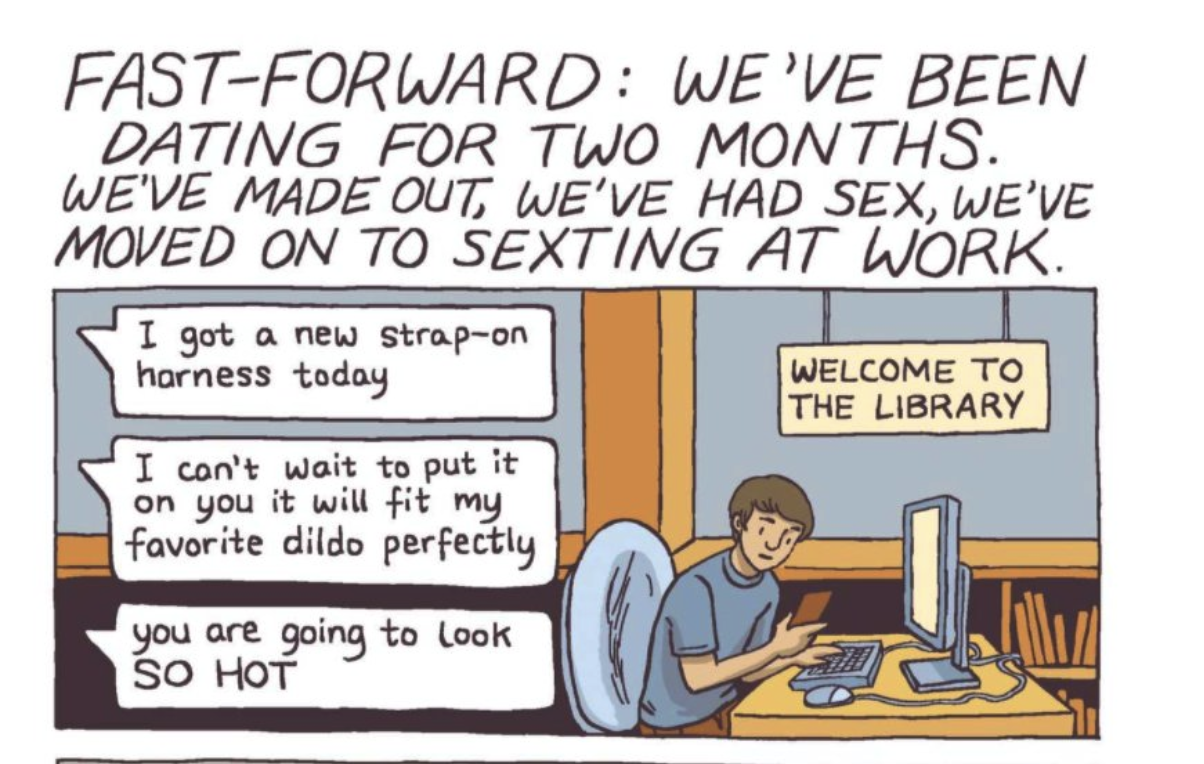
Week after week, I keep reading angry mainstream-press reports covering battles about removing LGBTQ-audience books from the libraries of schools in various red zip codes across America.

I confess that I am confused about what is happening in many of these debates. I assume that the content of proposed legislation is different in various states, but it’s hard to know the details in the news coverage. In particular, it’s hard to know if books are being removed from (a) mandatory classroom assignments, (b) recommended sex-education lists promoted to students or (c) library bookshelves — period.

Also, I am having trouble understanding the specifics of why parents are upset (and these concerns may vary from case to case). Most news reports stress that conservative (read “traditional” religious believers, either Christian, Jewish or Muslim) parents are upset about all LGBTQ content.

However, if and when journalists deem to quote parents, the parents seem upset about visual images and graphic stories that they consider to be pornographic or not age-appropriate for their children. Are their concerns valid? It’s hard to make judgements about that — since news reports never describe the details of their concerns, perhaps because the content is too strong for publication in newspapers.

With these questions in mind, let’s look at a recent Associated Press report that ran with this headline: “School library book bans are seen as targeting LGBTQ content.” Note that the headline seems to assume that books are banned from library shelves and that’s that. Here is the overture:

DES MOINES, Iowa (AP) — Teri Patrick bristles at the idea she wants to ban books about LGBTQ issues in Iowa schools, arguing her only goal is ridding schools of sexually explicit material.

Sara Hayden Parris says that whatever you want to call it, it’s wrong for some parents to think a book shouldn’t be readily available to any child if it isn’t right for their own child.


Please respect our Commenting Policy

How the press (mainstream and Catholic) chose to cover Francis' pontificate turning 10

How the press (mainstream and Catholic) chose to cover Francis' pontificate turning 10

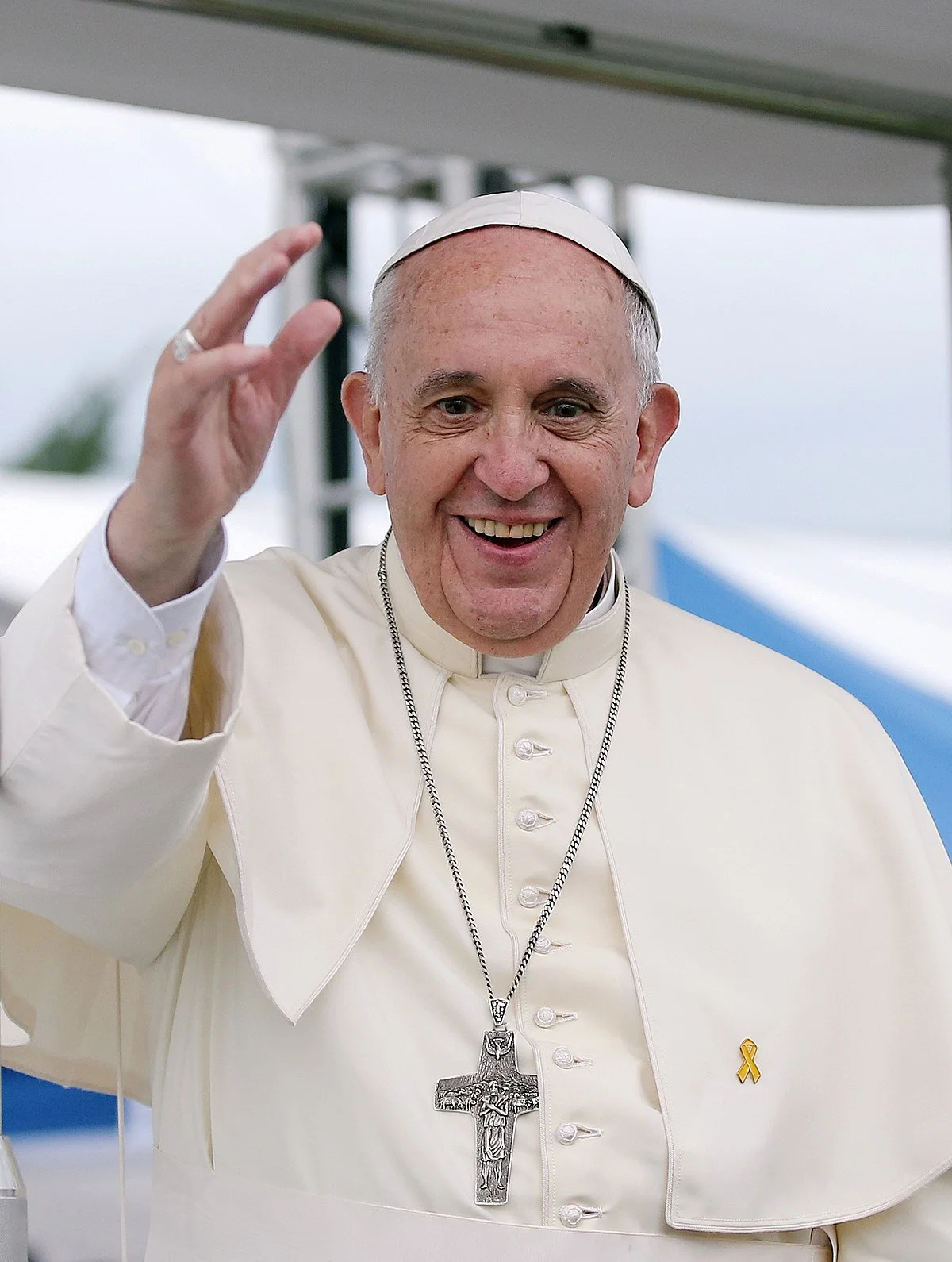
Pope Francis’ pontificate turned 10 years old last week and — like with an anniversary or milestone — became a time for the news media to reflect and reassess.

What will continue to matter — at least what I will be keeping an eye on — is how this pope will be covered both by the mainstream and Catholic press going forward. And, once again, news coverage of this pope often says as much about the journalists doing the coverage as it does about Pope Francis.

I wrote my own piece for Religion Unplugged on Francis reaching the milestone.

This is how I set up that feature:

The former Cardinal Jorge Mario Bergoglio, who was born in Argentina and is of Italian descent, was elected the 266th pope on March 13, 2013. It marked the first time a pontiff from South America has held the position. 

Following the resignation of Pope Benedict XVI in 2013, a papal conclave elected Bergoglio as his successor. He chose Francis as his papal name in honor of Saint Francis of Assisi.

Over that span of time, Catholics, especially in the West, have become much more polarized around political lines, a trend that has exacerbated divisions among Catholics. The 86-year-old Pope Francis, on a great number of issues, has been seen as a polarizing force for his progressive stances on several issues.

In fact, the “polarizing force” this papacy has brought with it was the major theme throughout the much of the coverage regarding Francis’ 10th anniversary as head of the Catholic church. The question? Was the force put to good use?

The narrative over the past 10 years has been that Francis’ papacy has largely steered the church leftward, in terms of doctrine and culture, after more than three decades of conservative leadership under Popes John Paul II and Benedict XVI.

But ambiguity has been the main issue with what this pope says, as opposed to what he does.


Please respect our Commenting Policy