International News

Perfect storm before and after COVID-19: Do churches have $$$ for missions and charity?

Perfect storm before and after COVID-19: Do churches have $$$ for missions and charity?

Back in the heady church-growth days of the 1980s and 1990s, researchers John and Sylvia Ronsvalle began hearing caution creep into their interviews with church leaders.

Denominational leaders were especially uncomfortable when asked about declines in giving to overseas missions and projects to help the poor.

Sylvia Ronsvalle said the leader of one large congregation gave this blunt response: "Ah! No! We can't promote missions because there won't be enough for our seminaries." She responded: "Well, I think people would be more interested in your seminaries if you were actually impacting global needs in Jesus' name."

That encounter, and many others, ended up in "Behind the Stained Glass Windows: Money Dynamics in the Church," one of many publications the Ronsvalles have produced while leading empty tomb, inc. Their center also serves as a hub for missions in Champaign, Illinois, their home for 50 years.

Danger signs began decades ago. Giving to religious groups -- defined in terms of potential donations based on after-tax incomes -- peaked in 1960 and then began to decline, even as church membership numbers and budgets kept rising.

This trend "pre-dated many of the controversial issues that were to emerge by the end of the 1960s," noted the 31st annual empty tomb report, based on 2019 numbers. In mainline and evangelical denominations "per member giving in current dollars, as well as in inflation-adjusted dollars and as a portion of income" was lower in 2019 than the year before.

Then COVID-19 hit. But the pandemic's impact in pews only made an ongoing charity funding crisis more obvious, said Sylvia Ronsvalle, in a telephone interview.
Please respect our Commenting Policy

Archbishop Broglio elected to lead USCCB: Press focuses on (#surprise) political issues

Archbishop Broglio elected to lead USCCB: Press focuses on (#surprise) political issues

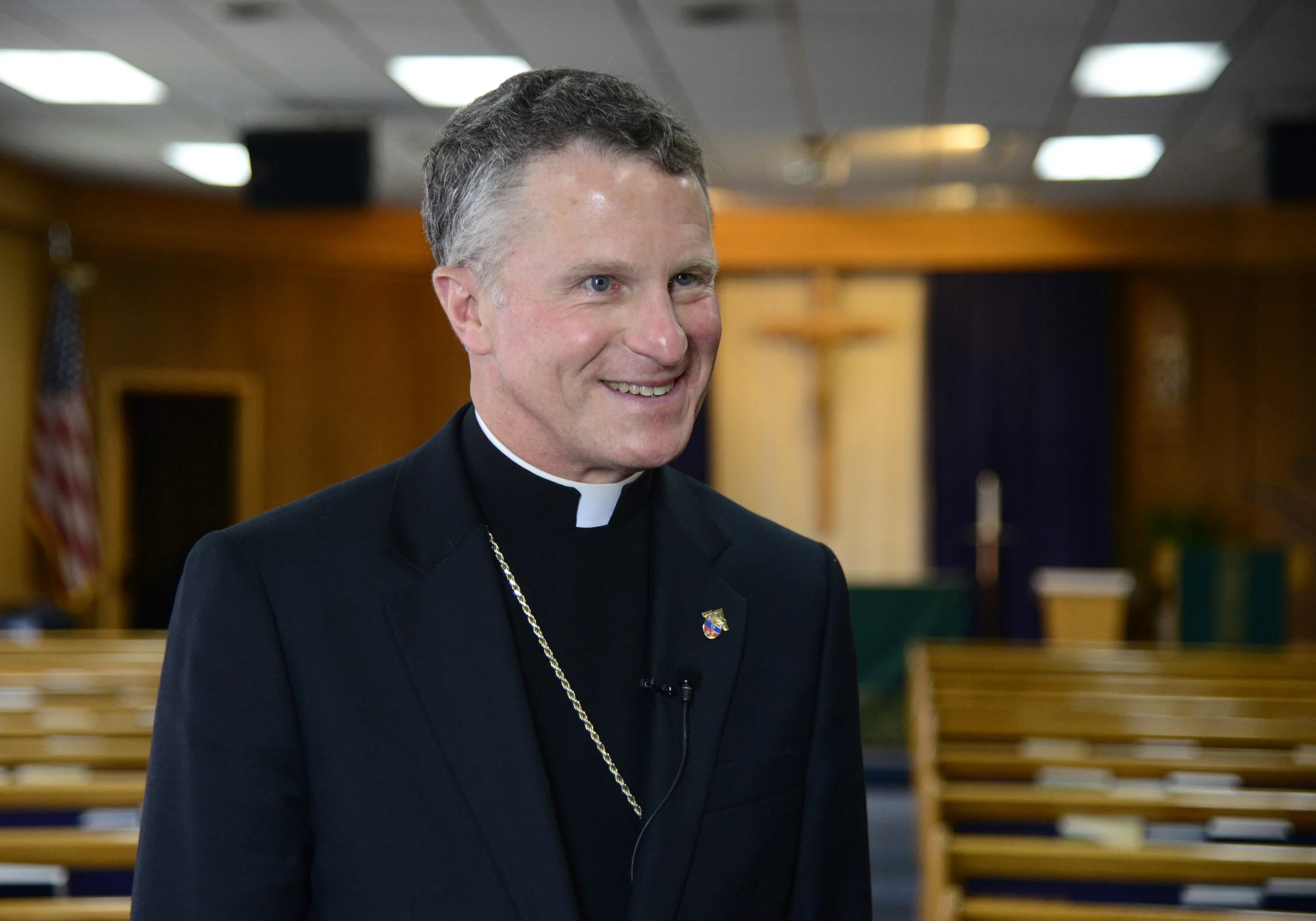
The United States Conference of Catholic Bishops assembled in Baltimore two weeks ago to elect a new president. Archbishop Timothy Broglio of the Military Services, tasked with overseeing Catholic ministries to members of the U.S. armed forces, was elected to lead the USCCB.

The 70-year-old archbishop won election to a three-year term on Nov. 15 after emerging victorious from a field of 10 candidates. What Broglio’s election means for the church, our national politics and for everyday Catholics depends on whom you ask.

Certainly, news coverage of Broglio’s election seemed to focus on the priorities of the media organization’s own political priorities rather than impartial, fact-based reporting that included the church’s own positions on an array of subjects Broglio will have to deal with in his term.

As we say here at GetReligion: Politics is real. Religion? Not so much.

The New York Times framed their coverage under the headline, “U.S. Catholic Bishops Elect Leaders for Anti-Abortion Fight.” This is how their story opened:

BALTIMORE — A week after bruising losses for anti-abortion forces in the midterm elections, America’s Roman Catholic bishops rededicated themselves to ending abortion and elected a slate of new leaders to support that goal during their annual meeting. …

The job ahead is “perhaps even more massive than we thought,” said Archbishop William E. Lori of Baltimore, who has chaired the bishops’ Committee on Pro-Life Activities. “We have to engage in this with mind and heart and soul.”

The bishops chose Archbishop Timothy P. Broglio, who leads the Archdiocese for the Military Services, as their new president. Archbishop Lori, the runner-up for the presidency, will serve as vice president. Both men have taken strong positions against abortion and are expected to continue the conservative leanings of the hierarchy on an array of social issues.

Archbishop Broglio supported religious exemptions for military service members who did not want to receive the Covid-19 vaccine “if it would violate the sanctity of his or her conscience.” The Vatican had approved of the vaccines, but some Catholics and others opposed to abortion asked for religious exemptions because of the use of stem cells derived from aborted fetuses to develop some vaccines.

He has previously suggested that homosexuality was to blame for the church’s sexual abuse crisis, though studies have found no connection between homosexuality and child abuse.

There’s a lot to unpack there, but the news story managed to get the words abortion, vaccines and homosexuality in the first five paragraphs. Broglio is made out to be some deranged right-wing politician.


Please respect our Commenting Policy

AP soft-pedals big story: USA progressives winning (sort of) the United Methodist war

AP soft-pedals big story: USA progressives winning (sort of) the United Methodist war

If you have followed the half century of United Methodist Church warfare over the Bible, marriage and sex — I started covering this story in the early 1980s — you know the debates have consistently contained activists in three different camps. Here’s that line-up, for newcomers:

(1) The doctrinal right fighting for enforcement of the doctrines and rules in the church’s Book of Discipline.

(2) The North American establishment that has insisted that it could find a way to tweak the status quo — doctrine would change from zip code to zip code — so that everyone could stay in the same big financial tent, including LGBTQ activists in UMC seminaries and agencies.

(3) The candid doctrinal left — think West and Northeast — that openly proclaims the need to change 2,000 years of Christian tradition to fit the doctrines of the Sexual Revolution.

These divisions only became more complex as the United Methodists evolved into a truly global denomination that included booming churches in Africa and Asia — a form of diversity that made the denomination’s shrinking North American establishment more and more nervous.

In global meetings, a small-o orthodox coalition — most of the Global South plus a conservative U.S. minority — kept winning vote after General Conference vote to defend current doctrines. However, COVID-19 prevented crucial global meetings, allowing the U.S. establishment (Camp 2) several years to steer the ship.

This brings me to a new Associated Press report that does a great job, if that was the goal, of soft-pedaling recent victories by the establishment and candid left. The headline: “LGBTQ-friendly votes signal progressive shift for Methodists.” The overture:

The United Methodist Church moved toward becoming more progressive and LGBTQ-affirming during U.S. regional meetings this month that included the election of its second openly gay bishop. Conservatives say the developments will only accelerate their exit from one of the nation’s largest Protestant denominations.

Each of the UMC’s five U.S. jurisdictions — meeting separately in early November — approved similarly worded measures aspiring to a future of church where “LGBTQIA+ people will be protected, affirmed, and empowered.”

How would these aspirations come to pass?


Please respect our Commenting Policy

To cover Qatar World Cup, journalists will have to understand both soccer and Islam

To cover Qatar World Cup, journalists will have to understand both soccer and Islam

The World Cup in Qatar kicks off in less than a week. It is likely to be the most controversial soccer tournament in FIFA’s history, something that has dogged the host nation since being awarded the tournament in 2010.

The controversy is largely tied to the Muslim country’s beliefs and mores. It’s about human rights, welcoming LGBTQ fans, drinking alcohol and modest dress. It’s as much a cultural and societal issue as it is a sporting one. It is also, of course, a religion-news story.

The focus of the news coverage so far has been around what could happen on the field as much as off of it.

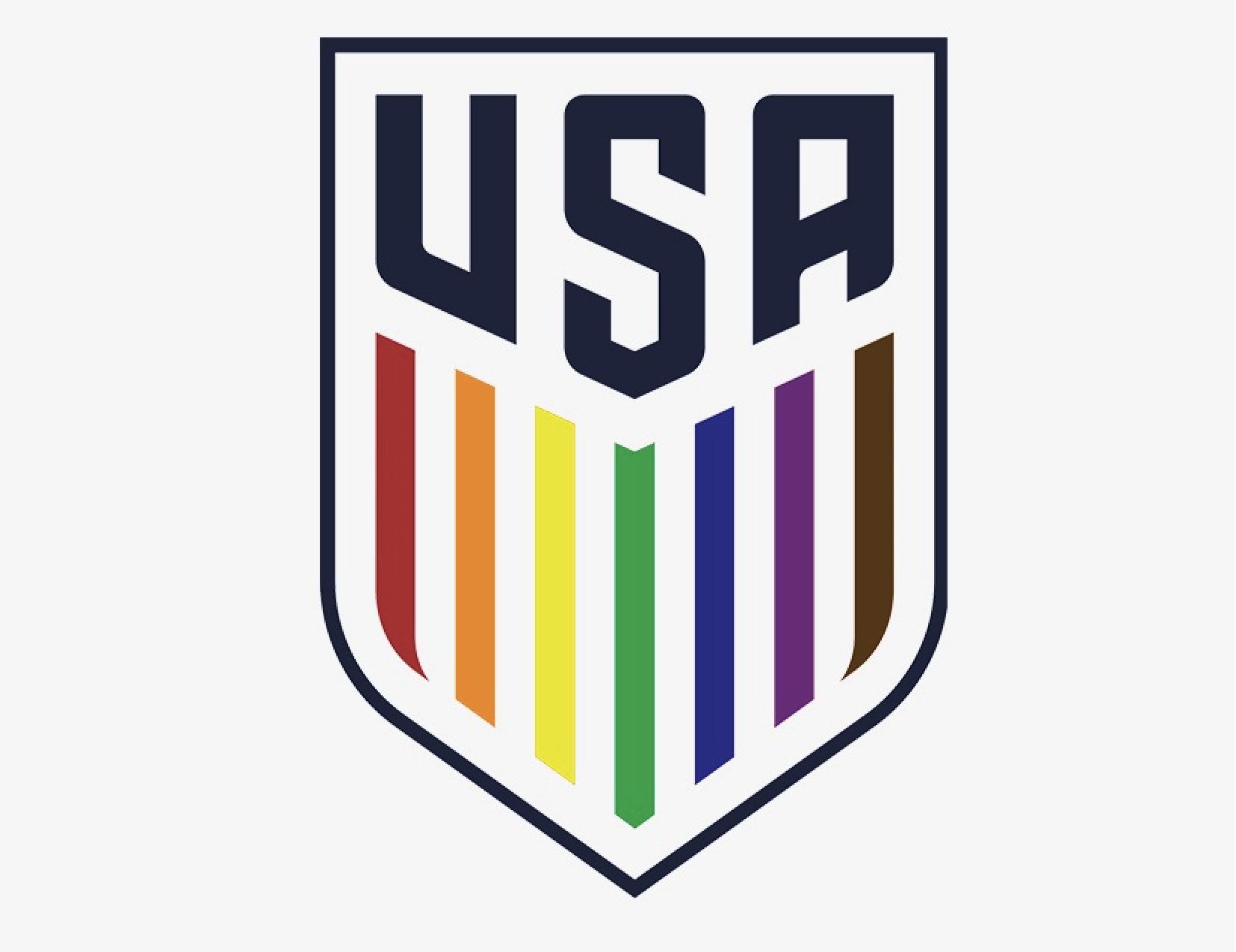
Qatari officials have labeled much of the negative coverage either racist or Islamophobic. Either way, this could be the first global sporting event in history where religion, and understanding it, will be a major part of the overall context of this competition. Even the World Cup’s official mascot is an homage to Islamic garb. And did you notice the Pride logo for the 2022 team USA kit?

I explore many of these themes and issues in my new book on the history of the World Cup. With over a billion followers, Islam is the second-largest religion in the world after Christianity. Muslims are forbidden from drinking alcohol since the Prophet Muhammad, to whom Muslims believe the word of God was revealed in the Quran, spoke against it. This is key for sports editors and journalists to understand when it comes to Qatar 2022 coverage.

For example, Qatari officials have said beer will be sold inside the venues and drinking will be allowed inside designated areas, such as fan zones, hotels and restaurants. I was asked that very question months ago when I was booking my trip to Doha. At the same time, billboards have been put up across the country with quotes from the Prophet Muhammed.

The Associated Press, with bureaus across the globe, put together a great explainer under the headline, “Islam in Qatar explained ahead of FIFA World Cup.” This is a must-read for editors and reporters as well as fans and visitors. Here is how it opens:

Qatar is a Muslim nation, with laws, customs and practices rooted in Islam. The country is neither as liberal as Dubai in the United Arab Emirates nor as conservative as parts of Saudi Arabia. Most of its citizens are Sunni Muslim.


Please respect our Commenting Policy

Great Britain's first Hindu prime minister inherits a prominent role in Anglicanism

Great Britain's first Hindu prime minister inherits a prominent role in Anglicanism

ry to imagine, say, U.S. President William Howard Taft, who was a Unitarian, involved with choosing bishops who rule the Episcopal Church, or President Joseph Biden, a Catholic, participating in the selection of bishops in the United Methodist Church.

After the historically brief leadership of Britain's Liz Truss, Conservative Party members of Parliament this week agreed on Rishi Sunak to succeed her as prime minister at a moment of severe economic and political turmoil.

Despite sporadic calls for a change in the system, this Hindu believer will have the unique task of proposing each new Church of England bishop for formal action by King Charles III, the church’s Supreme Governour and “Defender of the Faith.” Then again will that be “Defender of Faith” this time around?

The Sunak religious anomaly provides the media a sidebar to the astonishing ascent of this Anglo-Indian as the first “person of color” and first person from ethnic minorities to lead the British government. He’s also the first prime minister who is not at least nominally a Christian.

The Times of India reports Sunak has called himself a “proud Hindu” and regularly attends the temple in his hometown of Southampton. He has sworn his oath of office on the Bhagavad Gita rather than the Bible.

By coincidence, Sunak’s triumph occurred on Diwali, the annual festival of lights celebration when Hindus invoke the goddess Lakshmi for prosperity. The Times article depicts this 42-year-old’s remarkably prosperous corporate career and rapid political rise.


Please respect our Commenting Policy

Doctrine and fashion: As Iran protests persist, what women's clothing does Islam require?

Doctrine and fashion: As Iran protests persist, what women's clothing does Islam require?

THE QUESTION:

As Iran protests persist, what women’s clothing does Islam require?

THE RELIGION GUY’S ANSWER:

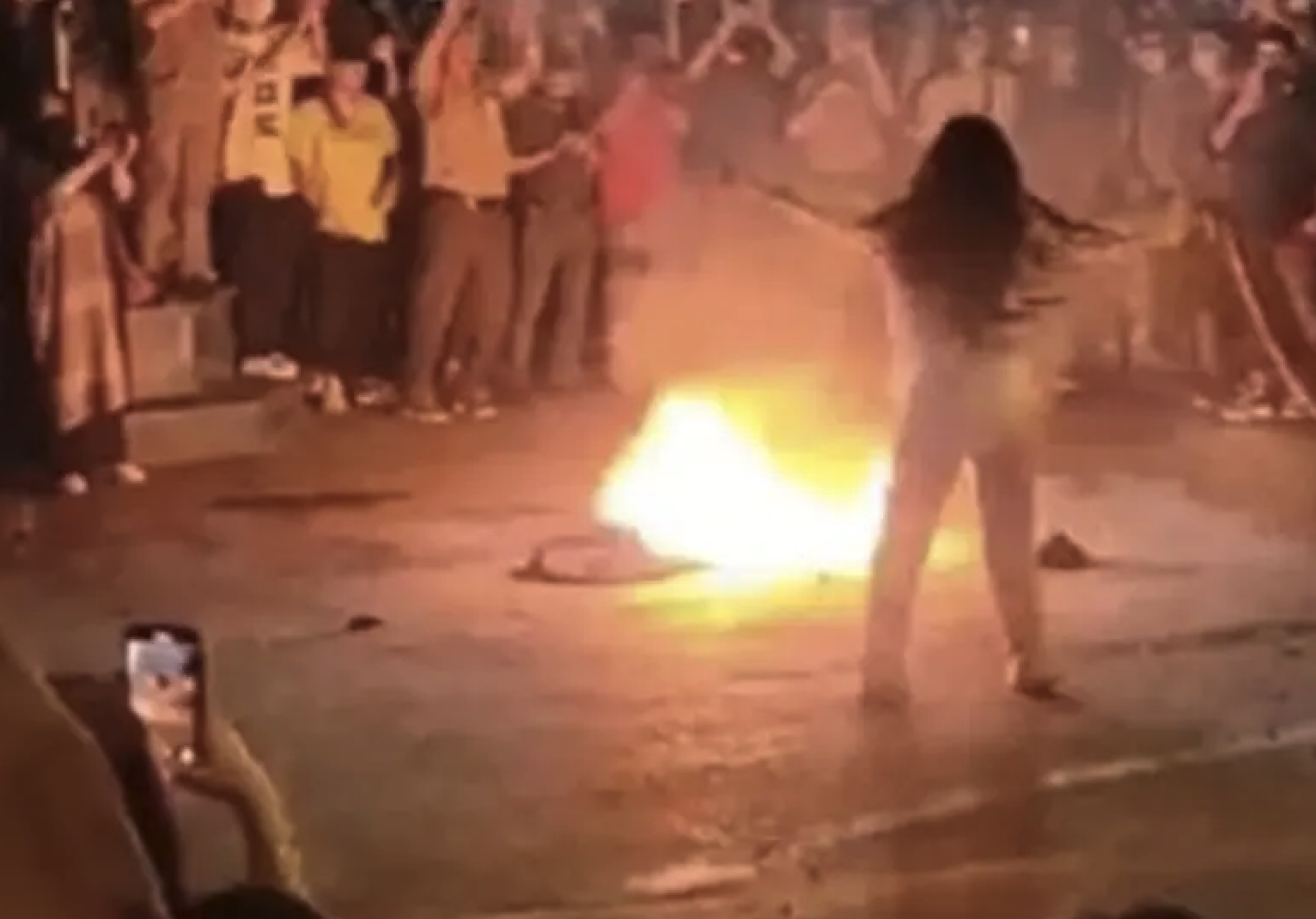
The facts are these. On September 13, Iran’s morality police arrested 22-year-old Mahsa Amini for violating the legally required Muslim dress code for women. She was wearing the mandatory head scarf (hijab), but apparently it did not correctly conceal all of her hair. Three days later, Amini died while still in police custody. The government blames a heart attack, but suspicions that she was abused run rampant.

In the spontaneous uproar that resulted, refusal to wear the hijab became a symbol of resisting oppression as protests across the nation targeted not only restrictions for women but expressed over-all rejection of the harsh theocratic regime that has ruled revolutionary Iran the past 43 years. At this writing, at least 200 Iranians have reportedly been killed and 1,500 demonstrators arrested.

Azadeh Moaveni of New York University wrote in The New York Times that resentment boiled over in part because women in Tehran’s wealthy and politically-connected elite flagrantly ignore the Muslim dress laws without arrest.

There’s always been vigorous discussion of the complexities about exactly what attire is properly modest and thus faithful to Islam.

Responding to events in Iran, Deina Abdelkader at the University of Massachusetts Lowell contends that clothing rules “have nothing to do with Islamic tenets” while Muslim countries have imposed — or forbidden — forms of women’s attire in order to proclaim their ideology, whether secular or scrupulously religious.

Islam’s fundamental concern here is not unique, since religions normally advocate modesty and propriety. In particular, Jewish tradition associates attire as part of a general admonition in the Torah (Deuteronomy 23:15, JPS translation): “Let your camp be holy; let Him [God] not find anything unseemly among you and turn away from you.”


Please respect our Commenting Policy

'Indulgences' for Russian soldiers killed in Ukraine? Remember that Moscow speaks for Moscow

'Indulgences' for Russian soldiers killed in Ukraine? Remember that Moscow speaks for Moscow

Once again, the thought for the day is this: Eastern Orthodoxy is not the Church of Rome. There is no pope at the top of a unified Orthodox ecclesiastical structure that speaks for everyone.

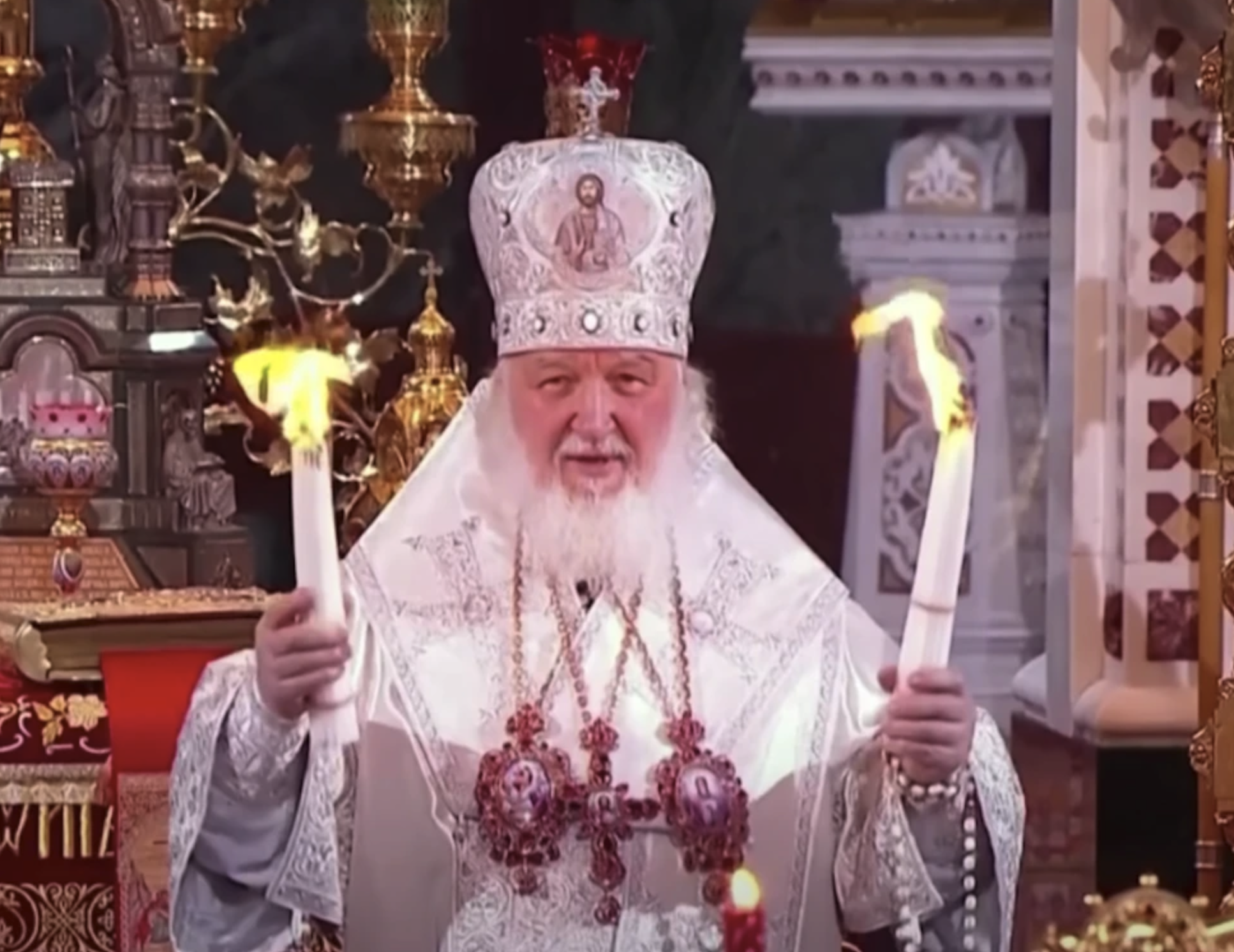
I’m talking, of course, about the most recent controversial — to say the least — comments by the patriarch of Moscow. As one reader asked: “I'm interested to know what the buzz is in the Orthodox world about Patriarch Kirill's recent statements in support of Russia's mobilization. I'm sure you've seen it 100 times.”

I saw it 100 times. But I’ve been traveling for nearly a week, so I apologize for the delay in this post.

What’s up? There was this headline at Reuters, which was typical of several reports: “Orthodox Church leader says Russian soldiers dying in Ukraine will be cleansed of sin.” Here is the top of that:

The head of the Russian Orthodox Church has said that Russian soldiers who die in the war against Ukraine will be cleansed of all their sins, days after President Vladimir Putin ordered the country's first mobilisation since World War Two.

Patriarch Kirill is a key Putin ally and backer of the invasion. He has previously criticised those who oppose the war and called on Russians to rally round the Kremlin.

"Many are dying on the fields of internecine warfare," Kirill, 75, said in his first Sunday address since the mobilisation order. "The Church prays that this battle will end as soon as possible, so that as few brothers as possible will kill each other in this fratricidal war."

"But at the same time, the Church realises that if somebody, driven by a sense of duty and the need to fulfil their oath ... goes to do what their duty calls of them, and if a person dies in the performance of this duty, then they have undoubtedly committed an act equivalent to sacrifice. They will have sacrificed themselves for others. And therefore, we believe that this sacrifice washes away all the sins that a person has committed."

Yes, Patriarch Kirill speaks for Patriarch Kirill and does not speak for all of Eastern Orthodoxy (and may not be speaking for all of his own synod). Meanwhile, the “first among equals” Ecumenical Patriarch in Istanbul does not speak for all Orthodox leaders, even if — at times — it appears that he thinks that he has that authority (such as his intervention in decades of Orthodox divisions in Ukraine).

Will Orthodox leaders speak out against the remarks by Kirill?


Please respect our Commenting Policy

Plug-In: 'Faith-based FEMA' -- religious groups rush to help others after Hurricane Ian

Plug-In: 'Faith-based FEMA' -- religious groups rush to help others after Hurricane Ian

Over the years, I’ve covered the faith-based response to quite a few hurricanes.

I traveled to New Orleans after Katrina, Houston after Harvey, the Florida Panhandle after Michael and Puerto Rico after Irma and Maria. No doubt I’m forgetting a few.

Inevitably, those watching the disturbing images on television or social media want to help immediately. But typically, assessing the needs requires a bit of time.

That leads us to Hurricane Ian, the megastorm setting its sights on South Carolina’s coast after causing catastrophic damage in Florida.

“The best way to help after Hurricane Ian is to give financially to established organizations responding to the disaster,” said Jamie Aten, co-founder of Spiritual First Aid and co-director of the Humanitarian Disaster Institute at Wheaton College in Illinois.

“Reach out to those you know who have been impacted to ask how you might help,” Aten added. “Our research shows that providing spiritual support and attending to basic needs helps reduce distress in the face of disasters.”

At Christianity Today, Aten and Kent Annan provide a “free spiritual and emotional toolkit for Hurricane Ian.”

President Joe Biden on Thursday praised Federal Emergency Management Agency workers mobilizing to help. The federal government’s response is, of course, crucial after a natural disaster.

But so is that of the “faith-based FEMA” — from Mennonite chainsaw crews to Southern Baptist feeding teams to Seventh-day Adventist warehousing experts adept at collecting, organizing and logging relief supplies, as I’ve written previously.


Please respect our Commenting Policy

In Islamic tradition, what is a fatwa? Why the demands to kill novelist Salman Rushdie?

In Islamic tradition, what is a fatwa? Why the demands to kill novelist Salman Rushdie?

THE QUESTION:

In Islam, what is a fatwa? Why the demand to kill novelist Salman Rushdie?

THE RELIGION GUY’S ANSWER:

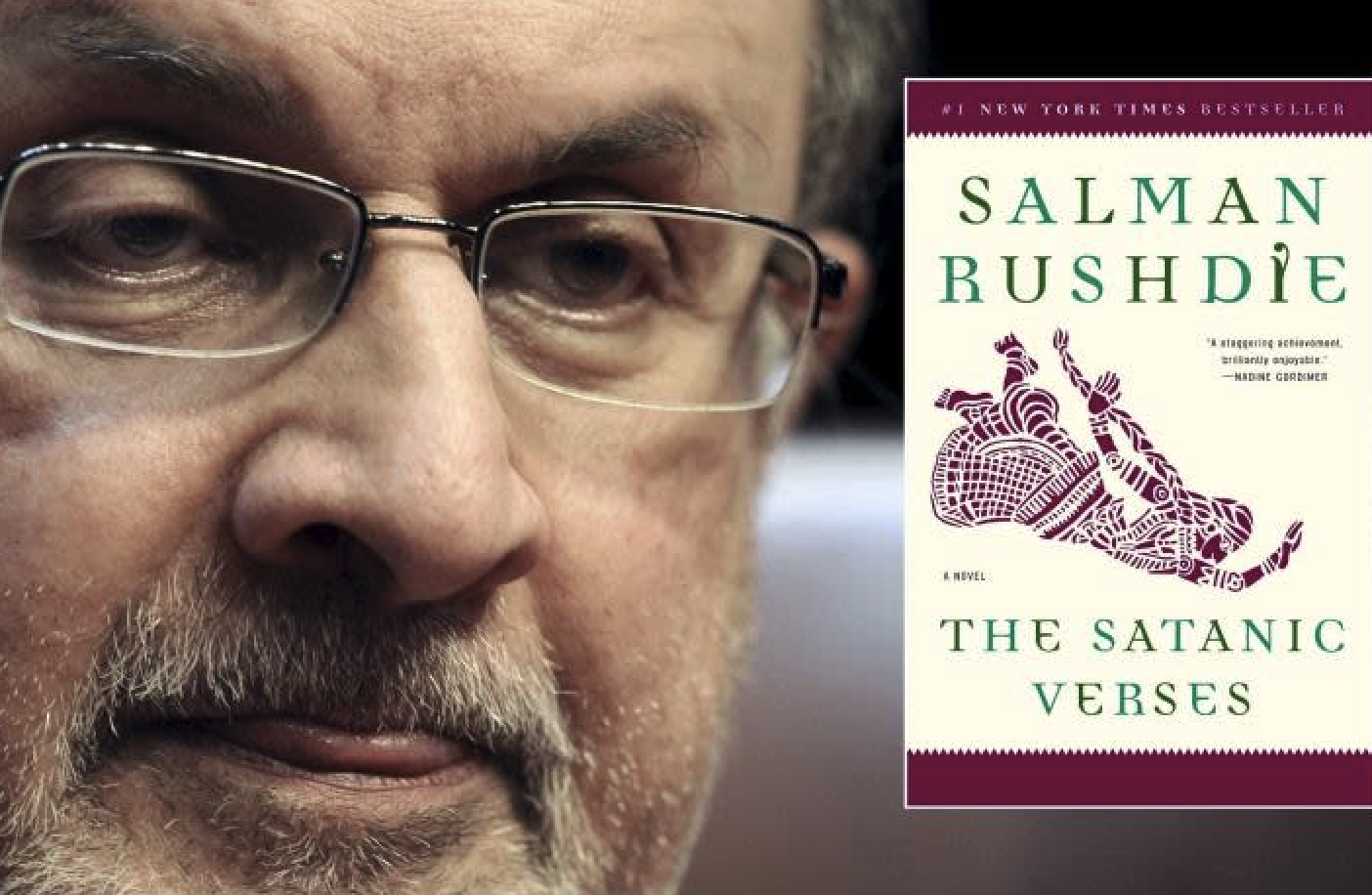
In 1989, the Ayatollah Ruhollah Khomeini, Iran’s theocratic ruler, ordered the assassination “without delay” of novelist Salman Rushdie because of his novel “The Satanic Verses.” Remarkably, this official fatwa imposed the duty of freelance killing in the name of God upon masses of Muslim believers in all nations, and also demanded death for the editors and publishers involved with the book.

Three decades later, a Lebanese-American stands accused of attempting to murder Rushdie by repeated stabbings onstage at New York’s Chautauqua Institution. The author suffered severe injuries but survived. Though the Muslim Council of Britain condemned the attack, the Iranian regime’s Kayhan newspaper dispatched “a thousand bravos” to “the brave and dutiful” assailant while militants in other Muslim lands celebrated. We’ll see what prosecutors and defense attorneys finally say about links between Iran’s fatwa of death and the sensational bloodshed.

Rushdie’s complex fantasy had dream sequences in which depraved enemies of Islam — not the author himself — complain about moral absolutism and treatment of women and demean the Prophet Muhammad’s wives and closest Companions. They also challenge the divine inspiration of the Quran. A Wall Street Journal op-ed correctly noted that the far greater threat to the Quran is the revisionist theorizing on its origins by the late John Wansbrough at the University of London.

The Rushdie novel resulted in book-banning and riots in the Muslim world, and the famous fatwa sent Rushdie into hiding for years. In 1998, Iran’s president declared the case “finished” during diplomatic efforts, but the regime did not actually abolish the fatwa. It was reaffirmed by Khomeini’s successor as Supreme Leader in 2017, and re-published on a government Web site five days before the Chautauqua stabbing. During the past decade, Iranian groups have pledged to pay a $3.9 million bounty to anyone who slays Rushdie.


Please respect our Commenting Policy