International News

No longer a Ukraine news sidebar: Pope Francis asks if combat can ever be moral

No longer a Ukraine news sidebar: Pope Francis asks if combat can ever be moral

As Russia's invasion sought to erase Ukraine from the map, Moscow's Orthodox Patriarch Kirill, a key ally of dictator Vladimir Putin, met via video last week with Pope Francis.

The Religion Guy had planned to propose a wartime sidebar about the theological justifications for combat that could run any time, but suddenly the theme has gained timely mainbar status.

That's because an official Vatican release reported that Francis stated this at the meeting: "There was a time, even in our churches, when people spoke of a holy war or just war. Today we cannot speak in this manner. A Christian awareness of the importance of peace has developed. Wars are always unjust, since it is the people of God who pay."

Francis' 2020 encyclical Fratelli Tutti declared similarly that "it is very difficult nowadays to invoke the rational criteria elaborated in earlier centuries to speak of the possibility of a 'just war'."

Francis deplores the bloodshed in Ukraine, but did not publicly castigate Putin or Russia by name, presumably in case a neutral papacy could help negotiate an end to the conflict. (That argument is used to explain Pope Pius XII's silence during Nazi Germany's Holocaust against European Jewry.)

Journalists can, at this point, ask several logical questions:

* Is Francis declaring dead the church's "just war" teaching, first formulated in the 5th Century by St. Augustine?

* Should 1.36 billion Catholics shift to pacifism, which excludes support for all wars?

* Is Ukraine wrong to take up arms to defend its existence as a sovereign and democratic nation?

Nearly all Christian commentators agree that Russia's aggression is evil and Ukraine's military defense against it is justified.
Please respect our Commenting Policy

Thinking about world Christianity, as Crux digs deep into many overlooked Catholic details

Thinking about world Christianity, as Crux digs deep into many overlooked Catholic details

It’s hard to believe that it has been two decades since historian Philip Jenkins published his groundbreaking essay “The Next Christianity” in The Atlantic Monthly.

It contained key material from the first of three books that Jenkins published on the future of world Christianity and, thus, of the changing face of world religion — period. The first book was entitled: “The Next Christendom: The Coming of Global Christianity.

This piece of the Atlantic subtitle is crucial: “We stand at a historical turning point, the author argues — one that is as epochal for the Christian world as the original Reformation. Around the globe Christianity is growing and mutating in ways that observers in the West tend not to see.”

Sure enough, many reporters didn’t see what Jenkins was describing, even though clashes between the chilly, declining Christian West and the blooming Christian South and East are easy to see looming in the background of many major stories. As the Anglicans and United Methodists about that.

Understanding Jenkins’ work is a crucial first step to understanding the importance of a new Crux think piece by the omnipresent John L. Allen, Jr. The headline: “In new Catholic numbers, an ‘imponderable’ movement shaping history.”

First, consider this from Jenkins:

If we look beyond the liberal West, we see that another Christian revolution, quite different from the one being called for in affluent American suburbs and upscale urban parishes, is already in progress. Worldwide, Christianity is actually moving toward supernaturalism and neo-orthodoxy, and in many ways toward the ancient worldview expressed in the New Testament: a vision of Jesus as the embodiment of divine power, who overcomes the evil forces that inflict calamity and sickness upon the human race. In the global South (the areas that we often think of primarily as the Third World) huge and growing Christian populations — currently 480 million in Latin America, 360 million in Africa, and 313 million in Asia, compared with 260 million in North America — now make up what the Catholic scholar Walbert Buhlmann has called the Third Church, a form of Christianity as distinct as Protestantism or Orthodoxy, and one that is likely to become dominant in the faith.


Please respect our Commenting Policy

Podcast: Why would journalists want to edit St. Patrick's voice out of stories about his feast?

Podcast: Why would journalists want to edit St. Patrick's voice out of stories about his feast?

When you think of St. Patrick’s Day, what leaps to mind?

Maybe I should ask the question like this: When you think about mainstream-press news coverage of St. Patrick’s Day, what leaps to mind?

Green beer? Corned beef and cabbage (during Lent)?

Great masses of people — primarily in big cities in the Acela Zone and the Rustbelt — going more than a little crazy? Politicians trying to march next to the Catholic archbishop of New York, when they disagree with him on most hot-button issues? Lawsuits about LGBTQ groups demanding to march in a parade that, once upon a time, had something to do with Christian hero?

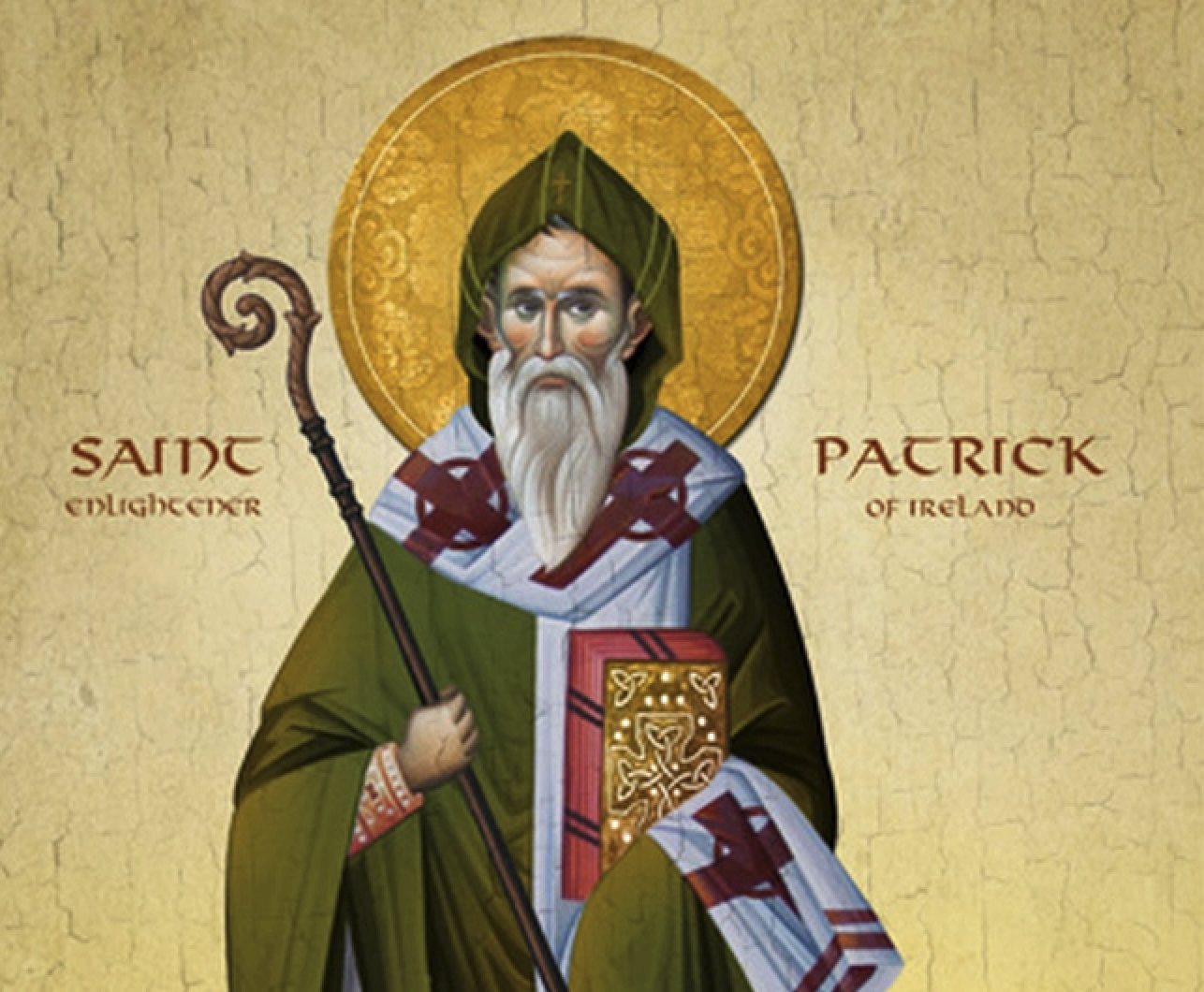
Questions like these were at the heart of this week’s “Crossroads” podcast (CLICK HERE to tune that in), which got rather personal — since my family embraced the Celtic saints when we converted to Orthodox Christianity. My patron saint is St. Brendan and my daughter’s is St. Brigid (more on this later).

The Big Idea of this podcast was quite simple: It is totally valid for journalists to focus on civic celebrations of St. Patrick’s Day and other modern variations on the veneration (not worship) of the great Celtic saints. The problem is when they leave readers in the dark about the details in the lives of these saints (along with debates about those details), along with the prayers and rites linked to them.

For example, when you think about St. Patrick do these words come to mind?

My name is Patrick. I am a sinner, a simple country person, and the least of all believers. I am looked down upon by many. My father was Calpornius. He was a deacon; his father was Potitus, a priest, who lived at Bannavem Taburniae. ... His home was near there, and that is where I was taken prisoner. I was about sixteen at the time. At that time, I did not know the true God. I was taken into captivity in Ireland, along with thousands of others.

That’s the first few lines of the Confession of St. Patrick, a document that historians take quite seriously — in part because it focuses on the faith and history of this great missionary bishop, while ignoring all kinds mythological details that came later.


Please respect our Commenting Policy

Never forget: There are more than two strategic camps in the global United Methodist war

Never forget: There are more than two strategic camps in the global United Methodist war

It’s time for another religion-beat journey beyond “whataboutism” and the basic assumption that all controversial subjects have “two sides,” and that’s basically that.

Of course, we live in an age in which many elite newsrooms decline to cover “one side” of a story if, according to newsroom doctrines, it’s already obvious which side is good and which side is bad. Here at GetReligion we have a term for this — “Kellerism,” a nod to candid remarks once made, on the record, by former New York Times editor Bill Keller.

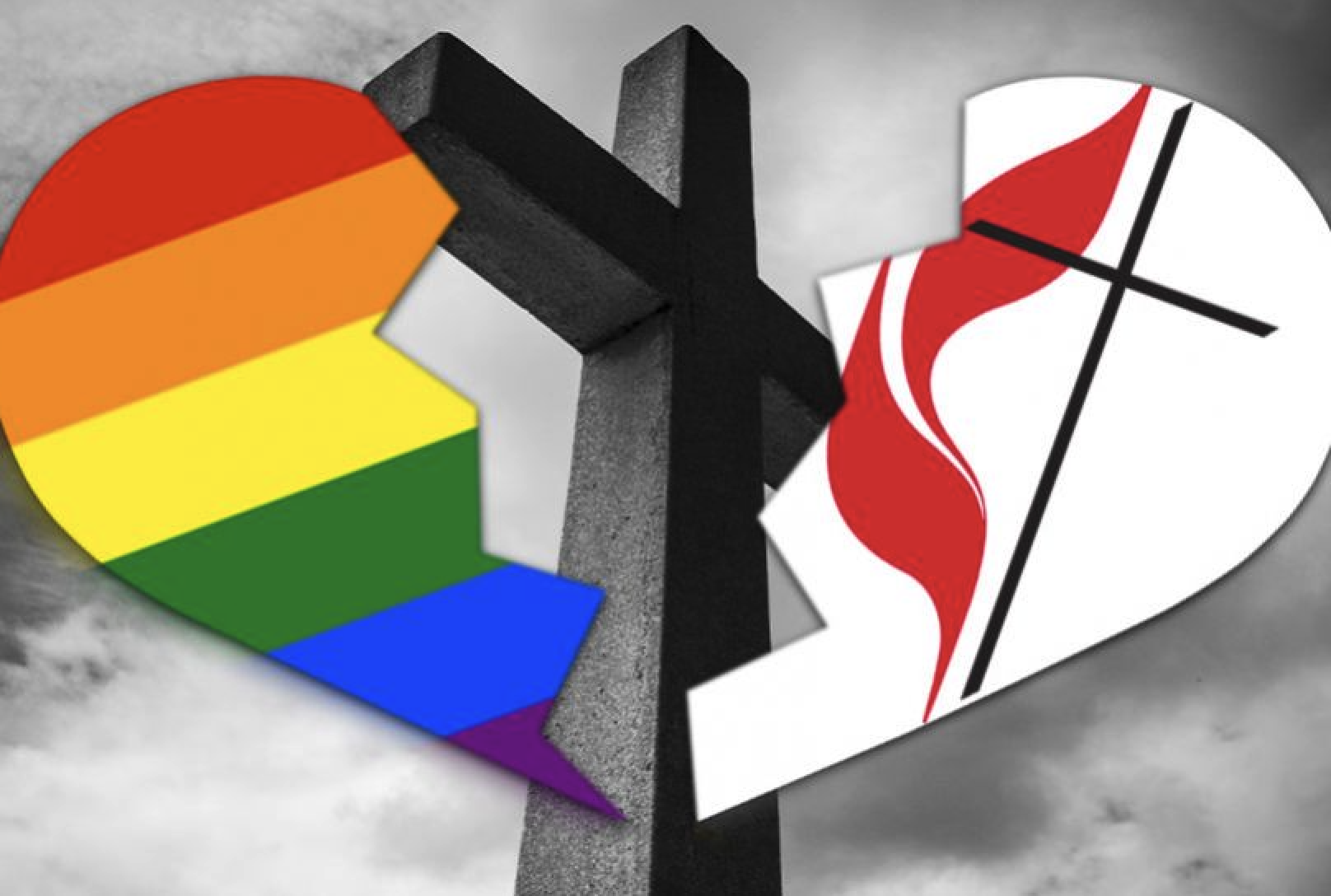
In this case, we are looking at a religion-beat superstory at the local, regional, national and global levels — the break-up of the United Methodist Church, the second largest Protestant denomination in America.

To get the big picture, please see this recent GetReligion post by Richard Ostling: “The latest United Methodist bombshell will create news throughout 2022 and beyond.” To see how long this battle has been going on, check out this “On Religion” column that I wrote in 1998: “United Methodists — Breaking up is hard to do” and two more on a related topic, “Old fault lines can be seen in the ‘seven churches’ of divided Methodism” (and then part II).

Here are Three Big Ideas for today. Remember that I have, as a reporter, been wrestling with this ongoing story since the early 1980s.

(I) Never forget the unique element of this story, which is that the United Methodist Church has a GLOBAL structure that includes the growing churches of Africa and Asia, as well as the splintering (and usually shrinking) congregations in the United States. Readers should question news reports that fail to mention — or even stress — the racial and cultural diversity of the global conservative United Methodism coalition.

(II) While fights about LGBTQ issues make headlines, the United Methodist wars have — behind the scenes — included clear divisions on basic, even credal, issues in Christian theology. In addition to clashing views of biblical authority, we’re talking about splits on salvation, sin, heaven, hell, the Resurrection and the very nature of Jesus Christ. Reporters need to ask questions about issues other than sex.

(III) There are, at the very least, three major groups involved in this story. Let’s call them the “candid left,” the “establishment left” and then the “traditional” United Methodists, as in the defenders of the existing laws and doctrines in the United Methodist Book of Discipline. However, there are subgroups on the right. Never assume that the global conservatives have precisely the same views as their American counterparts.

To see that these issues look like “in the wild,” consider this recent Religion News Service story: “Vote delayed again, some United Methodists say they quit. Now what?”


Please respect our Commenting Policy

Beyond the Orthodox questions: How might the Ukraine war scramble world Christianity?

Beyond the Orthodox questions: How might the Ukraine war scramble world Christianity?

Russia's invasion of Ukraine has potential to be "the most transformational" European conflict since World War II, writes New York Times foreign policy columnist Thomas Friedman.

Will it be transformational for Christianity?

There's a slim chance peace could be restored, but at this writing Russian dictator Vladimir Putin appears committed to doing whatever it takes to demolish the independence of his once-friendly neighbor and its young democracy. We might see Russian military occupation, a puppet regime, persistent armed resistance by furious Ukrainians, ongoing aid by the West and at some future point a humiliating defeat and withdrawal -- a replay of the decade-long occupation of Afghanistan that played into the Soviet Union's collapse and therefore to Ukraine's independence.

Russia faces accusations of war crimes amid mass killings of innocent civilians, and bombardment of homes, hospitals, schools and infrastructure, with attendant suffering.

The contours of world Christianity could be scrambled, as a result of all of this. This religious aspect seems a mere sidebar for the news media just now.

But long term, the Russian Orthodox hierarchy has fused the church's stature with a regime hit by widespread moral condemnation, sagging influence and rising economic and diplomatic isolation. Opprobrium comes not just from the U.S. and western allies. In a United Nations vote, 141 nations denounced the "aggression" while only four problematic regimes backed Russia. Even China abstained.

The media should be alert to the following possible scenarios.

The starting point for discussion is a current church split within Ukraine, whose Orthodox population is second only to the massive church of Russia. See detail here in a previous Memo.

In 1686, the Ecumenical Patriarch, "first among equals" who lead Orthodoxy's independent "autocephalous" branches, granted the Moscow Patriarch the jurisdiction over Ukraine that it still exercises. But after national independence, a rival Orthodox Church of Ukraine now led by Metropolitan Epiphanius arose, and Ecumenical Patriarch Bartholomew — with the sympathy of western leaders — formalized its autocephalous status in 2019.


Please respect our Commenting Policy

Podcast: What's next for Russian priests who asked if Putin will be damned for invading Ukraine?

Podcast: What's next for Russian priests who asked if Putin will be damned for invading Ukraine?

Warning: The following is not a “whataboutism” comparison between Joe Biden and Vladimir Putin or an attempt to find some kind of moral equivalence between their policies and actions.

What I am doing is making a comment about what journalists can and cannot know about a leader’s public and private religious convictions. This is a key theme in this week’s “Crossroads” podcast (CLICK HERE to tune that in) about religious issues linked to Putin’s invasion of Ukraine. The big idea is that politicians in a variety of cultures are skilled, when it comes to using religious themes and symbols.

First, what do we know about Biden’s Catholic beliefs?

We know that he carries a rosary, knows how to use it and frequently attends Mass, almost always in parishes sympathetic to him. We know that ancient doctrines in Catholic moral theology are important to him when it comes to immigration and social justice issues, but not when it comes to marriage, abortion, sexual ethics and, until recently, the death penalty.

What does this tell us about what he does or does not say during Confession and other crucial issues about the content of his faith? Next to nothing. Thus, his actions are crucial.

Now, what do we know about Putin’s Orthodox beliefs?

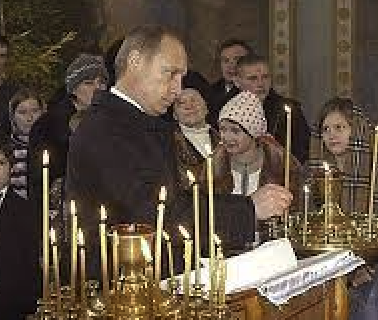
We know that he built a chapel near his office, that he knows how to make the sign of the cross and light prayer candles. We know that he believes that Orthodox Christianity is a crucial part of Russian history and that “Holy Mother Russia” is an important concept in Russian identity and nationalism. We know that issues such as abortion and marriage formation were not important to him — until it became clear that Russia is in a state of demographic collapse. Putin has, of course, used major themes from Orthodox history to justify his actions in Ukraine.

We also know that his government and his supporters have poured oceans of money into the rebuilding of Orthodox churches in the post-Soviet era, believing that this is in the national interest. This matters in a nation that endured the most sweeping wave of martyrdom in Christian history, with the closing of 98% of the land’s churches, the murder of 200,000 bishops, priests and nuns and millions of others in death camps, purges, planned famines (in Ukraine, especially) and other forms of persecution. We know that some clergy were crucified on the doors of their churches, slaughtered on their altars or stripped naked, doused with water and left outdoors in winter.

What does this tell us about what Putin does or does not say during Confession and other crucial issues about the content of his faith? Next to nothing. Thus, his actions are crucial.


Please respect our Commenting Policy

The latest United Methodist bombshell will create news throughout 2022 and beyond

The latest United Methodist bombshell will create news throughout 2022 and beyond

Yet another United Methodist bombshell will create news throughout 2022 and beyond

In this, the 50th anniversary year of the 12.9-million-member United Methodist Church's fierce debate over the Bible and sexuality, a late summer General Conference was set to settle how to split. But a March 3 bombshell announcement cancelled this all-important meeting, already postponed twice due to COVID. Without plans for an orderly and respectful breakup, rancor will persist till delegates finally do assemble, presumably in May, 2024.

Here's some lay of the land for the media through 2022 and beyond.

"The only problem with [cancellation] is everything," remarks Religion News Service commentator Jacob Lupfer. "Every major faction in the church agrees on the need for schism. The status quo is untenable." The liberal Reconciling Ministries Network supports the delay, but "this lengthening test of our patience" postpones "the road to justice for our LGBTQ+ kin" who want a policy change that regularizes weddings and clergy ordinations for Methodists in same-sex relationships.

Conservatives are more upset, so much so they immediately rushed to launch a new "Global Methodist Church" (GMC) on May 1. Mark your calendars: GMC supporters will hold a "global gathering" in Avon, Indiana, just afterward on May 7. The GMC will combine U.S. conservatives with sizable groups from the Methodists' flocks in Africa, the Philippines and elsewhere in the diverse Global South. (Most other "mainline" denominations exist in the United States only.)

Crucially, the breakup "protocol" on the 2022 General Conference agenda would have approved a temporary time window until 2024 during which congregations could quit the UMC and keep ownership of their buildings and other assets. The 2024 General Conference could still OK such an escape clause, but by then the schism will be in full swing.

Here is the key for journalists working at the local and regional levels: Without a mutually agreed pact, Lupfer expects expensive, "chaotic, unruly litigation."


Please respect our Commenting Policy

Stories about Ukrainian Jews? Try a 1,000-year history, the Pale of Settlement and a global diaspora

Stories about Ukrainian Jews? Try a 1,000-year history, the Pale of Settlement and a global diaspora

In August 1991, I visited Ukraine, then still a captive state within the Union of Soviet Socialists Republics. The USSR was on its last legs and western media pundits, academic experts and gloating politicians predicted its full collapse at any moment.

History was about to explode in risky and unpredictable ways. But that wasn’t my prime concern. I didn’t go there to cover a political revolution.

Rather, I was in Ukraine for two weeks to write about the historic Jewish community of Odessa, the Black Sea port city that was once one of the Russian empire’s Crown Jewels. Sadly, as I write, Odessa faces what’s likely to be a large-scale Russian military assault. Just don’t call it a war in the streets of Moscow.

My employer back then was the Baltimore Jewish Times. The paper sent me to Ukraine because Baltimore and Odessa were “sister cities.” (Meaning the Baltimore Jewish community committed itself to financially assisting Odessa’s then-largely poverty stricken Jews and to rebuilding Jewish community institutions largely destroyed under, first, the Nazis, and then the Soviet. To this day, Baltimore has maintained its commitment.)

The first story I wrote for the Jewish Times ran under the headline, “An Uncertain Future for the Jews of Odessa.” The headline (sorry, but I can’t find a working link to this story) reflected the situation as I experienced it.

One might say that it was also prescient, given the horrific situation there today. The current Russian invasion has reduced “uncertain” to a sad understatement.

My guess is most GetReligion readers have followed the Ukraine crisis closely. If so, I assume you’ve also noted the slew of sidebars about Ukraine’s Jewish population.

Why emphasize this angle when the Ukraine story has so many larger implications? Some historical background will help.

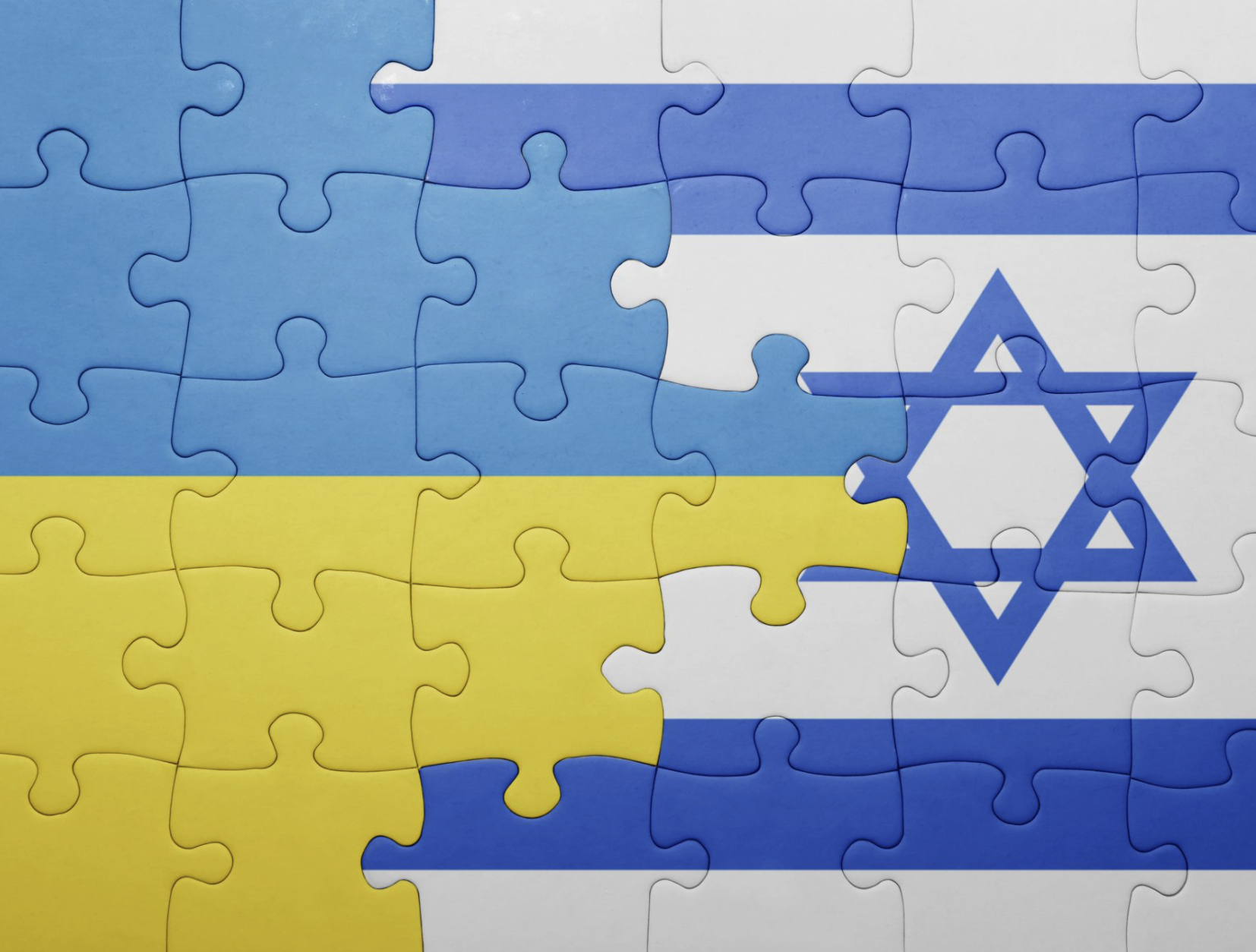
Prior to the start of the current civilian refugee exodus, Ukrainian Jews numbered an estimated 100,000-200,000 individuals, down from nearly a half-million in 1989. That’s quite a spread. But even if the actual number is at the estimate’s low end it still means Ukraine has one of the five largest Jewish communities in Europe.


Please respect our Commenting Policy

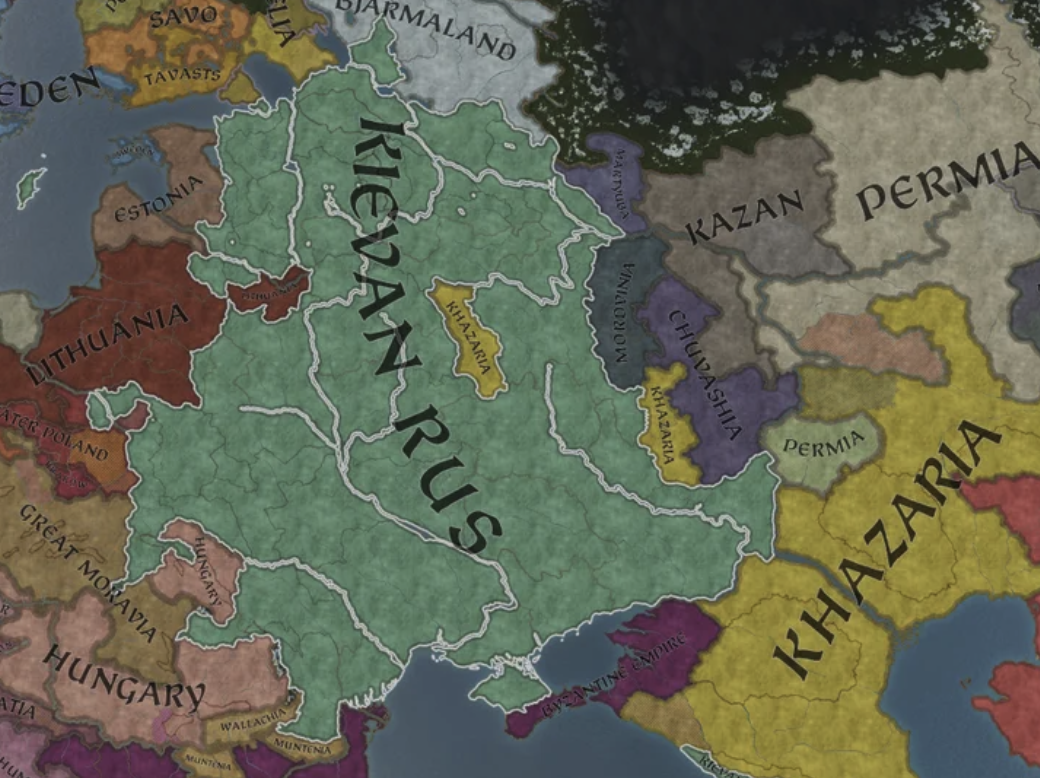
Question for New York Times scribes and others: Did Vladimir Putin dream up the Kievan Rus?

Question for New York Times scribes and others: Did Vladimir Putin dream up the Kievan Rus?

If you know anything about the New Testament, then you know that St. Paul spend a lot of time and energy in the great cities of Greece.

It would seem logical for one of the ancient patriarchates of Eastern Orthodoxy to be located in Greece, perhaps in Athens, Corinth or Thessaloniki. So who is the patriarch of the Greek Orthodox Church? Why are the great churches of Greece led by archbishops, instead of their own patriarch?

That’s a complicated question (click here for Orthodox Wiki timeline) and, as always, the Orthodox will argue about many historical twists and turns. But the big idea is that over the centuries Constantinople grew to become the great city of the wider Greek world and, thus, the leader of Greek Orthodoxy remains in Istanbul. That’s where the Ecumenical Patriarch’s few remaining churches have faced crushing persecution by the Turks. Consider the plight of Turkey’s only seminary, in Halki, which has been shuttered for half a century. Halki is a tragic and sad place. I’ve been there.

Thus, the archbishops in Greece are powerless and without influence? Tell that to the Greeks.

What does this have to do with a simplistic, laugh-to-keep-from-crying paragraph of unattributed information — written in classic “omniscient anonymous" voice — in another New York Times story about the religious tensions in Ukraine? Here is that paragraph:

The Russian church … has made no secret of its desire to unite the branches under a single patriarch in Moscow, which would allow it to control the holiest sites of Orthodoxy in the Slavic world and millions of believers in Ukraine. The Ukrainian Orthodox Church, for its part, has been slowly asserting itself under its own patriarch, reviving a separate and independent branch of Eastern Orthodoxy, after the independence of Ukraine in 1991.

Where to begin?

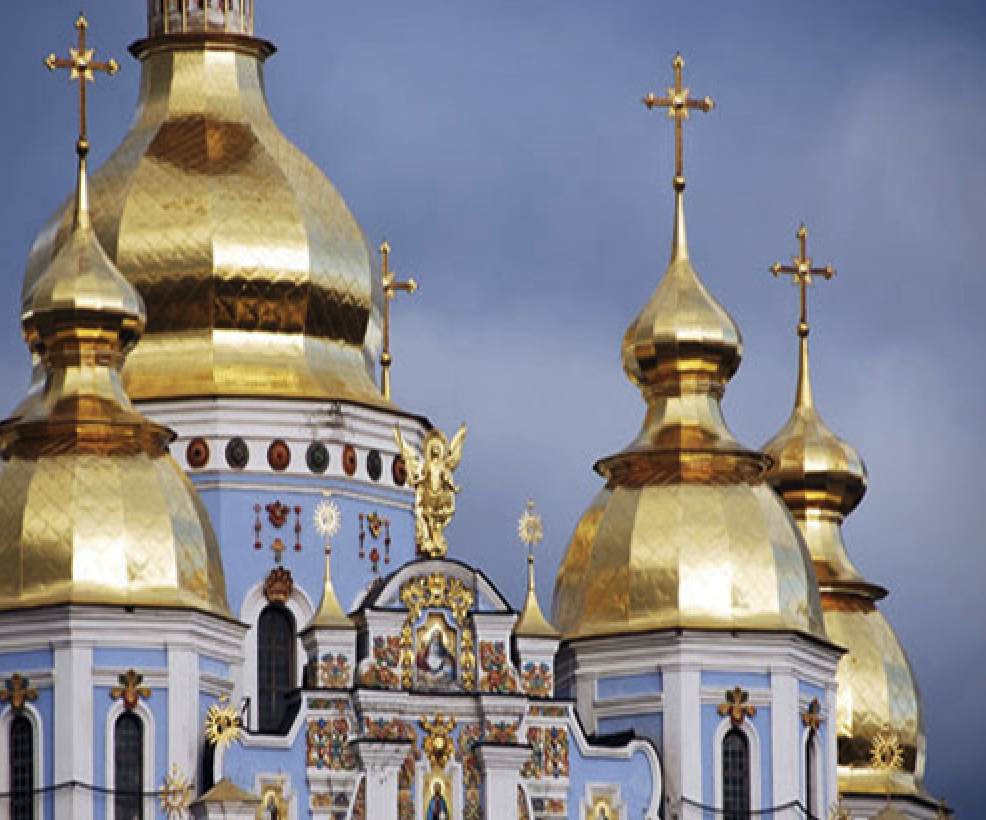
If you know anything about Orthodox Christianity in the Slavic world, you know that the story begins in Kiev in 988 with the “Baptism of Rus“ in the waters of the Dnieper River, after Prince Vladimir embraced Orthodox Christianity as the faith of his lands. The famous Lavra of the Kievan Caves was founded in 1051, marking the birth of monasticism in what would become the Russian world.

Kiev was the key city in Slavic Orthodoxy. However, Moscow grew in importance and, eventually, became the base for the Russian Orthodox Church, much as Constantinople became the great city of the wider Greek world.


Please respect our Commenting Policy