Demographics

Anglicans are wrestling with 'climate change' in their pews: Will they adapt and survive?

Anglicans are wrestling with 'climate change' in their pews: Will they adapt and survive?

Journalist Michael Kinsley famously added a twist to American politics when he redefined a "gaffe" as when "a politician tells the truth -- some obvious truth he isn't supposed to say."

As the Rev. Neil Elliot of the Anglican Church of Canada discovered, this term also applies to religious leaders.

After seeing 2018 General Synod reports, the denomination's research and statistics expert produced an analysis that included this: "Projections from our data indicate that there will be no members, attenders or givers in the Anglican Church of Canada by approximately 2040."

Reactions to his candor varied, to say the least.

"I think of it very much like … people's responses to climate change," said Elliot, updating his earlier remarks in a video posted by Global News in Canada.

Signs of church "climate" change? In the early 1960s, Anglican parishes in Canada had nearly 1.4 million members. But that 2018 report found 357,123 members, with an average Sunday attendance of 97,421. The church had 1,997 new members that year, while holding 9,074 burials or funerals.

Canada's national statistics agency reported that 10.4% of all Canadians were Anglicans in 1996, but that number fell to 3.8% in 2019.

People have one of three reactions when faced with these kinds of numbers. The first "is denial. People are saying, 'We're, we're … It's not happening,' " said Elliot, while counting the options on one hand. "Then there's people who say, 'We can stop it.' And then there's people who say, 'We can adapt.'

"The adapt language is much more rare and I'm only starting to hear it on the media in the last few months. … That's what I'm trying to get us to do within the Anglican church. It's, 'How do we adapt to it?' not, 'How do we stop it?' or … people burying their heads in the sand."

Please respect our Commenting Policy

Ask this: Why did many flocks survive or thrive in pandemic, while others were hit hard?

Ask this: Why did many flocks survive or thrive in pandemic, while others were hit hard?

Does anyone remember typewriters?

Long ago, I took my very first reporting class at Baylor University. The legendary Jprof David McHam ran this lab as a mini-newsroom. McHam would sit in the “slot” of a U-shaped desk, working with students as we turned in our rough drafts.

I heard him say this many times: “The story is all here, but you wrote it in the wrong order,” or words to that effect. McHam would take his copy-desk pica pole (the birthday cake cutter of choice in newsrooms) and rip our typewriter copy into multiple horizontal pieces, before putting them in a new order, secured with a long strip of clear tape. Then he would say: “Go write the story in that order.”

More often than not, the wise Jprof found crucial information and pulled it higher in the story — if not into the lede itself. In many cases, this was information that created a tension with a simple version of the “news” in the lede. In other words, he was pushing us to acknowledge that many stories were more complex than we wanted to think they were.

With that in mind, let’s look at an important COVID-tide story from the Associated Press: “At many churches, pandemic hits collection plates, budgets.”

Note the word “many” in that headline. I think many readers would assume that the coronavirus pandemic has caused disasters in pews and pulpits and that is that. The evidence, in this story, is more complex than that — especially with a little bit of cutting and pasting. Here is the overture:

Biltmore United Methodist Church of Asheville, North Carolina, is for sale.

Already financially strapped because of shrinking membership and a struggling preschool, the congregation was dealt a crushing blow by the coronavirus. Attendance plummeted, with many staying home or switching to other churches that stayed open the whole time. Gone, too, is the revenue the church formerly got from renting its space for events and meetings.


Please respect our Commenting Policy

Five big Catholic news angles that journalists will need to cover during 2022

Five big Catholic news angles that journalists will need to cover during 2022

As 2021 comes to a close, everyone is looking towards 2022. The news cycle over the last two years has been dominated by COVID-19 and that doesn’t seem to be subsiding — given the rash of infections the past few weeks as a result of the Omicron variant.

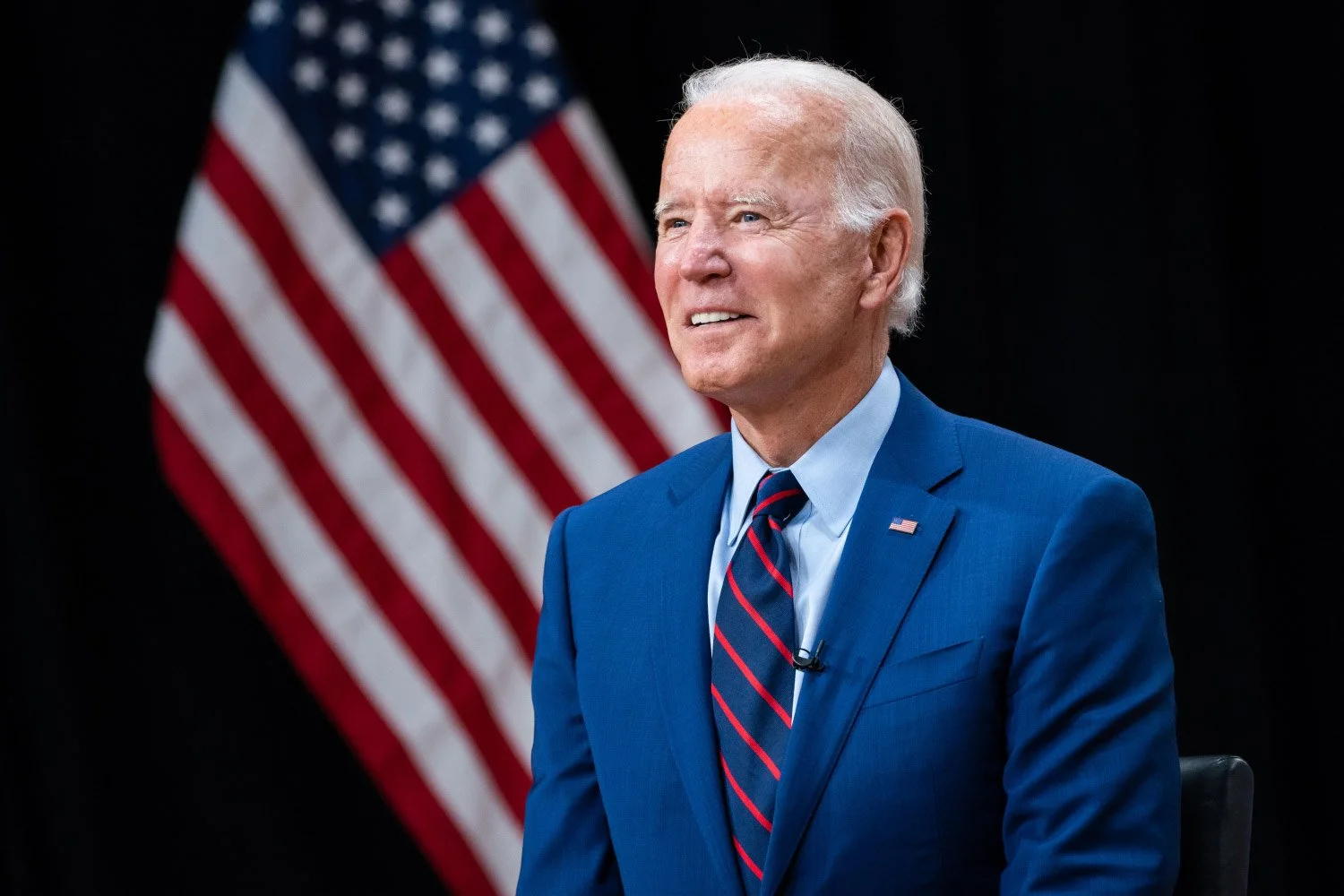
The Catholic world, meanwhile, had in 2021 one of its busiest years. The election of Joe Biden as president — this January will officially mark his first year in office — also dominated news coverage. That Biden was also a Catholic (only second after John F. Kennedy in 1960) thrust Catholicism into the political news coverage. Politics plus religion equals news. It’s a familiar formula.

Biden, a practicing Catholic who attends Mass on Sundays, was at odds this year with many U.S. bishops — setting up a year-long debate over whether he (and other pro-abortion politicians) should receive Holy Communion. In the end, the bishops offered more clarification in the importance of the Eucharist without singling out Biden. Truth is, no one knows if the bishops actually considered mentioning Biden or other pro-abortion-rights Catholics.

Issues around politics and religion will likely dominate once again in 2022. The abortion issue and a pending Supreme Court decision regarding access to it will be a big story in the coming year. The Catholic church, a major part of the abortion debate in this country for decades, will play a major role in news stories that will be written over the coming months.

At the same time, Pope Francis, who recently turned 85, will again be surrounded by rumors that he will either resign or die. Whether this pope — the most polarizing in centuries — can chip away at his agenda to change the church in the 21st century will continue to pit traditionalists versus progressives.

Here are the five big news trends and stories journalists need to keep an eye on in the new year:

(5) Pope Francis and his focus on a progressive agenda

This coming year could be the one where the battle between this pontiff and doctrinal traditionalists intensifies even further. A Dec. 17 Associated Press story set the stage for such a confrontation in what will be Francis’ ninth year as head of the Catholic church.


Please respect our Commenting Policy

United Methodist pastor who joined drag queen show? Now it's more than an RNS story

United Methodist pastor who joined drag queen show? Now it's more than an RNS story

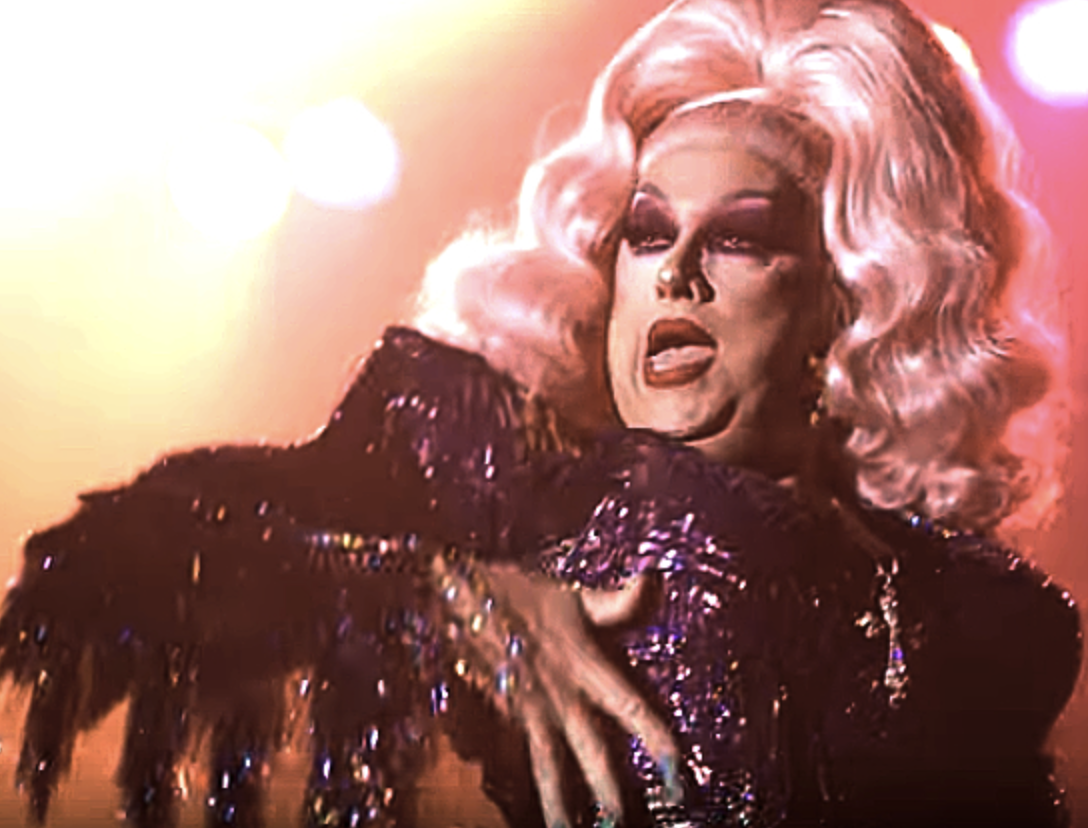
Remember the United Methodist pastor who decided to strut his stuff as a drag queen on HBO?

Well, that story is now bigger than the original Religion News Service coverage, which I discussed in this GetReligion post: “United Methodist pastor dives into HBO drag-queen culture, drawing joyful RNS applause.

That pastor is out of a job, a plot twist that drew coverage from both the Associated Press and USA Today. We will come back to those stories later in this post — especially a jaw-dropping display of slanted language in the AP report, of all places.

But this has been an archetypal RNS mainline Protestant story from the get-go and the wire service’s update contains, well, about half of the essential information that readers needed to know.

What’s missing? The same thing as the first time around — any attempt to accurately reflect the views of conservative United Methodists in the pews of this pastor’s church. It was crucial, of course, to interview United Methodists and LGBTQ activists who backed this progressive pastor. At the same time, it would have helped to interview people on the other side of the debate. Maybe?

Here is the overture of the new RNS report: “Pastor who appeared in drag on HBO’s ‘We’re Here’ forced to leave his church.

When Pastor Craig Duke appeared in drag on the HBO reality show “We’re Here,” he knew that some members of his United Methodist congregation would appreciate the episode and that others wouldn’t even watch it.

He also knew some members of his congregation support the full inclusion of LGBTQ Christians in the church and others don’t, and that would make his performance on the show a “challenging experience.”

But he didn’t think it would cost him his job.


Please respect our Commenting Policy

Tops in religion for 2021: Gallup spotlights America's downward Church Lurch

Tops in religion for 2021: Gallup spotlights America's downward Church Lurch

As Religion News Association colleagues vote on the top stories of 2021, here's The Guy's own pick for first place: Gallup spotlights the great downward Church Lurch in 21st Century America.

The polling organization, which is unmatched for data on trends that span decades — including a steady barrage of questions about religion — marked the Easter and Passover seasons by announcing that only a minority of Americans report membership in a religious congregation any longer.

Yes, yet again we confront those religiously unaffiliated "nones,” “nothing in particulars” and the long-emerging flock often called “spiritual, but not religious.”

The much-buzzed-about poll report, full details here, said membership rates held remarkably steady from the 73% in Depression-era 1937, when the question was first asked, through 70% in 2000. But now, self-reported affiliation has plummeted to 47% -- and a mere 36% for younger Americans in the Millennial generation. Equally significant, a three-year aggregate of 6,000 respondents in 2018-2020 also gave membership minority status at 49%.

This slump drew attention from media that rarely mention much less cover religion substantively. Assessing the many reactions, GetReligion boss Mattingly's post back in April — “Thinking with two key Southern Baptists: Concerning those scary Gallup Poll numbers” — astutely focused on two pieces by Baylor historian Thomas Kidd and the Rev. Russell Moore, who was soon to quit as president of the Southern Baptist Convention's Ethics and Religious Liberty Commission. They analyzed Protestantism with little specific to Catholicism or other faiths. Links to both articles are included in Mattingly's post.

Note that responses in 2000 would not capture the potential negative impact of COVID-19 — which was hurting attendance and donations — on future membership counts.

So, what's happening?


Please respect our Commenting Policy

When facing modern chaos, priests need old symbols and truths -- not more politics

When facing modern chaos, priests need old symbols and truths -- not more politics

Chaos is coming, so get ready.

That was the warning that -- four years ago -- iconographer and YouTube maven Jonathan Pageau offered to leaders of the Orthodox Church in America's Diocese of the South.

The French-Canadian artist was reacting to cracks in "cultural cohesion" after Donald Trump's rise to power, with wild reactions on left and right. And corporate leaders, especially in Big Tech, were throwing their "woke" weight around in fights over gender, racism, schools, religious liberty and other topics. Fear and angst were bubbling up in media messages about zombies, fundamentalist handmaidens and angry demands for "safe spaces."

Pageau didn't predict a global pandemic that would lock church doors.

But that's what happened. Thus, he doubled down on his "chaos" message several weeks ago, while addressing the same body of OCA priests and parish leaders.

"If some of you didn't believe me back then, I imagine you are more willing to believe me now," he said.

Pageau focused, in part, on waves of online conspiracy theories that have shaken many flocks and the shepherds who lead them. Wild rumors and questions, he said, often reveal what people are thinking and feeling and, especially, whether they trust authority figures.

"Even the craziest conspiracy nuts, what they are saying is not arbitrary," he said, in Diocese of the South meetings in Miami, which I attended as a delegate from my parish in Oak Ridge, Tenn.

"It's like an alarm bell. It's like an alarm bell that you can hear, and you can understand that the person that's ringing the alarm maybe doesn't understand what is going on. ... They may think that they have an inside track based on what they've heard and think that they know what is going on. But the alarm is not a false alarm, necessarily."

The chaos is real, stressed Pageau. There is chaos in politics, science, schools, technology, economic systems, family structures and many issues linked to sex and gender.


Please respect our Commenting Policy

Looking for signs of life? Study the birth rates among religious faiths in America

Looking for signs of life? Study the birth rates among religious faiths in America

A team of economists from Wellesley College and the University of Maryland recently published a working paper that focused on a peculiar puzzle facing the United States: declining birth rates.

More particularly, the team of researchers was trying to understand why birth rates continued to fall even after the economy was recovering from the Great Recession of 2007. Those economists concluded that one of the biggest factors was shifting priorities among younger Americans — away from raising children and toward career and travel aspirations.

But fertility is obviously incredibly multifaceted. The decision to become a parent is often one that is made with a number of factors in mind. Young adults have to consider their educational plans, the amount of income they would have available to pay for a child and how to handle childcare responsibilities once they become parents.

One factor that can have a tremendous impact on this decision is religion.

Every major religious tradition on Earth encourages reproduction, and thus there can be a theological nudge for people to have children. But a local religious community can also make the decision easier for potential parents by offering up a safety net that can provide financial support or easy access to caregivers for babies and children in the congregation.

Clearly, it’s in the best interest of religious groups to encourage their young families to have children if they want to ensure the long-term viability of their traditions. It’s no secret that families with children are the easiest pathway to ensure that a church, mosque or synagogue will be able to sustain itself for decades to come. But which traditions are doing a good job of having children, and which ones aren’t? And what does that tell us about the future of American religion?


Please respect our Commenting Policy

Familiar, but newsworthy, trends: Catholicism grows in Africa and Asia, while Europe fades

Familiar, but newsworthy, trends: Catholicism grows in Africa and Asia, while Europe fades

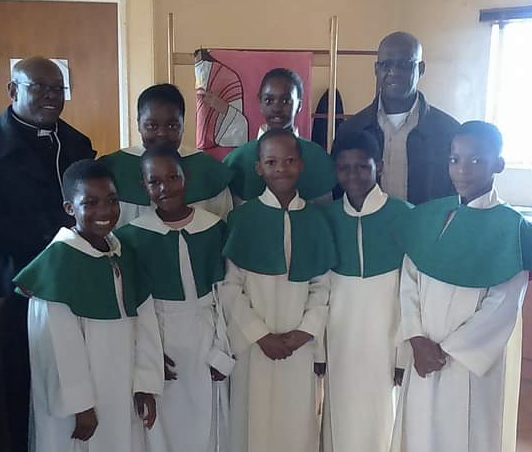
The number of Roman Catholics across Africa and Asia continues to grow, according to a new report highlighted by the Vatican.

That’s one news hook for coverage. Here is another: the number of Catholic believers in Europe continues to implode.

“If we keep the faith to ourselves, we will become weak, and if we keep the faith to a small group, it might become an elite group,” Cardinal Luis Tagle of the Philippines warned on Oct. 21 during a news conference held at the Vatican.

This new report, compiled by Fides News Service, serves as a statistical snapshot of the church’s global population and institutions. It compared 2019 with the prior year and was based on the latest available statistics.

The findings, akin to a Vatican census, did not take into account the pandemic and the impact COVID-19 had on faith and church attendance as a result of shutdown orders across much of the world. The report was released to coincide with World Mission Day, which is celebrated on the third Sunday of October each year.

Pope Francis, in a message posted to the Holy See’s official website, highlighted the day’s purpose.

“We recall with gratitude all those men and women who by their testimony of life help us to renew our baptismal commitment to be generous and joyful apostles of the gospel,” he wrote. “Let us remember especially all those who resolutely set out, leaving home and family behind, to bring the gospel to all those places and people athirst for its saving message.”

Overall, the total number of Catholics throughout the world grew by 15.4 million people.


Please respect our Commenting Policy