Women

Hey journalists: Can you name three or more Ramadan news angles linked to COVID-19 vaccines?

Hey journalists: Can you name three or more Ramadan news angles linked to COVID-19 vaccines?

I don’t mind admitting it. I thought I had read just about every religion-angle COVID-19 vaccine story that there was to read (and I say that just before heading out the door to drive deep into the Cumberland Mountains to get shot No. 1 at a small-county health clinic).

The Detroit Free Press published a long, long story the other day that certainly proved me wrong on that. The headline: “Vaccine-mobile brings COVID-19 shots to Dearborn mosque, helping to convince the hesitant.

The key to the story was mentioned in an email from the GetReligion reader who (thank you readers who take the time to do this kind of thing) sent us the URL for this story. Here is part of her note:

What I really liked about this article was the way it presented vaccine concerns of the Metro Detroit Muslim community in the context of how the mosque met those concerns. Some of the concerns are unique to the Muslim community (such as the relationship of vaccination to the Ramadan fast) and others are more broad, but the article shows how this religious community is addressing them. The article quotes a variety of actual community members, which I always appreciate.

The Ramadan angle?

That’s the connection that I admit had not occurred to me. The key is explaining the specific link between the strict rules of the Ramadan fast and the simple act of getting a shot of vaccine. We are not talking, at this point, about conspiracy theory talk about the vaccine formulas containing traces of pork.

Here is the crucial part of the story, quoting Mirvat Kadouh, vice chair of the Islamic Center of America's Board of Trustees.

"We are trying to vaccinate as many people as we can before Ramadan," Kadouh said early Monday morning, spreading a plastic tablecloth over a folding table in a large conference room, where the Islamic Center's first COVID-19 vaccine clinic was about to begin.
Please respect our Commenting Policy

What's new about Joe Biden's White House faith office and why this story bears watching

What's new about Joe Biden's White House faith office and why this story bears watching

Not to anyone’s huge surprise, President Biden has resurrected a faith-based office as the religious face of the Biden White House.

Don’t yawn yet. There are some intriguing differences between what President Obama’s faith-based office was like and what Biden is proposing. The office’s most recent incarnation includes discussion about race, Covid, pluralism and “constitutional guarantees.” From Religion News Service:

President Joe Biden signed an executive order on Sunday (Feb. 14) reestablishing the White House Office of Faith-Based and Neighborhood Partnerships, undoing former President Donald Trump’s efforts to reshape an agency that went largely unstaffed for most of his tenure.

I do need to take some issue with the top paragraph. Trump did have a faith-based office called the Faith and Opportunity Initiative, and it was headed up by Paula White-Cain, a Florida-based televangelist with no government experience.

However, her connections among evangelicals and charismatics were second to none, and those were the folks who Trump saw as essential to his surprise 2016 victory. They got well-publicized visits to the White House and photo ops in the Oval Office. What’s not as well known is there were Jewish groups who also had access through White-Cain; something I learned when I was researching this 2017 profile on Paula.

In a statement accompanying the announcement of the executive order, Biden echoed his recent remarks to the National Prayer Breakfast, bemoaning widespread physical and economic suffering due to the coronavirus pandemic, racism and climate change. He added that those struggling “are fellow Americans” and are deserving of aid.

“This is not a nation that can, or will, simply stand by and watch the suffering around us. That is not who we are. That is not what faith calls us to be,” he said. “That is why I’m reestablishing the White House Office of Faith-Based and Neighborhood Partnerships to work with leaders of different faiths and backgrounds who are the frontlines of their communities in crisis and who can help us heal, unite, and rebuild.”

I still think White-Cain let in more folks than most people knew but she got no credit for it.

The White House announced the appointment of Melissa Rogers, a First Amendment lawyer and senior fellow at the Brookings Institution, to oversee the office, as she did in former President Barack Obama’s second term. Rogers will also serve as senior director for faith and public policy in the White House Domestic Policy Council.

I interviewed Rogers for my Paula piece and she was helpful and knowledgeable. She was also accessible to the press and not above taking a few pot shots with how the Trump administration was running its faith-based office in recent years. Clearly, White-Cain either didn’t read or didn’t listen to Rogers’ critiques.


Please respect our Commenting Policy

Anatomy of a scandal: What's next for journalists working on the Ravi Zacharias fallout?

Anatomy of a scandal: What's next for journalists working on the Ravi Zacharias fallout?

File this memo under “be careful what you wish for.”

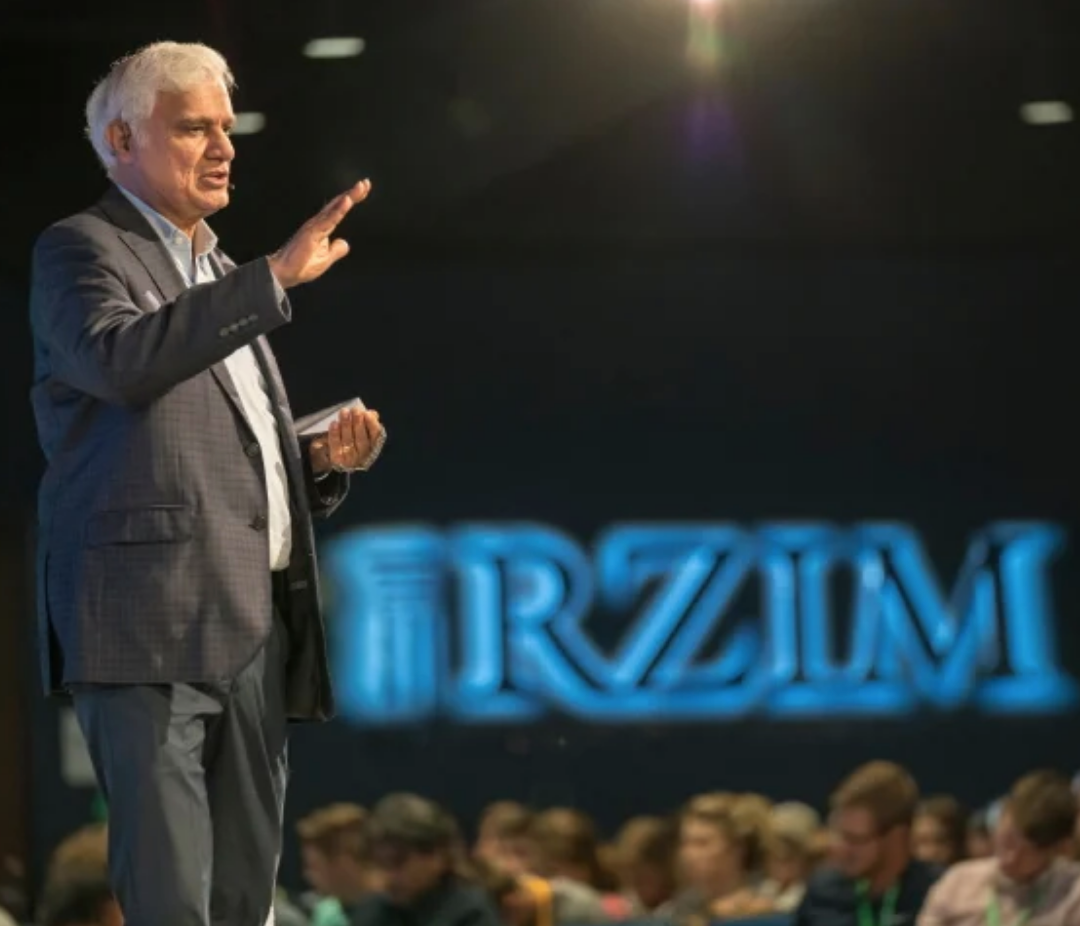
Those planning last May's funeral for evangelical star Ravi Zacharias were pleased to obtain live-streamed tributes from celebrities like Vice President Mike Pence and athlete Tim Tebow. Those outside the oft-disdained evangelical subculture may not comprehend the esteem Zacharias won by turning "apologetics" (defense of the Christian faith) from defensive bombast to intelligent and personable persuasion through books, countless personal appearances worldwide and the global team of some 100 speakers he built.

Presidential Press Secretary Kayleigh McEnany teared up as she told CBN News that Zacharias equipped multitudes so "you didn’t have to check your brain at the door when you became a Christian." She concluded, "Rest assured, his legacy will always be here and he will continue to change lives."

That encapsulates the drama of this harder-they-fall saga.

All the posthumous praise for Zacharias shocked one onlooker, a massage therapist who says he groped her, masturbated in her presence and asked her for sexualized photos. She searched his name online, contacted Steve Baughman of the hyper-hostile RaviWatch.com and then spoke with Daniel Silliman, news editor of the evangelical magazine Christianity Today.

Silliman's resulting investigation found three victimized massage therapists and provoked fury among some staffers and beyond, eventually forcing Ravi Zacharias International Ministries (RZIM) to drop its kid-gloves response and commission a totally independent investigation by a major Atlanta law firm, Miller & Martin.

Media analysts should understand that it takes far more guts for an evangelical magazine that survives on donors and advertisers to expose such situations than a metropolitan newspaper. Upshot: Silliman and colleagues can take satisfaction in distinguished service to the Christian constituency — which echoes those utterly candid authors of the Bible. [Disclosure: The Guy was this magazine's news editor early in his career.]

As agreed, RZIM released the attorneys' full findings on Feb. 9 (click here for .pdf) and they were mind-numbing. Christianity Today's lede had this socko summation:


Please respect our Commenting Policy

Linking Kamala Harris to 'Jezebel.' What are those Baptist pastors talking about?

Linking Kamala Harris to 'Jezebel.' What are those Baptist pastors talking about?

Ever so often, a religious term gets thrown into the popular discourse that leaves some heads spinning in newsrooms.

A recent example is a few Southern Baptist pastors calling Vice President Kamala Harris a “Jezebel,” as attested to TheLily.com, a feminist newsletter published by the Washington Post. The headline: “Southern Baptist leaders called Kamala Harris a ‘Jezebel.’ That’s not just insulting, it’s dangerous, experts say.”

In this case, we are not talking about “leaders” of the Southern Baptist Convention. The attacks came from a few pastors.

Before I dissect this opinion piece, I need to mention that “Jezebel” or “Jezebel spirit” is a term used quite frequently in Pentecostal-charismatic discourse. Now, here is the key material from this essay:

Two days after Vice President Harris was sworn in as the nation’s first female vice president, Tom Buck let it out.

“I can’t imagine any truly God-fearing Israelite who would’ve wanted their daughters to view Jezebel as an inspirational role model because she was a woman in power,” tweeted Buck, senior pastor of First Baptist Church in Lindale, Tex…

Despite criticism, including from fellow pastors, Buck doubled down in a follow-up tweet the next day.

Criticism didn’t just come from “fellow pastors.”

SBC president J.D. Greer weighed in on Twitter, chastising Buck. That’s a significant response from the nation’s largest Protestant flock.

“For those torn up over my tweet, I stand by it 100%,” Buck wrote. “My problem is her godless character. She not only is the most radical pro-abortion VP ever, but also most radical LGBT advocate.”

Buck wasn’t the only Southern Baptist preacher to refer to Harris as a Jezebel, a biblical character who has become shorthand for an amoral, wantonly sexual woman. Weeks earlier, before the Jan. 6 insurrection at the U.S. Capitol, Steve Swofford, head of the First Baptist Church of Rockwall near Dallas, made a similar statement. Delivering a videotaped sermon, Swofford called Biden “cognitively dysfunctional.”

“What if something happens to [Biden] and Jezebel has to take over?” Swofford asked in the sermon. “Jezebel Harris, isn’t that her name?”

The rest of the article does explain the history of the biblical Jezebel, but leaves out vast swatches of her history, such as her habit of executing righteous prophets.


Please respect our Commenting Policy

Ravi Zacharias scandal shows why independent ministries are so difficult to investigate

Ravi Zacharias scandal shows why independent ministries are so difficult to investigate

If you have followed the Ravi Zacharias story in recent years, you know that it’s a tragedy on multiple levels and a reminder of why repentance is a crucial element of orthodox Christianity.

I followed this story at a distance, because — unlike many religion-beat pros — I had next to zero contact with Zacharias. I interviewed him only once, by telephone, several decades ago. I thought that he was clever, especially when addressing Hollywood’s trendy take on Eastern religions (“Only in America would anyone argue that reincarnation is Good News).”

The stunning, sordid details of his abuse of women make it clear that he suffered from some kind of sexual addiction. And while his mind was razor-sharp when dissecting many questions about moral theology and ethics, he also used his intellectual gifts to justify his own behavior — to the point of saying that God was blessing his actions.

What can we learn from the news coverage of this scandal?

First of all, it’s a good example of what happens when editors allow religion-beat professionals to cover important stories on their beat. Second, the reporting — in Christianity Today and also in the mainstream press — is devastating because it is based on mountains of documentation and on-the-record sources, as well as the testimonies of victims who deserve privacy.

However, there is a third point that must be emphasized, echoing a point frequently made at GetReligion for nearly two decades. I repeat this as a way of stressing one of the biggest challenges facing journalists — even veteran religion-beat pros — covering stories of this kind.

The fall of Zacharias is a perfect example of why it is so difficult to cover independent, non-denominational parachurch ministries (and independent congregations, as well). Nine times out of 10, radically independent religious organizations are only as honest as their charismatic, gifted, rainmaker founders allow them to be. This is true whether we are talking yoga or the prosperity anti-gospel. It was true long ago when I worked with skilled investigative reporters trying to probe the hidden scandals of PTL’s Jim Bakker. Alas, this remains true today.

Hold that thought, because we will come back to it.

Readers who want to know the horrifying details of this case can start with Christianity Today or with The New York Times. Here is the summary material from CT:


Please respect our Commenting Policy

Welcome to New York Times 'religion' feed? A kissy-kissy chat with exiting NARAL boss

Welcome to New York Times 'religion' feed? A kissy-kissy chat with exiting NARAL boss

Does anyone else remember RSS feeds?

The whole idea of RSS — Really Simple Syndication — is that websites can allow you can set up an automated feed that feeds you updates on specific topics in a standardized, computer-readable format.

The key is that computer algorithms are supposed to detect when stories address issues that interest a specific reader.

Anyway, I received this item the other day in my RSS feed devoted to New York Times stories about religion. In this case, the Times defines the RSS criteria, not me.

In terms of religion news, this one is pretty weird — even for today’s Times. The headline: “Ilyse Hogue, Influential Abortion Rights Advocate, Will Step Down as NARAL Chief — In an interview, Ms. Hogue discussed a tumultuous era for abortion rights and the future of Roe v. Wade.”

In other words, this is a kissy-kissy Q&A marking Hogue’s exit after eight years as leader of NARAL Pro-Choice America. The Times informs readers that “abortion rights are at something of a crossroads, with Democrats facing the choice of whether to try to deliver on their promise of codifying Roe v. Wade.”

All right, says I, let’s see the many points in this report that touch on religion. After all, the RSS algorithms put this in the “religion” feed.

I found three, and even that it is stretching it. Can you spot the religious content in the following three bites from this news feature? The questions, obviously, are in bold type:

Let’s start with perhaps the biggest question: Is Roe v. Wade safe?


Please respect our Commenting Policy

Joe Biden era puts transgender rights atop newsroom agendas (which creates religion news)

Joe Biden era puts transgender rights atop newsroom agendas (which creates religion news)

Among American "social issues," freedom of abortion is long-settled as a matter of law, so foes largely nibble at the edges. Courtroom victories for gays and lesbians have put dissenters on the defensive seeking to protect conscience claims.

Meanwhile, in the Biden-Harris era the transgender debate -- emotion-laden, multi-faceted and religiously weighty -- is moving to the top of the news agenda. {The Guy admits at the start he brings no psychological insight to this complex terrain and has personal knowledge of only two such situations.}

Democrats' zeal is the major new factor. President Joe Biden has said that he believes "transgender equality is the civil rights issue of our time. There is no room for compromise." Last year, Donald Trump appointee Neil Gorsuch made the case for "gender identity" rights in the Supreme Court's Bostock ruling, but this covered only secular employment. During his first hours in office, President Biden issued an executive order that extends this outlook across the board.

The president declared, for instance, that school kids shouldn't have to worry about their "access to the restroom, the locker room, or school sports," nor should adults be mistreated "because how they dress does not conform to sex-based stereotypes." He directed each government agency to spend the next 100 days reframing all gender policies accordingly.

Los Angeles Archbishop Jose Gomez, elected leader of the U.S. Conference of Catholic Bishops, immediately responded that on this and other matters like abortion, America's second Catholic president "would advance moral evils and threaten human life and dignity." Chicago's Cardinal Blasé Cupich assailed Gomez's Inauguration Day statement as "ill-considered." (Click here for GetReligion post and podcast on this topic.)

Then New York's Cardinal Timothy Dolan and four other chairmen of bishops' committees jointly declared that by reaching beyond the Supreme Court ruling Biden "needlessly ignored the integrity of God's creation of the two complementary sexes, male and female," and threatened religious freedom. This protest echoed the 2019 Vatican pronouncement "Male and Female He Created Them (.pdf here).”

A second Biden executive order Feb. 4 defined the new "LGBTQI+" approach in U.S. foreign policy. He directed 15 Cabinet departments and agencies to press other countries to comply with America's new stance, using diplomacy and, as needed, financial sanctions or visa restrictions. The State Department is to report annually on problem nations.


Please respect our Commenting Policy

Now for something completely different: RNS scribe doxxed after investigating Ramsey Solutions

Now for something completely different: RNS scribe doxxed after investigating Ramsey Solutions

Religion reporters don’t usually have to fear for their lives, nor wonder if someone’s going to show up at their homes to exact some kind of revenge for an unfavorable story.

But there’s always a first time.

Several weeks ago, Bob Smietana, the veteran national reporter for Religion News Service, got to experience some very weird doxxing — not at the hands of some anti-religious conspiracy, but from devout Christians.

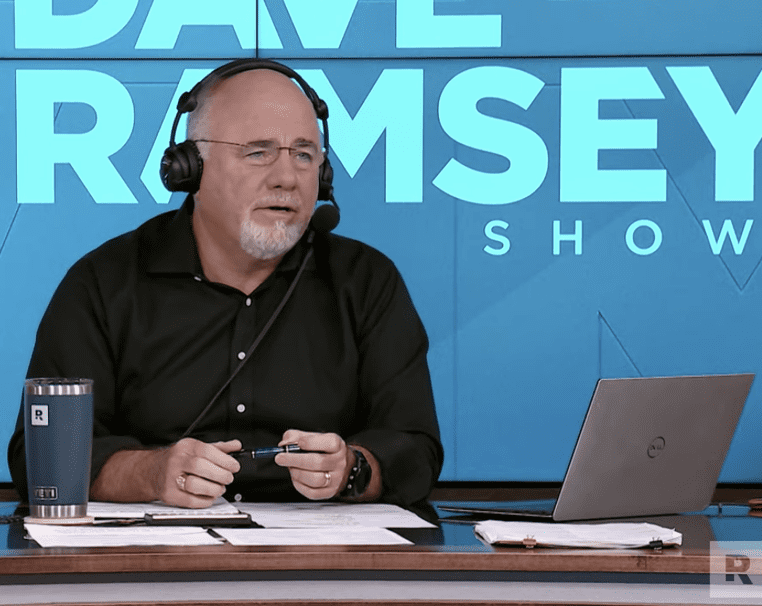
On Jan. 15, RNS published Smietana’s 4,150-word investigative piece on the workplace at evangelical financial guru Dave Ramsey’s $42 million headquarters in Franklin, Tenn., just south of Nashville. (The Tennessean, Nashville’s hometown newspaper, finally got around to running the piece on Jan. 28.)

That piece followed a Dec. 11 story by Smietana on Ramsey’s for-profit enterprise defying COVID-19 precautions such as wearing masks.

Put all that together and you had a non-flattering description of a workplace shaped by strict controls and perhaps even a personality cult. Here is what ran Jan. 15

NASHVILLE, Tenn. (RNS) — Dave Ramsey has spent the past three decades trying to build what he calls the best place to work in America.

From his headquarters south of Nashville, the evangelical Christian personal finance guru runs a media and live events empire that includes a popular national talk radio show. Tickets to workshops on topics such as “EntreLeadership” run from $3,000 to $10,000.

Thousands of churches around the country, meanwhile, host Ramsey’s “Financial Peace University,” a 9-week program built around his principles for handling money “God’s way.”

Several churches I’ve attended have indeed offered this program. Finances is something most pastors know nothing about, so they kick the task over to Ramsey, who’s making millions off these referrals.

But inside Ramsey Solution’s $42 million headquarters, there appear to be some problems, according to the kind of source one normally encounters in pieces of these kinds — former employees..

Ramsey’s intolerance for dissent has created what former employees call a cult-like environment, where leaders proclaim their love for staff and then fire people at a moment’s notice.


Please respect our Commenting Policy

It was hard to edit God out of Cicely Tyson's epic story, but some journalists gave it a try

It was hard to edit God out of Cicely Tyson's epic story, but some journalists gave it a try

It was hard to listen to Cicely Tyson talk about her life without recognizing the strong undercurrent of Christian faith in her words, deeds and also in her art. While remaining a proud, private, dignified woman, her faith was not something that she tried to hide.

The question here at GetReligion, of course, was whether any of that imagery and information would make it into the news coverage surrounding her death at the age of 96.

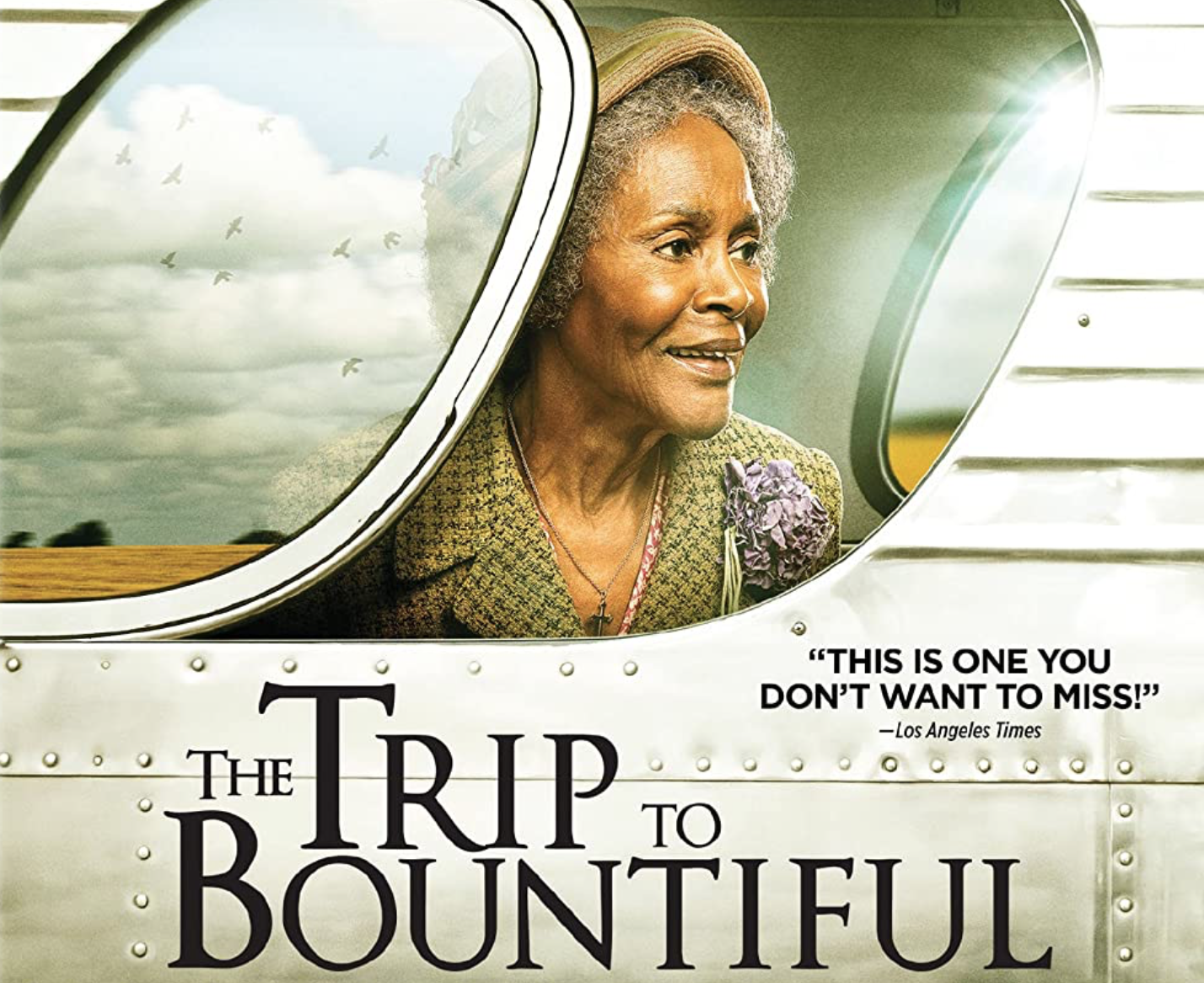
The answer was, of course, “yes” and “no.” Many of the obituaries mentioned her Tony-winning return to Broadway in 2013, at the age of 88, to play the unstoppable matriarch in Horton Foote’s classic, faith-driven play, “The Trip to Bountiful.” The show-stopping moment, night after night, was when Tyson would sing — joined by many in the audience — the classic hymn “Blessed Assurance.” It’s hard to avoid the content of lyrics such as these:

Blessed assurance, Jesus is mine; Oh, what a foretaste of glory divine!
Heir of salvation, purchase of God; Born of His Spirit, washed in His blood.

This is my story, this is my song, Praising my Savior all the day long.

If you were looking for the faith-free version of Tyson’s life, the natural place to turn was The New York Times.

This story did a great job of capturing her impact on American culture, especially in terms of the sacrifices she made to portray African-American life with style, power and dignity. Here are two crucial summary paragraphs on that essential theme:

In a remarkable career of seven decades, Ms. Tyson broke ground for serious Black actors by refusing to take parts that demeaned Black people. She urged Black colleagues to do the same, and often went without work. She was critical of films and television programs that cast Black characters as criminal, servile or immoral, and insisted that African-Americans, even if poor or downtrodden, should be portrayed with dignity.

Her chiseled face and willowy frame, striking even in her 90s, became familiar to millions in more than 100 film, television and stage roles, including some that had traditionally been given only to white actors. She won three Emmys and many awards from civil rights and women’s groups, and at 88 became the oldest person to win a Tony, for her 2013 Broadway role in a revival of Horton Foote’s “The Trip to Bountiful.”

But the only reference to her Christian faith — negative, of course — came in this bite of biography:


Please respect our Commenting Policy