Terry Mattingly

New podcast: When popes and presidents meet, headlines may not tell the private stories

New podcast: When popes and presidents meet, headlines may not tell the private stories

Sometimes, the calendar isn’t friendly to columnists and podcasters.

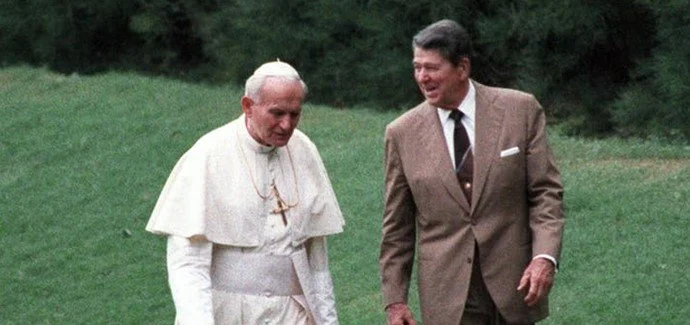
This week’s “Crossroads” podcast (click here to tune that in) was recorded before the lengthy, closed-door chat (with photo ops before and after) between Pope Francis and the “devout” Catholic President Joe Biden. Thus, host Todd Wilken and I took a kind of “tomorrow’s headlines” approach, surveying the advance coverage of the meeting and some fascinating features that looked at images and the realities of some previous pope-president meetings.

In this podcast I predicted that the headlines and public pronouncements would focus on their agreements about the environment, immigration, poverty and COVID-19 strategies.

Why? Well, the mainstream press believes that these meetings are, first and foremost, political events and these are political topics, even though they clearly have doctrinal content for those with the eyes to see that.

Biden and the pope agree on these subjects and, at this point, the progressive Pope Francis has little or no motivation to hurt a Catholic progressive in the White House. They have many of the same goals and they, to be blunt, have all the same enemies — especially among American Catholics who wear the red hats that mark them as cardinals (and those who have not received red hats).

Would anything significant happen in the private discussions?

That’s the kind of question that Catholic publications will probe and, here at GetReligion, I’ll leave commentary on that topic to Clemente Lisi (it helps that he is fluent in Italian).

If you are looking for a perfect summary of the elite press template for coverage of this meeting, and the ties that bind these two modern Catholics, this block of Washington Post material — from a political-desk story, of course — is pitch perfect:

… The resonance is also personal, given the similarities between the 84-year-old pope and the 78-year-old president, who have in a sense become allies. Both attained ultimate leadership late in their lives and quickly moved in a liberal direction. They have faced internal resistance. Both are treated warily by conservative American bishops.
Please respect our Commenting Policy

ProPublica covers horrors at Liberty University. But do all Christian colleges hide rape cases?

ProPublica covers horrors at Liberty University. But do all Christian colleges hide rape cases?

Yes, Liberty University is back in the news — for valid reasons. Yes, the news involves accusations of sexual violence.

Let’s start with the basics. It’s never good for a Baptist institution when the official news service of the Southern Baptist Convention publishes a story like this one: “Ex-Liberty spokesman says he was fired for raising concerns.”

The only thing missing from that somewhat soft headline is, well, the sex angle. However, that promptly shows up in the lede. Once again, we are talking about the overture in a story from a conservative, Baptist press office:

A former spokesperson for Liberty University is suing the evangelical school after being fired, alleging in a lawsuit filed Monday (Oct. 25) that his termination came in retaliation for voicing concerns that sexual misconduct accusations were mishandled.

Scott Lamb, a vice president-level executive at the school where he was hired in 2018, said in an interview with The Associated Press that he pushed for answers about what was being done to investigate claims raised in a lawsuit filed over the summer by 12 women, and was continually dissatisfied.

The women’s lawsuit, which is still ongoing, alleged the school had a pattern of mishandling cases of sexual assault and harassment and had fostered an unsafe campus environment. A student-led movement has since been established to advocate for systemic reforms, and the nonprofit investigative journalism outlet ProPublica published a deeply reported investigation … with findings similar to the allegations raised in the lawsuit.

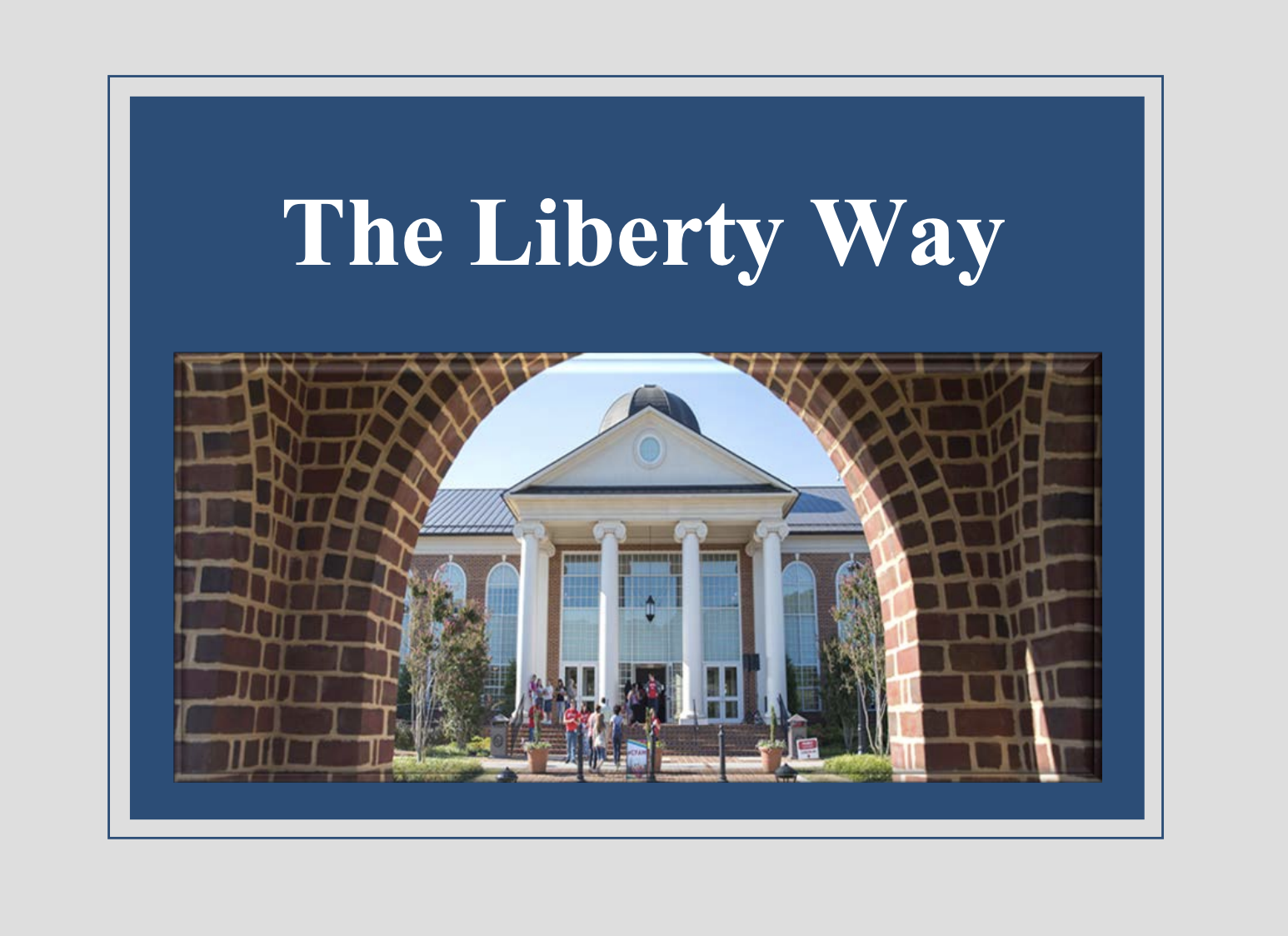
Now, the key to all of this is the brutal contents of that ProPublica piece: “ ‘The Liberty Way’: How Liberty University Discourages and Dismisses Students’ Reports of Sexual Assaults.” If you want a quick summary of the accusations — in another rather conservative source — check out this report at The New York Post: “Liberty University accused of making it ‘impossible’ to report rape, lawsuit alleges.”

The ProPublica report is, of course, hostile to Liberty University in every way possible. It’s also clear that Liberty officials appear to have gone out of their way to earn that hostility — in large part by refusing, at ever twist in the plot, to speak on the record about the university’s perspective on these issues.


Please respect our Commenting Policy

That question again: What's happening to religious believers and others stuck in Afghanistan?

That question again: What's happening to religious believers and others stuck in Afghanistan?

This is a case in which I don’t want to say, “We told you so,” but -- well — we told you so.

If you dug into this recent podcast-post — “ 'What's next in Afghanistan?' Warning: this news topic involves religion” — you’d know that the GetReligion team has been worried about what will happen to elite news coverage of human rights issues and, specifically, religious freedom, in Afghanistan under this new Taliban regime. In fact, that podcast included many themes from an earlier GetReligion podcast-post with this headline: “When the Taliban cracks down, will all the victims be worthy of news coverage?”

It appears that there are two problems.

Reality No. 1: It’s hard to cover the hellish realities of life in the new-old Afghanistan without discussing the messy exit of U.S. diplomats and troops from that troubled nation. Thus, new coverage will please Republicans, who are infuriated about that issue, and anger the White House team of President Joe Biden, which wants to move on. New coverage allows Republicans to “pounce,” as the saying goes.

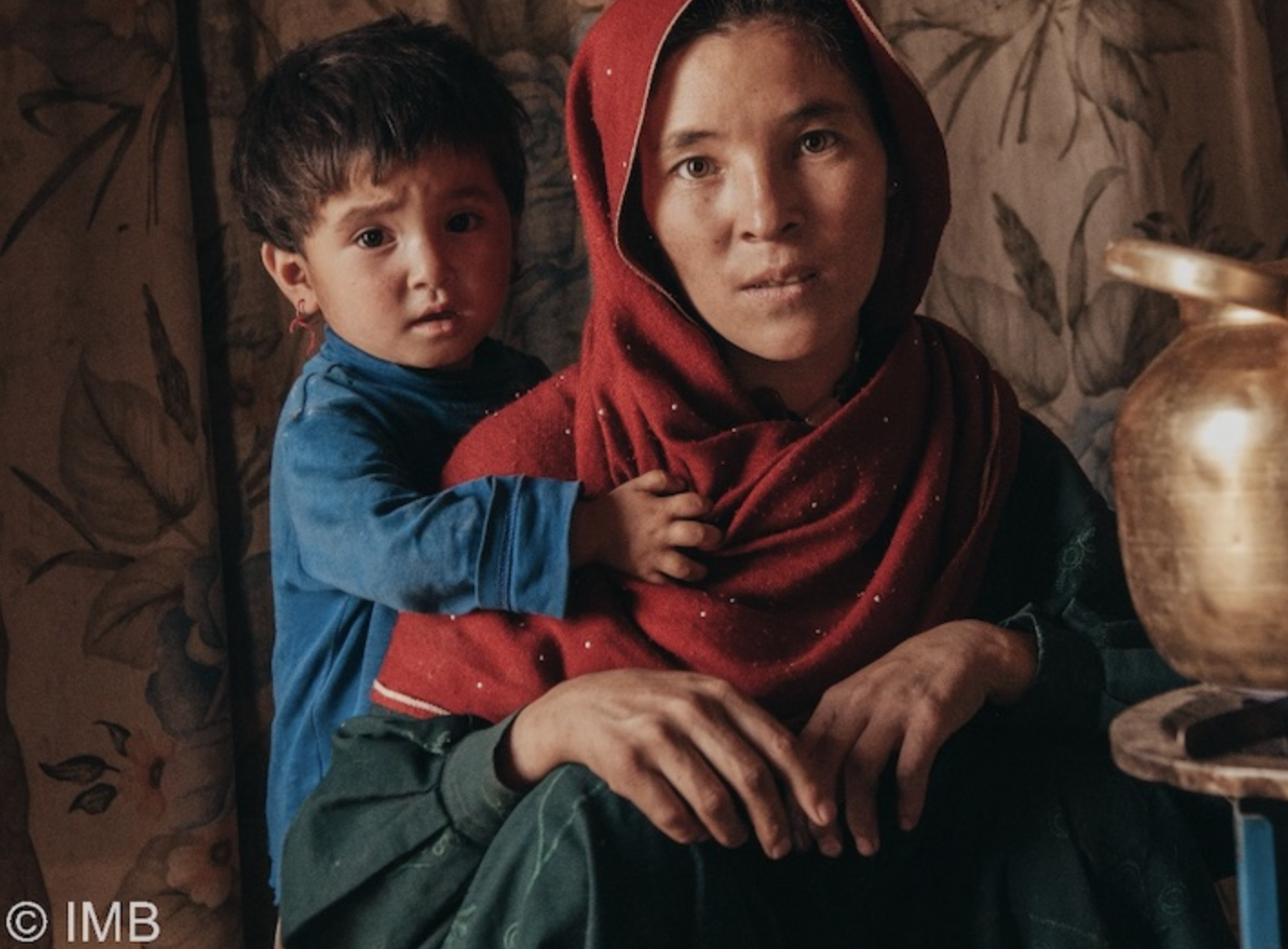
Reality No. 2: There are many valid stories inside Afghanistan right now, but some are more explosive than others in terms of fallout here in America. This is especially true when dealing with stories about Americans who are still trapped there. Then there are religious believers — including Christians and members of minority groups inside Islam — who face persecution and even executions because of their beliefs. It appears that some journalism executives (and foreign-policy pros) continue to struggle with the reality that religious issues are at the heart of the Afghanistan conflict.

Thus, cases of political and religious persecution in Afghanistan are “conservative news.” For a quick overview, see this National Review piece: “In Afghanistan, ‘Almost Everyone Is in Danger Now.’ “ Note this snarky line:

The sort of headline that shouldn’t just be local news. … Those knee-jerk Biden critics over at . . . er, the Connecticut affiliate of NBC News report: “43 Connecticut Residents Still Stuck In Afghanistan.

Here is a key chunk of that NBCConnecticut.com report:


Please respect our Commenting Policy

Faith and politics: It's hard to tell true believers from those who are simply 'self-identified'

Faith and politics: It's hard to tell true believers from those who are simply 'self-identified'

When political scientists and pollsters discuss faith and politics, one of their biggest challenges is separating the true believers from those who merely say they are believers.

It's kind of like distinguishing between "football fans" and "FOOTBALL FANS," said John C. Green of the University of Akron, who for decades has been a trailblazer in studies of politics, pulpits and pews.

"Lots of people say they're football fans and they like to watch games on television," said Green. "Then there are the people who buy jerseys and get decked out in their team colors. They never miss a home game and everything that goes with that. You can just look at them and know that they're really FOOTBALL FANS."

In terms of faith and politics, oceans of ink have been spilled describing the beliefs and goals of evangelical Protestants, Catholics and members of other religious groups, he said. The problem is that there are "self-identified" evangelicals and then there are truly faithful evangelical Christians. There are plenty of people who tell pollsters they attend worship services every week and that their faith shapes their lives. Then there are those who truly walk that talk.

"All religious communities have lots of highly committed people, and all religious communities have their share of marginal members whose faith isn't all that active," said Green. For pollsters, the challenge is asking questions that help draw lines between "self-identified believers and those who are truly active" in their faith groups, he added.

The American Bible Society, in its "State of the Bible" surveys, has tried to document ways in which beliefs about the Bible, and personal interactions with scripture, separate "practicing Christians" from "self-identified Christians." This matters, in part, because religious groups containing a high percentage of committed believers usually maintain their members, or even make converts, while other groups struggle to survive.

The most recent ABS survey (.pdf here) was completed last January, with data collected from 3,354 online interviews with adults in all 50 states and the District of Columbia. The American Bible Society began studying these kinds of issues as early as 1812.

In this survey, a "practicing Christians" was defined as someone who "identifies as a Christian, attends a religious service at least once a month" and states that "faith is very important" in his or her life.


Please respect our Commenting Policy

New podcast: Are 'parental rights' references (inside scare quotes) the new 'religious liberty'

New podcast: Are 'parental rights' references (inside scare quotes) the new 'religious liberty'

Here’s a question that I heard recently from a young person down here in Bible Belt country: Why do students at (insert public school) need permission forms from their parents and a doctor to take (insert over-the-counter medication), but the school can assist a student’s efforts to change her gender identity while keeping that a total secret from the parents?

Obviously, something had changed at this school. The crucial question was whether parents had any right to shape or attempt to influence the education — or the moral and physical transformation — of their child in this setting controlled by the state and funded by their tax dollars. Yes, there are religious doctrines involved in many or even most of these cases.

Here’s the question we discussed during this week’s “Crossroads” podcast: Are media reports about this issue starting to turn parental rights into “parental rights,” complete with those prickly “scare quotes” that have turned references to old-school religious liberty issues into so-called “religious liberty” issues. Click here to listen to that podcast.

You can find traces of this conflict if you dig deep enough in a recent New York Times story with this double-decker headline:

The Unlikely Issue Shaping the Virginia Governor’s Race: Schools

Virginia Republicans in a tight governor’s race have been staging “Parents Matter” rallies and tapping into conservative anger over mandates and critical race theory.

The team behind this fascinating Times story didn’t spot the obvious religion ghost in this story. But this story didn’t attempt to turn these standoffs into libertarian dramas in which Trumpian parents are only concerned about COVID-19 conflicts about masks and vaccines (see a related Washington Post story, for example).


Please respect our Commenting Policy

Jill Biden's reborn Christian faith: Washington Post dug for some key details (AP didn't)

Jill Biden's reborn Christian faith: Washington Post dug for some key details (AP didn't)

Since I grew up Southern Baptist, I have heard many, many people give “testimonies” about how they embraced faith and were “born again.” Now that I am Eastern Orthodox, I have heard many people tell similar stories about how they came to embrace ancient Christian doctrines and beauty of sacramental worship.

Most of the time these stories include some details about history of the person’s faith or lack thereof. One part of telling the point to which a believer has travelled is to share some background information about where the journey started.

I would certainly think that this would be true when the person who is “testifying” is America’s current First Lady. Thus, I had a few expectations when I started reading the Associated Press report that ran with this headline: “Jill Biden says SC ‘prayer partner’ helped change her life.”

The hook for this story was the surprise visit that President Joe Biden and First Lady Jill Biden made to West Columbia, S.C., to honor the 50th anniversary of the Rev. Charles B. Jackson becoming the pastor of Brookland Baptist Church. The focus of the story, however, was on Jill Biden’s “prayer partner” relationship with the pastor’s wife, Robin. Here is the crucial passage in this AP report:

The first lady doesn’t usually speak publicly about her faith but said Sunday that “it’s always been an important part of who I am.” She recalled being a teenager who “fell in love with the peace of the quiet wooden pew,” the “joy of the choir” and the “deep wisdom of the Gospels.”

She said prayer helps her “connect to the people that I love and to the world around me.”

“But in 2015, my faith was shaken,” the first lady said, her voice breaking as she described watching “my brave, strong, funny, bright young son fight brain cancer.”

“Still, I never gave up hope,” she said. “Despite what the doctor said, I believed that my son would make it. In the final days, I made one last, desperate prayer and it went unanswered.”


Please respect our Commenting Policy

Police kept priest from saying Last Rites for stabbed politician. News story? (Yes, in UK)

Police kept priest from saying Last Rites for stabbed politician. News story? (Yes, in UK)

The basic facts are clear and powerful: A member of of the UK Parliament is stabbed to death by a terrorist during an open, low-security town-hall meeting with citizens in Essex.

It also appears that religion is part of this story.

The key question, apparently, was whether to mention that Conservative MP David Amess was Catholic. This created the following equation — the more “Catholic” details, the more “conservative” the story. This is especially true about a poignant, and some would say outrageous, fact about police actions that prevented a priest from being able to say Last Rites for the victim. Hold that thought.

Believe it or not, it was possible to find a faith-free version of this story, as in this report from ABC News. Then there was this watered-down fact paragraph way down in the Reuters report:

Amess, married with five children, was first elected to parliament to represent the town of Basildon in 1983, and then nearby Southend West in 1997. He was knighted by Queen Elizabeth for his public service in 2015.

His website listed his main interests as "animal welfare and pro-life issues".

Then there was this chunk of background material from the BBC:

A Conservative backbencher for nearly forty years, Sir David entered Parliament in 1983 as the MP for Basildon. He held the seat in 1992, but switched to nearby Southend West at the 1997 election.

Raised as a Roman Catholic, he was known politically as a social conservative and as a prominent campaigner against abortion and on animal welfare issues. He was also known for his championing of Southend, including a long-running campaign to win city status for the town.

Wait — he was “raised” as a Catholic?


Please respect our Commenting Policy

Progressive Catholic cardinal of Washington, D.C., pours praise on America's embattled press

Progressive Catholic cardinal of Washington, D.C., pours praise on America's embattled press

With a controversial Catholic in the White House, there was no way for Cardinal Wilton Gregory to face a pack of Beltway journalists without fielding political questions.

Job 1 was addressing President Joe Biden's statement: "I respect them -- those who believe life begins at the moment of conception and all -- I respect that. Don't agree, but I respect that."

The leader of the Catholic Archdiocese of Washington, D.C., has made it clear that Biden can receive Holy Communion. However, Gregory also noted: "The Catholic Church teaches, and has taught, that life -- human life -- begins at conception. So, the president is not demonstrating Catholic teaching."

That was the big headline after this event, but this wasn't the topic Gregory came to the National Press club to discuss. In his recent address, he poured praise on America's mainstream press, especially journalists who -- during this "anxious time" -- have openly pushed for change on issues linked to racism and social justice.

"You are the ones we rely on to keep us informed, updated and connected as a global community of various faith traditions," said Gregory, America's first Black cardinal. "Like all industries, journalism has certainly changed over the years. Technology has expanded your reach and abilities to share our life stories, our dreams and our hopes.

"You are the professionals with just the right words, who immerse yourselves in a community, a situation or even a crisis -- to bring us the facts, the people and the takeaways that can help us work toward living in true peace and equality for all, without the threat of violence or harm."

According to a sobering blast of data from Gallup, the cardinal's critique of the national press would ring true for Democrats and political progressives -- but not for Republicans and cultural conservatives. Catholics can be found in both of those camps, of course.

In their Sept. 1-17 poll, Gallup researchers asked: "In general, how much trust and confidence do you have in the mass media -- such as newspapers, TV and radio -- when it comes to reporting the news fully, accurately and fairly -- a great deal, a fair amount, not very much or none at all?"


Please respect our Commenting Policy

New podcast: Did the mainstream press ever figure out why Pat Robertson was important?

New podcast: Did the mainstream press ever figure out why Pat Robertson was important?

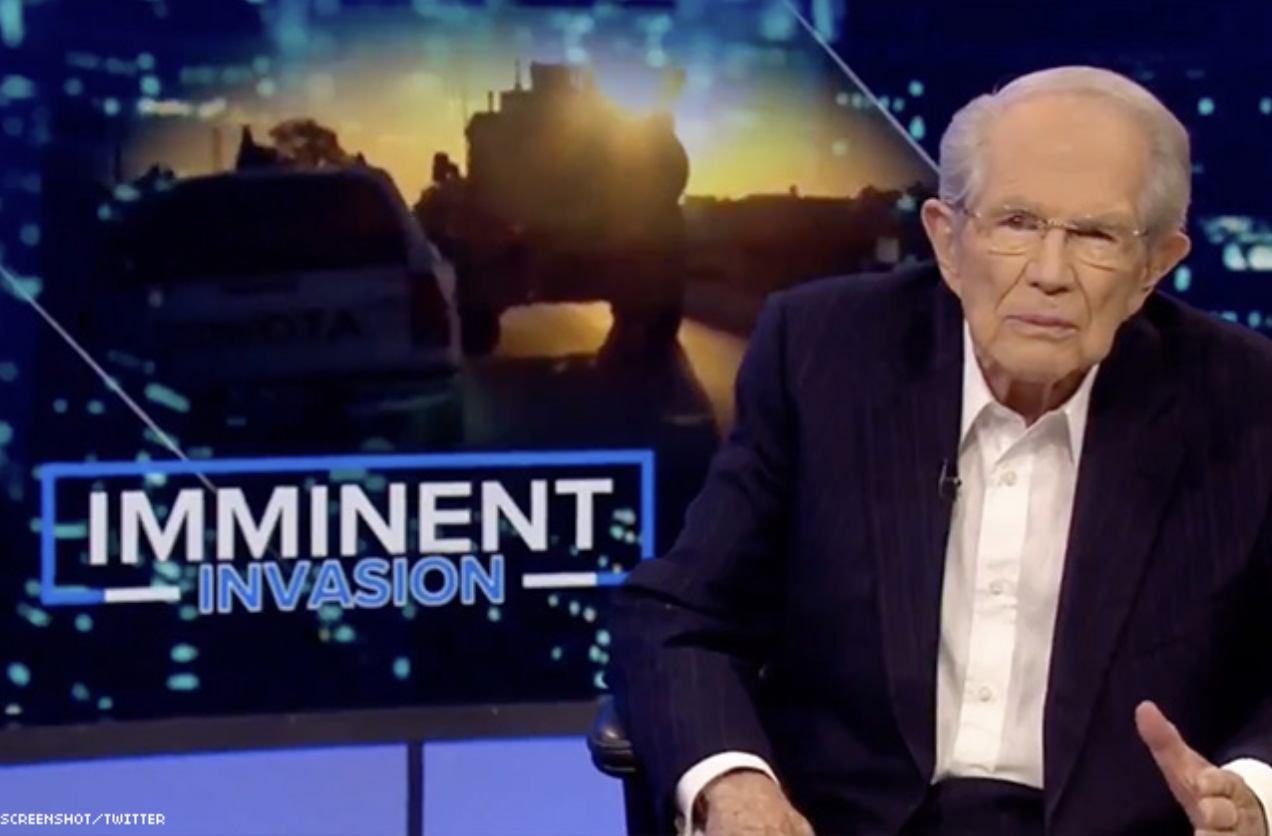
If you look at the headline and the art for this post, it’s obvious that this week’s “Crossroads” podcast (click here to tune that in) focused on media coverage of the Rev. Pat Robertson’s retirement as host of the “700 Club.”

Try to forget that. Work with me here, for a moment.

What if I told you that the man at the heart of this story grew up in Washington, D.C., as the son of a U.S. Senator. Then he did his undergraduate work at a quality school known for its academic rigor, graduating magna cum laude while studying history at Washington and Lee University.

Later, he earned a Yale Law School degree. After that — think low New York bar exam scores and a big religious conversion — he earned an MDiv degree from New York Theological Seminary.

Somewhere in that mix, he served in the U.S. Marines. Later, he founded a multi-million-dollar broadcasting empire and started a graduate-school university and a law school.

Does it sound like someone with a pretty good shot at having an impact on American life and culture?

Well, that’s Pat Robertson — sort of. It's clear that, for most journalists, this resume doesn’t have much to do with the man’s life and work. This is, after all, the religious broadcaster (as opposed to televangelist) who, for decades, served up “spew your coffee” soundbites that launched waves of embarrassing headlines and late-night TV jokes. He was important because this was the kind of wild man who helped lead the Religious Right further into the heart of Republican Party politics.

The minute anything crazy or scary happened in the world — from politics and pop culture to hurricanes and earthquakes — the press turned to Robertson for what was billed as semi-official “evangelical” reactions, even as his words frequently left mainstream evangelical leaders sad, puzzled or furious.

Robertson was one of the official alpha-male media voices of evangelicalism, even after he women and men had emerged who had more clout and connections in the movement.

I was never a Robertson fan. However, it was always clear to me — thinking in terms of church history — that he wasn’t really an “evangelical,” strictly defined, even though he was an ordained Southern Baptist minister. The key is that he was a leader in the rising tide of charismatic and Pentecostal Christianity in America and the world at large (see this Pew Research Center resource page).

Does that matter? Well, Pentecostal Christianity very diverse, in terms of race and class, and is the fastest growing for of religious faith on the planet.


Please respect our Commenting Policy