Supreme Court

Creative ways to cover abortion stories near Roe v. Wade anniversary: Here's a few ideas

Creative ways to cover abortion stories near Roe v. Wade anniversary: Here's a few ideas

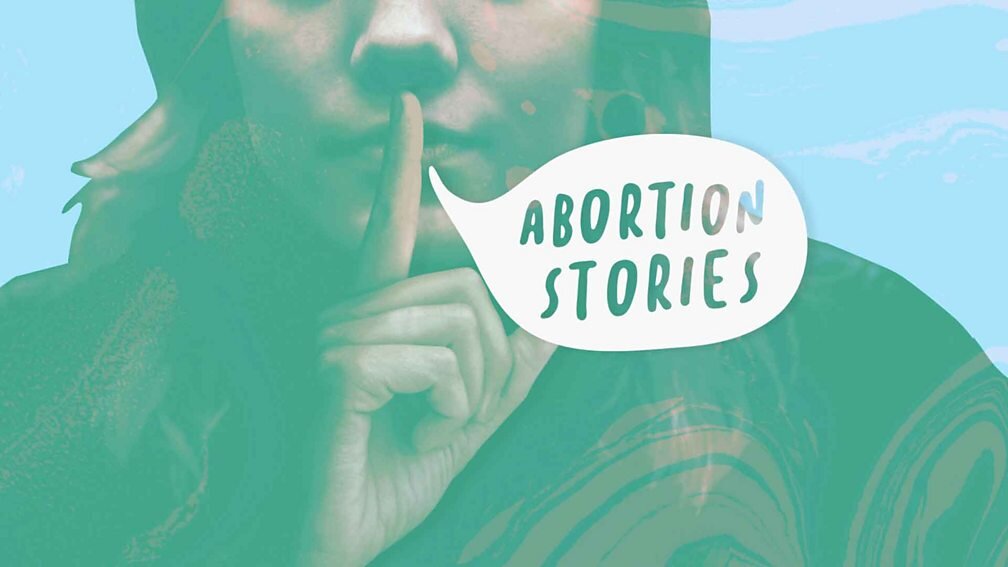
I always get frustrated with the lack of original thought when it comes to covering abortion stories connected to the anniversaries of Roe v. Wade. Last week’s reporting for the 48th anniversary was no exception.

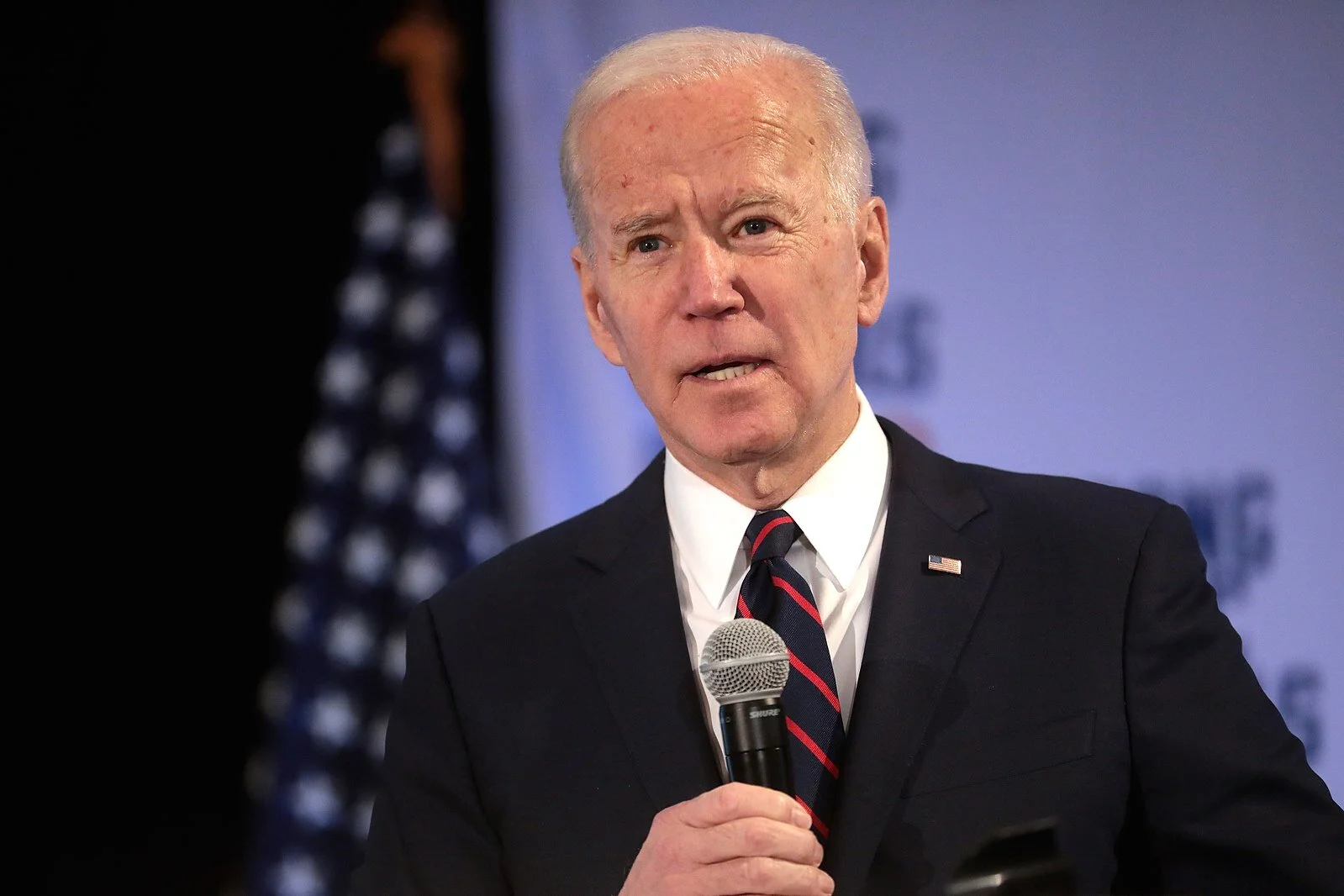
There was the predictable updates (which I am not criticizing), such as President Joe Biden’s intent to codify Roe v. Wade, which the Catholic-news website Crux covered here. And Fox News ran a piece about a restrictive abortion law passed by the state of Tennessee last summer , and how that has become ensnared in the courts.

Now I know that, with the inauguration on the same week and all, there wasn’t a lot of energy out there to come up with Roe v. Wade stories that covered new ground. But the stories are out there, folks. It’s just that many of those in the media don’t feel like ferreting them out. Let’s suggest a few:

(1) Since Black Lives Matter has been a major newsmaker this past year, how about a revisit on black abortion rates? About a year ago, the Arizona Capital Times ran this opinion piece by a black member of the state house of representatives. I’ll pull out one paragraph:

The impacts on our black communities are hard to fathom. According to the Guttmacher Institute, which generally supports abortion, in 2011 360,000 black babies were aborted. CDC statistics for 2011 show that 287,072 black deaths occurred from all other causes excluding abortion. By these numbers, abortion is the leading cause of death among blacks.

Shouldn’t there be more reporting on something that kills more black children than police brutality ever has? Can’t say I’ve seen a whole lot. This story is also linked to debates in the Black church about politics, social issues, family, etc.

(2) Personality profiles. The pro-choicers get loads of them, such as this 2018 Washington Post piece about a black gynecologist who went from being anti-abortion to pro-abortion rights — and why. This was Willie Parker. The Atlantic, however, went more creative and much deeper in a feature about a war in the abortion movement where Parker is being accused of sexual assault, and the nasty infighting that’s resulted from that. Insider politics is always an interesting read, must say.

But where are the profiles of folks like Lila Rose and Joan Andrews Bell and many other lesser-known folks?


Please respect our Commenting Policy

Watch what Biden does, not what he says: Executive orders will widen rift within U.S. bishops

Watch what Biden does, not what he says: Executive orders will widen rift within U.S. bishops

Can you feel the unity yet? That’s the joke among political conservatives as the Biden administration closed out its first week.

Within hours of taking the oath of office on his family’s massive Bible, President Joe Biden signed a raft of executive orders — something that went on in the ensuing days — to undo strategic executive moves during Donald Trump’s presidency. During that process, Biden fan afoul of traditional Catholic teachings and, once again, placed the spotlight on his Catholic faith.

Political and religious conservatives (not always the same thing) can agree that Biden’s actions over the past week didn’t foster unity. If anything, this blitz of activity highlighted the differences between two ever-divergent Catholic camps in this country, something that revealed itself on Day 1 among the U.S. bishops and across the Atlantic Ocean in Rome as a result of dueling statements and the polemics it unleashed, all of which pointed to old fights and old wounds. Can you say “Theodore McCarrick”?

Biden, the first Roman Catholic president since John F. Kennedy in 1960, is often identified as “devout” (click here for background), when journalists describe his faith. Of course, the doctrinal side of Biden’s piety isn’t something journalists dig into. We don’t know what is in Biden’s heart or even his head.

But here is the key point for journalists and news readers: What we do know — as is the case with every politician — is what he does and says. Options about church teachings on marriage and sexuality are one thing. Biden’s decision to perform an actual gay union rite represented open conflict with the teachings of his church.

Journalists can (and should) report and show where there is overlap regarding church teachings and where there is clear contradiction. The Religious Left will soon learn that it shouldn’t hitch their wagon to any political ideology. The Religious Right learned that the hard way with Trump — something that could take years to unspool when it comes to credibility.

With Biden being a Democrat, however, I don’t expect the mainstream press to do any of this. Instead, we see puff pieces from The New York Times calling Biden “perhaps the most religiously observant commander in chief in half a century.” Guess they forgot that George W. Bush was a born-again Christian who regularly attended services. What about Jimmy Carter’s decades teaching Sunday school?

Here’s the key excerpt from that very feature that ran this past Saturday:


Please respect our Commenting Policy

America remains bitterly divided: But is this country veering closer to another civil war?

America remains bitterly divided: But is this country veering closer to another civil war?

Call it the "Texit" parable.

America's new civil war begins with the Supreme Court overturning Roe v. Wade, creating an abortion-free zone in the Bible Belt and most heartland states.

Enraged Democrats pledge to end the U.S. Senate filibuster and expand the number of high-court justices. After restoring Roe, they seek single-payer health care, strict gun control and sweeping changes in how government agencies approach the First Amendment, with the IRS warning faith groups to evolve -- or else -- on matters of sexual identity. Big Tech begins enforcing the new orthodoxy.

Conservatives rebel and liberals soon realize that most of America's military, including nuclear weapons, are in rebel territory. Then federal agents kill Alabama's pro-life, Black governor -- while trying to arrest him as a traitor. That's too much for Gov. Francisco Gonzalez of Texas, who decides that it's time for a new republic.

David French fine-tuned this "Texit" vision early in 2020, while finishing "Divided We Fall: America's Secession Threat and How to Restore Our Nation." Best-known as a #NeverTrump conservative pundit, most of the Harvard Law graduate's career has focused on old-school First Amendment liberalism -- which in recent decades has meant defending conservative religious believers in religious liberty cases.

The book's first lines are sobering, especially after recent scenes on Capitol Hill.

"It's time for Americans to wake up to a fundamental reality: the continued unity of the United States cannot be guaranteed," wrote French. Right now, "there is not a single important cultural, religious, political, or social force that is pulling Americans together more than it is pulling us apart."

Americans are divided by their choices in news and popular culture. America remains the developing world's most religious nation, yet its increasingly secularized elites occupy one set of zip codes, while most traditional religious believers live in another. In politics, more and more Democrats are Democrats simply because they hate Republicans, and vice versa.

Ironically, cultural conservatives now find themselves hoping that the Supreme Court will protect them, said French, reached by telephone. Conservatives know they have lost Hollywood, academia, America's biggest corporations, the White House and both houses of Congress.

"I constructed the Texit scenario around court packing because that has become their last firewall," said French.


Please respect our Commenting Policy

The role that religion played in shaping President Donald Trump's stunning last stand

The role that religion played in shaping President Donald Trump's stunning last stand

“Is it possible to be astonished and, at the same time, not surprised?”

A colleague recalled that quote — by fictional President Josiah Bartlet on a 2005 episode of the Emmy Award-winning political drama “The West Wing” — as a real-life mob of Donald Trump supporters stormed the U.S. Capitol on Wednesday.

A Capitol Police officer this morning became the fifth person to die as a result of the insurrection.

How does religion figure in the tragic last stand of the nation’s conspiracy theorist-in-chief?

Let us count the ways, as highlighted by Religion Unplugged contributors:

• As thousands of protesters gathered outside the Capitol building claiming election fraud, some installed a giant wooden cross on the lawn, Hamil R. Harris notes.

• Others in the crowd carried flags and banners with Christian symbols and messages such as “Jesus Saves.” Kimberly Winston explains the history behind the array of flags.

• Christian leaders — some of whom have backed President Donald Trump because of his anti-abortion stance — condemned the pro-Trump mob and called for peace, Jillian Cheney reports.

In other noteworthy coverage, Religion News Service’s Jack Jenkins explores the “two forms of faith on display” amid the chaos. The Atlantic’s Emma Green weighs in on “Storming the Capitol for God and Trump.”

Another must read: Houston Chronicle religion writer Robert Downen interviews Southern Baptist leader Albert Mohler, who says he’s “genuinely shocked and horrified” by what happened Wednesday but stands by his Trump vote. (Click here for the GetReligion post and podcast about that piece and Mohler’s own podcast on the topic.)

Looking ahead, President-elect Joe Biden has invited Jesuit priest Leo O'Donovan, former president of Georgetown University, to deliver the invocation at Biden’s Jan. 20 inauguration, the National Catholic Reporter’s Christopher White reports.

Power Up: The Week’s Best Reads

1. ‘Only in America’: Raphael Warnock’s rise from poverty to U.S. senator: Associated Press writer Russ Bynum profiles the progressive reverend who — as explained by Religion News Service’s Adelle M. Banks — plans to remain senior pastor of his Atlanta church.


Please respect our Commenting Policy

New podcast: Who stands in the middle of American politics? Often, that's a religion question

New podcast: Who stands in the middle of American politics? Often, that's a religion question

There were two major stories in American life this week, when it seemed like the world turned in a matter of minutes.

The riot at the U.S. Capitol grew out of yet another legal Donald Trump rally, with its familiar mix of hero worship, populist rage and, yes, rhetoric and symbols used by conservative, often Pentecostal, Christians. Fired up by a truly radical message from the president, many (not all) of these protestors marched to Capitol and turned into an illegal mob, crashing through security fences and then through doors and windows. Yes, some of the Christian banners and signs went with them.

We will be learning more about the makeup of that mob as participants are identified, arrest and tried — perhaps under (irony alert) Trump’s June 26th executive order authorizing a “penalty of up to 10 years’ imprisonment for the willful injury of Federal property.”

There have been waves of statements by religious leaders condemning the violence, including many by evangelicals who (a) opposed Trump, (b) reluctantly voted for him or (c) enthusiastically backed him. I expect more coverage on all of that (I’m collecting material for an “On Religion” column). Readers can start with this piece from the left, care of HuffPost.com: “Trump’s Evangelical Allies Condemn Violence At The Capitol.” It focuses on evangelicals who are still finding it hard to attack Trump, while — almost hidden at the end — noting views from some of condemned both the violence and the president’s role in it.

Let me know, via comments or email, if you see more religion-driven riot coverage.

Meanwhile, this week’s “Crossroads” podcast (click here to tune that in) centered on a GetReligion post that was written about two hours before the riots began: “Life after Georgia — Questions about a pro-life Democrat in U.S. Senate and other issues ...

The key is that victories by two Democrats (one a liberal Baptist pastor) put a very interesting conservative (and Catholic) senator at the middle of America’s increasingly divided and even bloody political map.

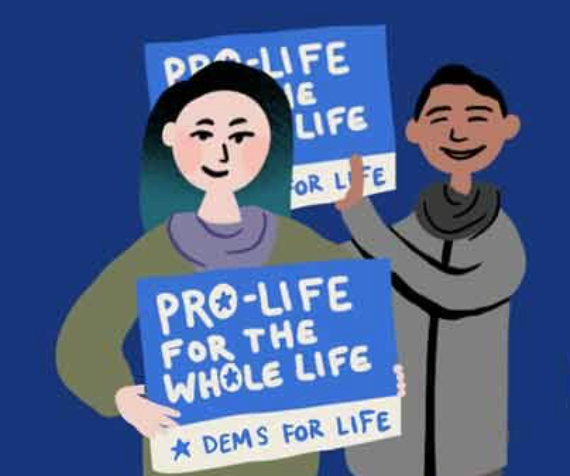
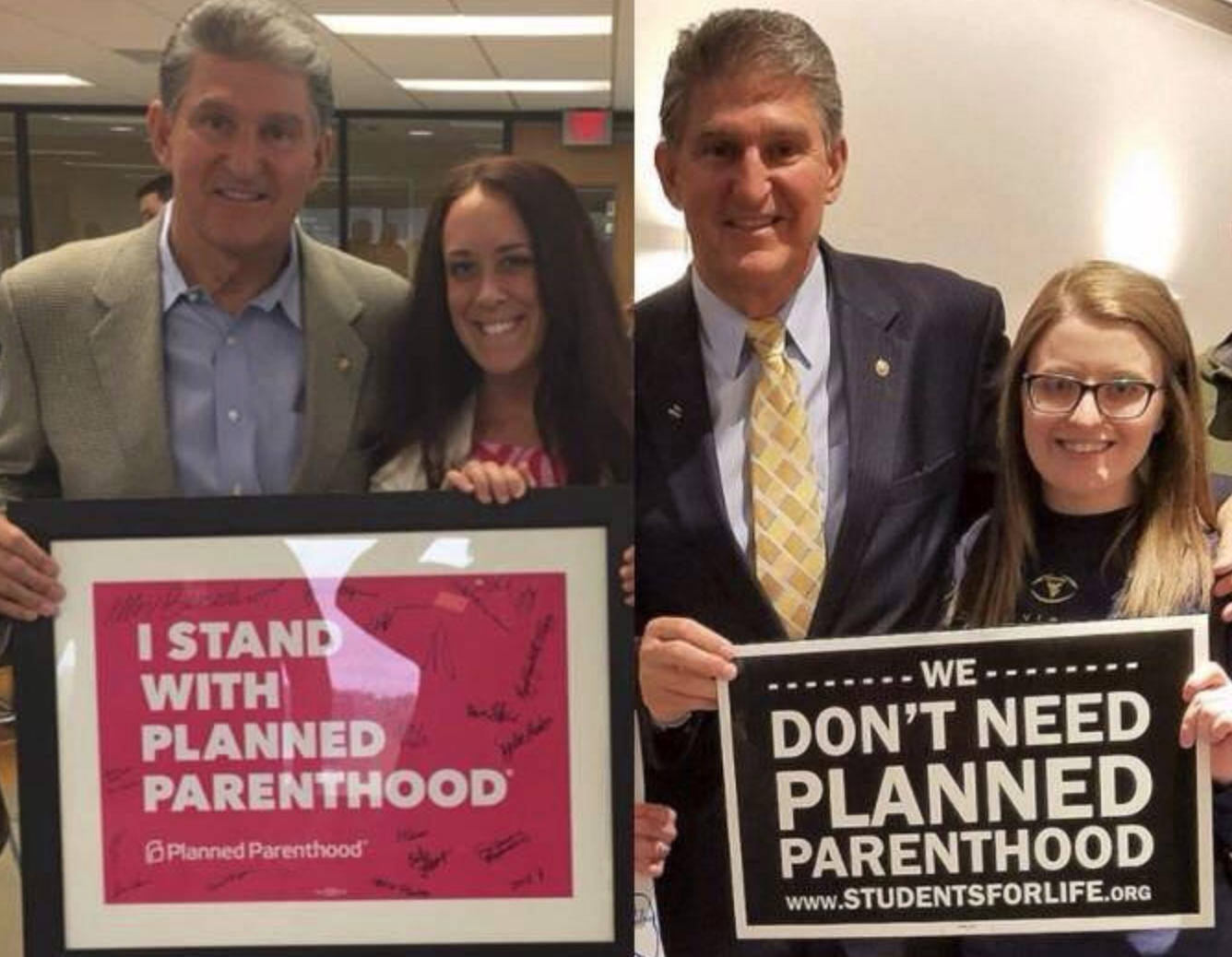
That man, Sen. Joe Manchin of West Virginia, is a living symbol of what used to be a major force in American politics — the white Southern Democrat. Although he has been endorsed by Democrats For Life, his pragmatic political views on that topic will not be found in the Democratic or Republican platforms, but do resemble the views of millions of centrist Americans.

Many Democrats, in the past, have insisted that Manchin is not really a Democrat. Well, how many want to toss him out of the party right now (with that 50-50 Senate split)?


Please respect our Commenting Policy

Life after Georgia: Questions about a pro-life Democrat in U.S. Senate and other issues ...

Life after Georgia: Questions about a pro-life Democrat in U.S. Senate and other issues ...

Once upon a time, there were these strange political unicorns called “pro-life Democrats.” They were often, but not always, part of another endangered species called “blue-dog Democrats.”

Most of these unique politicos were in the U.S. House of Representatives, but there were occasional — but increasingly rare — sightings in the U.S. Senate. After all, Tennessean Al Gore had an 84% rating with National Right to Life when he was a congressman, but that changed — for the most part — when he became a senator. And as vice president? Forget about it.

This brings us to the thought for the day, a quote drawn from a mini-firestorm in the Democratic Party back in 2017. Here is a quote from an “On Religion” column at that time:

… Democratic National Committee Chairman Tom Perez drew another bright line defining who participates in the work of his party.

"Every Democrat, like every American," he said, "should support a woman's right to make her own choices about her body and her health. This is not negotiable and should not change city by city or state by state." In fact, he added, "every candidate who runs as a Democrat" should affirm abortion rights.

What if that state is West Virginia?

Some key Democrats quickly stepped forward in 2017 — including Rep. Nancy Pelosi — to suggest that Perez wasn’t speaking for all top Democrats. Still, the party’s stance on abortion rights and funding continued to veer further and further to the cultural and religious left, eventually causing one Joe Biden to shed the last scraps of his once “centrist” stance.

This, of course, brings us to religion-beat angles in the aftermath of the Georgia earthquake, in which Democrats — Black and White — and other anti-Donald Trump voters appear to have handed the Democrats the slimmest possible control of the U.S. Senate.

This brings us to Sen. Joe Manchin of West Virginia, a conservative Democrat and active Roman Catholic who has been endorsed by Democrats for Life, even though his record on that issue has become rather complex. He remains a throwback to the days when it was perfectly normal to be a Democrat and a cultural conservative. One can imagine the pressure he faces from establishment Democrats.

Well, how many Democrats want to toss Manchin out of the party right now?


Please respect our Commenting Policy

Yearenders-palooza finale: 2020 Top 10 religion-news lists from several Getreligionistas

Yearenders-palooza finale: 2020 Top 10 religion-news lists from several Getreligionistas

OK. This is it. I promise. This is the last GetReligion #2020 Top 10 religion-news post that you’re going to see. I think. And sorry about the Kiss 2020 goodbye concert video with this post (I could not resist).

Let me be clear what this is. A few of us have already written columns or posts evaluating the results of the Religion News Association poll, like this “On Religion” column that I shared here: “Of course the pandemic was top 2020 religion-news story: But which COVID-19 story?

However, each of us — when creating our own personal lists — saw the religion-news landscape through our own lens. Thus, I thought readers might enjoy seeing all of the RNA poll items — 27 news events and trends were on the ballot — and how some of us arranged them. Some readers, for example, have expressed a desire to explore what was left OFF the list and how the items were described on the official ballot. Read it all at the RNA.org website.

As I said earlier, in the GetReligion podcast and post in which I shared my own ballot (“The year when religion news went viral, and that was a bad thing”), I thought the key was that the COVID-19 crisis was several stories in one. I thought the most important angle was the First Amendment fights, so I wrote:

According to journalists who cover religion, this was the year's biggest story: "COVID-19 pandemic claims lives of many religious leaders and laity, upends death rituals, ravages congregational finances, spurs charitable responses, forces religious observances to cancel or go online and stirs legal fights over worship shutdowns."

But there was a problem on my ballot. The RNA list included another coronavirus item focusing on religious liberty. In some cities and states, officials created pandemic regulations that claimed many institutions — from grocery stores to casinos — provided "essential services." Meanwhile, other institutions — like churches and synagogues — were deemed "non-essential."

The U.S. Supreme Court eventually ruled that religious institutions shouldn't face tougher rules than secular groups and activities. It was wrong, for example, to ban masked priests from hearing confessions – outdoors, 10 feet away from masked penitents – while consumers were lined up at liquor stores.

Ryan Burge, in a post this weekend, had a similar take at the top of his list, stressing First Amendment and Supreme Court issues. The key, he said, was this: “I made a list based on what I thought would have the most lasting impacts into 2021 and beyond.”

So that brings us to new material from other members of the team, starting with Julia Duin. She sent me an email raising another issue with the RNA results:


Please respect our Commenting Policy

Yearenders-palooza -- Bobby Ross Jr. with positive, poignant ways to look at 2020 religion news

Yearenders-palooza  -- Bobby Ross Jr. with positive, poignant ways to look at 2020 religion news

A church shooting. Deadly twisters. Racial justice protests. And the biggest news in this tumultuous year: COVID-19.

These were among the most memorable stories that I covered in 2020.

Here is my personal year-end Top 10 list, mostly in chronological order:

• Texas church shooting: A gunman opened fire at the West Freeway Church of Christ in White Settlement, Texas, killing two worshipers before an armed member fatally shot him. While the attack occurred at the end of 2019, it remained an important story in 2020. In the immediate aftermath, I covered a members-only prayer vigil, recounted minister Britt Farmer’s experience and explained why Farmer chose to talk to me. I profiled victims Richard White and Tony Wallace. Later, I moderated a panel discussion on church shootings. And I wrote about the church’s emotional return to its auditorium.

Women in the church: My Christian Chronicle colleagues and I produced an in-depth package of stories on women’s roles in Churches of Christ. I focused on two distinct congregations: an Arlington, Texas, church that embraces traditional gender roles and a Los Angeles church that has added female elders.

Tennessee tornadoes: On my last flight before COVID-19 grounded me, I traveled to Middle Tennessee to report on tornadoes that cut an 80-mile swath of death and destruction. I highlighted the leading role that Churches of Christ played in the disaster relief effort. I interviewed a church teen who was serving her community while grieving her 4-year-old friend, Hattie Jo Collins. I covered the funeral for a Christian family killed in the storm. And I reflected on how sadness gave way to gladness on the Sunday after the tornadoes.

COVID-19: As of this moment, the global pandemic has killed 1.8 million people around the world.


Please respect our Commenting Policy

Yearenders-palooza: Ryan Burge (Who else?) charts religion and politics in #2020

Yearenders-palooza: Ryan Burge (Who else?) charts religion and politics in #2020

We now know, apparently, what happens if you force political scientist Ryan Burge into lockdown — but leave the WiFi turned on.

You end up with lots and lots and lots of charts, with most of them focusing on the major role that religion plays in politics and the American public square, in general.

Burge’s work was all over the place during 2020, with good cause. He’s a contributor here at GetReligion, but we keep stressing that journalists (and news consumers) really need to follow his active Twitter feed and his work at the weblog Religion In Public. Here in that blog’s “Year in Review” feature.

Anyway, I wrote Burge and asked him to send me several crucial bytes of his work from 2020, with some quick commentary. You will see that below. I have always appreciated the fact that Ryan’s work tends to poke at stereotypes on the left and the right.

I also asked him for his take on the Top 10 religion-beat news stories and trends of 2020, using the full list of options provided at the start of the Religion News Association poll. I have already offered my own take on that poll here in an “On Religion” column and then here, in a “Crossroads” podcast.

Burge’s commentary on that poll is at the end of this post.

So let’s get started, with Burge’s charts and commentary.


Please respect our Commenting Policy