Politics

Thinking about the complicated puzzle that is Orthodox Christianity these days

Thinking about the complicated puzzle that is Orthodox Christianity these days

If you look up the word “Byzantine” in an online dictionary you will find two definitions — one quite literal and the second rather abstract.

The first definition isn’t all that hard to grasp: “relating to Byzantium (now Istanbul), the Byzantine Empire, or the Eastern Orthodox Church.”

The second definition is the one that best applies to this week’s “Crossroads” podcast and post, the one with this headline: “Eastern Orthodox converts, Russian spies, the FBI and the Bible Belt (#horrors).” Here’s that second meaning for Byzantine, as an adjective: “(of a system or situation) excessively complicated, and typically involving a great deal of administrative detail.”

That is certainly true and, to be blunt, there are journalists covering the painfully divided world of Eastern Orthodoxy — think Ukraine, of course — who should read that second definition several times and then meditate on it.

This is a classic case of journalists, as my journalism mentor used to say, needing to learn to “know what they don’t know.” There are subjects so complicated that, even if you think of yourself as an insider (I am a convert to Orthodox Christianity and have studied church history at the undergraduate and graduate levels), you need to approach them with great care.

This brings me to this weekend’s “think piece” from the must-bookmark website called Orthodox History: “How Did Orthodoxy Get Into This Mess?” It was written by the website’s editor, Matthew Namee, who a lawyer who serves as General Counsel and Chief Operating Officer for Orthodox Ministry Services. He is also a friend of mine and a colleague and in work linked to the Saint Constantine College in Houston.

What does “this mess” mean, in the headline? Basically, the “mess” is the early 21st century. To dig into this puzzle requires (#DUH) understanding the tragedies of the 20th century: This essay is very complex — “Byzantine,” even — but I will note a few (rather long) passages.
Please respect our Commenting Policy

Podcast: Eastern Orthodox converts, Russian spies, the FBI and the Bible Belt (#horrors)

Podcast: Eastern Orthodox converts, Russian spies, the FBI and the Bible Belt (#horrors)

Yes, yes. I will confess my (possible) sin.

Several years ago some friends of mine in Bible Belt Orthodox churches said that there were times when they wished America could be ruled by the late Queen Elizabeth II, as opposed to the last couple of guys who have occupied the White House. We were discussing our frustration with America’s two-party binary political system.

I laughed and agreed.

Does this mean that I am a potential Russian spy and enemy of the state? That was one of the topics discussed during this week’s “Crossroads” podcast (CLICK HERE to tune that in). We were discussing two mainstream news stories that seem to be connected in the minds of some mainstream journalists.

First, consider this Religion News Service feature: “Riding a wave of converts, one group aims to fuse Orthodoxy with Southern values.” Then read this Newsweek story: “Russia's Trying to Recruit Spies From U.S.” It may also help to check out this earlier GetReligion post: “Concerning the new converts to Eastern Orthodoxy — Are they MAGA clones or worse?

But back to Queen Elizabeth II. We will get to the FBI in a moment or two.

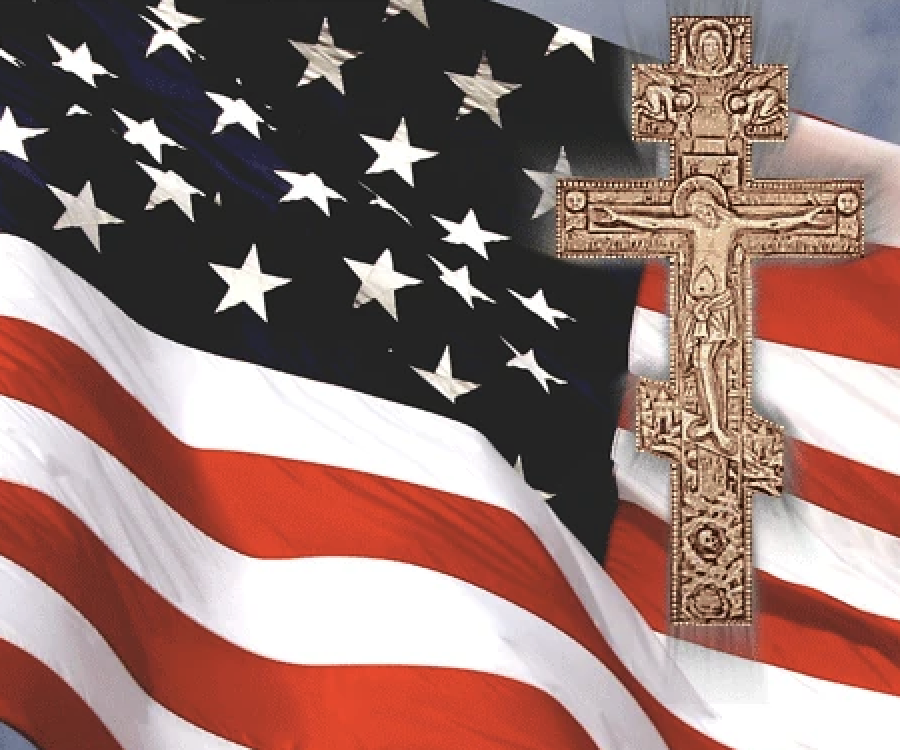
The RNS feature focuses on a meeting of the small group of Orthodox converts — the Philip Ludwell III Orthodox Fellowship — down in the countercultural Bible Belt. I confess that I have never heard of this group, primarily since my East Tennessee parish is part of the Orthodox Church in America (which does have historic missionary ties to Russia), as opposed to the smaller Russian Orthodox Church Outside of Russia (which formed in response to the birth of the Soviet Union).

The RNS feature notes: “Orthodox Christianity in the United States is a kaleidoscope of languages and cultures as diverse as Russia, Greece, Ethiopia, Syria, Bulgaria and, increasingly, the American South.”

That’s accurate. It’s hard to describe how complex Eastern Orthodoxy is in this country and that includes the growing number of Americans (like me) who have converted to the faith during the past four decades (a trend that began long before Orange Man Bad).

Now, concerning the inspiration for this small Orthodox network:

Philip Ludwell III, the fellowship’s namesake, became one of America’s earliest converts to Orthodoxy in 1738 and then translated Russian Orthodox texts into English. His family held government positions in the Carolinas and Virginia and shared ancestry with Confederate Gen. Robert E. Lee, born nearly a century later.

Obviously, we are talking about folks who are fundamentalist Confederate clones or worse:


Please respect our Commenting Policy

'Ethnic cleansing' of Armenian Christians: Time for the press to rethink persecution?

'Ethnic cleansing' of Armenian Christians: Time for the press to rethink persecution?

What with Russia’s bloody invasion of Ukraine raging unabated, and now Israel’s retaliation after extensive Hamas terror attacks from Gaza, it’s understandable that journalists, their audiences and politicians have paid little attention to a massive ongoing humanitarian crisis in interior Asia where western media lack observers on the ground.

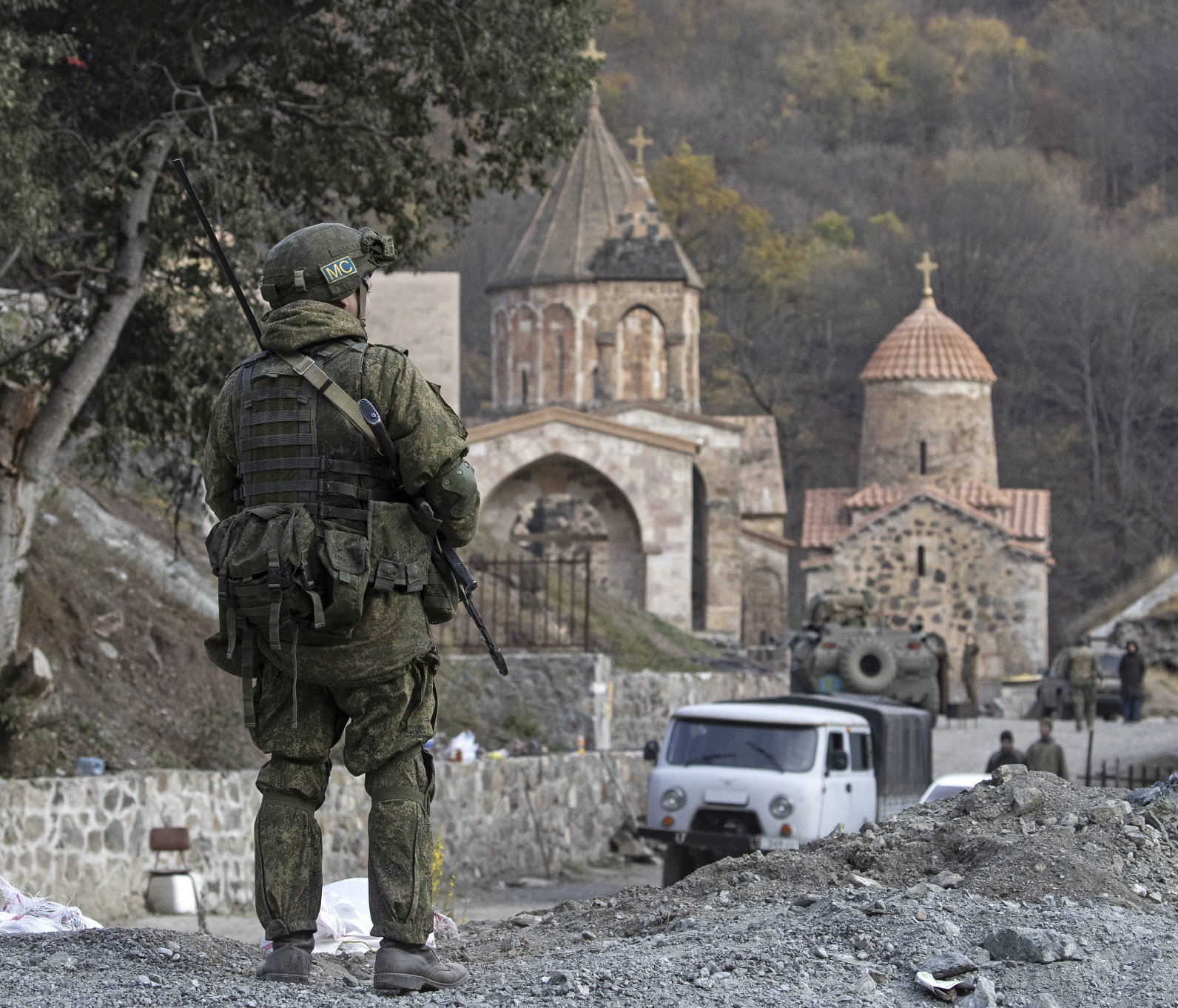
Beginning Sept. 19, Azerbaijan’s military crushed the self-proclaimed (and not internationally recognized) Artsakh republic in the mountainous Nagorno-Karabakh enclave within its borders.

The attack panicked and drove out at least 100,000 ethnic Armenians — now forced to cope as refugees in neighboring Armenia. This followed Azerbaijan’s cutoff of the crucial transit corridor from Armenia that had resulted in dire shortages of food, fuel and medical supplies. One factor here is the erosion of Russia’s history of providing Armenia’s security and regional peace-keeping because of its Ukraine entanglement.

The September takeover of the population’s ancient homeland is a straight-up case of “ethnic cleansing,” according to the European Parliament and a Council on Foreign Relations analysis. “In one fell swoop, one of the world’s most brutal dictatorships destroyed one of the world’s oldest Christian communities,” writes Joel Veldkamp, the head of international communications with Christian Solidarity International.

The vanishing ethnic enclave dated back to 1,722 years ago when Armenia became the first state to collectively adopt the Christian religion. As geography evolved, the Nagorno Armenians found themselves caught in a sector within Azerbaijan.

The latest “World Christian Encyclopedia” edition reports that Azerbaijan is 96% Muslim while most of the Nagorno population, and 84% of the population in neighboring Armenia, belong to the Armenian Apostolic (Orthodox) Church. Tensions were contained when the entire area was controlled under the Soviet Union, but that regime’s collapse led to the ongoing religio-ethnic struggle between newly independent Armenia and Azerbaijan.

The Nagorno collapse is historically important in its own right but, importantly, it raises how religious liberty should be understood and championed.


Please respect our Commenting Policy

Important religion-news angles are everywhere, as Hamas triggers war with Israel

Important religion-news angles are everywhere, as Hamas triggers war with Israel

Undoubtedly the year’s biggest religion-news story will be the events of this past weekend: The Oct. 7 massacre of hundreds Israeli civilians by the terrorist group Hamas and the soon-to-be war in the Middle East that could unfold on multiple fronts.

Scanning the coverage, I am seeing that many people are asking. “What is Hamas’ end game?” They know that Gaza will almost certainly be ripped apart in retribution. A group doesn’t do this kind of carnage unless there’s some massive overarching reason behind it all — something linked to a core belief.

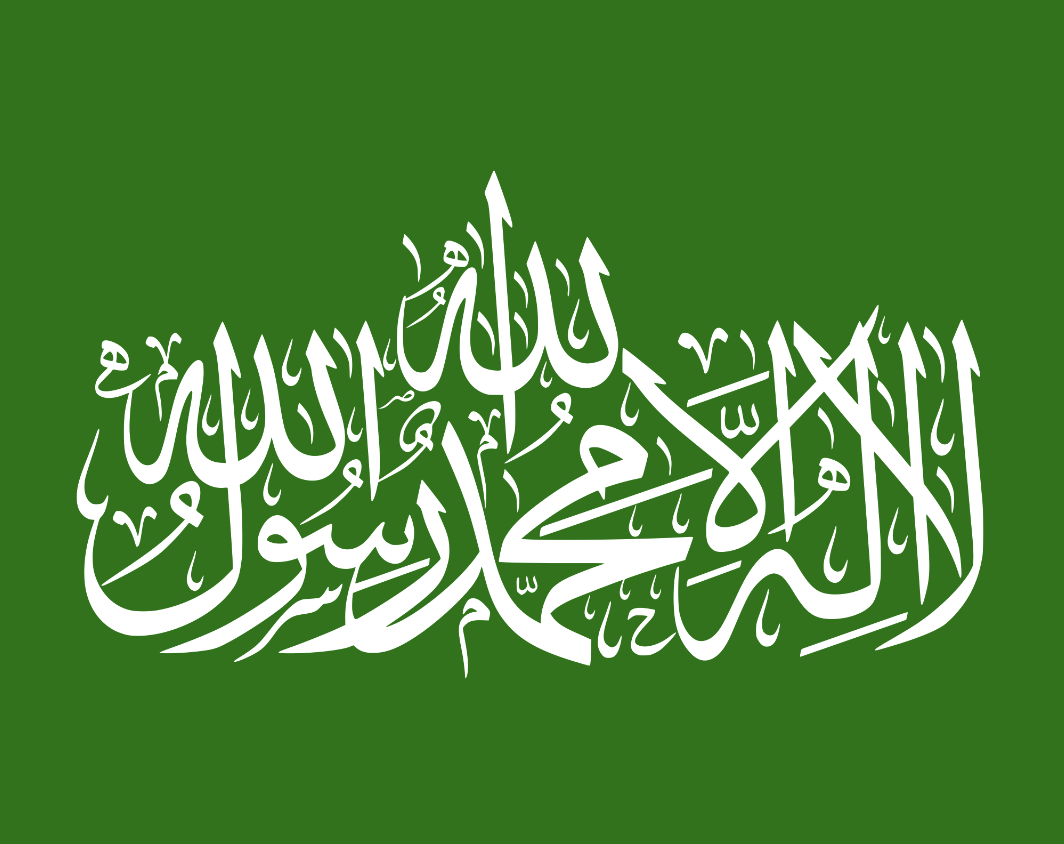
One core belief has to do with the superiority of Islam and the need for Israel’s eventual destruction, which you can find in the opening paragraphs of the founding charter of the Hamas movement. Israel has been trying to appease the mentality behind this document for 75 years in the hopes that Hamas would become less jihadist.

The world now sees where that hope led.  

A second core belief centers on Al Aqsa, the Dome of the Rock complex in Jerusalem, the point from which Muslims believe Mohammed magically transported one night from Mecca. It is the third holiest site in Islam, after Mohammed’s grave site in Medina and of course Mecca. The goal is for Al Aqsa to, symbolically, cover all of Israel.

Even though this whole narrative is laced with religion, it took awhile for professionals in the major news media to get there. I didn’t see Al Aqsa mentions until Sunday, when someone thought to dig up quotes from the Hamas military chief, Muhammad Deif. The importance of the below quote can’t be over-emphasized.

As the Times of Israel noted:

 Here lies a part of Palestinian thinking and discourse that many of Palestine’s Western defenders ignore, both because it’s a hard sell to Western audiences and because they don’t really understand it themselves. Palestinian “resistance,” as conceived by Hamas, is about much more than settlements, occupation or the Green Line. A larger theory of Islamic renewal is at work.

As he announced the start of Saturday’s attack, Hamas military commander Deif said it was meant to disrupt a planned Israeli demolition of the Al-Aqsa Mosque.


Please respect our Commenting Policy

Synod on Synodality secrets: Are elite journalists concerned about zipped lips?

Synod on Synodality secrets: Are elite journalists concerned about zipped lips?

As a rule, journalists are not fond of secrecy and powerful leaders telling their followers to avoid the press.

This is especially true during high-profile meetings that could end up affecting the lives of a billion or so believers and institutions — parishes, schools, hospitals, you name it — affecting millions more.

Thus, I have been waiting to see what the mainstream press, especially in its most elite forms, would do with the decision by Pope Francis to ask participants in the global Synod on Synodality to, well, zip their lips when it comes to talking to the press. At the very least, I expected in-depth coverage of this angle and a hint of muted outrage.

Nope. Once again, we seem to have an interesting and highly symbolic Catholic story that is, apparently, only “news” to religion-market publications and the “conservative” press. Perhaps it is crucial whether journalists identify more with the views of the leader calling for secrecy than they do with the newsmakers who are anxious see an event proceed “on the record”?

Just asking. I, for one, remember how reporters (including me) pushed hard to open (or even invade) closed-door Catholic proceedings when they focused on clergy sexual abuse and earlier Vatican efforts to discipline adventurous (shall we say) American theologians and even bishops. Journalists were certainly convinced that “Reform Dies in Darkness,” or words to that effect.

Anyway, the Associated Press did include the following way down in a “news you can use” round-up at the start of the synod: “Things to know about the Vatican’s big meeting on the future of the Catholic Church.

The two-year preparatory phase of the synod was marked by a radical transparency in keeping with the goals of the process for participants to listen to each other and learn from one another. So it has come as something of a surprise that Francis has essentially imposed a media blackout on the synod itself.

While originally livestreams were planned, and several extra communications officers were hired, organizers have made clear this is a closed-door meeting and participants have been told to not speak to journalists. 

Paolo Ruffini, in charge of communications for the meeting, denied the debate had been put under the pontifical secret, one of the highest forms of confidentiality in the church.


Please respect our Commenting Policy

Five cardinals ask hard questions about doctrine and get a stunning Pope Francis response

Five cardinals ask hard questions about doctrine and get a stunning Pope Francis response

The same-sex blessings near Cologne Cathedral were a public salute to scores of private ceremonies among European Catholics in recent years.

The crowd waved rainbow flags and, according to media reports, sang "All You Need Is Love" by the Beatles. The mid-September rites included Catholic priests reciting blessings for same-sex and heterosexual couples and, though held outside of Cardinal Rainer Maria Woelki's cathedral, represented a bold ecclesiastical affront to the city's conservative archbishop.

Are these rites "weddings"? That was a crucial issue raised by five cardinals in "dubia" (Latin for "doubts") questions sent to Pope Francis weeks before the Vatican's global "Synod on Synodality," which opened this week. The five cardinals requested "yes" or "no" answers.

Instead, the pope offered a detailed analysis in which he restated established Catholic doctrines, noting that "the reality that we call marriage has a unique essential constitution that demands an exclusive name." Thus, the church should avoid rites giving the "impression that something that is not marriage is recognized as marriage."

Nevertheless, Pope Francis -- writing in July -- urged "pastoral charity" in this issue. Thus, the "defense of objective truth is not the only expression of this charity, which is also made up of kindness, patience, understanding, tenderness, and encouragement. Therefore, we cannot become judges who only deny, reject, exclude.

"For this reason, pastoral prudence must adequately discern whether there are forms of blessing … that do not transmit a mistaken conception of marriage. For when a blessing is requested, one is expressing a request for help from God, a plea for a better life, a trust in a Father who can help us to live better."

This drew praise from Francis DeBernardo, leader of the New Ways Ministry for Catholics seeking changes in centuries of Christian doctrine on sexuality.

"The allowance for pastoral ministers to bless same-gender couples implies that the church does indeed recognize that holy love can exist between same-gender couples, and the love of these couples mirrors the love of God," he wrote.


Please respect our Commenting Policy

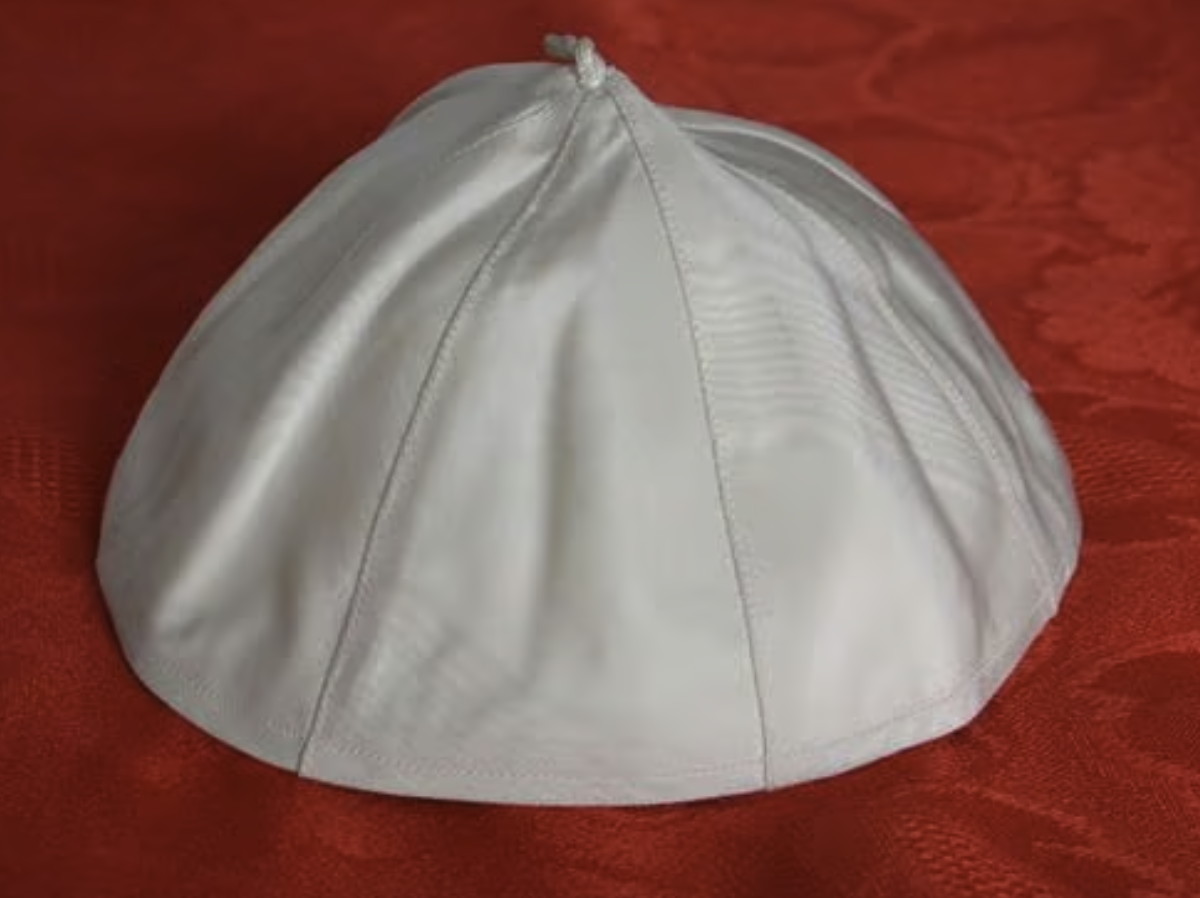
Podcast: Pope Francis tips his white hat on (location, location, location) same-sex blessing rites

Podcast: Pope Francis tips his white hat on (location, location, location) same-sex blessing rites

If you have ever bought a home, or looked for property for a business (or a church), you may have heard a realtor say this: “Location, location, location.” The Urban Dictionary defines this term as follows: “Phrase to remind people that the most determining factor in the price of a house is the location.”

Money isn’t the only thing that matters, of course.

Back in the 1980s, I began to realize that this location-times-three mantra was affecting many major religion-beat stories that I was covering, especially in Christian flocks that include folks called “bishops.” In so many cases, what happened in churches — even what was taught from pulpits — was shaped by what that congregation’s bishop encouraged, discouraged or even punished.

This basic equation loomed in the background during this week’s “Crossroads” podcast (CLICK HERE to tune that in), which focused on the stunning responses that Pope Francis offered to “dubia” (Latin for “doubts”) documents from five doctrinally conservative cardinals.

Did he or did he not signal his support for same-sex blessing rites (or sort-of rites) in Catholic parishes around the world? Well, this pope is a Jesuit, which means that he declined to give a “yes” or “no” answer. But what he seemed to say was this: There are Catholic clergy who can find ways to show “pastoral charity” to LGBTQ+ Catholics and, if this is OK with their local bishops, they can proceed with blessing gay couples (since that is what many of them are already doing).

Now, this is long and quite Jesuit (the adjective form of the word). But readers need to see all of this to understand what may or may not be showing up in the news that they read. Francis proclaimed:

a) The Church has a very clear conception of marriage: an exclusive, stable, and indissoluble union between a man and a woman, naturally open to the begetting of children. It calls this union “marriage.” Other forms of union only realize it “in a partial and analogous way” (Amoris Laetitia, 292), and so they cannot be strictly called “marriage.”

b) It is not a mere question of names, but the reality that we call marriage has a unique essential constitution that demands an exclusive name, not applicable to other realities. It is undoubtedly much more than a mere “ideal.“

c) For this reason the Church avoids any kind of rite or sacramental that could contradict this conviction and give the impression that something that is not marriage is recognized as marriage.

d) In dealing with people, however, we must not lose the pastoral charity that must permeate all our decisions and attitudes. The defense of objective truth is not the only expression of this charity, which is also made up of kindness, patience, understanding, tenderness, and encouragement.


Please respect our Commenting Policy

Media revelation: Two-parent homes are good for children. Religion questions, anyone?

Media revelation: Two-parent homes are good for children. Religion questions, anyone?

The past two weeks have produced a boomlet in scholarly and journalistic revelations of facts that establish heavy disadvantages afflicting children not raised by two parents, who are more prevalent in the United States than any other nation.

This is a controversial topic and has all kinds of links to debates about religion, morality and culture.

Consider this from a lengthy New York Times op-ed Sept. 20, with this explosive headline: “The Explosive Rise of Single-Parent Families Is Not a Good Thing.”

The evidence is overwhelming: Children from single-parent homes have more behavioral problems, are more likely to get in trouble in school or with the law, achieve lower levels of education and tend to earn lower incomes in adulthood. Boys from homes without dads present are particularly prone to getting in trouble. …

This article, by University of Maryland economist Melissa S. Kearney, was based on her new book “The Two-Parent Privilege: How Americans Stopped Getting Married and Started Falling Behind” (University of Chicago Press). The Religion Guy has yet to read this book, which has won media praise as “important,” “compelling” and “a great service,” with a “top scholar” offering “reams of evidence.”

By coincidence, the same day the book was released, University of Virginia sociologist W. Bradford Wilcox and three Institute for Family Studies colleagues posted a piece (.pdf here) headlined “Do Two Parents Matter More Than Ever?” Their answer: Yes. It’s the latest such documentation from the Institute and the university’s National Marriage Project, which Wilcox directs. (Note: these social scientists are not saying spouses should remain in physically or emotionally dangerous marriages.)

These writings do not center on religious arguments or sources, but Christian, Jewish, Muslim and other clergy, and members of their congregations, will respond: “Duh!”


Please respect our Commenting Policy

Journalists need to ask: Are emerging Catholic synod fights about 'ideology' or 'doctrine'?

Journalists need to ask: Are emerging Catholic synod fights about 'ideology' or 'doctrine'?

The Synod on Synodality is here and there are many, many angles for journalists to pursue.

Let’s put it this way (with much, much more to come), I don’t think Clemente Lisi will have lots of time for soccer (he is an internationally known reporter on all things futbol) in the days ahead. For starters, readers can dig into these Lisi features at Religion Unplugged, where he is editor: “Everything You Need To Know About The Synod On Synodality” and “Pope Francis Open To Church Blessing Of Same-Sex Unions.”

The same-sex blessing story is huge and, frankly, leaders in some mainstream newsrooms (scan this Google News search file) seem to be waiting for a clear signal from their usual Catholic sources on the degree to which it is appropriate to celebrate.

I would like to back off and examine an important word in recent statements by Pope Francis and, thus, the elite press. That word is “ideology.” You can see what is going on in the Associated Press report with this headline: “Ideological rifts among U.S. bishops are in the spotlight ahead of momentous Vatican meeting.”

The subject, of course, is the Synod on Synodality. Read this carefully:

The synod is intended to be a collegial, collaborative event, though the agenda includes divisive issues such as the role of women in the church and the inclusion of LGBTQ Catholics.

If there’s Exhibit A for how elusive consensus might be, it’s the United States’ participation. In effect, there are two high-level U.S. delegations widely viewed as ideological rivals — six clerics appointed by Pope Francis who support his aspirations for a more inclusive, welcoming church; five clerics chosen by the U.S. Conference of Catholic Bishops who reflect a more conservative outlook and more skepticism of Francis’ priorities.

The assumption, of course, is that the divisions among U.S. representatives and, one can assume others around the world, are essentially political.

As always: Politics is real. Religion? Not so much.

Let’s keep reading, before we return to that loaded word — “ideological.”


Please respect our Commenting Policy