People

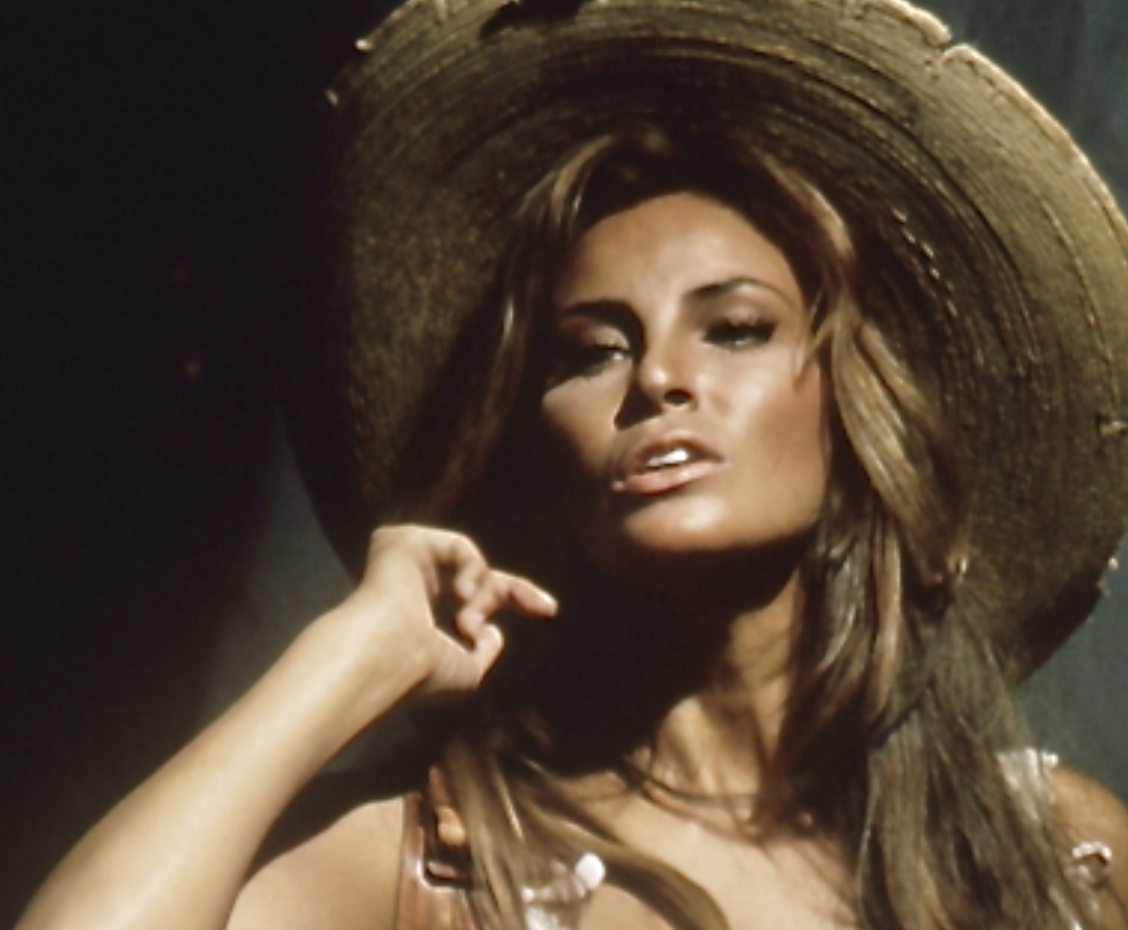
Raquel Welch: The bombshell who became a quiet, sincere Presbyterian church lady

Raquel Welch: The bombshell who became a quiet, sincere Presbyterian church lady

The statuesque film legend didn't call attention to herself as she shared a pew with other conservative Presbyterians in their small church not far from Hollywood.

She was articulate when discussing theology and church matters and, from time to time, would offer advice on finances. She had learned a lot in the movie business.

Raquel Welch wasn't trying to hide, during the later decades of her life when she faithfully attended Calvary Presbyterian Church in Glendale, California. She was simply looking for people she could trust.

"She was careful. … She wasn't going to one of those 2,000-member churches where everyone would look at her. That wasn't her style," said the Rev. Christopher Neiswonger, who grew up in that congregation and attended nearby Fuller Theological Seminary. He now leads Graceview Associate Reformed Presbyterian Church in Southhaven, Mississippi.

"She also wasn't trying to stick her thumb in the eye of a Hollywood culture that she knew would denigrate this kind of faith commitment. … She was Raquel Welch, but she just wanted to be part of our church family."

Welch died on Feb. 15 at the age of 82, inspiring waves of tributes focusing on her iconic beauty in "Fantastic Voyage," "100 Rifles," "The Three Musketeers" and dozens of other movies and television programs. The legendary poster from "One Million Years B.C." framed her as a bombshell babe image for the ages.

In a Facebook tribute shared with other believers, Neiswonger called Welch a "wonderful lady and a fine Christian" whose "faith grew more powerful and practical with age. It's often true that the most important things become the most important to us as we've matured personally."

At the end of her 2010 memoir, "Raquel: Beyond the Cleavage," Welch described the hard questions she asked after the death of her mother, a faithful Presbyterian, and a sister's struggle with cancer. After decades away from church, Welch offered an "awkward inept prayer" to the "God of my childhood and, lo and behold, he was still there."

Please respect our Commenting Policy

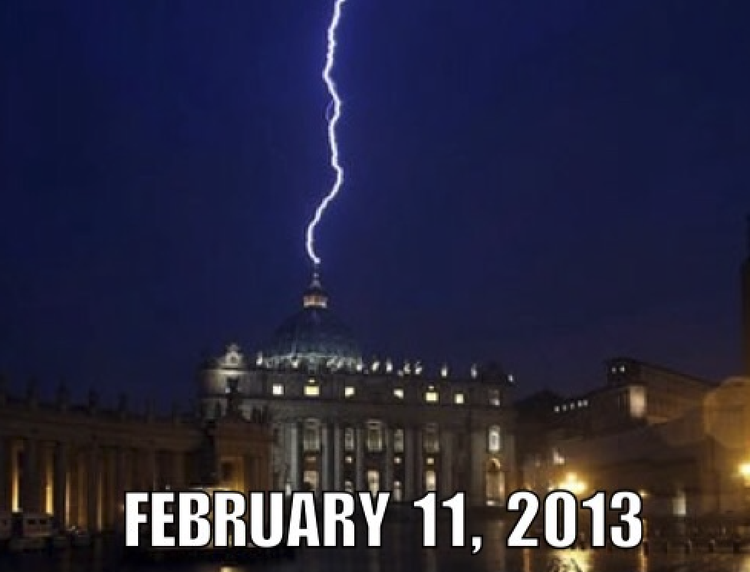
Got news? Concerning a boring AP story that ignored info about controversial cardinal

Got news? Concerning a boring AP story that ignored info about controversial cardinal

Want to read a really boring Associated Press news story?

You know, the kind of short hard-news, nothing-but-facts AP report in which an important person — Pope Francis, in this case — releases a list of appointees to some inside-baseball this or that, people who are either unknown or vaguely familiar to a dozen or so readers who are into that kind of thing?

In this case, one ends up with a boring headline — sure to appear in a few newspapers — that reads like this: “Pope renews cabinet of cardinal advisers, adds new members.” Here’s the riveting overture:

ROME (AP) — Pope Francis has renewed his cabinet of cardinal advisers from around the world, naming a handful of new members Tuesday and reconfirming others to help him run the Catholic Church.

Francis instituted the Council of Cardinals one month into his papacy, on April 13, 2013, with a primary goal of advising him on the reform of the Vatican bureaucracy. After nearly a decade of consultation, Francis issued a new blueprint for the Vatican bureaucracy last year.

Nevertheless, the Jesuit pope clearly appreciated the regular opportunities to consult with a small number of hand-picked cardinals representing the church on nearly every continent, and decided to keep the cabinet alive, albeit with some new members.

Now, would that story be a bit more interesting — “newsy” even — if it noted that one of the new members of this papal “inner ring” was a cardinal who, at this moment in time, may be the world’s most controversial prince of the church?

I mean, in this case we are talking about a cardinal who said the following, in an interview with KDA, a German news agency:

"The Church's positions on homosexual relationships as sinful are wrong. … I believe that the sociological and scientific foundation of this doctrine is no longer correct. It is time for a fundamental revision of Church teaching, and the way in which Pope Francis has spoken of homosexuality could lead to a change in doctrine. …


Please respect our Commenting Policy

Thinking about God and Hollywood: Raquel Welch became a faithful Presbyterian?

Thinking about God and Hollywood: Raquel Welch became a faithful Presbyterian?

I have to admit that it never would have entered my mind to think there were religion “ghosts” in the life, career and death of Raquel Welch, who would have to be on anyone’s list of the iconic bombshell beauties in Hollywood history.

Then I started getting some emails.

Who knew that Welch evolved into a churchgoing and, by all reports, quite modest and mature Presbyterian church lady. In particular, people pointed me toward The Aquila Report, a blog for “conservative, orthodox evangelicals in the Reformed and Presbyterian family of churches.” The headline: “A Tribute to Raquel Welch’s Life and Testimony — She was a wonderful lady and a fine Christian.” Here is a sample of that feature:

As with many, her faith grew more serious and practical with age. It’s often true that the most important things become the most important to us as we’ve matured personally. That’s just to say that spiritual and personal maturity are often coincident age and life experience.

Second, she fully embraced the Reformed and Presbyterian faith as described in the Westminster standards. She would never burden others that they must because she did — but that she did isn’t really a question. She was of the old, rugged faith. She never felt the need to pressure anyone in regard to matters of faith but she also didn’t have a great deal of patience for cute or pop cultural theological moods. This was part of her strength.

Third, she was just another lady of the church. She didn’t put on airs or expect special attention (although she could hardly avoid even with the best of intentions being the most glamorous person in the room). And she often advised churches and ministries on practical and business matters because she was brilliant in those things. You didn’t think she survived and thrived 60+ years in the public eye by just being a pretty face?

There was one more point that I found interesting, because it linked to material I had encountered through the years about some “conservative” superstars.

It helps to know that my favorite actor of all time is the late Jimmy Stewart and I’ve read quite a bit about his life. I was set up to interview him, years ago, at the Presbyterian church he attended, but he came down with the flu and had to cancel.

Anyway, the Aquila Report piece noted that Welch’s faith journey was linked to her friendships with “other conservative Presbyterians Jimmy Stewart, Ron Reagan and Chuck Heston.” Interesting.


Please respect our Commenting Policy

Podcast: Zero elite press coverage of 'heresy' accusations against an American cardinal?

Podcast: Zero elite press coverage of 'heresy' accusations against an American cardinal?

The question at the heart of this week’s “Crossroads” podcast (click here to tune that in) was not whether Springfield (Ill.) Bishop Thomas Paprocki was on target with his First Things essay that all but accused San Diego Cardinal Robert McElroy of heresy.

The question was not whether Cardinal Jean-Claude Hollerich of Luxembourg — a strategic leader in the Vatican’s Synod on Synodality — was right when he said the church's teaching on homosexuality are “no longer correct,” and added, “I think it is time for a fundamental revision of the doctrine."

The question was not whether Chicago Cardinal Blase Cupich was correct when he suggested, in print, that priests should absolve Catholics who come to Confession, allowing them to receive Holy Communion, even if these individuals refuse to repent of behaviors that Catholic doctrine insists are sin.

The question was not what Pope Francis meant when he told bishops in the Congo, “Always. Always forgive in the Sacrament of Reconciliation” — even if there is confusion about whether penitents are repenting of their sins or not.

No, the journalism question discussed during this podcast was this: Why are these developments — especially that stunning “Imagining a Heretical Cardinal” essay by Paprocki — receiving (as of this morning) zero coverage in the mainstream press?

By the way, it’s important that Bishop Paprocki is the chairman-elect of the Canonical Affairs and Church Governance Committee of the United States Conference of Catholic Bishops.

It may also be relevant that, in 2017, Paprocki and McElroy clashed — in print — over the Springfield bishop’s decision not to allow Catholics to receive Holy Communion if they are openly living in same-sex marriages and, thus, rejecting centuries of Catholic doctrines on marriage and sex.

Why the lack of coverage? I have several theories.


Please respect our Commenting Policy

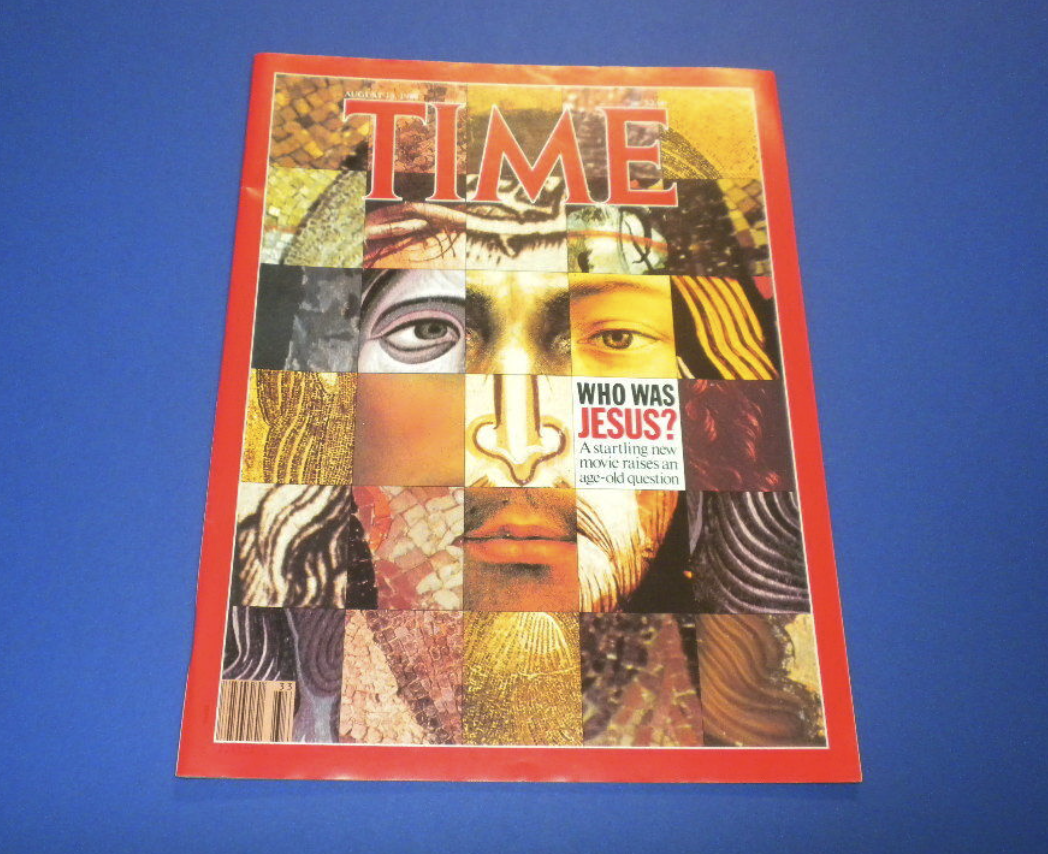
100 years ago this week, feisty Time magazine began changing the news game

100 years ago this week, feisty Time magazine began changing the news game

Friday, March 3, marks 100 years from the first issue date of Time magazine, self-described as “The Weekly News-Magazine.”

The feisty New York-based newcomer brought journalistic inventions that redefined what’s news and how it’s presented. When Time and other Time Inc. magazines were up for sale in 2018, an article in the rival New York Times bade farewell to “the pre-eminent media organization of the 20th Century.”

Here is a very obvious point of disclosure and personal privilege: The Guy worked there 1969-1998 as a field correspondent and Religion section writer.

Looking back, the magazine’s 75th anniversary spectacle converted Radio City Music Hall across the street into a banquet venue and invited every living person who’d ever appeared on its cover. The Rev. Billy Graham, say hello to Joe DiMaggio. President Bill Clinton, meet Lauren Bacall. You get the picture.

The current ownership, however, is low-key about the centennial. But Time’s survival is noteworthy in today’s harsh environment for print media, albeit with reduced circulation, budget, staffing and publishing frequency.

Then there is another important angle about the impact of Time in the news marketplace. News flash: Religion makes news!

Missionary Kid Henry Luce was the co-founder, and Time carried a religion news section each week, alongside other specialized “back of the book” sections like Press and Law -- subject areas that many dailies only covered with depth decades later.

Attention-grabbing Time covers, coveted real estate for all fields, added renown to numerous religious writers and thinkers (e.g. C.S. Lewis, 1947), bureaucrats (Eugene Carson Blake, 1961) and activists (Mother Teresa, 1975).

Some readers may recall one cover in particular — the much-misunderstood black-hued “Is God Dead?” Holy Week cover in 1966, written anonymously (no bylines in those days) by John Elson. This talented scribe, a churchgoing Catholic, was not undermining faith but asking whether there were any limits to the era’s “theological strip-tease” among liberal Protestants and post-Protestants. That cover was, in other words, ahead of its time.


Please respect our Commenting Policy

Plug-In: Latest Asbury revival is big news, from the New York Times to Christianity Today

Plug-In: Latest Asbury revival is big news, from the New York Times to Christianity Today

Good morning, Weekend Plug-in readers!

It’s the one-year anniversary of Russia’s invasion of Ukraine.

This week’s roundup features news about former President Jimmy Carter’s faith and Saddleback Church’s exit, for now, from the Southern Baptist Convention.

But we start with a story Plug-in already covered last week.

I explain why in 3, 2, 1 …

What To Know: The Big Story

Asbury revival, again: When the New York Times, Christianity Today and Terry Mattingly (IYKYK) all jump on the same story, it must be a big deal.

Such is the case with the spiritual phenomenon that drew thousands to a small Christian college in Kentucky.

The spontaneous, 16-day gathering that ended Thursday was like “‘Woodstock’ for Christians.” So declares Times religion writer Ruth Graham’s front-page story today.

Behind the scenes: “Chocolate chip cookies. ‘All the Chick-fil-A.’ Meetings in a storage closet. Flow charts.”

Christianity Today’s Daniel Silliman goes in depth to explore how Asbury University officials tried to “honor what is happening.”

‘Like deja vu all over again’: In his “On Religion” column for the Universal Syndicate, Mattingly delves into the history of past Asbury revivals.

They go all the way back to 1908, as alumnus and professor Stephen A. Seamands notes in Mattingly’s column:

“The wildness of these events is that they’re actually un-wild. The atmosphere is serene, deep and at times rather quiet,” he said. “It’s like a veil is pulled back and students see Jesus for the first time — Jesus manifested in a new and powerful way.”


Please respect our Commenting Policy

Podcast: Women in ministry remains a hot topic in SBC life, especially at the pulpit level

Podcast: Women in ministry remains a hot topic in SBC life, especially at the pulpit level

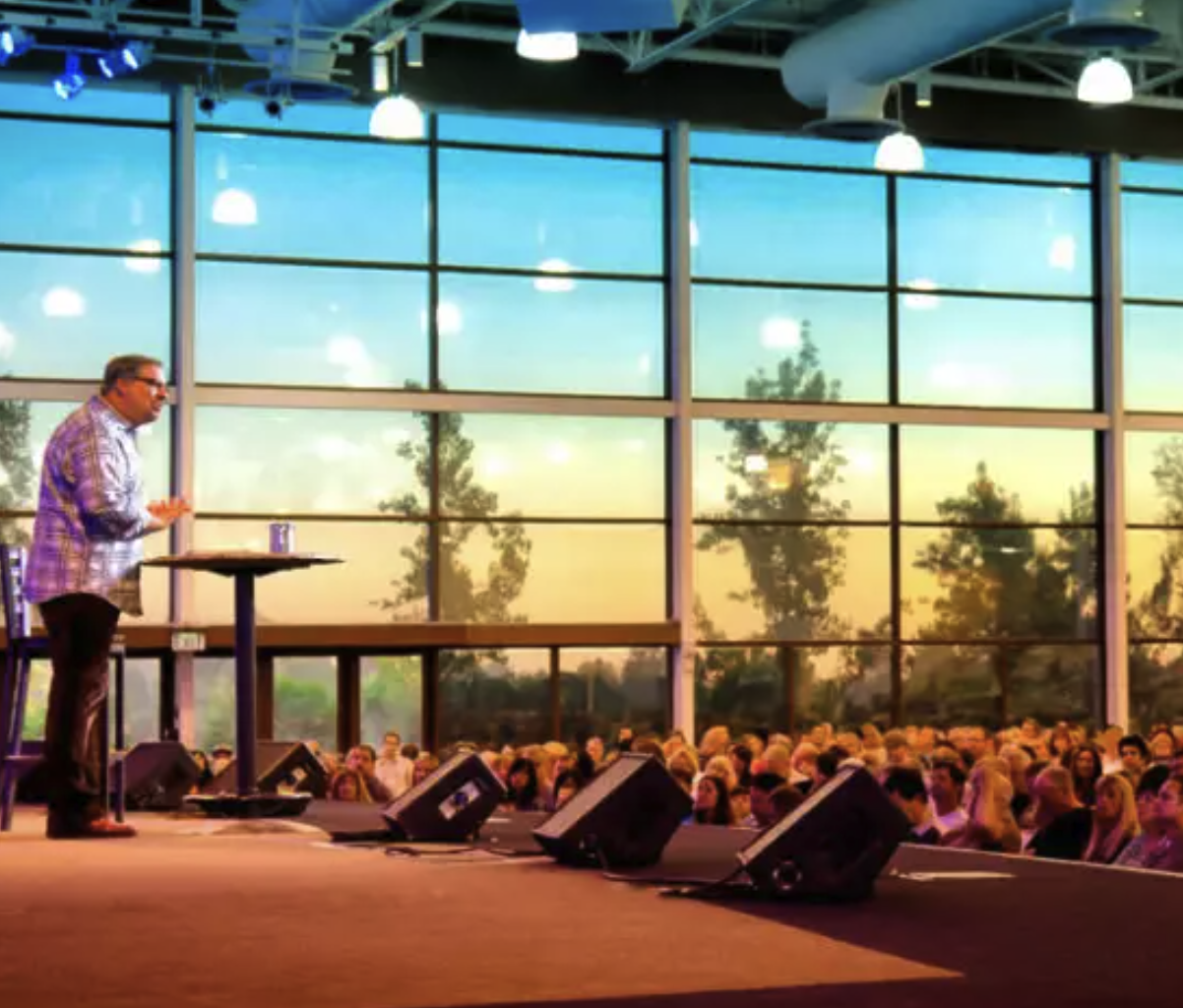
Any controversy linked to the Rev. Rick “Purpose Driven Life” Warren is, by definition, going to be a big news story. I mean, that mega-bestseller has been translated into 100-plus languages and is so omnipresent that it’s most famous quote ended up in a Marvel Comic Universe movie.

Meanwhile, any controversy that involves conservatives opposing the ordination of “moderate” or “progressive” Baptist women is going to be a big news story, because — for most mainstream journalists — that is a good vs. evil story, and that’s that.

Thus, it’s no surprise that there has been quite a bit of ink about the vote by the Southern Baptist Convention’s executive committee declaring that the giant Saddleback Church, founded by Warren, is no longer “in friendly cooperation” with America’s largest non-Catholic flock.

Yes, that’s SBC lingo. We are dealing with a “convention” of autonomous congregations, not a “denomination,” and it’s primary source of national giving/income is called the “Cooperative Program.” So, has Saddleback been “ousted,” “expelled” or “kicked out” of SBC life for good? We will see.

GetReligion readers will not be surprised that we ended up discussing all of these issues during this week’s “Crossroads” podcast (CLICK HERE to tune that in). The good news, in this case, is that the most important stories about this case were written by experienced religion-beat pros. Here’s the top of the Associated Press report:

The Southern Baptist Convention … ousted its second-largest congregation — Saddleback Church, the renowned California megachurch founded by pastor and best-selling author Rick Warren — for having a woman pastor.

The vote by the convention’s Executive Committee culminates growing tension between the nation’s largest Protestant denomination — which officially opposes women as pastors — and a congregation whose story has been one of the biggest church-growth successes of modern times.

The committee cited Saddleback’s having “a female teaching pastor functioning in the office of pastor,” an allusion to Stacie Wood, wife of the current lead pastor of Saddleback, Andy Wood.

But the controversy began in 2021, when Warren ordained three women as pastors, prompting discussions within the denomination about possibly expelling the megachurch.

What is going on here? There are several important clues in that material.


Please respect our Commenting Policy

With her newsworthy 'firsts,' don't ignore religion angles in Nikki Haley v. Donald Trump

With her newsworthy 'firsts,' don't ignore religion angles in Nikki Haley v. Donald Trump

As a woman and as a child of immigrants from India, new presidential candidate Nikki Haley has scored notable career “firsts.”

But the media shouldn’t ignore that her life story is more religiously intriguing than any of the 16 Republicans on CNN’s list of other potential challengers to Donald Trump. She’s been regularly subjected to questions about conversion from her parents’ Sikh religious faith to Christianity at age 24.

Moreover, Haley right now has a link to a huge 2023 story, the global split in the United Methodist Church. Haley and family are members of Mt. Horeb church in Lexington, South Carolina’s largest UMC congregation with 5,000-plus members.

Mark your calendars: On February 26 the congregation meets to decide whether to leave the denomination after 132 years due to progressive trends in the denomination’s doctrines and discipline that conservatives believe will undermine the Bible’s authority, including on “sexual ethics.” Local coverage here: “SC’s largest United Methodist Church prepares to leave denomination.” Two-thirds approval will be needed to depart.

This doctrinal dispute may not matter in Republican primaries, but it’s easy to imagine Democrats highlighting religious affiliation and LGBTQ concerns if underdog Haley manages to win the Republican nomination for president or vice president.

Already, LGBTQNation and People For the American Way’s Right Wing Watch are on the warpath. Note the targeting of Haley’s friend Pastor John Hagee, who prayed at her campaign launch. As a candidate, she will need strong support from cultural conservatives, which will require clear stands on issues linked to parental rights, religious liberty and abortion.

Born Nimrata Nikki Randhawa and raised in Sikhism, Haley was encouraged by her parents to visit varied churches and understand the surrounding culture. She married husband Michael in both Sikh and Methodist ceremonies and soon after converted to Christianity.


Please respect our Commenting Policy

Plug-In: A $50 million shrine dedicated to honor Catholic farm boy who became a martyr

Plug-In: A $50 million shrine dedicated to honor Catholic farm boy who became a martyr

Most weeks, I send out a “live” version of Weekend Plug-in.

This week, though, I expected to be on an airplane as this e-newsletter began arriving in readers’ inboxes. So if any UFOs got shot out of the sky this weekend, don’t look for the religion angle right here, right now.

But please do enjoy this prescheduled roundup of the best reads and top headlines in the world of faith.

What To Know: The Big Story

Blessed Stanley: A dedication Mass for a $50 million shrine honoring the Catholic Church’s first U.S.-born martyr was held in Oklahoma City. I wrote about the life — and death — of slain missionary Stanley Francis Rother for The Associated Press.

My story notes:

The Spanish colonial-style structure incorporates a 2,000-seat sanctuary as well as a visitor center, gift shop, museum and smaller chapel that will serve as Rother’s final resting place.

The shrine grounds also will feature a re-creation of Tepeyac Hill, the Mexico City site where Catholics believe the Virgin Mary appeared to an Indigenous Mexican man named Juan Diego in 1531. An artist created painted bronze statues of Our Lady of Guadalupe and St. Juan Diego — each weighing thousands of pounds — for the Oklahoma site.

Life and ministry: For the best in-depth coverage of Rother and the shrine, be sure to follow The Oklahoman’s faith editor, Carla Hinton, who has covered this story for years.

Among her features this week: a detailed look at the shrine museum and an exploration of how “Rother’s heart has remained with his beloved Guatemalan parishioners.”

A final shrine note: I first wrote about Rother in 2001 during my time as religion editor for The Oklahoman. In 2017, I did a Religion News Service feature on the love for “Father Stan” in his hometown of Okarche, Oklahoma.


Please respect our Commenting Policy