LGBTQ

Old, nagging conflicts will continue to dominate religion news in the coming year

Old, nagging conflicts will continue to dominate religion news in the coming year

Yes, there will be a hotly contested U.S. election in 2022. And pretty much every secular and religious faction is keyed up awaiting the U.S. Supreme Court's decision on whether to revise or revoke its rulings that legalized abortion.

Big decisions like this typically land in late June.

Other lingering disputes on the news coverage agenda include the following.

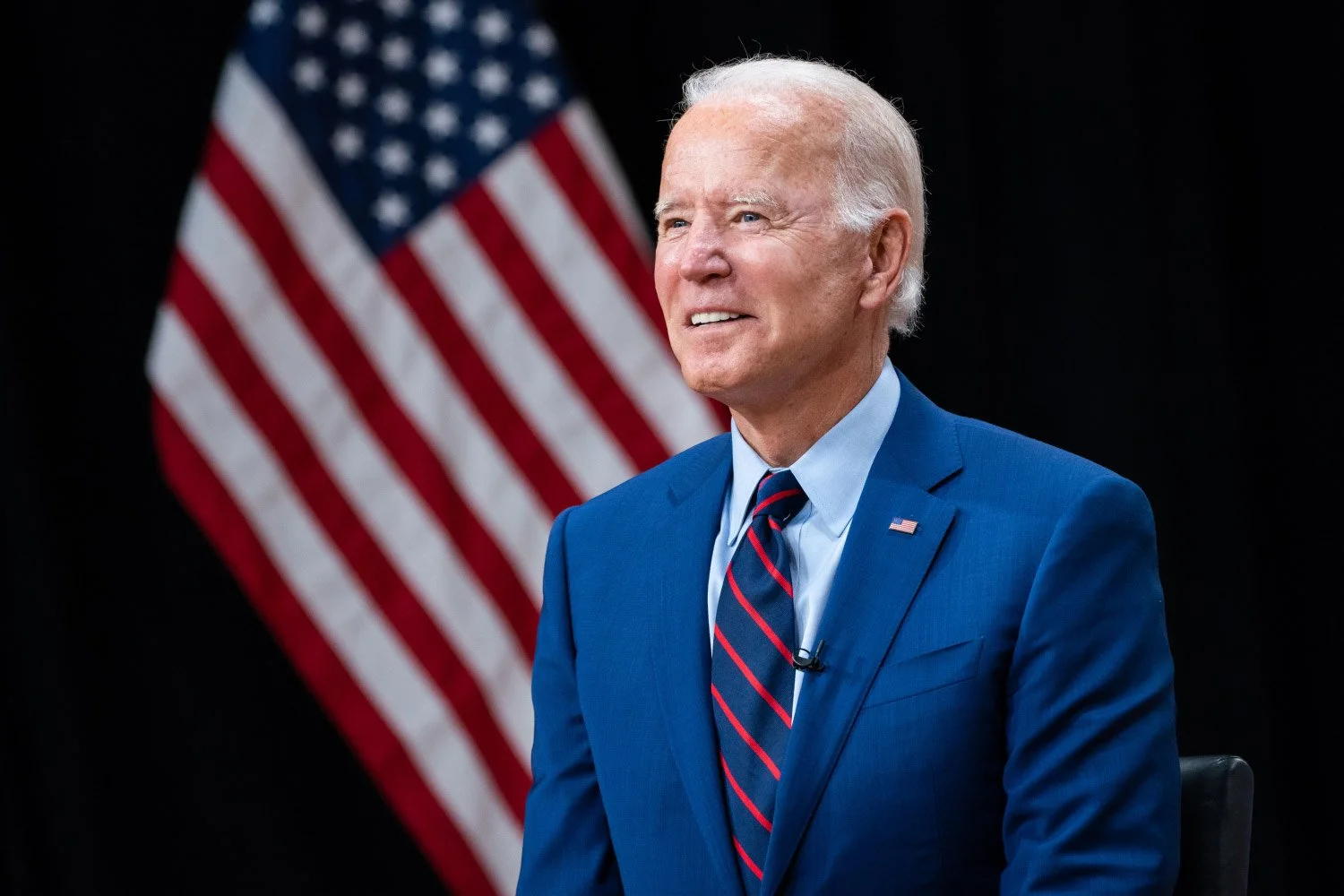
* As the U.S. Senate struggles with a rewrite of the Catholic President Joe Biden's elephantine social-spending bill, the Catholic bishops' conference vehemently opposes any inclusion of abortion funding.

The bishops, along with Orthodox Judaism's synagogue union, also fear (.pdf here) this law will cripple funding for widespread religious preschools. In yet another church-state debate, Biden hopes to end religious exemption from anti-discrimination rules, which went into effect in January.

* Inside the world of Mainline Protestantism, the unending dispute over the Bible and LGBTQ+ issues may produce the biggest U.S. church split since the Civil War at the United Methodist Church's General Conference. Early in 2022, a commission must decide whether the twice-postponed conference, now scheduled for August 29-September 6 in Minneapolis, can finally occur despite two years of COVID-related snarls and, some say, stalling by the UMC establishment.

* The T in LGBTQ won new Methodist attention as just-retired Pennsylvania Bishop Peggy Johnson and her husband, a Methodist pastor, publicized the latter's gender transition while identifying publicly as a "cisgender" male.

Last March, a sizable body of U.S. conservatives announced plans to leave the denomination and unite with former mission churches overseas — primarily in Africa and Asia — to form the "Global Methodist Church," led temporarily by Virginia Pastor Keith Boyette (540-898-4960).

Please respect our Commenting Policy

Five big Catholic news angles that journalists will need to cover during 2022

Five big Catholic news angles that journalists will need to cover during 2022

As 2021 comes to a close, everyone is looking towards 2022. The news cycle over the last two years has been dominated by COVID-19 and that doesn’t seem to be subsiding — given the rash of infections the past few weeks as a result of the Omicron variant.

The Catholic world, meanwhile, had in 2021 one of its busiest years. The election of Joe Biden as president — this January will officially mark his first year in office — also dominated news coverage. That Biden was also a Catholic (only second after John F. Kennedy in 1960) thrust Catholicism into the political news coverage. Politics plus religion equals news. It’s a familiar formula.

Biden, a practicing Catholic who attends Mass on Sundays, was at odds this year with many U.S. bishops — setting up a year-long debate over whether he (and other pro-abortion politicians) should receive Holy Communion. In the end, the bishops offered more clarification in the importance of the Eucharist without singling out Biden. Truth is, no one knows if the bishops actually considered mentioning Biden or other pro-abortion-rights Catholics.

Issues around politics and religion will likely dominate once again in 2022. The abortion issue and a pending Supreme Court decision regarding access to it will be a big story in the coming year. The Catholic church, a major part of the abortion debate in this country for decades, will play a major role in news stories that will be written over the coming months.

At the same time, Pope Francis, who recently turned 85, will again be surrounded by rumors that he will either resign or die. Whether this pope — the most polarizing in centuries — can chip away at his agenda to change the church in the 21st century will continue to pit traditionalists versus progressives.

Here are the five big news trends and stories journalists need to keep an eye on in the new year:

(5) Pope Francis and his focus on a progressive agenda

This coming year could be the one where the battle between this pontiff and doctrinal traditionalists intensifies even further. A Dec. 17 Associated Press story set the stage for such a confrontation in what will be Francis’ ninth year as head of the Catholic church.


Please respect our Commenting Policy

New podcast: Top Godbeat story of 2021? Look for Jan. 6 religion hooks (#DUH)

New podcast: Top Godbeat story of 2021? Look for Jan. 6 religion hooks (#DUH)

beat stories.

Trust me, I understand that preparing the ballot for this poll is a thankless job. One of the hardest tasks is finding a way to describe some of the broader trends during any given year. It’s easier — most of the time — to describe singular events.

During this week’s “Crossroads” podcast (CLICK HERE to tune that in), host Todd Wilken asked me to describe some of the patterns that I have seen in the RNA poll results through the decades.

Trend No. 1 is clear: Name the biggest political story of the year and look for a religion angle. After all, politics is the true religion of many folks who run newsrooms.

Trend No. 2 works about 76% of the time: What did the pope do this year, especially if it has any implications for U.S. political fights over moral and social issues (see trend No. 1).

Trend No. 3 comes and goes: What did liberal leaders of the Seven Sisters of Mainline Protestantism proclaim about sex and did it cause new revolts that might split their churches? Every now and then, the Southern Baptists slip in with battles over sex, race or politics (newsworthy topics, in other words).

In light of these trends, it was easy to predict that the RNA poll’s top story for 2021 would be:

Religion features prominently during the Jan. 6 assault on the U.S. Capitol by pro-Trump insurrectionists. Some voice Christian prayers, while others display Christian or pagan symbols and slogans inside and outside the Capitol.

That’s actually a careful wording and, in particular, note that the RNA leaders refrained (this must have been hard) from including a reference to “white evangelicals.”

The key, in this description, is the tension between “prominently” and “some,” as in the folks saying “Christian” prayers. It’s safe to assume that this is the rebel that they had in mind (as quoted in one of my “On Religion” columns):


Please respect our Commenting Policy

Think pieces: Why are evangelicals evolving on doctrines linked to LGBTQ issues?

Think pieces: Why are evangelicals evolving on doctrines linked to LGBTQ issues?

Yes, this is an unusual “think piece,” in part because it is best to consider it an online debate between two major voices shaping debates in contemporary evangelicalism.

One one side is the Rev. Denny Burk, a biblical studies professor at Boyce College, which is linked to the giant Southern Baptist Theological Seminary in Louisville.

On the other side is historian and gender-studies specialist Kristin Kobes Du Mez of Calvin University, who is best known as the author of the much-discussed book “Jesus and John Wayne: How White Evangelicals Corrupted a Faith and Fractured a Nation.”

Let’s start with a short comment from Burk, who posted:

… I had an important exchange with Kristin Kobes Du Mez on social media. I won’t rehash the entire back and forth here. Some of it is linked below for your reference if you are interested in following the threads. If you boil it all down, she asked me a question, and I asked her one. She asked me whether I thought her book Jesus and John Wayne contains false teaching (to which I answered “yes”), and I asked her if she believes that homosexuality is sinful (to which she answered that she doesn’t know yet).

Hers is my question: What does it mean to state that “homosexuality is sinful”? Is this a discussion of homosexual orientation or of sexual behavior?

In other settings, people have been arguing about whether it is sinful, or perhaps simply spiritually dangerous, for celibate LGBTQ Christians to publicly and enthusiastically proclaim a gay identity. Thus, their sexual behavior does not violate centuries of Christian doctrine.

There are important lines between each of these stances and, frankly, other variations on these themes.


Please respect our Commenting Policy

New podcast: Baptisms are in the headlines, at the moment, for better and for worse

New podcast: Baptisms are in the headlines, at the moment, for better and for worse

Believe it or not, baptism is in the news.

In this case, we have some good news and some bad news.

What do you want to hear first, the good news or the bad news? In this week’s “Crossroads” podcast (click here to tune that in) we went with the good news first.

When I say “good news,” I am referring to a New York Times story that is kind of fun and contains tons of good information. However, this is a story that takes a trend in some of those giant, modernized evangelical megachurches and tries to turn it into a Big Idea piece. Hold that thought.

The headline: “Horse Troughs, Hot Tubs and Hashtags: Baptism Is Getting Wild.” Here is a big block of the thesis material:

Performing the age-old Christian ritual in a more informal style “conveys this isn’t your grandmother’s church,” said Drake Osborn, pastor of teaching and liturgy at Grace Church in Waco, Texas. His congregation moved into a former bowling alley in 2016 but never considered installing a built-in baptistery. Instead, Grace Church uses a foam model bought online for about $2,500.

The shift has taken place as many pre-21st-century symbols of church life have fallen out of fashion in evangelical culture, especially among churches that are expanding or building new facilities. Sanctuaries are now “worship centers,” and steeples and stained glass are out. Natural light is often eschewed in favor of a black-box theater aesthetic optimized for flashy audiovisual experiences and online streaming.

It is not just the architecture that is changing. Contemporary evangelical baptisms are often raucous affairs. Instead of subdued hymns and murmurs, think roaring modern worship music, fist pumps, tears and boisterous cheering. There are photographers, selfie stations and hashtags for social media. One church in Texas calls its regular mass baptism event a “plunge party.”

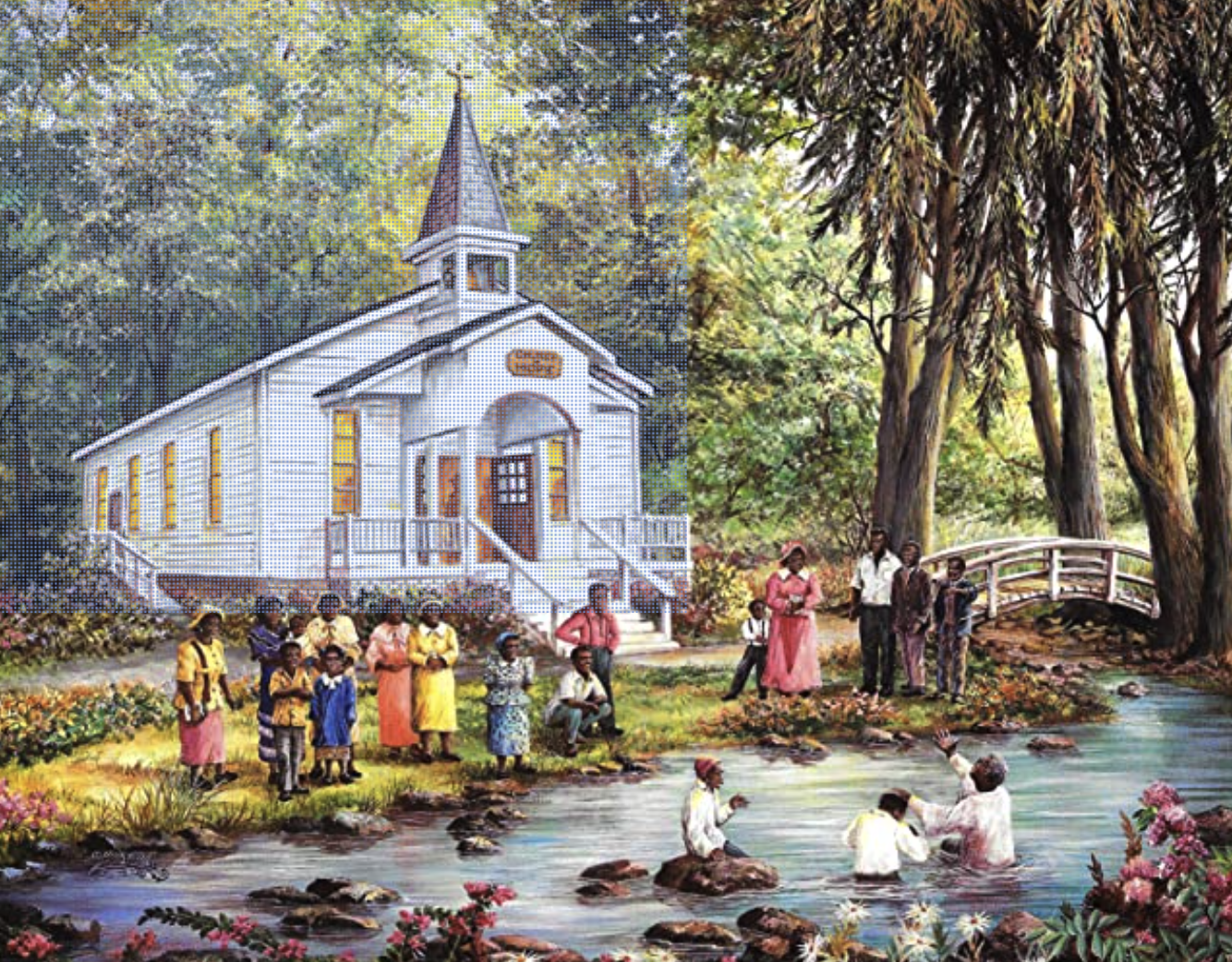
Well now. It may be true that “evangelical baptisms” are getting a little bit “raucous,” but that’s a rather strange statement to make in light of baptism traditions down the years in Black evangelical and Pentecostal churches.


Please respect our Commenting Policy

United Methodist pastor who joined drag queen show? Now it's more than an RNS story

United Methodist pastor who joined drag queen show? Now it's more than an RNS story

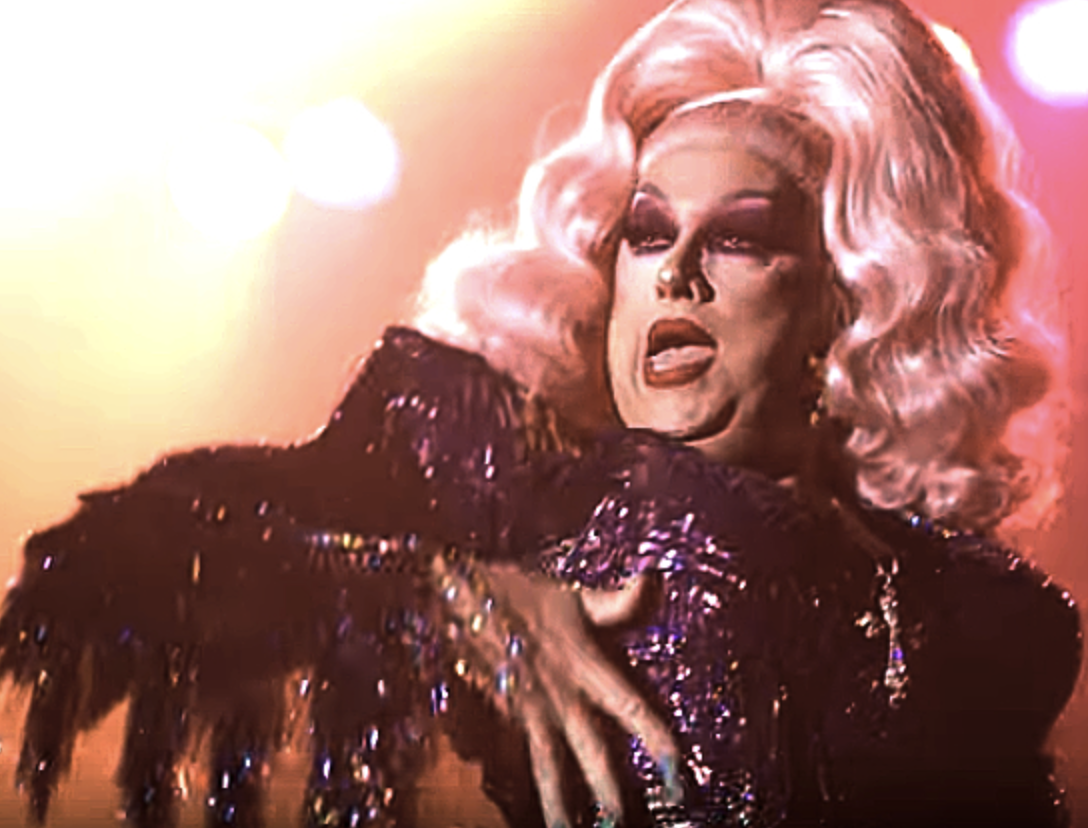
Remember the United Methodist pastor who decided to strut his stuff as a drag queen on HBO?

Well, that story is now bigger than the original Religion News Service coverage, which I discussed in this GetReligion post: “United Methodist pastor dives into HBO drag-queen culture, drawing joyful RNS applause.

That pastor is out of a job, a plot twist that drew coverage from both the Associated Press and USA Today. We will come back to those stories later in this post — especially a jaw-dropping display of slanted language in the AP report, of all places.

But this has been an archetypal RNS mainline Protestant story from the get-go and the wire service’s update contains, well, about half of the essential information that readers needed to know.

What’s missing? The same thing as the first time around — any attempt to accurately reflect the views of conservative United Methodists in the pews of this pastor’s church. It was crucial, of course, to interview United Methodists and LGBTQ activists who backed this progressive pastor. At the same time, it would have helped to interview people on the other side of the debate. Maybe?

Here is the overture of the new RNS report: “Pastor who appeared in drag on HBO’s ‘We’re Here’ forced to leave his church.

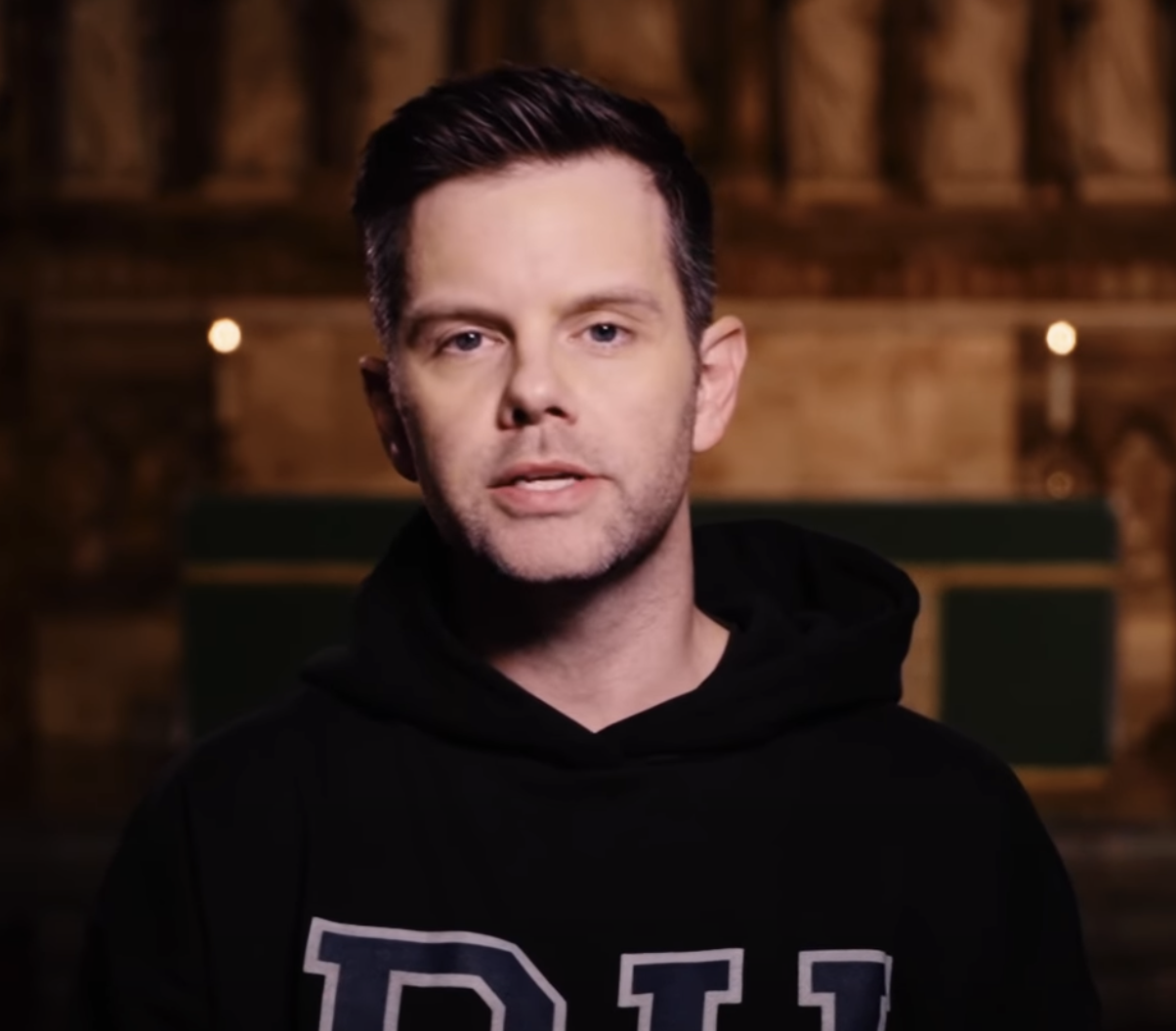
When Pastor Craig Duke appeared in drag on the HBO reality show “We’re Here,” he knew that some members of his United Methodist congregation would appreciate the episode and that others wouldn’t even watch it.

He also knew some members of his congregation support the full inclusion of LGBTQ Christians in the church and others don’t, and that would make his performance on the show a “challenging experience.”

But he didn’t think it would cost him his job.


Please respect our Commenting Policy

New podcast: Are some SCOTUS justices asking, 'Are all religious schools equal in Maine?'

New podcast: Are some SCOTUS justices asking, 'Are all religious schools equal in Maine?'

Let’s say that, in the state of Maine, there are two very different “Lutheran” schools. You could, in this hypothetical case, also say “Episcopal,” or “Presbyterian” or “Congregational.”

Leaders at one of these schools insist that their school is in “the Lutheran tradition,” and it may retain ties to a doctrinally liberal flock. The school has a chapel, but attendance is optional since its students (it may be an elite boarding school) come from all kinds of religious faiths or have no stated faith at all. Classes on hot-button moral issues — sexuality, for example — stress this church’s progressive doctrines.

Academic life is very different at the other Lutheran school, which draws most of its students and financial support from a conservative Lutheran body. Chapel attendance is required and classes linked to moral theology are quite countercultural — defending 2,000 years of Christian tradition.

The question, in the latest church-state case at the U.S. Supreme Court, is whether the state of Maine has the power to say that the first school is eligible for tuition support — using tax dollars — because it’s policies do not clash with those in public schools. Students at the conservative school are not eligible, because its beliefs are “sectarian.”

This is tricky territory and church-state experts on the Religious Right would certainly disagree with experts from the Religious Left and secular think tanks. The question discussed in this week’s “Crossroads” podcast (click here to tune that in) is whether journalists covering this case allowed readers a chance to understand the views of activists on both sides.

Let me state, right up front, that my dueling Lutherans illustration is based on “equal access” church-state principles that emerged from a left-right coalition during the Bill Clinton administration. The big idea: If state officials create policies that affect nonprofits, they cannot back secular groups while discriminating against religious organizations. States could, however, deny aid to both. In other words, religious faith is not a uniquely dangerous form of speech or activity.

Let me state this another way. Under the separation of church and state, officials are not supposed to use tax dollars to back state-approved forms of religion. Ah! But what if some religious groups have doctrines that are consistent with state policies, while others clash with the doctrines of the state?


Please respect our Commenting Policy

About Southern Baptist wars and the Merritt family: Here's some inside baseball worth covering

About Southern Baptist wars and the Merritt family: Here's some inside baseball worth covering

I rarely write about Southern Baptist affairs unless one of their annual conventions is at hand, but I can’t resist commenting on a fascinating sideshow happening between the highly symbolic Merritt family and their fellow conservatives.

Jonathan Merritt is the openly gay (and I assume celibate, based on previous comments) son of the Rev. James Merritt, a former president of the Southern Baptist Convention. It’s been a tough ride for the past 10 years as the younger Merritt has tried to reconcile his sexuality with his faith, while working as a news- columnist. His father has been under immense pressure as well.

The latest fracas, with a hat tip to JulieRoys.com, has to do with the elder Merritt walking away from his position as a visiting professor at Southeastern Baptist Theological Seminary in Wake Forest, N.C. The whole affair has gone unnoticed by many newsrooms, even though this is a topic that is newsworthy for a variety of reasons. Here is what Roys wrote:

Former Southern Baptist Convention President James Merritt resigned last week as a visiting professor at Southeastern Baptist Theological Seminary over controversy sparked by Merritt’s decision to share a sermon online by his son who’s gay. …

The decision came after Merritt, who’s also pastor of Cross Pointe Church in Duluth, Georgia, tweeted a link to a sermon by his son, Jonathan Merritt. The younger Merritt is a graduate of Southeastern Baptist and an author, journalist, and popular speaker. In August, Jonathan Merritt announced on Instagram that he’s gay.

“I don’t agree with my loved son @JonathanMerritt on everything to be sure,” James Merritt tweeted November 22. “But I encourage you to listen to his message on Mark 13. It is both brilliant and faithful to the gospel and the coming of Jesus!”

After that, things got really interesting. Here is the chronology:

Nov. 22 — James Merritt publishes his tweet.

Nov. 23 — The Conservative Baptist Network, a group of some 6,000 members based in Memphis, issues a statement with the headline: “Promoting homosexual preachers is not loving, biblical or Baptist.” The elder Merritt responds that same day.


Please respect our Commenting Policy

Tough question? Some obits included how priestly sexual abuse shook Phil Saviano's faith

Tough question? Some obits included how priestly sexual abuse shook Phil Saviano's faith

If you have seen the movie “Spotlight” — especially if you are a journalist — you know that it’s one of the two or three best films ever made about the picky, high-stakes work involved in investigative journalism.

But there was another layer to this film that I found especially powerful.

Obviously, the subject of clergy sexual abuse is painful and divisive. Every now and then, I still hear from angry readers who believe this whole hellish scandal — which began creeping into headlines in 1984 with the Gilbert Gauthe case in Louisiana — was a media plot against the Church of Rome. It’s important to note that there were conservative Catholics who dug down to the roots of this scandal (see the scathing book “Sacrilege” by Leon Podles), along with the efforts of many Catholic liberals and many ex-Catholics.

The scandal affected many people in different ways. The movie “Spotlight” stressed how the shock and anger unleashed by this scandal affected the faith of some of the Boston Globe journalists. Then there were the shattered victims. It’s amazing that any of them emerged with their faith intact. Some did. Many did not.

This brings me to some of the major-media obituaries for Phil Saviano, a victim who became one of the most important activists who tirelessly worked for justice. Saviano served as a consultant for the “Spotlight” screenwriters and his character appeared in the movie, played by actor Neal Huff.

As I read the coverage, I kept wondering: Would anyone include information about Saviano’s faith? Did he leave Catholicism? Did he convert to another faith?

As you would expect, the Globe obituary is long and detailed. I thought this detail was exceptionally powerful:

When the advent of protease inhibitors to treat HIV/AIDS prolonged Mr. Saviano’s life, he kept speaking out until the end through a series of health issues. Not least among them was a crisis on that night in 2016 when “Spotlight,” the movie based on the Globe’s clergy sex abuse coverage, won the Academy Award for best picture.


Please respect our Commenting Policy