International News

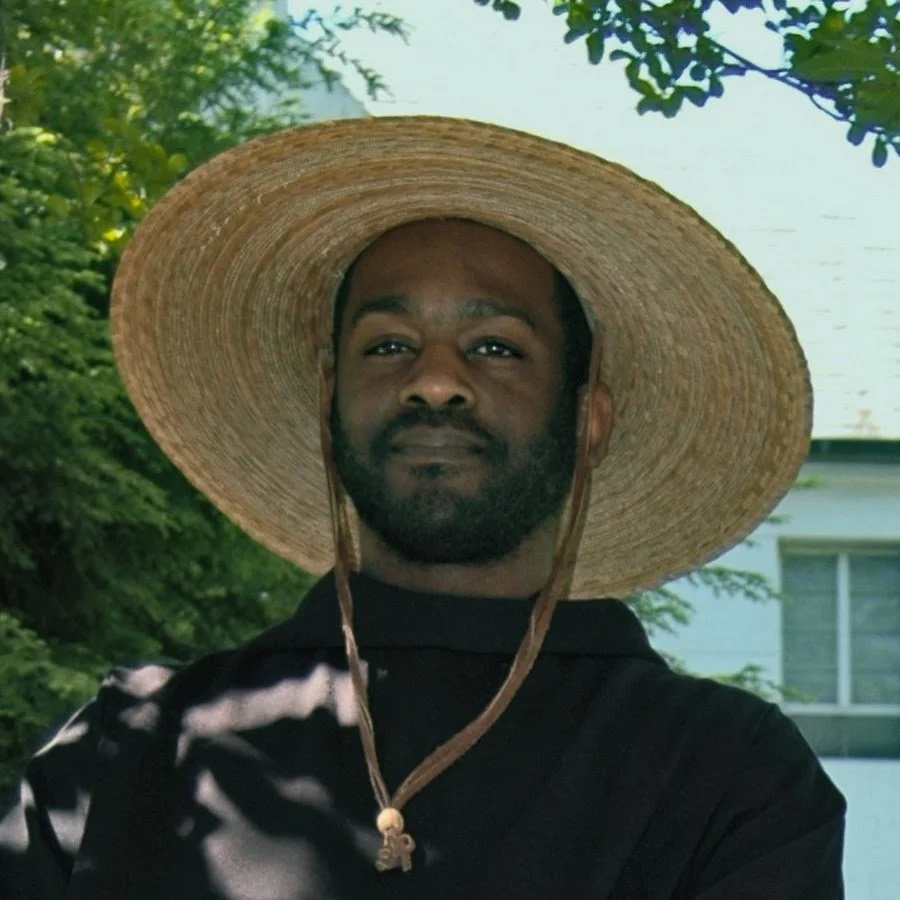
Visiting the monks at Christ in the Desert monastery, during a pandemic that closed its gates

Visiting the monks at Christ in the Desert monastery, during a pandemic that closed its gates

Religion-beat work is complicated, in part because of the many different ways that believers use the same words when describing their lives. The word “charismatic” has a rather different meaning in a Pentecostal flock than when Baptists — or maybe most Baptists — use it to describe preachers.

Here at GetReligion, we frequently note the challenges faced when journalists from other beats cover complex stories that are baptized in religious language and imagery.

That brings me to a feature that ran the other day at The Washington Post with this headline: “Monks in New Mexico desert dedicated to hospitality reflect on two years without guests.”

There is much to praise in this piece, along with a few word choices that would be challenged by insiders in specific religious traditions. Also, I should note that the author of this piece is Chris Moody, a CNN veteran who is a former student of mine at both Palm Beach Atlantic University and the Washington Journalism Center.

It’s rather hard to critique and praise the work of a talented former student! However, I know that many GetReligion readers will want to see this feature. Plus, I love New Mexico and, early in my religion-beat work, I wrote similar pieces about monasteries in North Carolina and later Colorado.

Let’s start with the overture, which is long, but shows the larger context of this COVID-tide story:

CHAMA RIVER CANYON, N.M. — Hidden in this canyon of crimson sandstone cliffs encompassed by miles of federally protected wilderness, the Monastery of Christ in the Desert seems like an ideal place to ride out a pandemic.

For more than 50 years, a small community of Benedictine monks has quietly lived, worked and worshiped here in a cluster of off-grid adobe buildings along the banks of northern New Mexico’s Chama River. Considered the most remote Catholic monastery in the hemisphere, it can be reached only by a 13-mile single-lane earthen road that winds through the canyon. Abiquiú, the closest village — population 151 — is 25 miles away. Groves of cottonwood and willows line the river where bald eagles hunt for rainbow trout. Black bears, coyotes and cougars prowl the pinyon- and sage-scented Santa Fe National Forest, which surrounds the monastery.

Despite the difficult journey, outsiders have flocked to this serene abbey for decades in search of spiritual renewal.

Please respect our Commenting Policy

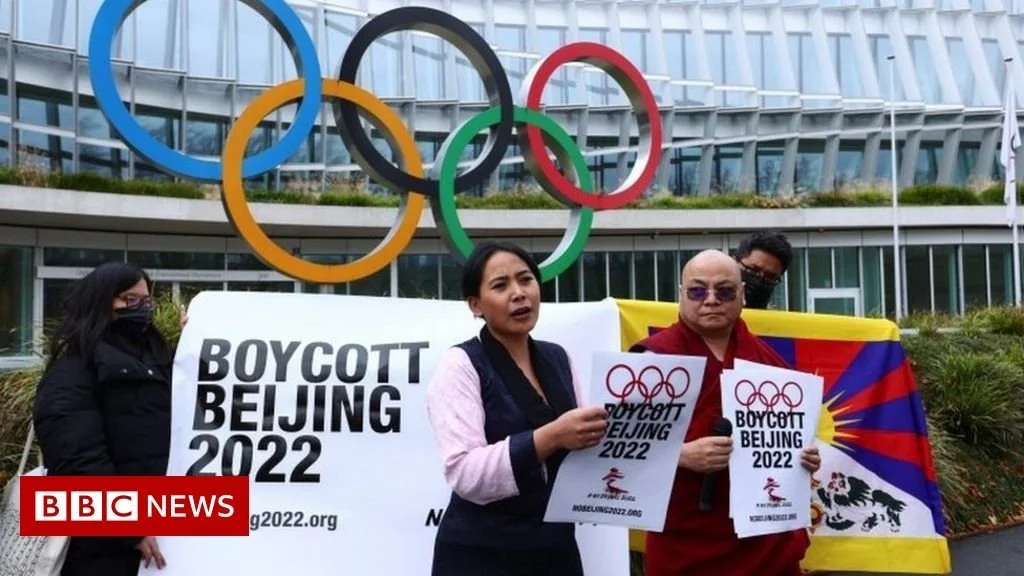
Do athletes have a moral duty to protest Chinese authoritarianism? How about Elon Musk?

Do athletes have a moral duty to protest Chinese authoritarianism? How about Elon Musk?

Do elite international athletes have a moral responsibility to publicly comment or act in a way that acknowledges their awareness of oppressive — or worse — political conditions in nations in which they compete?

Do societal moral standards require them to speak up, even when criticism and confrontation jeopardize their ability to compete and may threaten to derail an entire career?

The Beijing Winter Olympics — scheduled to begin in early February in and around China’s capital city — makes this a timely question.

Several democratic nations have announced “diplomatic” boycotts of the Beijing competition. They include the United States, Australia, Britain, Canada, Denmark, and Japan. (To be clear: democratic claims alone do not necessarily stifle a nation’s darker impulses and render it “moral.”)

That means that no political office holders from the the boycotting nations will attend these Games, but qualifying athletes are free to make their own choices about competing.

The following paragraphs from the above linked Washington Post article explain the limits on free speech China is demanding (with International Olympic Committee acquiescence).

The IOC has said athletes will be free to express themselves during the Games as long as they abide by IOC rules barring any demonstrations during sporting events or medal ceremonies.

Athletes could raise any number of issues, including allegations of cultural genocide against the Uyghurs in Xinjiang, the erasure of civil freedoms in Hong Kong, and the arrests of human rights lawyers, activists and outspoken Chinese citizens. [Note that the Post left Tibetan issues, a major international sticking point for the West, off this list.]

But Chinese authorities are extremely sensitive to criticism about the country’s human rights record, its role in the outbreak of the covid-19 pandemic, and even the country’s efforts during the Korean War.


Please respect our Commenting Policy

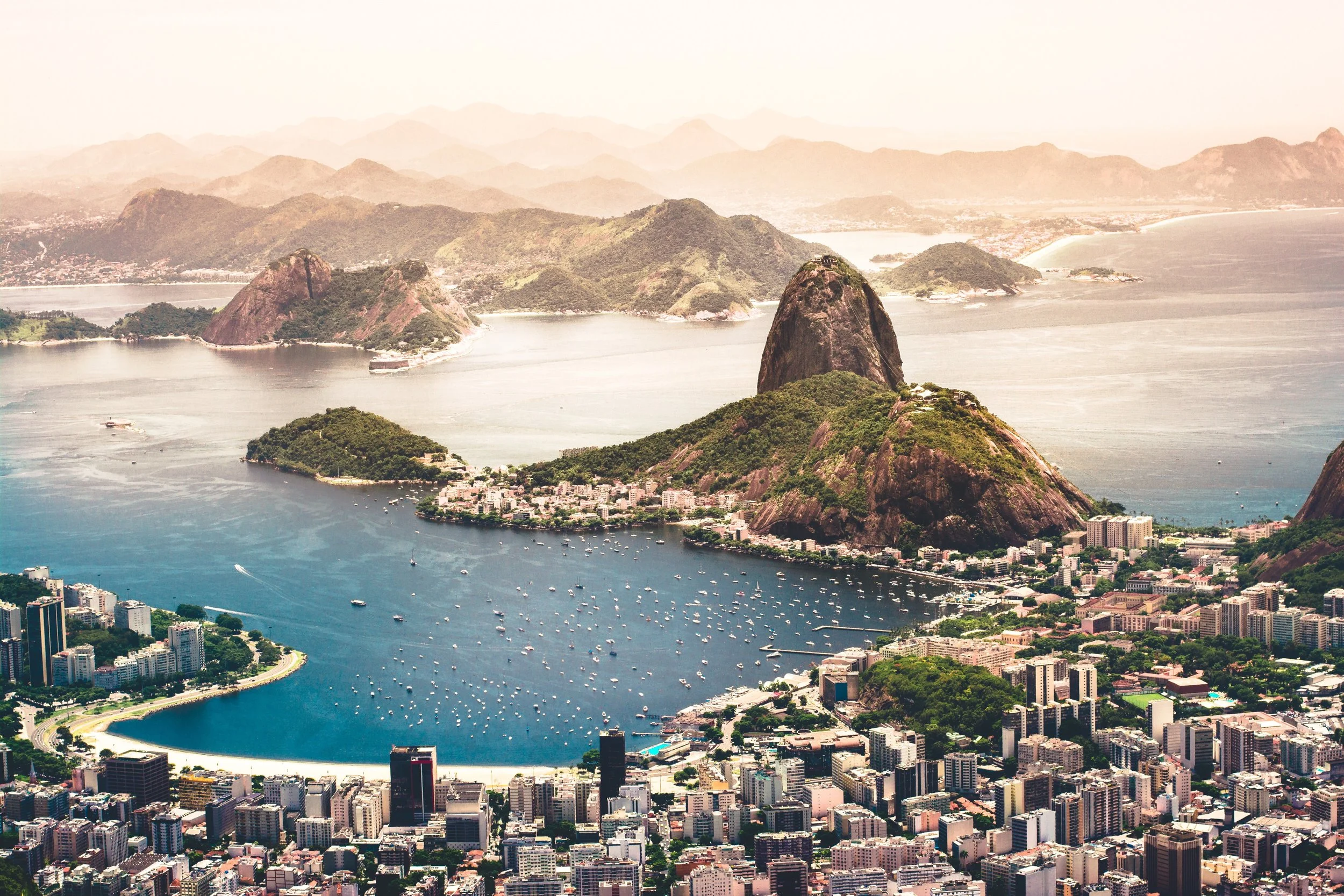
Wall Street Journal: Catholics are losing ground -- rapidly -- in Brazil. What else is new?

Wall Street Journal: Catholics are losing ground -- rapidly -- in Brazil. What else is new?

I’ll always remember a Spanish-speaking woman I interviewed years ago when I was doing an article for the Houston Chronicle on why Catholic immigrants from Latin America switched over to Protestantism soon after they immigrated to the United States.

The answer, this woman told me, was the Rev. Jimmy Swaggart and his radio broadcasts into Central and South America. “Before, we didn’t know we had a choice on who to believe,” is approximately what this woman told me. “But once we heard Jimmy Swaggart on the radio, we knew there was something else out there other than the Catholic Church.”

In the past 40 years, much of the population of Latin America has likewise realized they have faith options and a recent Wall Street Journal piece claims that this trend of mass conversions to Protestantism — and specifically Pentecostalism — has reached a tipping point.

This is news all of a sudden?

RIO DE JANEIRO—Tatiana Aparecida de Jesus used to walk the city’s streets as a sex worker, high on crack cocaine. Last year, the mother of five joined a small Pentecostal congregation in downtown Rio called Sanctification in the Lord and left her old life behind.

“The pastor hugged me without asking anything,” said Ms. de Jesus, 41, who was raised a Catholic and is one of more than a million Brazilians who have joined an evangelical or Pentecostal church since the beginning of the pandemic, according to researchers. “When you are poor, it makes so much of a difference when someone just says ‘good morning’ to you, ‘good afternoon,’ or shakes your hand,” she said.

This has been a huge advantage that the Protestants have pressed home.

These emerging Protestant flocks don’t have a shortage of priests as does the Catholic Church does –- where parishioner-to-clergy ratio mean there’s one priest per several thousand parishioners. Let’s keep reading:

For centuries, to be Latin American was to be Catholic; the religion faced virtually no competition. Today, Catholicism has lost adherents to other faiths in the region, especially Pentecostalism, and more recently to the ranks of the unchurched. The shift has continued under the first Latin American pope.


Please respect our Commenting Policy

Plug-In: A fascinating look back at the last year in the life of the Rev. Martin Luther King, Jr.

Plug-In: A fascinating look back at the last year in the life of the Rev. Martin Luther King, Jr.

Today is Martin Luther King Jr. Day, a day of remembrance for the influential civil rights leader.

Adelle M. Banks, longtime national reporter for Religion News Service, marks the holiday with a fascinating look back at King’s last full year of life.

Among the details that Banks uncovered in a review of RNS’ 1967 archives: The Baptist pastor’s “growing outspokenness against the Vietnam War and his advocacy for the poor, while it garnered support from celebrities such as Dr. Benjamin Spock, drew criticism from evangelist Billy Graham and others.”

Banks, a 27-year RNS veteran, spearheaded an exceptional 2018 project on the 50th anniversary of King’s April 4, 1968, assassination.

Those stories, still worth a read, include:

Remembering King’s last sermon with renewed hope

A faithful journey from cotton field to White House: Q&A with a sanitation worker

Three Memphis sites key to King’s legacy draw visitors

Power up: The week’s best reads

1. Why the Catholic Church Is losing Latin America: “The rise of liberation theology in the 1960s and ’70s, a time when the Catholic Church in Latin America increasingly stressed its mission as one of social justice, in some cases drawing on Marxist ideas, failed to counter the appeal of Protestant faiths,” report the Wall Street Journal’s Francis X. Rocca, Luciana Magalhaes and Samantha Pearson.

“Or, in the words of a now-legendary quip, variously attributed to Catholic and Protestant sources: ‘The Catholic Church opted for the poor and the poor opted for the Pentecostals.’”

The Journal’s story from Brazil follows The Associated Press’ recent trend piece (highlighted in last week’s Plug-in) on a surge of evangelicals in Spain, fueled by Latin Americans.


Please respect our Commenting Policy

Religion news 2021: Which story was No. 1? Return of Taliban or Jan. 6 riot at U.S. Capitol?

Religion news 2021: Which story was No. 1? Return of Taliban or Jan. 6 riot at U.S. Capitol?

For journalists who braved the chaos, the Jan. 6th riot on Capitol Hill offered a buffet of the bizarre -- a throng of Proud Boys, QAnon prophets, former U.S. military personnel and radicalized Donald Trump supporters that crashed through security lines and, thus, into history.

Many protestors at Trump’s legal "Save America" rally carried signs, flags and banners with slogans such as "Jesus is my Savior, Trump is my president" or simply "Jesus 2020." In this context, "Jesus saves" took on a whole new meaning.

Some of that symbolism was swept into the illegal attack on the U.S. Capitol.

In its poll addressing major religion events in 2021, members of the Religion News Association offered this description of the top story: "Religion features prominently during the Jan. 6 assault on the U.S. Capitol by pro-Trump insurrectionists. Some voice Christian prayers, while others display Christian or pagan symbols and slogans inside and outside the Capitol."

Consider, for example, Jacob Anthony Chansley -- or Jake "Yellowstone Wolf" Angeli. With his coyote-skin and buffalo-horns headdress, red, white and blue face paint and Norse torso tattoos, the self-proclaimed QAnon shaman, UFO expert and metaphysical healer became the instant superstar of this mash-up of politics, religion and digital conspiracy theories.

"Thank you, Heavenly Father … for this opportunity to stand up for our God-given inalienable rights," he said, in a video of his U.S. Senate remarks from the vice president's chair. "Thank you, divine, omniscient, omnipotent, omnipresent Creator God for filling this chamber with your white light and love. Thank you for filling this chamber with patriots that love you and that love Christ. …

“Thank you for allowing the United States of America to be reborn. Thank you for allowing us to get rid of the communists, the globalists and the traitors within our government."

That was one loud voice. A big question that must be answered, in future trials and the U.S. House investigation, is whether it's true -- as claimed by the New York Times -- that the "most extreme corners of support for Mr. Trump have become inextricable from some parts of white evangelical power in America."


Please respect our Commenting Policy

Old, nagging conflicts will continue to dominate religion news in the coming year

Old, nagging conflicts will continue to dominate religion news in the coming year

Yes, there will be a hotly contested U.S. election in 2022. And pretty much every secular and religious faction is keyed up awaiting the U.S. Supreme Court's decision on whether to revise or revoke its rulings that legalized abortion.

Big decisions like this typically land in late June.

Other lingering disputes on the news coverage agenda include the following.

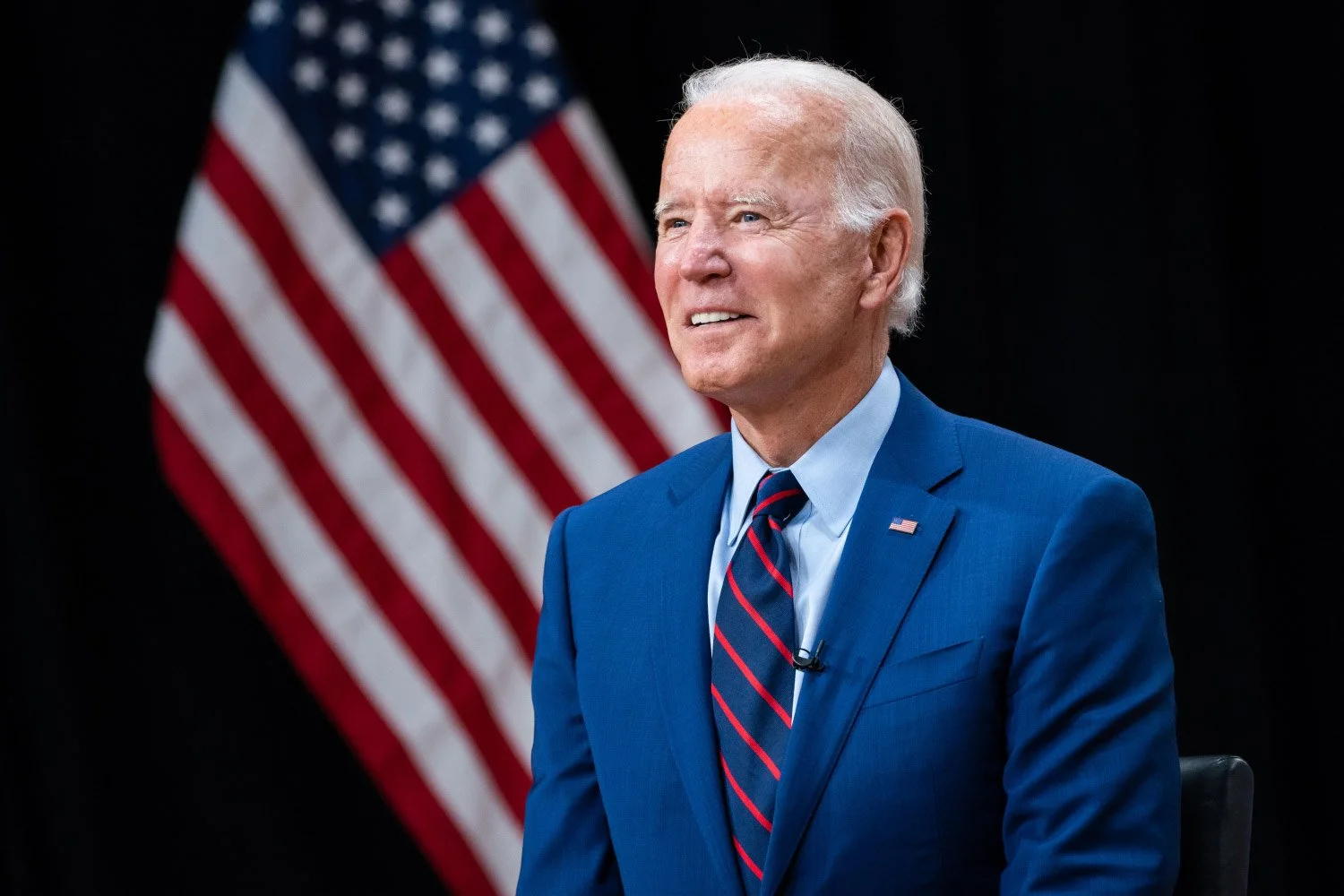
* As the U.S. Senate struggles with a rewrite of the Catholic President Joe Biden's elephantine social-spending bill, the Catholic bishops' conference vehemently opposes any inclusion of abortion funding.

The bishops, along with Orthodox Judaism's synagogue union, also fear (.pdf here) this law will cripple funding for widespread religious preschools. In yet another church-state debate, Biden hopes to end religious exemption from anti-discrimination rules, which went into effect in January.

* Inside the world of Mainline Protestantism, the unending dispute over the Bible and LGBTQ+ issues may produce the biggest U.S. church split since the Civil War at the United Methodist Church's General Conference. Early in 2022, a commission must decide whether the twice-postponed conference, now scheduled for August 29-September 6 in Minneapolis, can finally occur despite two years of COVID-related snarls and, some say, stalling by the UMC establishment.

* The T in LGBTQ won new Methodist attention as just-retired Pennsylvania Bishop Peggy Johnson and her husband, a Methodist pastor, publicized the latter's gender transition while identifying publicly as a "cisgender" male.

Last March, a sizable body of U.S. conservatives announced plans to leave the denomination and unite with former mission churches overseas — primarily in Africa and Asia — to form the "Global Methodist Church," led temporarily by Virginia Pastor Keith Boyette (540-898-4960).


Please respect our Commenting Policy

Five big Catholic news angles that journalists will need to cover during 2022

Five big Catholic news angles that journalists will need to cover during 2022

As 2021 comes to a close, everyone is looking towards 2022. The news cycle over the last two years has been dominated by COVID-19 and that doesn’t seem to be subsiding — given the rash of infections the past few weeks as a result of the Omicron variant.

The Catholic world, meanwhile, had in 2021 one of its busiest years. The election of Joe Biden as president — this January will officially mark his first year in office — also dominated news coverage. That Biden was also a Catholic (only second after John F. Kennedy in 1960) thrust Catholicism into the political news coverage. Politics plus religion equals news. It’s a familiar formula.

Biden, a practicing Catholic who attends Mass on Sundays, was at odds this year with many U.S. bishops — setting up a year-long debate over whether he (and other pro-abortion politicians) should receive Holy Communion. In the end, the bishops offered more clarification in the importance of the Eucharist without singling out Biden. Truth is, no one knows if the bishops actually considered mentioning Biden or other pro-abortion-rights Catholics.

Issues around politics and religion will likely dominate once again in 2022. The abortion issue and a pending Supreme Court decision regarding access to it will be a big story in the coming year. The Catholic church, a major part of the abortion debate in this country for decades, will play a major role in news stories that will be written over the coming months.

At the same time, Pope Francis, who recently turned 85, will again be surrounded by rumors that he will either resign or die. Whether this pope — the most polarizing in centuries — can chip away at his agenda to change the church in the 21st century will continue to pit traditionalists versus progressives.

Here are the five big news trends and stories journalists need to keep an eye on in the new year:

(5) Pope Francis and his focus on a progressive agenda

This coming year could be the one where the battle between this pontiff and doctrinal traditionalists intensifies even further. A Dec. 17 Associated Press story set the stage for such a confrontation in what will be Francis’ ninth year as head of the Catholic church.


Please respect our Commenting Policy

When is the Midnight Mass? All humor aside, there's history (and news) linked to this rite

When is the Midnight Mass? All humor aside, there's history (and news) linked to this rite

Once upon a time, before the creation of the Internet, there were these very, very powerful and all-knowing professionals known as “church secretaries.” Yes, I know that they have evolved into office managers and web czarinas.

But, long ago, if anyone needed to know something about church life, or really needed to reach the pastor (this is before smartphones, too), they called the “church secretary,” who basically served as an air-traffic-controller for everything happing in the church family.

Back in the 1980s, I wrote a news piece for The Rocky Mountain News (#RIP) about the question that church secretaries in Catholic parishes used to dread hearing over and over during the three or four days ahead of Christmas Eve. That question, of course, was: “When is the Midnight Mass?”

Honest. People would ask that and, truth be told, the Midnight Mass, in some parishes, doesn’t start at midnight. Hold that thought, because we will come back to it.

But this post, in the week before Christmas (for most Christians in America), is about the importance of the Midnight Mass and other Christmas Eve and Christmas services. You see, there are potential news stories here. Let’s discuss several of them, briefly.

First, there is an interesting fact that I learned long ago from the late Lyle Schaller, a Mainline Protestant maven who was an often-quoted expert on church growth and, as the Mainline world imploded, church survival. The easiest way to sum up the Christmas news angle that I learned from him is to share the top of a 2015 tribute column that I wrote about his work (“Lyle Schaller, the church fix-it man in rapidly changing times”):

All pastors know that there are legions of "Easter Christians" who make it their tradition to dress up once a year and touch base with God.

What can pastors do? Not much, said the late, great church-management guru Lyle Schaller, while discussing these red-letter days on the calendar. Rather than worrying about that Easter crowd, he urged church leaders to look for new faces at Christmas.


Please respect our Commenting Policy

Religion's impact on global migrant crisis: RNS concludes that it's Gordian Knot complicated

Religion's impact on global migrant crisis: RNS concludes that it's Gordian Knot complicated

Globalization has been a decidedly mixed bag.

On the plus side, it’s managed to knit diverse people together economically and, to a lesser degree, culturally. But it’s also further divided others along religious, political, race, and class lines.

It’s introduced us to a myriad of once exotic consumer products at relatively cheaper prices (cheaper for many Westerners, that is). Globalization has also brought us fresh ideas and life choices that — while I certainly don’t agree with every new view put forth — has enormously enriched my own life experience.

On the negative side — and this is huge — it’s allowed multi-national corporate boards (and shareholders) to escape the full weight of responsibility for the enormous environmental degradation their decisions have produced in exploited regions thousands of miles distant from their posh corporate headquarters.

Also, let’s not forget the foreign workers, including child laborers, exploited by unscrupulous employers trying to satisfy their Western customers insatiable demands for rock bottom prices.

For the United States and other Western nations, globalization’s complex outcomes has produced still another key Gordian Knot dilemma. I’m referring to the vast numbers of desperate human refugees heading, most often without proper documentation, to the United States, Europe, Australia — and even to neighboring countries that may be only relatively better off.

The latter group includes situations American news media rarely cover. They include Nicaraguans fleeing to Costa Rica and South Africa’s burgeoning refugee population comprised of hopeful immigrants from a variety of sub-Saharan African nations.

Is it any surprise to anyone with a working knowledge of Homo sapiens that we demand globalization’s creature comforts without us wanting to deal with those actual Homo sapiens that globalization has negatively impacted.


Please respect our Commenting Policy