Catholicism

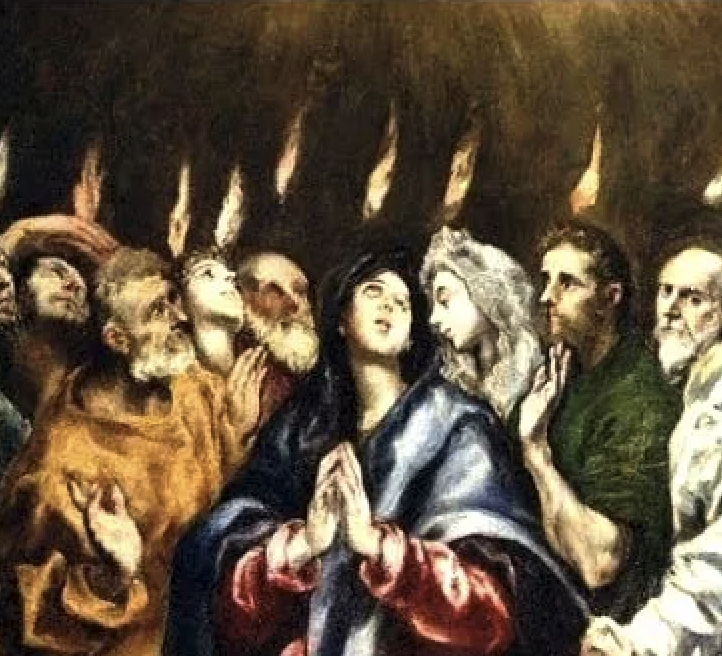
Pentecostalism from soup to nuts: A (near) complete history of this movement in America

Pentecostalism from soup to nuts: A (near) complete history of this movement in America

In early January, The Conversation, an academically oriented website affiliated with Religion News Service, ran an explainer with this headline: “What is Pentecostal Christianity?”

That’s a big, complicated question. While I appreciated the article’s emphasis on how Pentecostals are a little-noticed component in American Christianity, it was very much a Cliffs Notes version of a complex, 123-year-old movement. And it didn’t even mention the Charismatic Renewal movement, a massive spiritual shift in the 1960s that brought millions of mainline Protestants and Roman Catholics into the wider Pentecostal fold.

Pentecostalism has hit the news in recent years with revelations of the “Trump prophets,” but their rise has a long back story that few journalists understand. For many years, pentecostals have been seen as evangelicalism’s crazy sister and media coverage has hardly been incisive.

Thus, tmatt suggested that we post the following comprehensive look at the history of the movement here in the United States. I wrote this as a backgrounder for a meeting of religion reporters at the University of Maryland in 2000. I have updated it twice because the movement keeps on shifting. Some of this will sound very basic, but it’s important to know who the main players have been.

———

Without a doubt, the portion of Christianity known as Pentecostalism was — by far — the fastest-growing movement of the 20th century, going from zero members on Jan. 1, 1901 to 644 million adherents worldwide now. It is the primary expression of Christianity in the Global South. It is the one form of Christianity to mount a serious challenge to the growth of Islam, mainly because of its appeal to the very poor and its reliance on the miraculous.

During my travels in places like India and Egypt years ago, I was told by religious leaders that the heavy hitters in evangelism in Hindu and Muslim contexts were the Pentecostals. When I was in Israel researching a piece on the country’s messianic Jews, my sources told me half of them, at least, were charismatic. The world’s largest churches in Korea and Nigeria are Pentecostal.


Please respect our Commenting Policy

Concerning Pope Francis, hockey, Pride night and putting 'scare quotes' around 'beliefs'

Concerning Pope Francis, hockey, Pride night and putting 'scare quotes' around 'beliefs'

I have no idea if Pope Francis follows professional hockey — but that really isn’t what this post is about.

This post starts with some fascinating “scare quotes” in a headline with a Reuters report about another Pride Night controversy in the National Hockey League.

The use of “scare quotes” is a topic that, to put it mildly, consistently pushes buttons for GetReligion readers. Once again, here is a Merriam-Website definition of that term:

scare quotes …

: quotation marks used to express especially skepticism or derision concerning the use of the enclosed word or phrase

This brings us to that Reuters headline: “Rangers back right to 'beliefs' after Pride Night jerseys absent from warm-ups.” Actually, based on the context, that should have been “religious beliefs” — because it’s clear that this reference refers to centuries of religious doctrines, in several faiths.

What happened here? New York Rangers players were scheduled to take part in pre-match warm ups, as part of the team’s seventh annual Pride Night festivities, with Pride-themed jerseys and hockey sticks. That didn’t happen, which made headlines. Here is a key part of that Reuters story, which I will note did not contain “scare quotes” around the controversial term.

… one player told the New York Post … that he saw only his standard jersey hanging in his locker when he went to get ready and did not know why the alternate top was not available.

"Our organization respects the LGBTQ+ community and we are proud to bring attention to important local community organizations as part of another great Pride Night," Rangers said in a statement.

"In keeping with our organization’s core values, we support everyone’s individual right to respectfully express their beliefs."

I guess it is possible that a professional athlete could have “political” beliefs that were relevant in this case. There may even be Seinfeld-ian “compelled speech” issues here (Click here for classic clip on YouTube). In light of recent news, it’s clear the headline writer’s “scare quotes” nod refers to centuries of Christian doctrine on marriage and sex.


Please respect our Commenting Policy

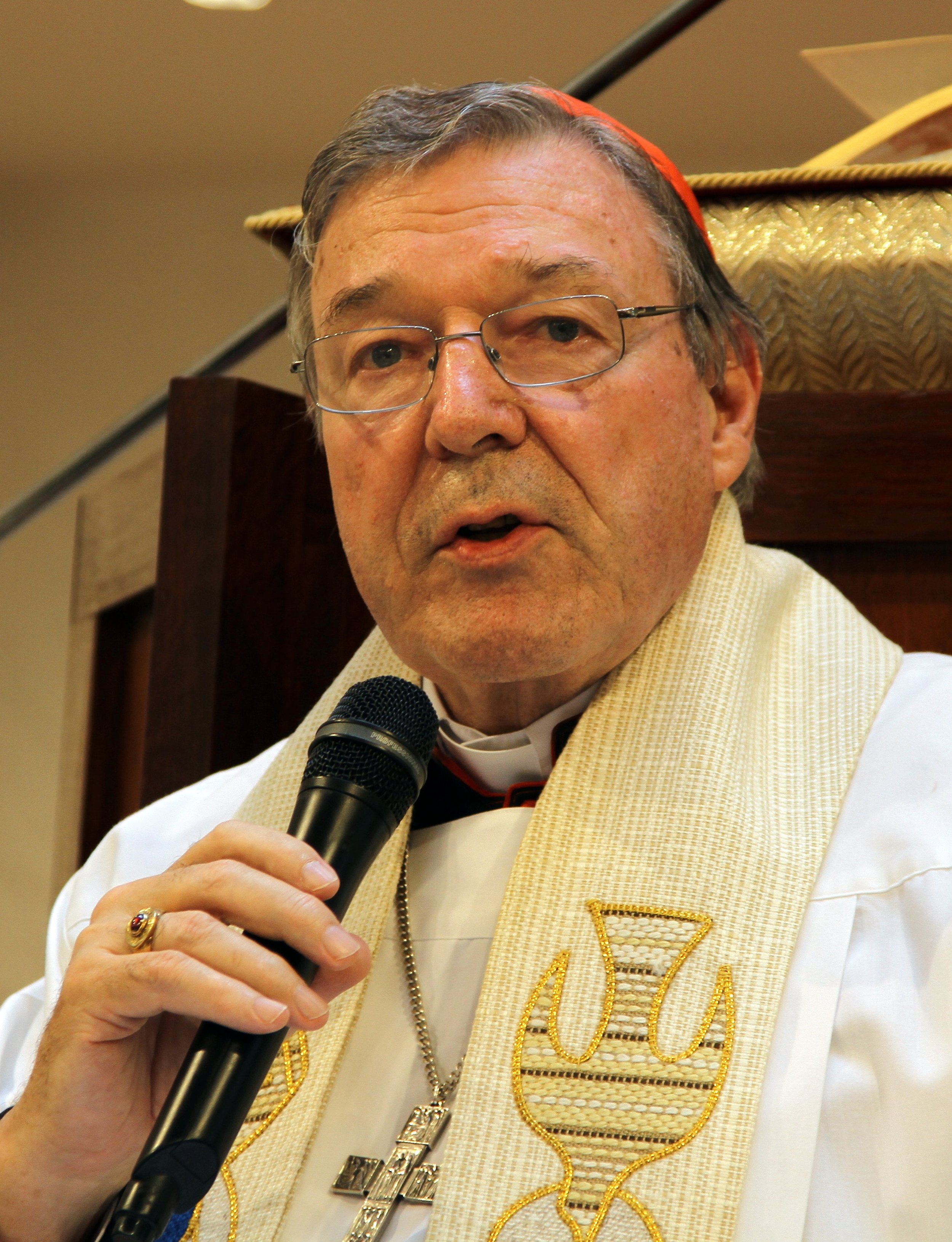
Cardinal Pell's final sermon quietly echoed themes from his fierce attacks on Pope Francis

Cardinal Pell's final sermon quietly echoed themes from his fierce attacks on Pope Francis

Cardinal George Pell had no way to know, as he rose to preach during a spiritual retreat in southern Italy, that this was his last sermon -- opening with the biblical cry, "Repent, because the Kingdom of God is near."

Catholics should stay focused on truths proclaimed during the reigns of St. John Paul II and Pope Benedict XVI, he said, at the Shrine of St. Padre Pio in San Giovanni Rotondo.

These popes "were missionaries of the truth. We don't build the truth. We don't have the ability to change the truth. We can only acknowledge the truth, and sometimes the truth isn't all that pretty. Sometimes the truth is disconcerting, difficult," said Pell, three days before his death on January 10, after routine hip surgery.

"These two Popes did not affirm that the teaching of Jesus was conditioned by the time, by the Roman Empire, by the pagans. They did not claim that the essential and central teaching should be updated, radically changed. They didn't say: 'We don't know what Jesus said because there were no tape recorders.' … As for them, and also for us, Jesus remains the way, the truth and the life."

On this day, the burly 6-foot-4 cardinal faced a gathering of Catholic charismatics, not an audience of Vatican power brokers. Nevertheless, this final sermon -- translated from Italian by Inside the Vatican magazine -- touched on themes in his recent writings that fueled raging debates about Pope Francis and the modernization of Catholic doctrines and worship.

In that sermon, Cardinal Pell offered only one nod to Pope Francis, while noting the potential for future popes from Africa, Asia and the Global South. "Today we have a Pope from South America -- praiseworthy and good," he said.

But after Pell's death, Italian journalist Sandro Magister revealed that the Australian cardinal -- using the pseudonym "Demos" -- had written a fierce March memo circulated to members of the College of Cardinals focusing on issues that loom over the next conclave to select a pope.

The Francis pontificate has been "a disaster in many or most respects; a catastrophe," this memo claimed.


Please respect our Commenting Policy

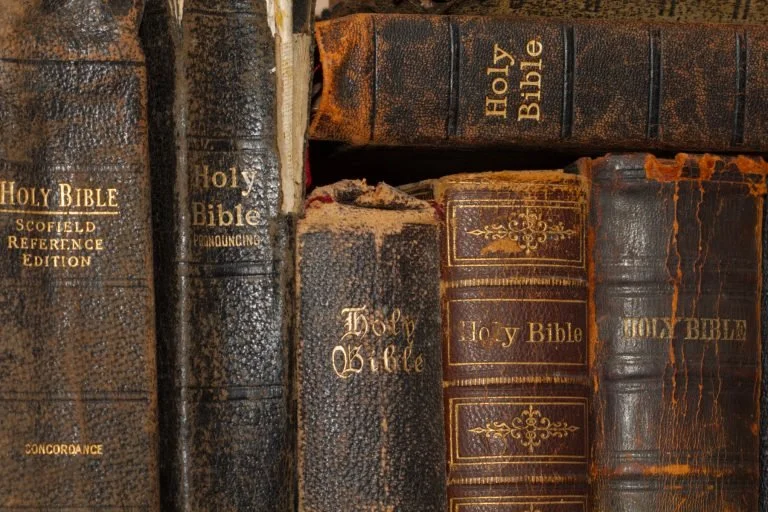
Tradition, custom, religious law: How should worn-out Bibles or Qurans be disposed of?

Tradition, custom, religious law: How should worn-out Bibles or Qurans be disposed of?

THE QUESTION:

How should worn-out Bibles or Qurans be disposed of?

THE RELIGION GUY’S ANSWER:

Due to occasional news about Muslim riots when a copy of the Quran is believed to be mistreated, you’re probably aware that Islam takes very seriously the way its sacred book is handled, about which more below.

But The Guy has rarely if ever heard of such discussion about a printed Bible and therefore was intrigued this past week when Joe Carter (a GetReligion alumnus) responded online on behalf of the Gospel Coalition to a reader who asked, “How do you dispose of a worn-out Bible? Is there a protocol like with a flag?”

As the question indicated, federal law states that an American flag “in such condition that it is no longer a fitting emblem for display should be destroyed in a dignified way, preferably by burning.” Patriotic groups often provide public boxes to collect discarded flags that are then burned in formal ceremonies.

As for the Bible, the book itself contains no rules on proper disposal, so the Coalition regards this as “a matter of personal preference.” But many people naturally feel that respect for Scripture rules out simply tossing the holy book into the trash alongside cookie wrappers and egg shells.

As a conservative Protestant resource, the Coalition warns against any “unconscious sense that the printed pages of a Bible gain something of the spiritual essence of God’s Word,” which “could easily slip into a superstitious, or even idolatrous, view of print Bibles.”


Please respect our Commenting Policy

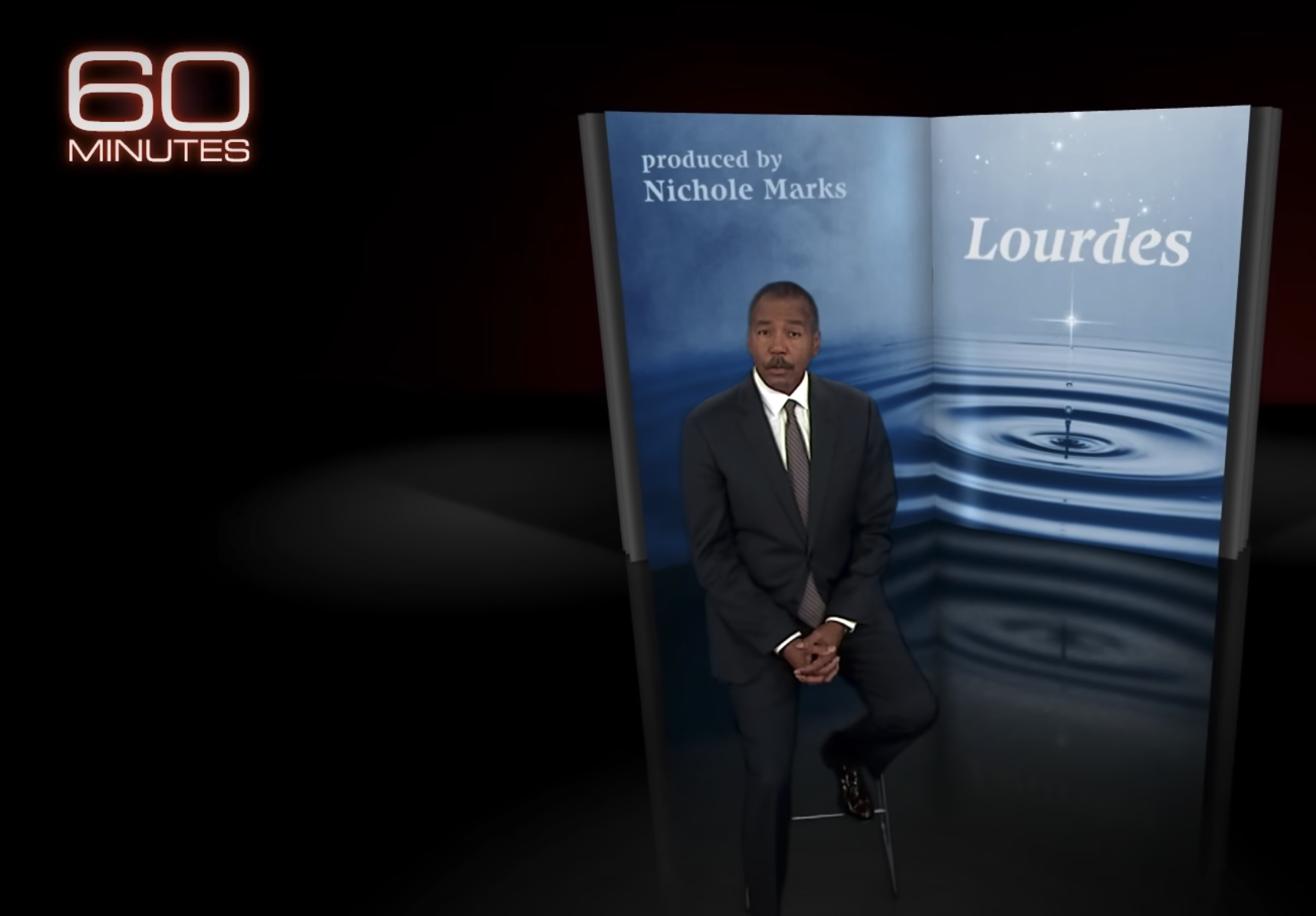
Podcast: 60 Minutes visits Lourdes and asks (some) very good questions about 'miracles'

Podcast: 60 Minutes visits Lourdes and asks (some) very good questions about 'miracles'

Back in the 1980s, I wrote a profile of a remarkable Episcopal priest in Colorado who was approaching his 100th birthday. He had been raised in pre-World War II Japan — the son of a samurai.

As a young man he became terribly ill and slipped into a coma. At one point, doctors said he flatlined — but they were able to restart his heart. When he awakened, he reported having a near-death experience in which a man in white robes told him that he would live and that there was much work for him to do.

The young man knew almost nothing about Christianity, other than a brief exposure to the New Testament in an English-language class. Nevertheless, he truly believed that this man was Jesus. This led to his conversion, the priesthood and a journey to America. During the war, the U.S. government put him in an internment camp — a painful episode in a long and amazing life.

Now, here is a question linked to this week’s “Crossroads” podcast (CLICK HERE to tune that in). Was this man’s transformation during his NDE a “miracle”? That was the term he used when he described it.

Actually, his vision took place during a life-and-death medical drama that was unusual — but these things happen. Was there a way to test his claims in a laboratory? No. Near-death experiences happen.

What is a “miracle,” anyway? This brings us to a recent 60 Minutes report that, on the CBS website, was given this headline: “France's Sanctuary of Our Lady of Lourdes — Where 70 medical miracles have been recognized by church officials.”

This must-see-TV report ventures into complicated territory where faith, science and centuries of church tradition overlap. The best thing about it is that it allows people to share their beliefs as well as information that, well, can be studied in a laboratory. The visuals are stunning, as thousands of pilgrims visit the site seeking healing for infirmities of body, mind and soul.

The Roman Catholic Church has, in the 160-year history of Lourdes pilgrimages, studied thousands of reports about miracles linked to the shrine. This brings us to the heart of this report:

Stories of inner peace and acceptance don't meet the bar for the Office of Medical Observations, and with just 70 medical miracles recognized in 160 years, you'd have better odds playing the lotto. Yet, thousands of faithful line up at the baths and at this grotto — where the first miracle is said to have occured.


Please respect our Commenting Policy

That timely AP interview: What, precisely, did Pope Francis say about homosexual 'sin'?

That timely AP interview: What, precisely, did Pope Francis say about homosexual 'sin'?

Let’s say that Pope Francis decides to sit down for an Associated Press interview, thus guaranteeing coverage that will appear in the maximum number of mainstream publications around the world.

The basic headline is generic, but points to newsworthy topics: “Pope discusses his health, critics and future papacy.” As you would expect, editors just love a papal interview addressing the potential for a political horse race before a Vatican election (with armies of dangerous right-wing “critics” in the wings).

Now, what angle of this interview would you expect to immediately jump into headlines and social media? Maybe something like, “The AP Interview: Pope says homosexuality not a crime.”

Obviously, the reaction have been different if AP editors had used this accurate headline (written by me), based on this interview: “The AP interview — Pope says homosexual acts are sins, not crimes.”

Hold that thought. First of all, I would like to know more about the backstory for this interview. The timing is interesting, in light of recent news linked to the death of Pope Benedict XVI (“Pope Francis meets Benedict's top aide as memoir rattles Vatican") and yet another powerful conservative leader (“Cardinal Pell authored controversial memo critical of Pope Francis, journalist reveals”).

It is also possible that the timing of this interview is linked to headlines such as this one, at The Telegraph: “ ‘Gay clubs’ run in seminaries, says Pope Benedict in posthumous attack on Francis: New book by the late pontiff makes extraordinary claims about the Catholic Church under his progressive successor.”

Say what? You haven’t seen coverage of this story in your local newspapers or on evening newscasts? Here is a sample of that report:

In a blistering attack on the state of the Catholic Church under his successor’s papacy, Benedict, who died on Dec 31 at the age of 95, said that the vocational training of the next generation of priests is on the verge of “collapse”.

He claimed that some bishops allow trainee priests to watch pornographic films as an outlet for their sexual urges.


Please respect our Commenting Policy

Cardinal Pell's death puts spotlight on his words and arguments about Catholicism's future

Cardinal Pell's death puts spotlight on his words and arguments about Catholicism's future

The Catholic church recently lost a giant. The death of Cardinal George Pell on Jan. 10 at the age of 81 was the literal loss of a giant — he stood at a towering 6-foot-6 and was once an Australian Rules Football player in his youth. But he was also a man who attracted both controversy and consternation.

Many remember Pell for what took place in the last chapter of his life — that of being found guilty of child sexual abuse in 2018. The cardinal won on appeal two years later, the convictions quashed by Australia’s High Court.

Pell also had some very real disagreements with Pope Francis regarding theology and the direction of the church in recent years — something that earned him headlines after his death calling him “divisive” and “controversial.”

Nearly two weeks after his death, Pell continues to be written about in both the secular and Catholic press. A lot of this coverage has been thin on reporting and loaded with commentary, conjecture and analysis. In fact, Pell’s death wasn’t only a reflection of the past, but where the church is headed in the future and what Francis’ papacy means.

It’s within this context — and some of the juicier revelations to come out once Pell died — that has kept journalists busy. Once again, the coverage is skewed heavily towards familiar arguments whether the church should stay true to beliefs regarding marriage and sex that go back 2,000 years or look to the future in order to mesh with the mores of the present.

It is through that prism that Pell has received coverage, especially after a secret memo Pell had penned was made public just days after his death.


Please respect our Commenting Policy

Thinking about persecution in Nigeria: It isn't news (#SIGH), but why is the Vatican so quiet?

Thinking about persecution in Nigeria: It isn't news (#SIGH), but why is the Vatican so quiet?

Tragically, I could have written a “think piece” post about the following topic during every week over the past few years and it would have been relevant in terms of debates about politics, human rights, religious freedom and the practice of journalism.

I am talking about religious conflict in Nigeria, which often escalates into ISIS-level outbreaks of violence and persecution. But Nigeria is only one example of a wider problem in international news, at the moment. For more background, see the recent Richard Ostling religion-beat Memo with this title: “Buried story of 2022? The persecution of Christians keeps surging around the world.”

But let’s start with this new Reuters headline: “Catholic priest burned to death, another shot in north Nigeria.

Actually, there is testimony that Father Isaac Achi was already dead, from gunshot wounds, when his attackers set fire to his home. There is some chance, however, that he was burned alive. Here’s the overture of the Reuters piece, which may be the only mainstream media coverage that has been done of this latest hellish vision of religious life in Nigeria:

Gunmen burned a Catholic priest to death and shot and injured his colleague in northwest Nigeria on Sunday, police said, the latest violence raising concerns about security ahead of an election next month.

Nigerians will vote for a new president on Feb. 25 but kidnappings for ransom and killings by armed gangs in the north have lead to fears that polls may not be held in some areas.

The motive for the latest attack was not immediately clear but gunmen have previously targeted priests in the largely Muslim north.

Once again, we see a phenomenon that I have written about many times here at GetReligion.

This kind of international story, in the context of America’s niche-media realities, is now seen as a merely religious, Catholic or even “conservative” story. Click here to see a Google News file illustrating this, in the case of the murder of this particular priest. There are the major, trend-defining newsrooms in this picture? That is, of course, the question.

But you can find more details (#DUH) in Catholic media.


Please respect our Commenting Policy

Podcast: Let's play 'spot the sound bite' with Joe Biden's sermon at Ebenezer Baptist

Podcast: Let's play 'spot the sound bite' with Joe Biden's sermon at Ebenezer Baptist

Communications specialists inside the D.C. Beltway — journalists, PR pros, everybody — used to have a game they would play when watching major speeches. Check out the Michael Keaton and Geena Davis flick “Speechless,” about two dueling speechwriters whose romance causes complications.

The goal: Watch the speech and predict the sound bite that would make it into news reports. The key was “buzz,” that mysterious factor linked to quotes — positive or negative — that grab editors and producers and, hurrah, affect whatever political war or horse race was in the headlines.

I offered a variation on this process during this week’s “Crossroads” podcast broadcast (CLICK HERE to tune that in), only I applied it, at first, to the pope.

My editors always thought the most important part of a papal speech was whatever he said that was linked to “real news,” as in American politics. I argued that it helped to figure out what the pope was trying to say to millions of Catholics around the world and this (#TriggerWarning) usually had something to do with faith, worship and, well, Catholicism. You know, Jesus stuff.

The goal in this podcast was to apply this process to the elite press coverage of President Joe Biden’s Sunday morning appearance in the pulpit of the historic Ebenezer Baptist Church in Atlanta, where the Rev. Martin Luther King, Jr., was once pastor. This was, according to most of the mainstream press, a “sermon,” as opposed to a political speech of some kind (click here to read the White House transcript).

As you would imagine, conservative media focused on Biden remarks that may or may not have had some connection to real events or even his own life. Was it accurate, for example, for Biden to say he was active, as a young man, in the Civil Rights Movement and highly influenced by the Black church?

The mainstream press mainly went with political sound-bites, but stressed the ones that contained references to Biden’s liberal Catholic faith, biblical social-justice language or muted jabs at Republicans. In other words, the MSM focused on the messages that Biden wanted to deliver. Hold that thought.


Please respect our Commenting Policy