Catholicism

Emerging split inside old mainline: Is U.S. Christianity becoming two different religions?

Emerging split inside old mainline: Is U.S. Christianity becoming two different religions?

THE QUESTION:

Is Christianity in the United States becoming two different religions?

THE RELIGION GUY'S ANSWER:

If the question above seems off the wall, at least look why it has arisen.

Two years ago, The Guy wrote that he was quite astonished by some survey research reported in "The Twentysomething Soul" (Oxford University Press) by Tim Clydesdale of the College of New Jersey and Kathleen Garces-Foley of Marymount University.

Young Americans age 30 and under, quizzed about religion, were asked how they think of God.

One option was "a personal being, involved in the lives of people today." It doesn't get any simpler or more basic than that, whether you're Jewish, Christian or Muslim. Other choices were some impersonal "cosmic life force," or a deistic creator who is "not involved in the world now," or that God does not exist.

Not surprisingly, the evangelical Protestants were virtually unanimous in embracing the first definition. But remarkably, only half of those in the predominantly white, theologically pluralistic "mainline" Protestant church bodies made that choice, while 40 percent favored the vague "life force." Young adult Catholics fell in between the two Protestant groups. (In this random sample, 30 percent were evangelicals, 18 percent Catholic, 14 percent "mainline" Protestant, and 29 percent with no religious affiliation.)

The Guy therefore posed the question whether Protestants' long-running two-party rivalry "could be evolving toward a future with two starkly different belief systems."

Now a more radical version of that scenario is explored at book length in "One Faith No Longer" (New York University Press) by Baylor University sociologist George Yancey and Ashlee Quosigk, a visiting scholar of religion at the University of Georgia. More info here.
Please respect our Commenting Policy

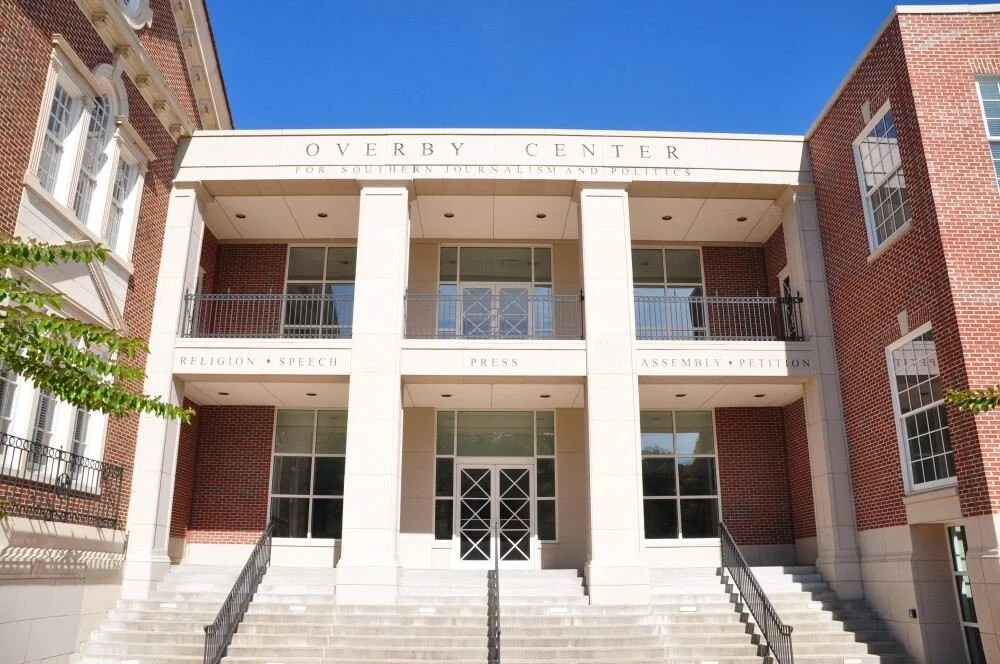
Finally, another Overby Center program: Why religion was one big factor in vaccine wars

Finally, another Overby Center program: Why religion was one big factor in vaccine wars

I have strong memories, to say the least, of the first Overby Center program in which I was able to participate, as a senior fellow for the center and as editor of GetReligion.

The topic was the role that religion would play in the 2020 presidential election. Religion-beat patriarch Richard Ostling was there and both of us stressed that, while journalists were pouring oceans of ink into coverage of (#TriggerWarning) white evangelicals, Catholic voters would play the pivotal role in swing states. I also noted the little-covered 2016 impact of Latino evangelicals and, especially, Pentecostal believers in Florida. I didn’t think to predict a starring 2020 role these Latino voters in Texas.

When was that program? Here’s a clue. As I drove home, I stopped for lunch in Jackson, Tenn. As I pulled back onto the interstate headed east, I heard a radio report noting that the mysterious virus that was causing havoc in Wuhan, China, had now been detected in Europe and, perhaps, in New York City.

Days later, the whole world turned upside down.

With social-distancing, masks and vaccines in mind, we recently gathered in Oxford for a forum addressing a logical topic — why religion was a key factor (but not the only one or even the dominant one) in America’s wars over COVID-19 vaccines. Click here to watch the event on YouTube.

In addition to Center founder Charles Overby, I was joined by three logical voices on this subject.

First, political scientist (and GetReligion contributor) Ryan Burge Zoomed in with several crucial charts full of relevant info. Take this post, for example: “Thinking about white evangelicals, COVID-19 vaccines and VERY popular headlines.” Then there was Marquita Smith of the University of Mississippi faculty, a journalist I came to know while she was teaching at John Brown University on the edge of the Ozarks. She is now the assistant dean of graduate programs at the Ole Miss J-school.

The final panelist was the Rev. Daniel Darling, who was recently named director of the Land Center for Cultural Engagement at Southwestern Baptist Theological Seminary in Fort Worth, Texas.

Then again, Darling may be better known in religion-beat circles because of this New York Times headline: “Fired After Endorsing Vaccines, Evangelical Insider Takes a Leadership Role.”


Please respect our Commenting Policy

Modernized New Revised Standard Bible is surefire news, landing amid today's language wars

Modernized New Revised Standard Bible is surefire news, landing amid today's language wars

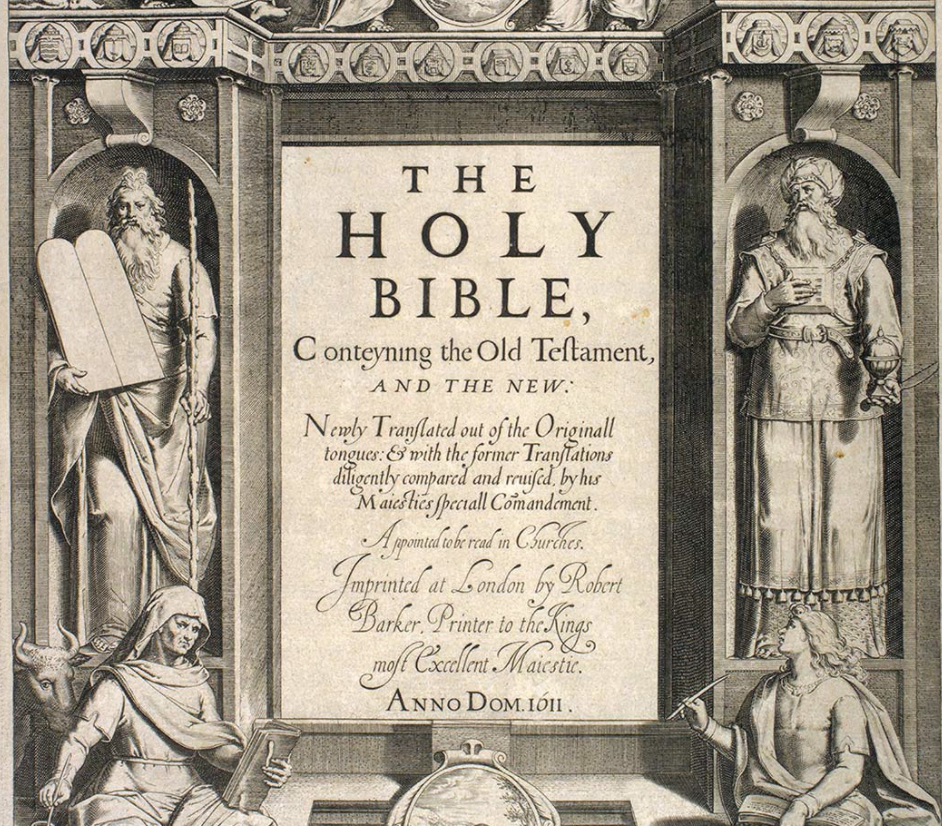
As religion writers (and historians) know, the 1611 King James Version of the Bible begat the 1952 Revised Standard Version, which begat the 1989 New Revised Standard Version which now begets the new "Updated Edition" of the NRSV.

It’s the "NRSVue" — a surefire news topic. This Bible will be available in ebook format by Christmas and in print around next May 1.

Media might issue advance articles about this production or wait for reactions to the complete text from reviewers or local clergy and parishioners. A 36-page media memo provides an advance look, accessible here. For further queries contact Friendship Press at info@friendshippress.org or CEO Joseph Crockett at joseph@frienshippress.org.

The NRSV copyright is held by the National Council of Churches, a cooperative body of the “Mainline” Protestant and Orthodox denominations. It assigned this rewrite to the Society of Biblical Literature, a professional guild of university and seminary scholars, whose 63-member team made approximately 12,000 "substantive" changes and thousands more that are trivial. The team consulted African-American church leaders, a group said to be "historically excluded" from prior Bible translation projects.

The result "improves" upon the original NRSV policy "to eliminate masculine-oriented language when it can be done without altering passages that reflect the historical situation of ancient patriarchal culture." The church council says both of its versions seek to be "as free as possible from the gender bias inherent in the English language."

A typical example is saying "brothers and sisters" when the original Greek literally said only "brothers" but was referring generally to people of both genders. The update omits footnotes that specify what the Greek said. Plural pronouns will abound, which depending on the translation can occasionally make the antecedent unclear or miss the direct force of a singular pronoun. In the rewrite, the Bethlehem "wise men" are now "magi."

Both the 1989 and 2021 renditions leave language about God undisturbed. "He" is still permitted and He remains the "Lord" and "Father."


Please respect our Commenting Policy

Notre Dame's 'woke' rebuild plan: Why the glaring lack of mainstream news coverage?

Notre Dame's 'woke' rebuild plan: Why the glaring lack of mainstream news coverage?

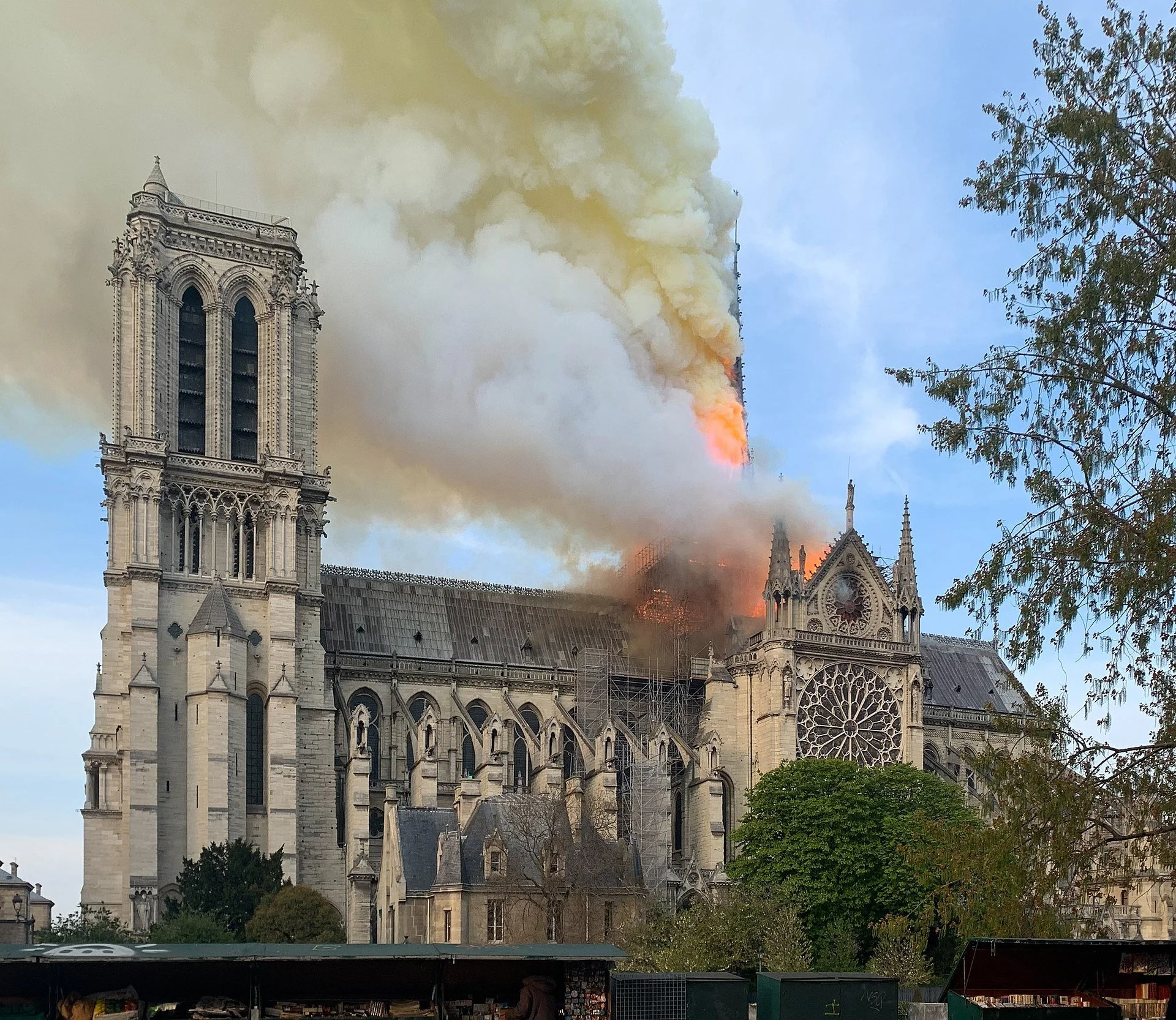
Before the pandemic dominated the news cycle starting in 2020 (and continues to do so), the fire that ravaged Notre Dame in Paris in 2019 was among that year’s biggest stories.

Over the Thanksgiving weekend, the famed cathedral was once again catapulted into the news cycle — despite it being a busy few days thanks largely to the Omicron coronavirus variant — after The Telegraph, based in London, reported a scoop under the headline “Notre Dame interior faces ‘woke’ Disney revamp.”

What followed was an amazing lack of mainstream news coverage.

Here’s how the Telegraph story (behind a paywall) opened. The following is a meaty excerpt since so many of you do not have a subscription to the British newspaper:

Paris’ fire-ravaged Notre-Dame cathedral risks resembling a “politically correct Disneyland” under controversial plans for its renovation seen by the Daily Telegraph.

Critics have warned that the world-famous cathedral will be turned into an “experimental showroom” under plans to dramatically change the inside of the medieval building.

Under the proposed changes, confessional boxes, altars and classical sculptures will be replaced with modern art murals, and new sound and light effects to create “emotional spaces”.

There will be themed chapels on a “discovery trail”, with an emphasis on Africa and Asia, while quotes from the Bible will be projected onto chapel walls in various languages, including Mandarin.

The final chapel on the trail will have a strong environmental emphasis.

“It’s as if Disney were entering Notre-Dame,” said Maurice Culot, a prize-winning Paris-based architect, urbanist, theorist and critic who has seen the plans.

“What they are proposing to do to Notre-Dame would never be done to Westminster Abbey or Saint Peter’s in Rome. It’s a kind of theme park and very childish and trivial given the grandeur of the place,” he told The Telegraph.


Please respect our Commenting Policy

Tough question? Some obits included how priestly sexual abuse shook Phil Saviano's faith

Tough question? Some obits included how priestly sexual abuse shook Phil Saviano's faith

If you have seen the movie “Spotlight” — especially if you are a journalist — you know that it’s one of the two or three best films ever made about the picky, high-stakes work involved in investigative journalism.

But there was another layer to this film that I found especially powerful.

Obviously, the subject of clergy sexual abuse is painful and divisive. Every now and then, I still hear from angry readers who believe this whole hellish scandal — which began creeping into headlines in 1984 with the Gilbert Gauthe case in Louisiana — was a media plot against the Church of Rome. It’s important to note that there were conservative Catholics who dug down to the roots of this scandal (see the scathing book “Sacrilege” by Leon Podles), along with the efforts of many Catholic liberals and many ex-Catholics.

The scandal affected many people in different ways. The movie “Spotlight” stressed how the shock and anger unleashed by this scandal affected the faith of some of the Boston Globe journalists. Then there were the shattered victims. It’s amazing that any of them emerged with their faith intact. Some did. Many did not.

This brings me to some of the major-media obituaries for Phil Saviano, a victim who became one of the most important activists who tirelessly worked for justice. Saviano served as a consultant for the “Spotlight” screenwriters and his character appeared in the movie, played by actor Neal Huff.

As I read the coverage, I kept wondering: Would anyone include information about Saviano’s faith? Did he leave Catholicism? Did he convert to another faith?

As you would expect, the Globe obituary is long and detailed. I thought this detail was exceptionally powerful:

When the advent of protease inhibitors to treat HIV/AIDS prolonged Mr. Saviano’s life, he kept speaking out until the end through a series of health issues. Not least among them was a crisis on that night in 2016 when “Spotlight,” the movie based on the Globe’s clergy sex abuse coverage, won the Academy Award for best picture.


Please respect our Commenting Policy

Podcast: It's time to pay attention to debates about girls, Instagram and mental-health woes

Podcast: It's time to pay attention to debates about girls, Instagram and mental-health woes

If you have followed GetReligion for a decade or so, you know that our religion-beat patriarch Richard Ostling writes a “Memo” post every week in which he focuses on religion trends and future events to which journalists should be paying attention.

This week’s Memo focused on why religious and secular debates about Death with Dignity laws will not be fading away anytime soon. As always, Ostling’s Memo posts are packed with links to relevant interest groups, experts and online resources to aid reporters.

This brings me to this week’s “Crossroads,” which — for a change — does not focus on a religion-news story in the mainstream press (click here to listen to the podcast). Instead, you can think of this feature as a kind of Mattingly Memo, in which host Todd Wilken and I discussed the news (and religious) implications of a new Atlantic Monthly essay by Jonathan Haidt that ran with this dramatic double-decker headline:

The Dangerous Experiment on Teen Girls

The preponderance of the evidence suggests that social media is causing real damage to adolescents

On its face, this essay was not a “religion news” piece at all. From my point of view, that was kind of the point.

One of the themes Haidt stressed was that teen-aged girls are pretty much alone, when it comes to wrestling with the moral, emotional and even medical side effects of addiction to social media — the invasive visual-image wonderland of Instagram, in particular. The article includes a depressing file of research slides on this mental-health issue from the Wall Street Journal (click here for that .pdf). Note, in particular, that teens believe their parents have next to zero understanding of what is going on.

If parents are tuned out, where does that put clergy? Should religious leaders be playing some kind of role in public-square (and personal) discussions of this issue?

These questions made me think of an “On Religion” column that I wrote in 2017 about the efforts of some Colorado teens — reacting to several suicides linked to cyber-bullying — to help their friends examine the impact of social-media programs on their lives.


Please respect our Commenting Policy

America's secular and religious death-by-choice debate is perennial and always newsworthy

America's secular and religious death-by-choice debate is perennial and always newsworthy

By count of the Death with Dignity organization, which devised Oregon's pioneering 1997 law under which 1,905 lives have been ended as of January 22, 10 states plus the District of Columbia have legalized euthanasia and -- assignment editors note -- 14 more states are currently debating such proposals. Click here to check on the situation in each state.

To begin, writers dealing with this perennial and newly current issue should be aware of the verbal politics with what's variously known as "euthanasia" (from the Greek meaning "good death"), "the right to die," "death on demand," "assisted suicide," "physician-assisted suicide” or "mercy killing." The activists who use the “pro-choice” label dislike any blunt mention of "suicide" or "killing" and urge instead that we use "physician-assisted death," "aid in dying" or "death with dignity."

Coverage by some media outlets, to be blunt, replaces non-partisanship with cheerleading.

Britain's The Economist had this mid-November cover headline: "The welcome spread of the right to die." However, to its credit the news magazine's (paywalled) editorial and international survey did summarize problems and opposing arguments.

A November 16 New York Times roundup on U.S. action — “For Terminal Patients, the Barrier to Aid in Dying Can Be a State Line” — reported that in addition to states that may newly legislate death-by-choice, states that already permit it are weighing further liberalization such as ending in-state residency requirements, shortening or waiving waiting periods, dropping the mandate that only physicians handle cases, filing of one request rather than two or more and other steps to streamline the process.

Reporters can find non-religious arguments in favor from Death With Dignity, cited above. It also recommends procedures to avoid abuse of this right. On the con side, pleas and cautions can be obtained from various disability rights organizations (click here for information).

On that score, psychiatrist-turned-journalist Charles Krauthammer, a non-religious Jew, spent much of his adult life paralyzed from the waist down.


Please respect our Commenting Policy

Complex doctrinal story or mere politics? Hmmm ... What shaped news about U.S. bishops?

Complex doctrinal story or mere politics? Hmmm ... What shaped news about U.S. bishops?

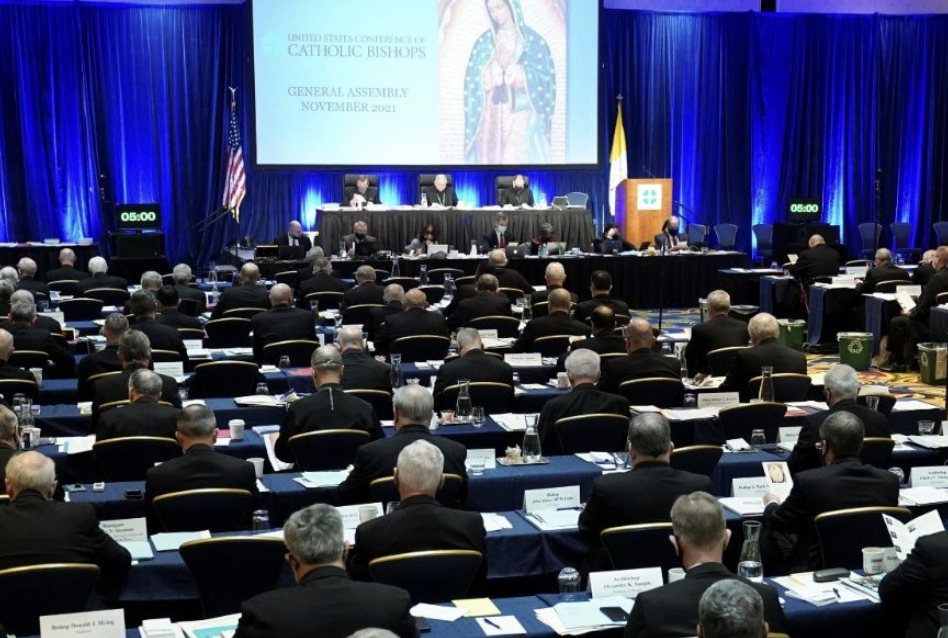
Let’s face it. This Baltimore meeting of the United States Conference of Catholic Bishops was a classic example of what kind of stories drive front-page news in the mainstream press.

For starters, you had a complicated story about a doctrinal, moral and institutional crisis in Roman Catholicism today — the collapse of Catholic beliefs and practice related to sin, confession, forgiveness and Holy Communion.

Then you had a political story that, for journalists, pitted the satanic hordes of conservative bishops linked, somehow, to Donald Trump against the wise, progressive, nuanced shepherds who sympathize with ordinary Catholics like President Joe Biden.

Guess which story framed most of the coverage? Consider this headline from the journalistic college of cardinals at The New York Times: Catholic Bishops Avoid Confrontation With Biden Over Communion.” And here’s the overture:

BALTIMORE — The Roman Catholic bishops of the United States backed away from a direct conflict with President Biden …, approving a new document on the sacrament of the eucharist that does not mention the president or any politicians by name.

At issue was the question of which Catholics, under which circumstances, are properly able to receive communion, one of the most sacred rites within Christianity. For some conservative Catholics, the real question was more pointed: Should Catholic politicians who publicly support and advance abortion rights be denied the sacrament?

For some of the most outspoken critics of Mr. Biden and other liberal Catholic leaders, the document represented a strategic retreat.

OK, here is a blunt question about that last statement: Is there any evidence that ANY DRAFT of this document — "The Mystery of the Eucharist in the Life of the Church" (.pdf here) — included a single reference to Biden, the White House or the presidency? If conservatives drove the process that led to this document, as assumed in the news coverage, isn’t it logical that references of this kind would have made it into digital ink at some point?


Please respect our Commenting Policy

Plug-In: Minichurches and burned-out pastors -- four crucial COVID-19 trends to follow

Plug-In: Minichurches and burned-out pastors -- four crucial COVID-19 trends to follow

COVID-19 rages on.

So does the pandemic’s big impact on American religion.

From in-person attendance declining to pastors burning out, here are four related trends to watch:

(1) Churches changed during the pandemic and many aren’t going back (by Janet Adamy, Wall Street Journal)

“The number of churchgoers has steadily dropped in the U.S. over the past few decades,” Adamy reports. “But Covid-19 and its lockdown restrictions accelerated that fall. In-person church attendance is roughly 30% to 50% lower than it was before the pandemic, estimates Barna Group, a research firm that studies faith in the U.S.”

(2) Why the minichurch is the latest trend in American religion (by Bob Smietana, Religion News Service)

Smietana profiles a small church in Wisconsin, noting, “Cornerstone is part of the fastest-growing group of congregations in America: the minichurch. According to the recently released Faith Communities Today study, half of the congregations in the United States have 65 people or fewer, while two-thirds of congregations have fewer than 100.”

(3) The pastors aren’t all right: 38% consider leaving ministry (by Kate Shellnutt, Christianity Today)

“Pastoral burnout has worsened during the pandemic,” Shellnutt explains. “A Barna Group survey released (this week) found that 38 percent of pastors are seriously considering leaving full-time ministry, up from 29 percent in January.”

See related coverage from the Washington Times, by former GetReligionista Mark A. Kellner.

(4) Most churches find financial stability in 2021 (by Aaron Earls, Lifeway Research)

“Emerging from the pandemic, most churches don’t seem to be underwater financially, but many are treading water,” Earls reports.


Please respect our Commenting Policy