Baptists

Journalism tips on: (1) Evangelical crack-ups, (2) campus faith fights, (3) COVID exemptions

Journalism tips on: (1) Evangelical crack-ups, (2) campus faith fights, (3) COVID exemptions

A potential U.S. evangelical crack-up continues as a lively story topic since Guy Memos here since these two Memos here at GetReligion, “Are we finally witnessing the long-anticipated (by journalists) evangelical crack-up?” and also “Concerning evangelical elites, Donald Trump and the press: The great crack-up continues.” In USA Today, Daniel Darling, for one, sought hope despite his recent victimhood in these tensions.

Media professionals considering work on this theme should note a lament at book length coming next week: "Struggling with Evangelicalism: Why I Want to Leave and What It Takes to Stay" by Dan Stringer. The author is a lifelong evangelical, Wheaton College (Illinois) and Fuller Theological Seminary alum, leader of InterVarsity's graduate student and faculty ministries in Hawaii and Evangelical Covenant Church minister. This book comes from InterVarsity Press.

The Guy has yet to read this book, but it looks to be a must-read for reporters covering American evangelicals in the Bible-Belt and elsewhere. Stringer ponders how evangelicalism can move beyond too-familiar sexual scandals, racial and gender conflicts, and Trump Era political rancor -- what a blurb by retired Fuller President Richard Mouw calls "blind spots, toxic brokenness and complicity with injustice."

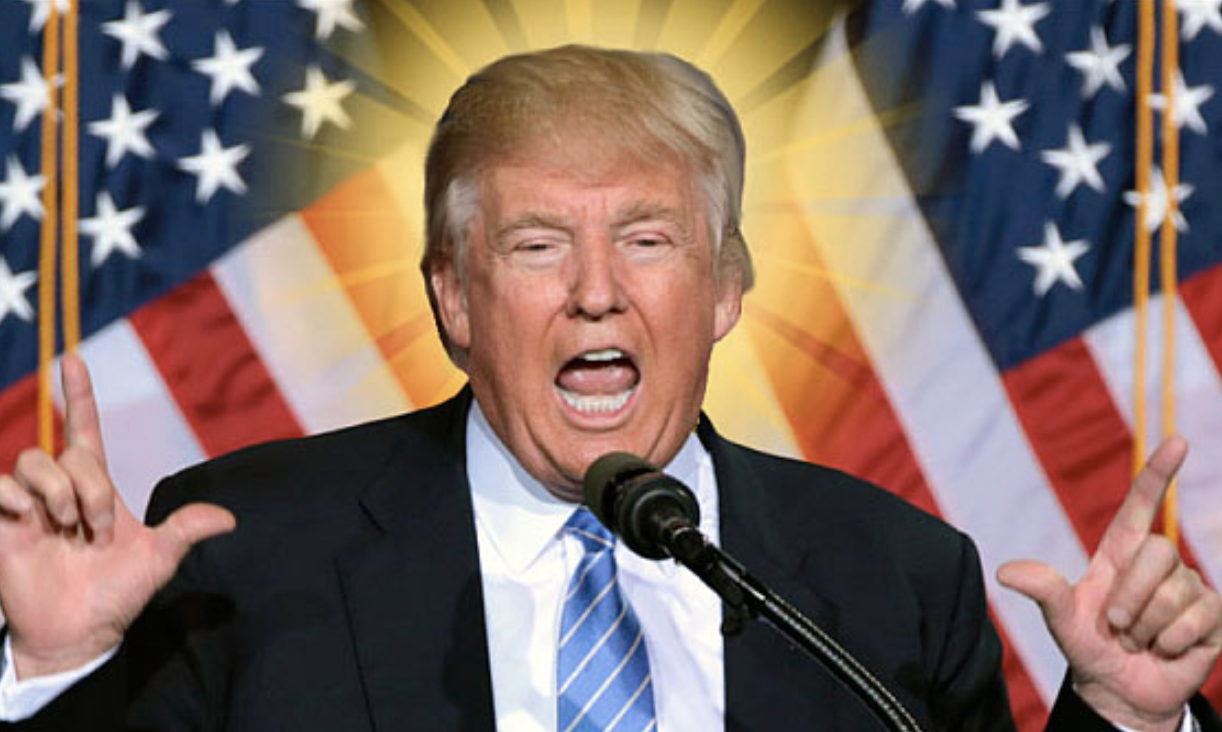
Regarding the Donald Trump factor, the evangelical elite was largely silent, with one faction openly opposed, while certain outspoken evangelicals backed the problematic populist.

As The Guy has observed, recent politics exposed the already existing gap between institutional officials and the Trumpified evangelical rank and file. Problem is, to thrive any religious or cultural movement needs intelligent leaders united with a substantial grass-roots constituency to build long-term strategy.

Evangelicalism has always combined basic unity in belief with a wide variety of differences. Think denominational vs. independent, Arminian vs. Calvinist, gender "complementarian" vs. "egalitarian," Pentecostal-Charismatic vs. others and a racial divide so wide that many Black evangelicals shun the e-word alltogether.

In an October 21 Patheos article, historian Daniel K. Williams at the University of West Georgia added North vs. South to those internal divisions. He recounts that the Southern Baptist Convention remained mostly apart when northerners began to supplant "fundamentalism" with "evangelicalism" in the World War II era. Eventually, he says, this movement formed a North-South alliance but it's now eroding.


Please respect our Commenting Policy

Religious liberty at SCOTUS, again: Touch, comfort and the prayers of clergy at executions

Religious liberty at SCOTUS, again: Touch, comfort and the prayers of clergy at executions

The U.S. Supreme Court will hear religious freedom arguments Tuesday in the case of a Texas death-row inmate named John Henry Ramirez.

Ramirez, 37, wants his Southern Baptist pastor to lay hands on him and pray before and during his execution. The state of Texas won’t allow it.

Time magazine’s Madeleine Carlisle provides a nice overview of the case.

“The job of a minister is not to stand still and be quiet,” Dana Moore, the inmate’s pastor, tells Time. “Prayer is very important. And the power of touch is real. It’s encouraging. It brings peace. It’s significant… Why can’t I hold his hand?”

In an August interview with New York Times religion writer Ruth Graham, Ramirez took responsibility for killing Corpus Christi convenience store clerk Pablo Castro, calling Castro’s 2004 death a “heinous murder.” (As noted by the Corpus Christi Caller-Times, Ramirez “beat and kicked Castro and stabbed him 29 times with a 6-inch serrated knife.” He and two female accomplices left the scene with $1.25.)

“It would just be comforting,” Ramirez said of wanting Moore by his side at the time of his lethal injection.

At The Associated Press, religion writer David Crary explains that the “ACLU has a long history of opposing the death penalty and also says that condemned prisoners, even at the moment of execution, have religious rights.”

Conservative church-state activists have been involved in this case, and others like it, since Day 1.

“Intriguingly, the ACLU’s position in the Ramirez case is echoed by some conservative religious groups which support the death penalty and are often at odds with the ACLU on other issues,” Crary reports.


Please respect our Commenting Policy

New podcast: Did Glenn Youngkin win the Latino vote in Virginia? Maybe ask folks in pews?

New podcast: Did Glenn Youngkin win the Latino vote in Virginia? Maybe ask folks in pews?

On the morning after The Virginia Election, I noted that the sharp folks at a must-bookmark niche-news website — A Journey Through NYC Religion — had done some old-fashioned digging and discovered some interesting religion ghosts (to use an old GetReligion term) in that political earthquake. Click here for that story: “Faith trumps Trump in Virginia.”

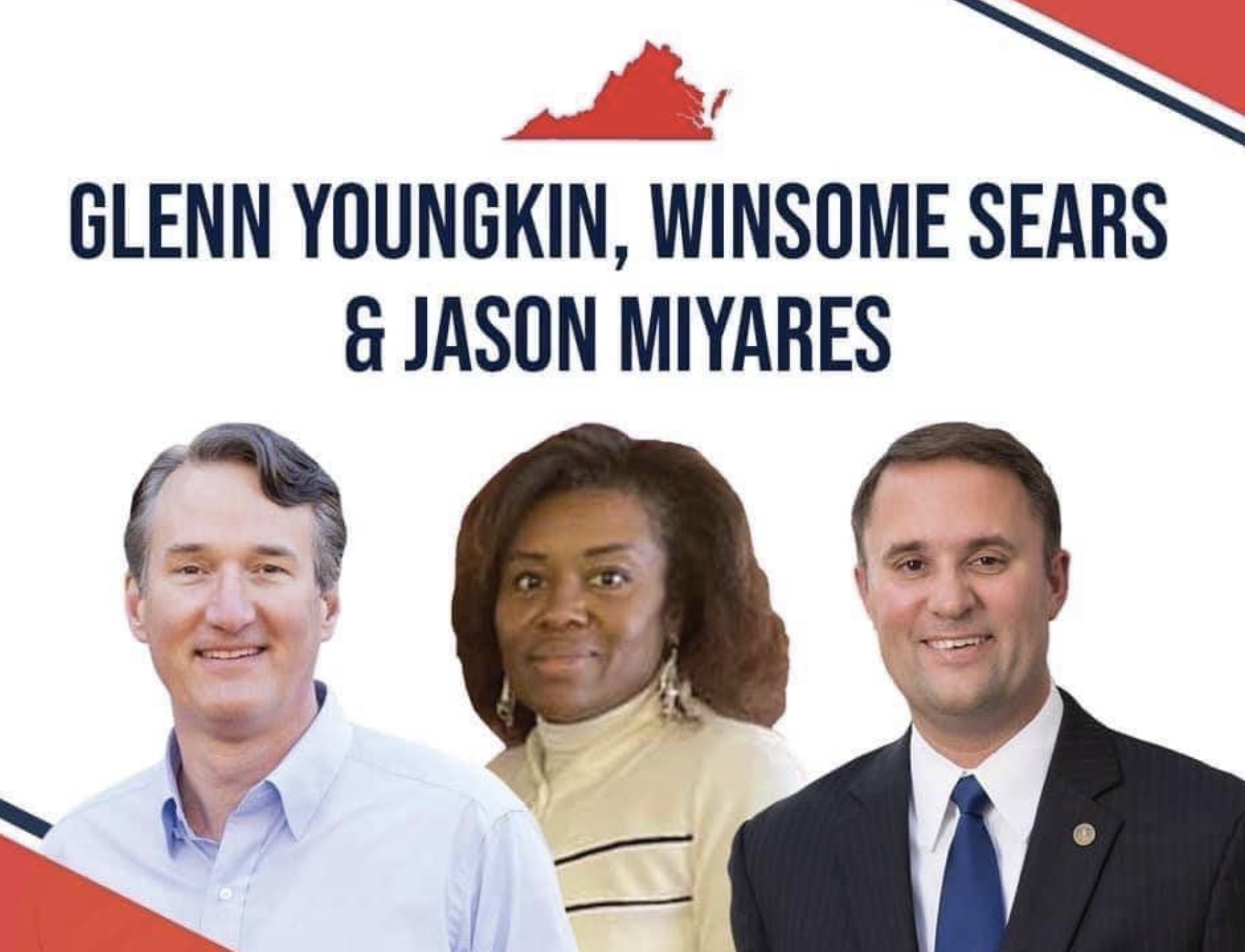
I sure didn’t know, from reading mainstream press coverage, that Governor-elect Glenn Youngkin was an evangelical Anglican who once was a leader in the Alpha course, an evangelism program that expanded from the Church of England into churches and denominations around the world.

I didn’t know that Lieutenant Governor-elect Winsome Sears, an African American evangelical and former Marine, had once led a Salvation Army ministry and that the state’s new attorney general, Jason Miyares, appears to be a Latino evangelical Episcopalian.

All of that showed up in my post-election piece with this headline: “Yes, there were overlooked religion angles in today's biggest U.S. political news story.”

We talk about all of that in this week’s “Crossroads” podcast (click here to tune that in), but also veered off into other religion-based angles in the current political climate. One of them took us into familiar territory, at least for those who have followed GetReligion for the past five or six ears. I’m talking about the rising political clout of Latino evangelicals, traditional Catholics and Pentecostal believers.

There’s some evidence that Youngkin and the diverse GOP lineup actually WON the Latino vote in the Virginia election (click here for a totally faith-free Politico discussion of that topic).

So here is that question again: How can journalists cover shifting patterns among Latino voters — and Black voters, as well — without examining the role of religion and cultural issues?

Let’s say: Is it safe to assume that pro-life Latinos are more likely — lacking acceptable Democrats on the ballot — to opt for Republicans? How about Latinos who favor school choice? Who old traditional Christian views on gender issues?


Please respect our Commenting Policy

While most media ignore religious persecution, Al Jazeera devotes space and time to it

While most media ignore religious persecution, Al Jazeera devotes space and time to it

I remember when Al Jazeera was looking to hire folks in Washington, D.C., about the time they launched Al Jazeera English in 2006.

Some journalists about town weren’t sure about applying there, even though the money was said to be good and its connections within the Arabic-speaking world were light years better than any other news operation.

It was, of course, the whiff of Arab nationalism and Islamism that scared a lot of folks off. (Then again, in 2018, it was officially banned from more than one-third of all Arabic-speaking countries, so sometimes those connections exact a high price.)

Anyway, that was then. In 2008, it launched a human-rights desk in its newsrooms and began doing stories where such rights were violated. Being that religious groups were often the first targeted, Al Jazeera got into some serious religion reporting — covering all kinds of issues, often with a striking effort to be balanced, fair and accurate.

Fast forward to 2021, where they just won first place in the Excellence in Television News Magazine Religion Reporting category for the Religion News Writers annual contest. I am not sure what specific story won them that award but in recent years, they’ve done some quality religion pieces. Now they’re at the point where folks are writing academic papers based on their religion coverage.

I am not going to go into their reporting on Islam, which is a whole other topic. This post concerns their human rights-religious minorities coverage. One of their latest examples details how Myanmar has become “a living hell” for Christians — a story very few secular media are covering. Let’s start here:

Last month, Myanmar soldiers gunned down Cung Biak Hum, a 31-year-old Baptist pastor, while he rushed to help put out a fire caused by military shelling. As his town of Thantlang in Myanmar’s northwestern Chin State went up in flames, soldiers sawed off the pastor’s finger and stole his wedding ring.


Please respect our Commenting Policy

Is this statement accurate? All true evangelicals wanted to vote for Donald Trump -- period

Is this statement accurate? All true evangelicals wanted to vote for Donald Trump -- period

As a rule, your GetReligionistas strive to avoid writing about analysis features that are published in magazines such as The Atlantic.

However, when I keep hearing people asking questions about one of these “think pieces,” it’s hard not to want to add a comment or two to the discussion.

So first, let’s start with something that GetReligion team members have been saying for nearly two decades, as a reminder to readers who have never worked in mainstream newsrooms: Reporters/writers rarely write the headlines that dominate the layouts at the top of their pieces.

Case in point: The double-decker headline on that buzz-worthy Peter Wehner commentary piece at The Atlantic:

The Evangelical Church is Breaking Apart

Christians must reclaim Jesus from his church.

Yes, I know. There is no such thing as “the evangelical church.”

Do basic facts matter? There are, of course, denominations that are predominantly evangelical. Some of them disagree on all kinds of things — such as baptism or the ordination of women. There are Pentecostal denominations that share many, but not all, doctrines with flocks that are connected with the evangelical movement. There are lots of evangelicals who still sit — though many are quite unhappy — in liberal Protestant pews.

We won’t even talk about that second line: “Christians must reclaim Jesus from his church.”

You can get to the heart of this confusion by — if you are reading the Wehner piece online — glancing at the tagline that appears in the subject line in your computer browser. That semi-headline reads: “Trump is Tearing Apart the Evangelical Church.”

Ah, that’s the heart of this matter.


Please respect our Commenting Policy

Define 'evangelical,' please. Alas, many Americans don't think that this is a religious term

Define 'evangelical,' please. Alas, many Americans don't think that this is a religious term

Here’s a scary thought: Who wants to dress up as an evangelical for Halloween?

Except, exactly what would that look like?

Would it involve wearing a red “Make America Great Again” hat? Does the term still have any religious and/or theological meaning left?

Those questions came to mind as I perused some of the week’s big religion stories — both news reports and major analytical takes. Here are five such headlines that caught my attention:

(1) Why ‘evangelical’ is becoming another word for Republican: “Instead of theological affinity for Jesus Christ, millions of Americans are being drawn to the evangelical label because of its association with the G.O.P.,” Ryan Burge, a frequent contributor to ReligionUnplugged.com, writes in an opinion piece for the New York Times.

(2) In a post-Donald Trump world, these pastors are ditching the evangelical label for something new: “They looked to each other to ask, What could it look like to organize as ‘post-evangelicals?’” religion writer Sarah Pulliam Bailey reports for the Washington Post. “They had at least one thing in common: They were all on some journey of deconstruction, the process of reexamining their long-held beliefs, and they wanted to participate in reconstruction and the building up of something new.”

(3) The evangelical divide: “Political and social issues are splintering American Christians. Can the Church find unity?” asks part one of a three-part series by World magazine senior reporter Sophia Lee.

(4) The evangelical church is breaking apart: “As a person of the Christian faith who has spent most of my adult life attending evangelical churches, I wanted to understand the splintering of churches, communities, and relationships,” contributing writer Peter Wehner explains in The Atlantic. “I reached out to dozens of pastors, theologians, academics, and historians, as well as a seminary president and people involved in campus ministry. All voiced concern.”


Please respect our Commenting Policy

ProPublica covers horrors at Liberty University. But do all Christian colleges hide rape cases?

ProPublica covers horrors at Liberty University. But do all Christian colleges hide rape cases?

Yes, Liberty University is back in the news — for valid reasons. Yes, the news involves accusations of sexual violence.

Let’s start with the basics. It’s never good for a Baptist institution when the official news service of the Southern Baptist Convention publishes a story like this one: “Ex-Liberty spokesman says he was fired for raising concerns.”

The only thing missing from that somewhat soft headline is, well, the sex angle. However, that promptly shows up in the lede. Once again, we are talking about the overture in a story from a conservative, Baptist press office:

A former spokesperson for Liberty University is suing the evangelical school after being fired, alleging in a lawsuit filed Monday (Oct. 25) that his termination came in retaliation for voicing concerns that sexual misconduct accusations were mishandled.

Scott Lamb, a vice president-level executive at the school where he was hired in 2018, said in an interview with The Associated Press that he pushed for answers about what was being done to investigate claims raised in a lawsuit filed over the summer by 12 women, and was continually dissatisfied.

The women’s lawsuit, which is still ongoing, alleged the school had a pattern of mishandling cases of sexual assault and harassment and had fostered an unsafe campus environment. A student-led movement has since been established to advocate for systemic reforms, and the nonprofit investigative journalism outlet ProPublica published a deeply reported investigation … with findings similar to the allegations raised in the lawsuit.

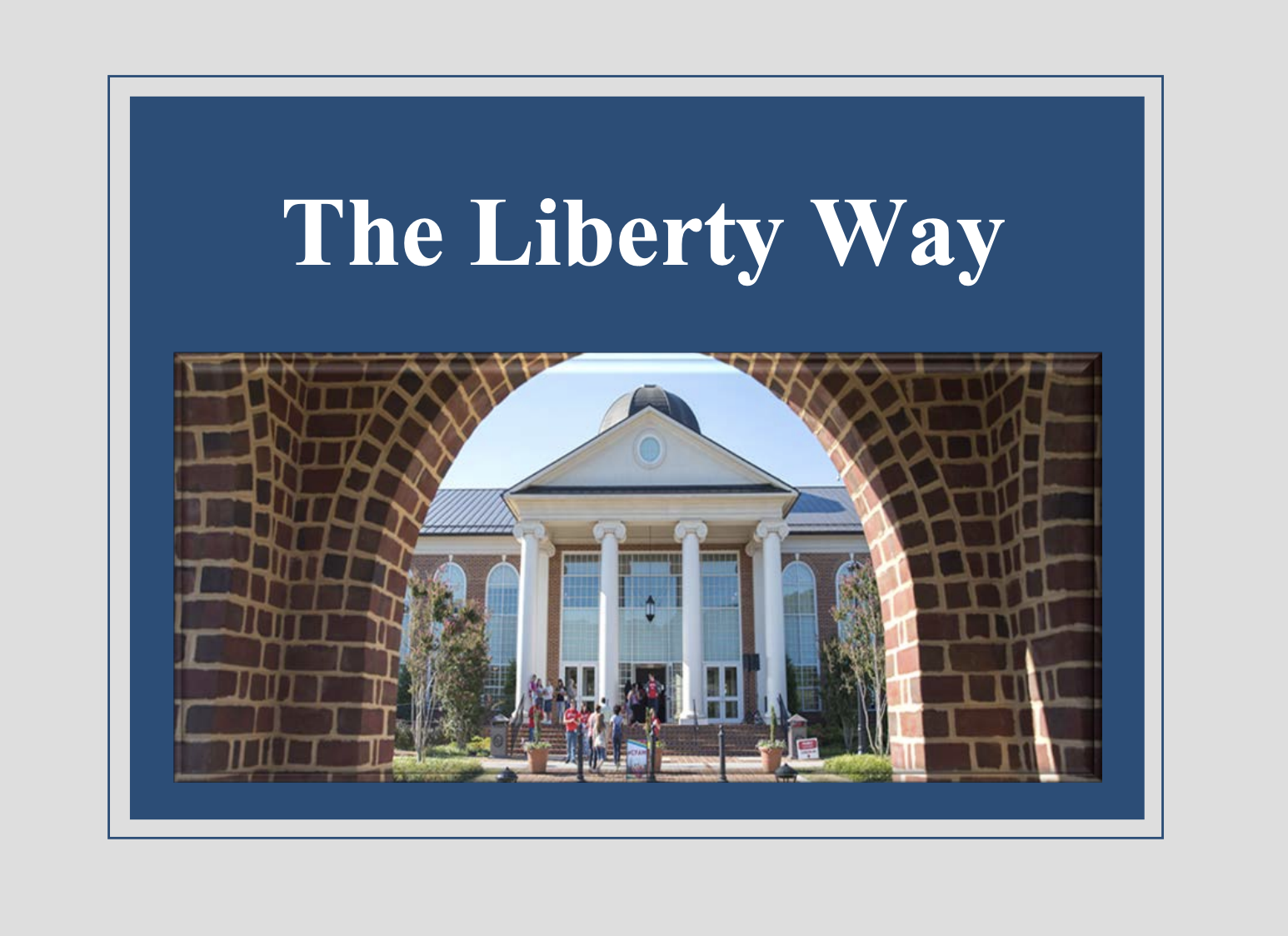
Now, the key to all of this is the brutal contents of that ProPublica piece: “ ‘The Liberty Way’: How Liberty University Discourages and Dismisses Students’ Reports of Sexual Assaults.” If you want a quick summary of the accusations — in another rather conservative source — check out this report at The New York Post: “Liberty University accused of making it ‘impossible’ to report rape, lawsuit alleges.”

The ProPublica report is, of course, hostile to Liberty University in every way possible. It’s also clear that Liberty officials appear to have gone out of their way to earn that hostility — in large part by refusing, at ever twist in the plot, to speak on the record about the university’s perspective on these issues.


Please respect our Commenting Policy

Don't neglect the Supreme Court's potentially weighty case on religious schools funding

Don't neglect the Supreme Court's potentially weighty case on religious schools funding

Media eyes are trained on the U.S. Supreme Court's December 1 argument on Mississippi's abortion restrictions, preceded by a fast-tracked November 1 hearing about the stricter law in Texas. But don't neglect the Court's December 8 hearing and subsequent decision on tax funding of religious schools in the potentially weighty Carson v. Makin case (docket #20-1088).

University of Baltimore law Professor Kimberly Wehle certainly wants us to pay heed, warning October 14 via TheAtlantic.com that this is a "sleeper" appeal that "threatens the separation of church and state." In her view, the high court faces not just the perennial problem of public funding for religious campuses. She believes the justices could decide "religious freedom supersedes the public good" by aiding conservative Christian schools that, based on centuries of doctrine, discriminate against non-Christian and LGBTQ students and teachers.

Journalistic backgrounding: Thinly-populated Maine provides an unusual context for this story because the majority of its 260 school districts do not operate full K-12 systems and instead pay tuition for public or private schools that families choose for upper grades. Religiously-affiliated schools are included, but not if Maine deems them "sectarian."

Notably, the parents' plea for tuition is backed by major institutions of the Catholic Church, the Southern Baptist Convention and other evangelical Protestants, the Church of God in Christ (the nation's largest African-American denomination), Latter-day Saints (formerly called "Mormons") and Orthodox Judaism, alongside the 63-campus Council of Islamic Schools. A reporter's question: Has such a religious coalition ever formed in any prior Supreme Court case?

Of further interest, the case engages a major religious-liberty theorist, Michael W. McConnell, director of Stanford University's Constitutional Law Center and former federal judge on the 10th Circuit Court of Appeals. He wrote that circuit's 2008 opinion in Colorado Christian University v Weaver (.pdf here), which tossed out a law that barred "pervasively sectarian" colleges from a state scholarship program.

In Carson, McConnell filed a personal brief September 8 that hands the Supreme Court a history lesson (.pdf here) on religious freedom as conceived when the Constitution's First Amendment was framed. He has explored this ground since a significant Harvard Law Review article in 1989.


Please respect our Commenting Policy

That question again: What's happening to religious believers and others stuck in Afghanistan?

That question again: What's happening to religious believers and others stuck in Afghanistan?

This is a case in which I don’t want to say, “We told you so,” but -- well — we told you so.

If you dug into this recent podcast-post — “ 'What's next in Afghanistan?' Warning: this news topic involves religion” — you’d know that the GetReligion team has been worried about what will happen to elite news coverage of human rights issues and, specifically, religious freedom, in Afghanistan under this new Taliban regime. In fact, that podcast included many themes from an earlier GetReligion podcast-post with this headline: “When the Taliban cracks down, will all the victims be worthy of news coverage?”

It appears that there are two problems.

Reality No. 1: It’s hard to cover the hellish realities of life in the new-old Afghanistan without discussing the messy exit of U.S. diplomats and troops from that troubled nation. Thus, new coverage will please Republicans, who are infuriated about that issue, and anger the White House team of President Joe Biden, which wants to move on. New coverage allows Republicans to “pounce,” as the saying goes.

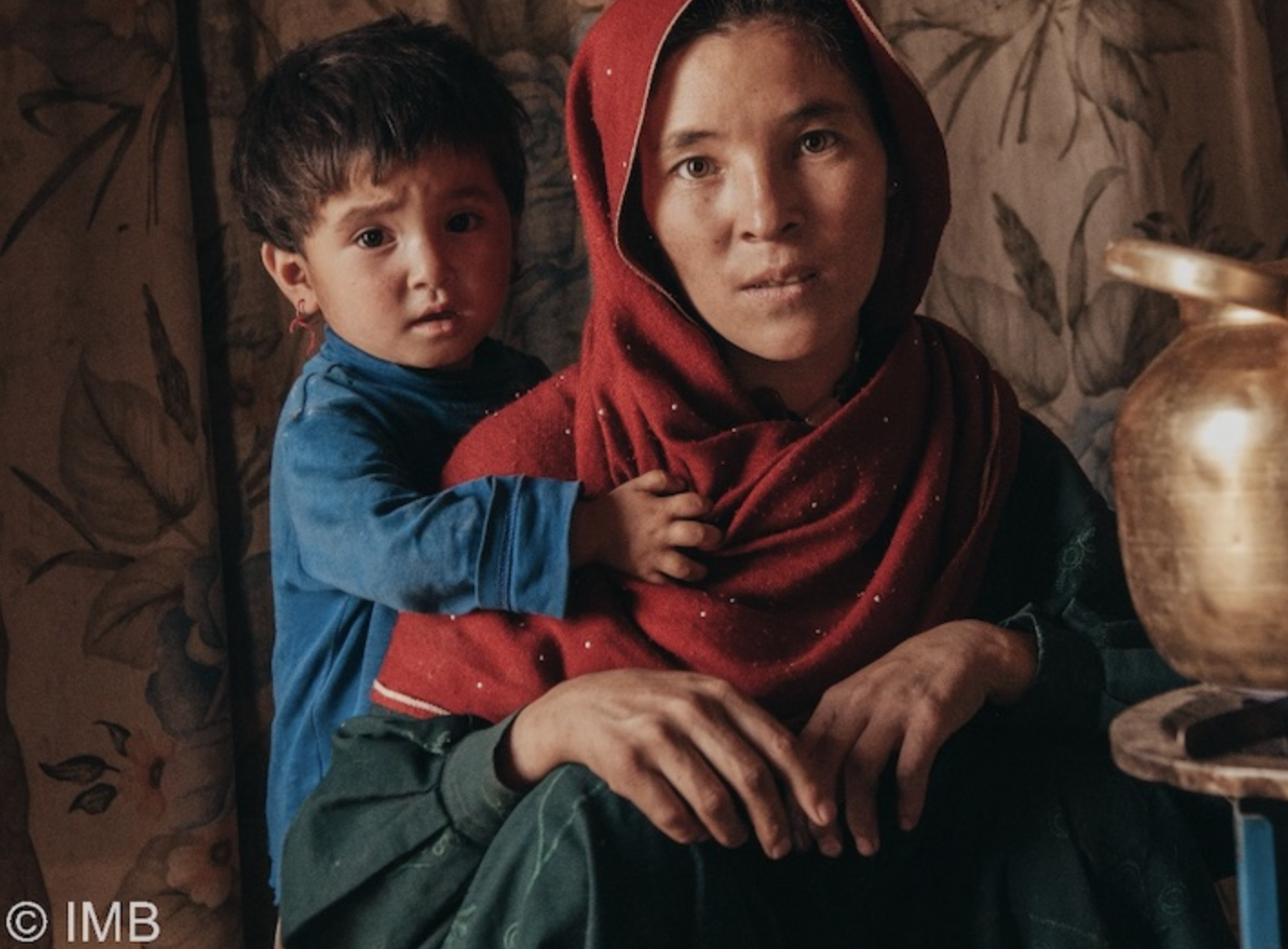
Reality No. 2: There are many valid stories inside Afghanistan right now, but some are more explosive than others in terms of fallout here in America. This is especially true when dealing with stories about Americans who are still trapped there. Then there are religious believers — including Christians and members of minority groups inside Islam — who face persecution and even executions because of their beliefs. It appears that some journalism executives (and foreign-policy pros) continue to struggle with the reality that religious issues are at the heart of the Afghanistan conflict.

Thus, cases of political and religious persecution in Afghanistan are “conservative news.” For a quick overview, see this National Review piece: “In Afghanistan, ‘Almost Everyone Is in Danger Now.’ “ Note this snarky line:

The sort of headline that shouldn’t just be local news. … Those knee-jerk Biden critics over at . . . er, the Connecticut affiliate of NBC News report: “43 Connecticut Residents Still Stuck In Afghanistan.

Here is a key chunk of that NBCConnecticut.com report:


Please respect our Commenting Policy