Baptists

Thinking about prayers at executions: These stories offer glimpses of an old church-state unity

Thinking about prayers at executions: These stories offer glimpses of an old church-state unity

This is a “feeling guilty” post. For quite some time now, I have been planning to examine the coverage of some important religious-liberty cases that have been unfolding in the death-row units of prisons.

The decisions are worthy of coverage, in and of themselves. At the same time, these cases have demonstrated that it is still possible, in this day and age, for church-state activists on the left and right to agree on something. Maybe I should have put a TRIGGER WARNING notice at the start of that sentence.

Like I said the other day in this podcast and post — “Covering a so-called 'religious liberty' story? Dig into religious liberty history” — this kind of unity in defending religious freedom has become tragically rare (from my point of view as an old-guard First Amendment liberal). Indeed, to repeat myself, “America has come a long way since that 97-3 U.S. Senate vote to approve the Religious Freedom Restoration Act of 1993.”

The problem is that you rarely, if ever, see reporters catch this church-state angle in these decisions. The key is to look at who filed legal briefs in support of the religious liberty rights of the prisoners.

This brings me to an important Elizabeth Bruenig essay that ran the other day at The Atlantic, under this dramatic double-decker headline:

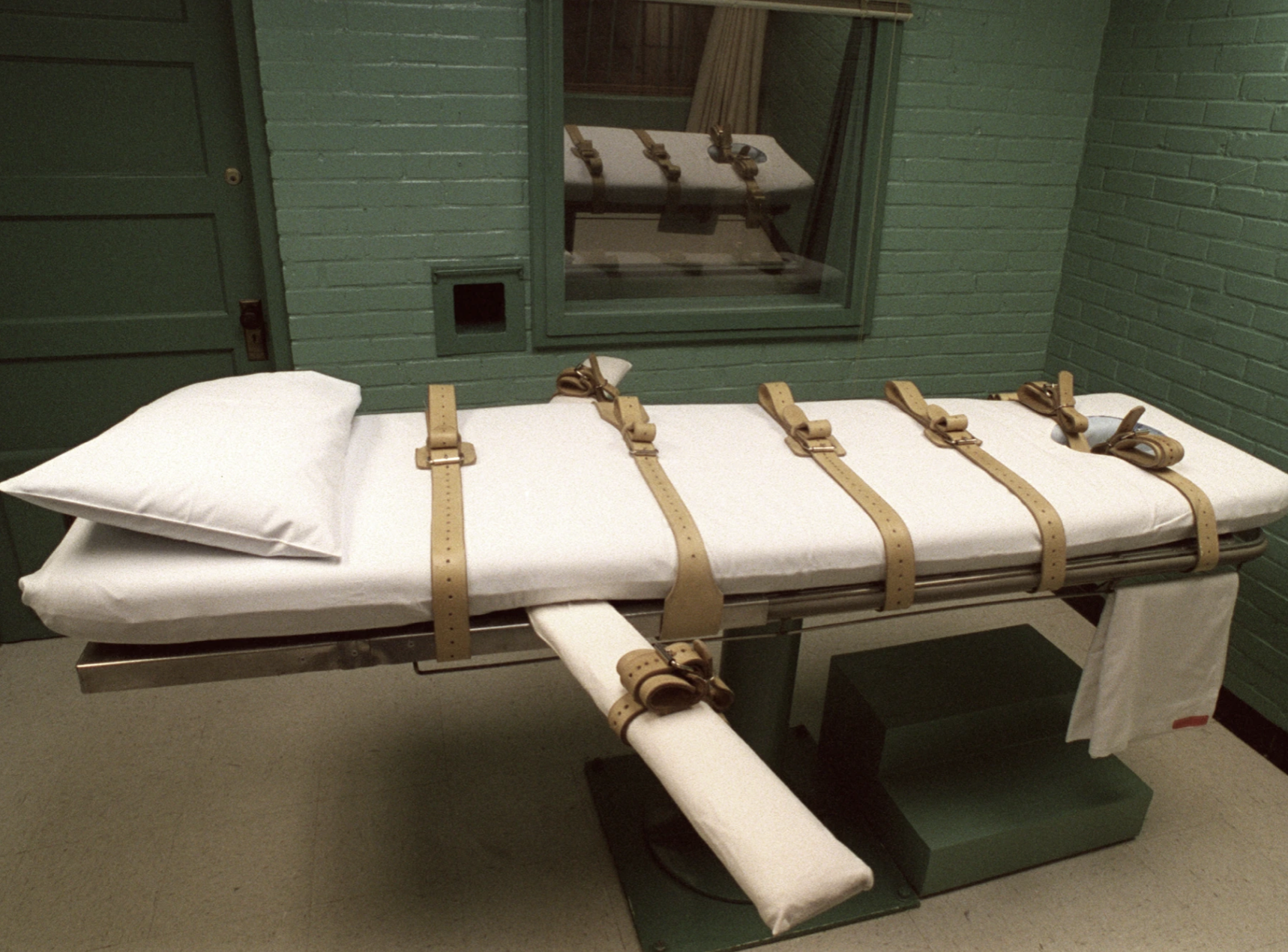
The State of Texas v. Jesus Christ

Texas’s refusal to allow a pastor to pray while holding a dying man’s hand is an offense to basic Christian values.

Here is the meaty overture:

Devotees to the cause of religious liberty may be startled to discover during the Supreme Court’s upcoming term that the latest legal-theological dispute finds the state of Texas locked in conflict with traditional Christian practice, where rites for the sick, condemned, and dying disrupt the preferences of executioners.

Please respect our Commenting Policy

Southern Baptist sexual-abuse puzzle: Can Executive Committee act on its own legal authority?

Southern Baptist sexual-abuse puzzle: Can Executive Committee act on its own legal authority?

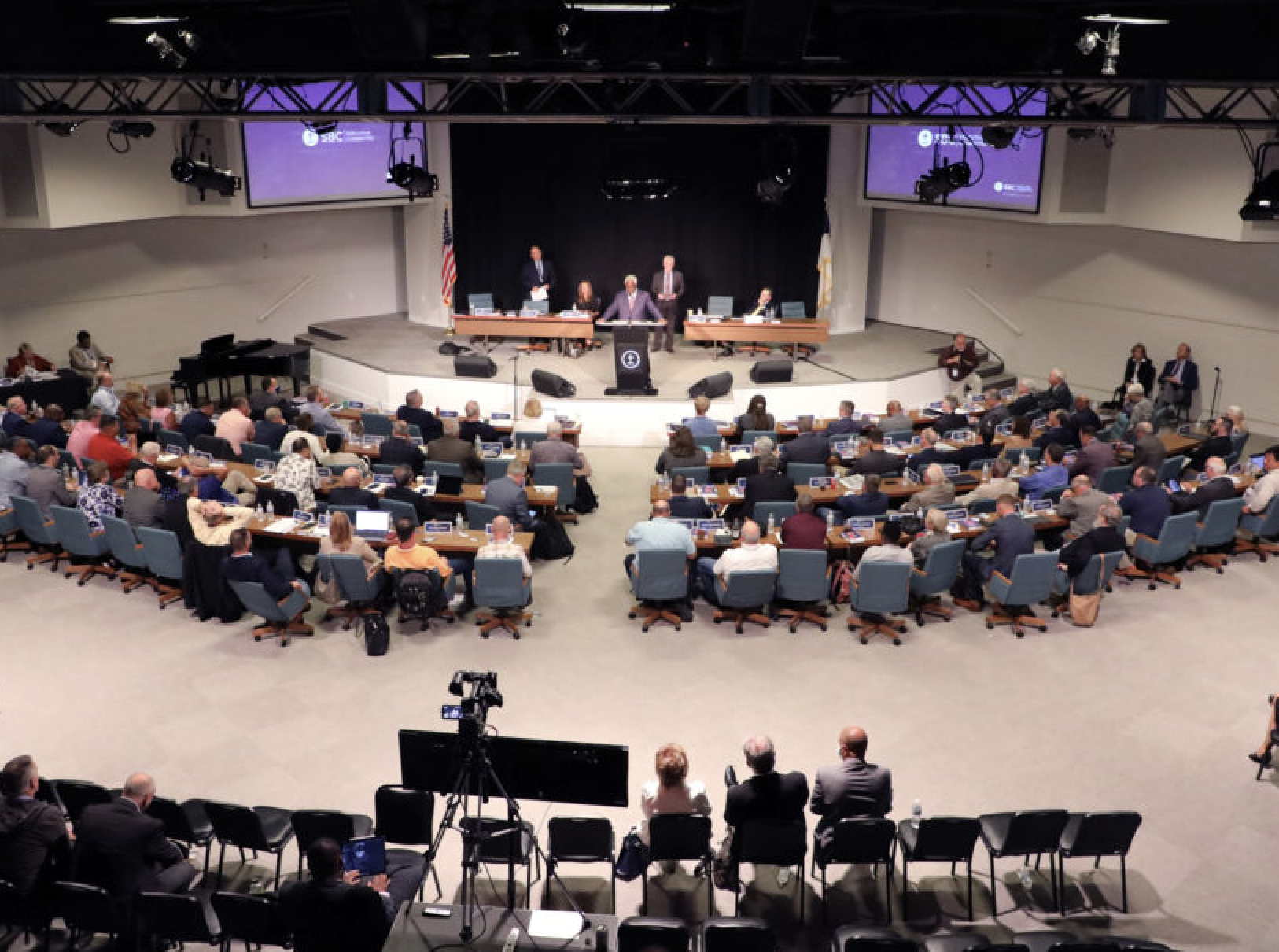
I do not envy the journalists who are attempting to cover the current meetings of the Southern Baptist Convention’s Executive Committee.

The financial and moral stakes are huge. Many of the questions being debated have, from a congregational polity point of view, theological as well as legal implications. You have some activists who want the SBC to take steps that, under its system of governance, it can’t really take. You also have SBC leaders who don’t appear willing to take the actions that they can take, in order to be transparent on sexual-abuse cases.

This may sound strange, but I think it may help to look at the top of the Baptist Press report covering the opening day of the meetings in Nashville. Yes, Baptist Press is an SBC operation and its leaders report directly to the Executive Committee. That makes one statement here even more important:

NASHVILLE (BP) — In its first meeting since messengers to the June 2021 Southern Baptist Convention Annual Meeting called for an independent, third-party review of the SBC Executive Committee, the EC responded to several routine motions and moved to fund the independent review but declined to waive attorney-client privilege for the time being.

After a three-hour extra session Tuesday afternoon, the Executive Committee ultimately rejected a proposal from its officers and instead adopted a temporary measure to move the sexual abuse review forward leaving the details to be hashed out between the officers and the Sex Abuse Task Force within seven days. One of the most significant undecided details was whether or not the EC will agree to waive attorney-client privilege as Guidepost Solutions, the independent firm chosen by the task force to conduct the review, has requested. In the motion passed SBC messengers in June, the EC was instructed to abide by the recommendations of the third-party firm, up to and including the waiver of attorney-client privilege.

Did you catch that last sentence? That’s one of the most important facts in this standoff. The Executive Committee is charged with carrying on the work of the SBC when the national convention is not in session. However, in terms of authority, the EC’s powers come from the local church “messengers” attending the annual SBC national convention.

It appears that a majority of the Executive Committee think they get to debate whether or not to approve the waiver of attorney-client privilege as part of a third-party investigation of how the EC, or some of its leaders, handled accusations of sexual abuse. However, “messengers” at the national convention already voted to approve that step.


Please respect our Commenting Policy

Are we finally witnessing the long-anticipated (by journalists) evangelical crack-up? 

Are we finally witnessing the long-anticipated (by journalists) evangelical crack-up? 

Those impossible-to-ignore and hard-to-define white " evangelicals" have, for decades, been the largest and most dynamic sector in U.S. religion. Are we finally witnessing an evangelical crack-up as so long anticipated -- and desired -- by liberal critics?

That's a big theme for the media to affirm or deny.

To begin, The Religion Guy is well aware that millions of these conservative Protestants quietly attend weekly worship, join Bible and prayer groups, try to help those in need, fund national and foreign missions and are oblivious to discussions of this sort on the national level.

For years we've seen a telltale slide of membership and baptisms in the Southern Baptist Convention, that massive and stereotypical evangelical denomination. At the same time, it’s clear (follow the work of Ryan Burge for background) that many of those Southern Baptists have simply moved to independent, nondenominational evangelical megachurches of various kinds.

But more than numbers, analysts are pondering insults to cultural stature, which greatly affect any movement's legitimacy, respect, impact and appeal to potential converts, especially with younger adults.

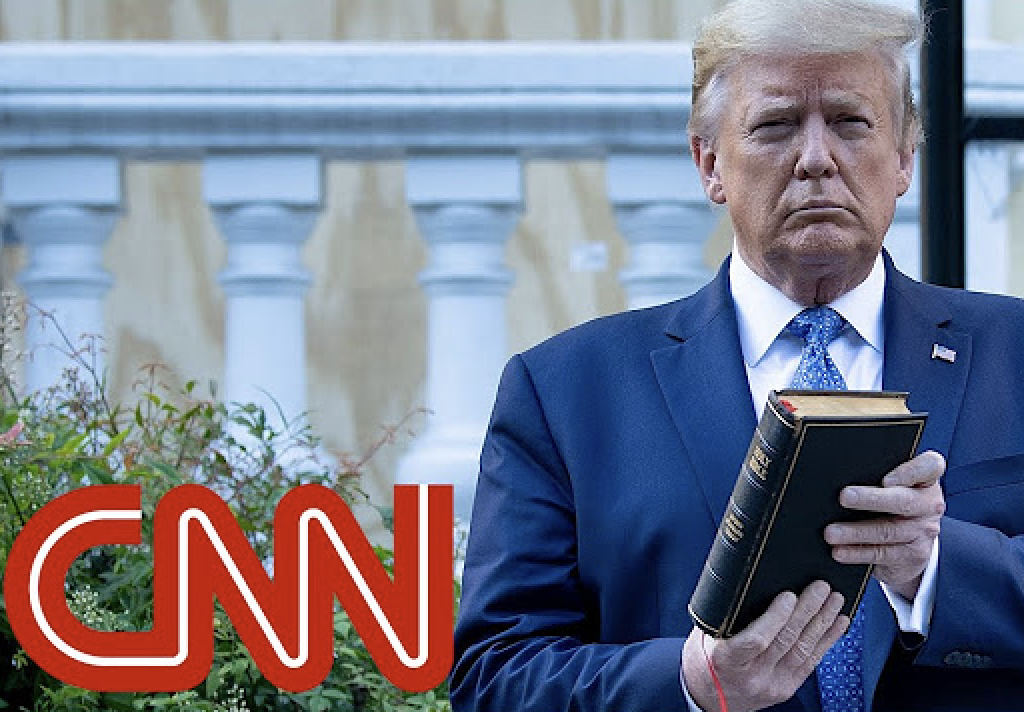
The Scopes Trial to forbid teaching of Darwinian evolution nearly a century ago continues to shape perceptions of evangelicalism and its fundamentalist wing, especially due to the fictionalized 1955 play and 1960 movie "Inherit the Wind." No doubt ongoing evangelical enthusiasm for Donald Trump has a similar negative impact among his critics, but this is not merely a political story but involves evangelicalism's internal dynamics. The Trump era exacerbates divisions that already existed despite unity in belief.

Turn to former GetReligion writer Mark Kellner, who is already making his mark (pun intended) as the new "faith and family" reporter for the Washington Times. Here is an essential recent read: “After scandals, is evangelical Christianity's image damaged?"

The immediate cause behind the question was an odd little incident that spoke volumes, the sacking of Daniel Darling as spokesman for National Religious Broadcasters (NRB).


Please respect our Commenting Policy

After Hurricane Ida: Prayers, tears, light, miracles and donations from somewhere ...

After Hurricane Ida: Prayers, tears, light, miracles and donations from somewhere ...

If you have ever lived in a major hurricane zone — Port Arthur, Texas, and West Palm Beach, Fla., for me — then you know that after the winds die down, the electric trucks (from all over) roll into town, from all over. The same thing is true with relief efforts from major religious groups. We’re talking Southern Baptists, Church of Jesus Christ of Latter-day Saints, World Vision, Churches of Christ and more.

The second half of that equation usually gets lots of ink the the religious press.

The elite newsrooms? Sometimes, yes. Lots of times, no.

So let’s look at a very interesting Hurricane Ida story from the Associated Press that provided all kinds of religion details about the locals and the people striving to help them: “Louisiana residents thankful for small miracles after Ida.” As a longtime GetReligion reader said, in an email:

This isn't profound, I guess it's just an example of "there, was that so hard?" . ... to report intimately about believers and clergy worshipping after a catastrophe. Frankly I've been kind of overwhelmed by the enormity of the loss in Louisiana — I joined a church relief team to help in Slidell and New Orleans a month after Katrina — and this story brought tears.

But note: This story focuses — with good cause — on the locals and government efforts post-hurricane. That’s a great story. But maybe this needed a word about the other big religion hook in post-storm news?

Meanwhile, here’s the overture:

MARRERO, La. (AP) — Amid the devastation caused by Hurricane Ida, there was at least one bright light Sunday: Parishioners found that electricity had been restored to their church outside of New Orleans, a small improvement as residents of Louisiana struggle to regain some aspects of normal life.

In Jefferson Parish, the Rev. G. Amaldoss expected to celebrate Mass at St. Joachim Catholic Church in the parking lot, which was dotted with downed limbs. But when he swung open the doors of the church early Sunday, the sanctuary was bathed in light.


Please respect our Commenting Policy

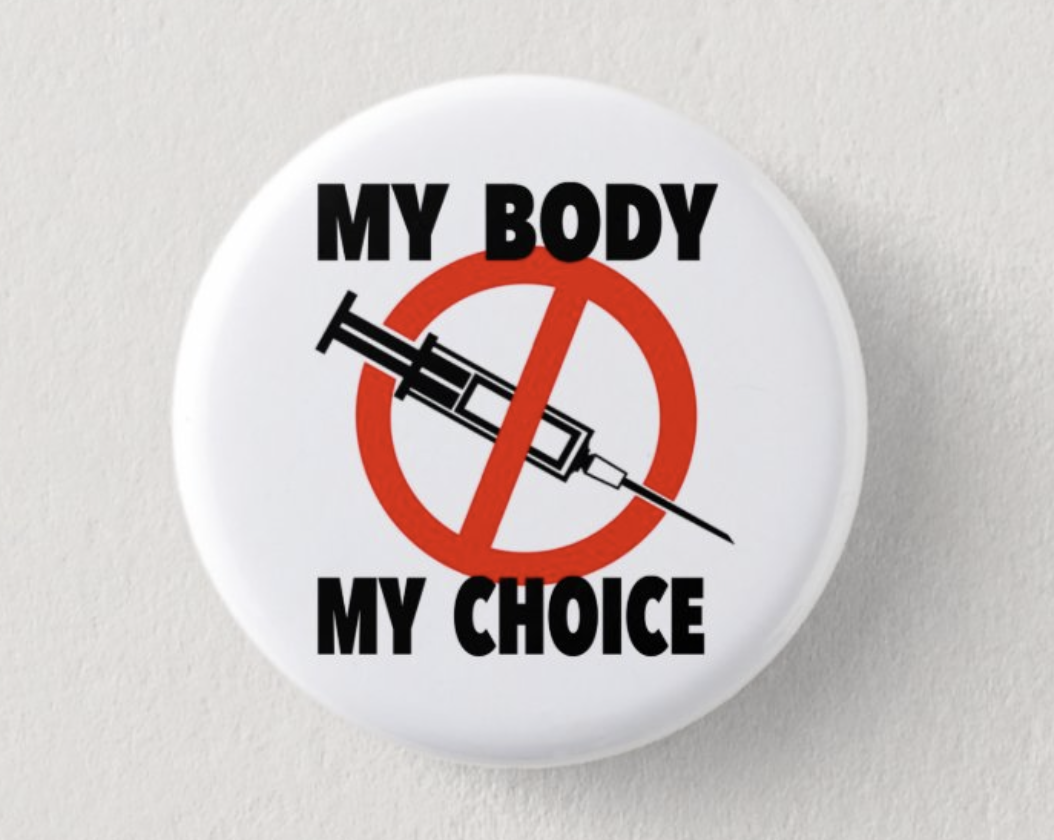
Thinking about fights over religious liberty and 'religious exemptions' from COVID vaccines

Thinking about fights over religious liberty and 'religious exemptions' from COVID vaccines

The Delta variant story keeps getting bigger and bigger, which means that debates between anti-vaccine activists and mainstream science and government leaders are getting hotter and hotter.

There are plenty of religion-news angles there, of course. There are plenty of articles to read about COVID-19, vaccines and fights in pews.

With that in mind, let’s connect several dots while on our way to this weekend’s “think piece” — which is a David French essay with this double-decker headline:

It’s Time to Stop Rationalizing and Enabling Evangelical Vaccine Rejection

There is no religious liberty interest in refusing the COVID vaccine.

Start here, with this passage near the end of my GetReligion post earlier this week that ran with this headline: “Was this a story? Why? Mississippi governor talks about heaven and Southern anti-vax trends.”

When thinking about religious liberty and those seeking exemptions from vaccine mandates, remember that — for decades — the U.S. Supreme Court has said that government can ask tough questions about religious beliefs and actions when they involve fraud, profit and clear threats to life and health. Watch for discussions of that third factor in these public-policy debates. …

The fact that there are bitter debates on this topic in conservative pews is a sign of DIVISION on the topic, not that Black and White believers are UNITED against vaccines and masks. The press coverage keeps implying unity here and that is the opposite of what the facts show.

Now, it is becoming clear that some religious leaders are going to test these religious-liberty arguments with employers and then in courts.


Please respect our Commenting Policy

New podcast: Harvard head chaplain is an atheist and Gray Lady covers half of that story

New podcast: Harvard head chaplain is an atheist and Gray Lady covers half of that story

Perhaps you saw that New York Times headline the other day that proclaimed: “The New Chief Chaplain at Harvard? An Atheist.”

That led, during this week’s “Crossroads” podcast (click here to tune that in) to a logical question: Is it really surprising, and newsworthy, that the office for chaplains at today’s Harvard is led by an atheist/humanist rabbi?

For me, this was a totally valid story. However, I do wish that the Times had followed through and fleshed out the two big themes mentioned in this feature.

You can see one of those themes in the sub-headline: “The elevation of Greg Epstein, author of ‘Good Without God,’ reflects a broader trend of young people who increasingly identify as spiritual but religiously nonaffiliated.”

Ah, another story about the young “religiously unaffiliated” folks who have received so much ink in recent years, following in the footsteps of the “spiritual, but not religious” and “Sheilaism” trendsetters of previous decades. But how many of the “nones” are actually atheists or agnostics? Hold that thought.

The other big idea here is that Epstein was a popular choice among the Harvard chaplains, in part because of his abilities to build bridges between a wide variety of religious brands — including evangelical Protestants and Christian liberals. Hold that thought, as well.

I found myself, while reading the Times piece, wondering: What is the dominant religious worldview at postmodern Harvard? I am sure that there are more than a few atheists and agnostics there. But people I know with ties to the campus tell me that a kind of “woke” liberal faith is the norm, which actually fits with the school’s roots in mainline Protestant New England. Also, there are more than a few evangelicals in the mix (look up “The Veritas Forum”).

I was reminded of the debates almost a decade ago at Vanderbilt University, as campus leaders tried to push evangelical Protestant student ministries off campus because of tensions over You Know What.


Please respect our Commenting Policy

Was this a story? Why? Mississippi governor talks about heaven and Southern anti-vax trends

Was this a story? Why? Mississippi governor talks about heaven and Southern anti-vax trends

Here’s a complex question that is worthy of serious research by journalists: Are people who believe in heaven less likely to feel the need to get vaccinated against COVID-19?

Now, lots of people believe in eternal life and the vast majority of them believe — no matter what their level of faith or practice — that they are headed straight to heaven when they die. Belief in hell? That’s another matter.

Ah. But who, according to most media stereotypes, are the folks who REALLY believe in heaven? In particular, what kind of person would let that belief affect their actions in the real world (which means issues of political policy and public health)?

Obviously, we’re talking about those dang White evangelical Protestants. Right?

That brings us to a recent headline at The Daily Memphian (“the primary daily online publication for intelligent, in-depth journalism in the Memphis community”) that caught the eye of some GetReligion readers. The emails I received made it clear that some people were mad about this story for different reasons. Hold that thought.

First, the headline: “Miss. Gov.: South’s response to COVID impacted by belief in ‘eternal life’.” Then, here is the overture:

Mississippi Gov. Tate Reeves believes religion has a lot to do with the region’s response to the COVID-19 pandemic.

During a … fundraiser at the Eads home of Shelby County Election Commission Chairman Brent Taylor, Reeves spoke to several dozen Republicans.

“I’m often asked by some of my friends on the other side of the aisle about COVID … and why does it seem like folks in Mississippi and maybe in the Mid-South are a little less scared, shall we say,” Reeves said.

“When you believe in eternal life — when you believe that living on this earth is but a blip on the screen, then you don’t have to be so scared of things,” he said, but added: “Now, God also tells us to take necessary precautions. And we all have opportunities and abilities to do that and we should all do that.


Please respect our Commenting Policy

Once again, journalists need to ponder this question: What is an 'evangelical'?

Once again, journalists need to ponder this question: What is an 'evangelical'?

THE QUESTION:

One more time: What is an "evangelical"?

THE RELIGION GUY'S ANSWER:

Last month the Public Religion Research Institute reported that its latest polling shows white U.S. Protestants who identify as "evangelical" are now outnumbered by whites who do not do so. That upended the usual thinking on numbers, and analysts raised doubts. The discussion led Terry Shoemaker of Arizona State University, writing for theconversaation.com, to again mull the perennial question of what "evangelical" means.

In the American context, this term essentially covers the conservative wing of Protestantism, a variegated constellation of denominations, independent congregations, "parachurch" ministries, media outlets, and individual personalities that is organizationally scattered but religiously coherent.

There are three ways of defining and counting U.S. evangelicals -- by belief, by church affiliation and by self-identification. Shoemaker's analysis (which is open to some nitpicking) started from the belief aspect and a four-point definition by historian David Bebbington in his 1989 work "Evangelicalism in Modern Britain." In summary, these points are:

(1) a high view of the Bible as Christians' ultimate authority,

(2) emphasis on Jesus Christ's work of salvation on the cross,

(3) the necessity of conscious personal faith commitments and changed lives (often called the "born again" experience) and

(4) activism in person-to-person evangelism, missions and moral reform.

Problem is, those four points overlap with the definition of "Protestant" or even "Christian."


Please respect our Commenting Policy

Thinking about the practical impact of shaming messages aimed at vaccine-resistant believers

Thinking about the practical impact of shaming messages aimed at vaccine-resistant believers

During my decades in religion-beat work, I have heard many an evangelical leader make the following sardonic observation.

Wait, I’ve also heard traditional Catholics offer variations on this theme. And there may be partisan political versions of this, as well. But that’s not my turf.

OK, here is the message: The quickest way for an evangelical to receive glowing elite press coverage and commentary (add social-media praise, after about 2000+) is to attack other evangelicals.

Now, that is not what this think piece is about. I say that, even though some vaccine-resistant religious leaders may have thought that’s what Daniel Darling, senior vice president for Communications at the NRB (think National Religious Broadcasters) was doing in his recent USA Today op-ed entitled, “Why, as a Christian and an American, I got the COVID vaccine.”

But careful readers could see that his message was way more complicated than that. If you weren’t sure about his intent, check out the lengthy interview with Darling that followed on MSNBC’s “Morning Joe” program (click here or see the YouTube at the top of the full copy of this post). The veteran evangelical leader — former head of communications for the Southern Baptist Convention’s Ethics and Religious Liberty Commission — was clearly sending two messages.

Yes, one was to religious leaders who have doubts about the COVID-19 vaccines. But he also had sobering words for their critics, whose attacks have caused anger and conflict, instead of changing minds.

Thus, what we have here is a piece of op-ed work, and the MSNBC appearance that followed, that people on both sides of this warfare need to parse carefully. This includes journalists who are covering this story — which is so not over yet.


Please respect our Commenting Policy