Women

Yes, there were overlooked religion angles in today's biggest U.S. political news story

Yes, there were overlooked religion angles in today's biggest U.S. political news story

Well what do you know. Evangelical Anglicans and the Salvation Army had a big night in the Commonwealth of Virginia.

That’s probably not the first thing that leaps to mind today, for political junkies who spent most of the night (the World Series finale was a big deal) watching political pundits express shock and, sometimes, grief watching a Republican newcomer upset name-brand Democratic Party candidate.

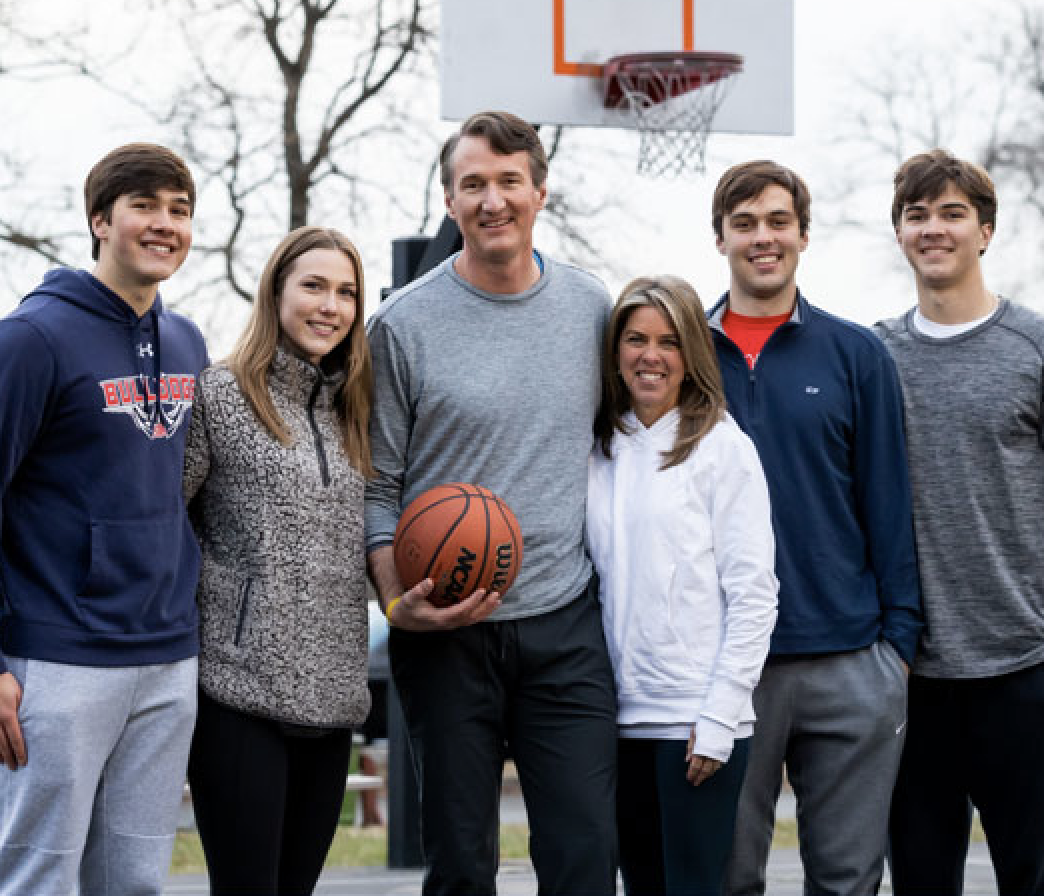
Lots of people talked about Donald Trump, of course. Some people dug a bit deeper and focused on how governor-elect Glenn Youngin managed to affirm some themes from the Trump revolution, while striving to stay as far away as possible from personal contact with Orange Man Bad.

This brings me to a headline this morning at A Journey Through NYC Religions, which is one of those niche-news websites that many religion-beat pros have in their browser favorites — because of its heady mix of hard facts and hard-to-label commentary.

Here’s the headline: “Faith trumps Trump in Virginia.”

Say what?

I think many journalists would assume — if they thought about religion angles in the Virginia race — that the members of the victorious GOP team probably came from White megachurches. But that’s not what veteran editor Tony Carnes found when he looked for the ties that bind, in this case. Here is his overture:

Most of the media attention in the Virginia elections has been on Trump and his influence. The Democratic candidate Terry McAuliffe tried unsuccessfully to tag his opponent Glenn Youngkin as a Trumper.

However, under the surface of politics, there was a deeper spiritual culture and social network that connected the top three candidates in Virginia. This characteristic made the GOP effort in Virginia more winsome (indeed, that is the first name of Winsome Sears, the next Lieutenant Governor.)
Please respect our Commenting Policy

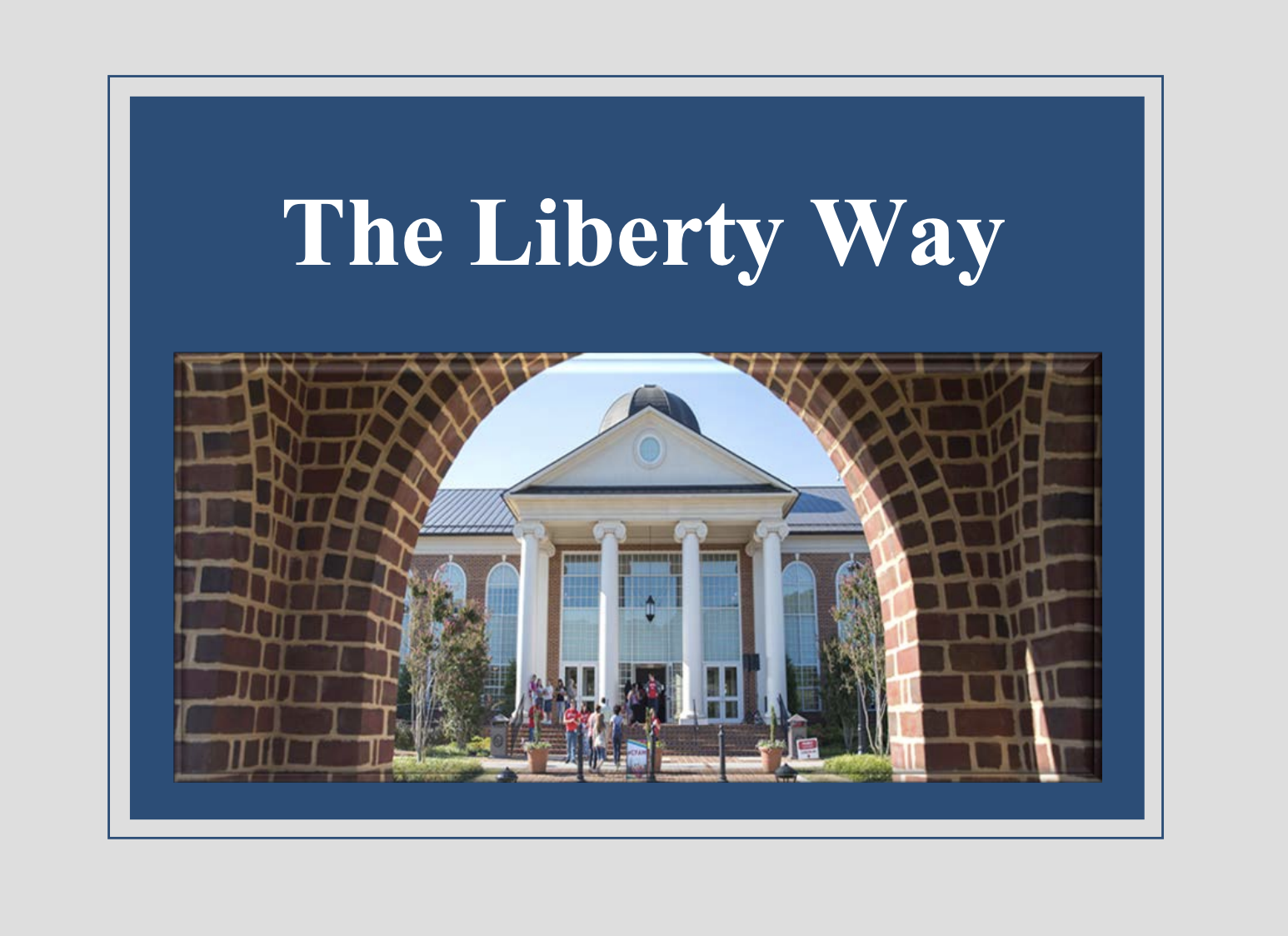
ProPublica covers horrors at Liberty University. But do all Christian colleges hide rape cases?

ProPublica covers horrors at Liberty University. But do all Christian colleges hide rape cases?

Yes, Liberty University is back in the news — for valid reasons. Yes, the news involves accusations of sexual violence.

Let’s start with the basics. It’s never good for a Baptist institution when the official news service of the Southern Baptist Convention publishes a story like this one: “Ex-Liberty spokesman says he was fired for raising concerns.”

The only thing missing from that somewhat soft headline is, well, the sex angle. However, that promptly shows up in the lede. Once again, we are talking about the overture in a story from a conservative, Baptist press office:

A former spokesperson for Liberty University is suing the evangelical school after being fired, alleging in a lawsuit filed Monday (Oct. 25) that his termination came in retaliation for voicing concerns that sexual misconduct accusations were mishandled.

Scott Lamb, a vice president-level executive at the school where he was hired in 2018, said in an interview with The Associated Press that he pushed for answers about what was being done to investigate claims raised in a lawsuit filed over the summer by 12 women, and was continually dissatisfied.

The women’s lawsuit, which is still ongoing, alleged the school had a pattern of mishandling cases of sexual assault and harassment and had fostered an unsafe campus environment. A student-led movement has since been established to advocate for systemic reforms, and the nonprofit investigative journalism outlet ProPublica published a deeply reported investigation … with findings similar to the allegations raised in the lawsuit.

Now, the key to all of this is the brutal contents of that ProPublica piece: “ ‘The Liberty Way’: How Liberty University Discourages and Dismisses Students’ Reports of Sexual Assaults.” If you want a quick summary of the accusations — in another rather conservative source — check out this report at The New York Post: “Liberty University accused of making it ‘impossible’ to report rape, lawsuit alleges.”

The ProPublica report is, of course, hostile to Liberty University in every way possible. It’s also clear that Liberty officials appear to have gone out of their way to earn that hostility — in large part by refusing, at ever twist in the plot, to speak on the record about the university’s perspective on these issues.


Please respect our Commenting Policy

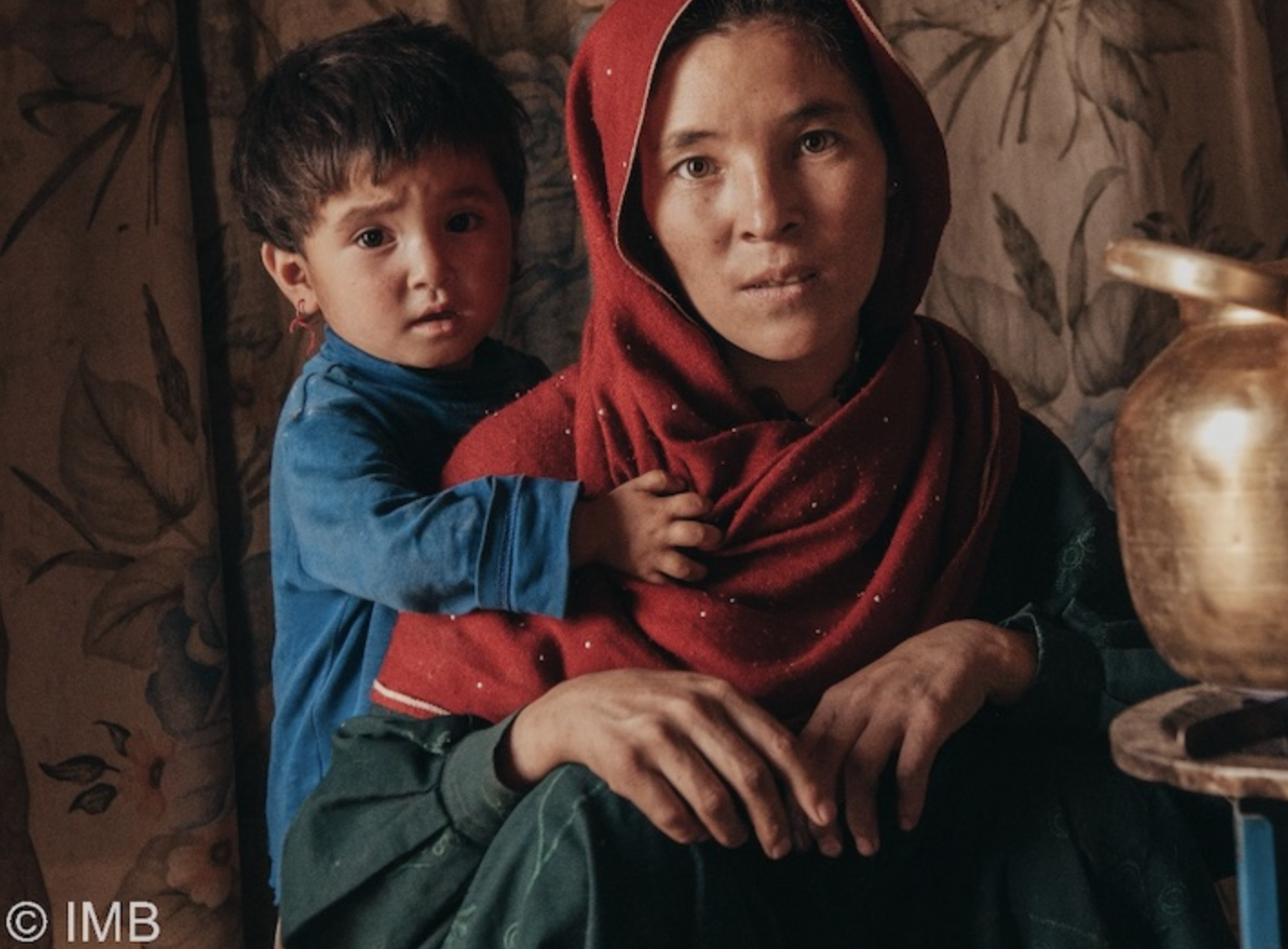
That question again: What's happening to religious believers and others stuck in Afghanistan?

That question again: What's happening to religious believers and others stuck in Afghanistan?

This is a case in which I don’t want to say, “We told you so,” but -- well — we told you so.

If you dug into this recent podcast-post — “ 'What's next in Afghanistan?' Warning: this news topic involves religion” — you’d know that the GetReligion team has been worried about what will happen to elite news coverage of human rights issues and, specifically, religious freedom, in Afghanistan under this new Taliban regime. In fact, that podcast included many themes from an earlier GetReligion podcast-post with this headline: “When the Taliban cracks down, will all the victims be worthy of news coverage?”

It appears that there are two problems.

Reality No. 1: It’s hard to cover the hellish realities of life in the new-old Afghanistan without discussing the messy exit of U.S. diplomats and troops from that troubled nation. Thus, new coverage will please Republicans, who are infuriated about that issue, and anger the White House team of President Joe Biden, which wants to move on. New coverage allows Republicans to “pounce,” as the saying goes.

Reality No. 2: There are many valid stories inside Afghanistan right now, but some are more explosive than others in terms of fallout here in America. This is especially true when dealing with stories about Americans who are still trapped there. Then there are religious believers — including Christians and members of minority groups inside Islam — who face persecution and even executions because of their beliefs. It appears that some journalism executives (and foreign-policy pros) continue to struggle with the reality that religious issues are at the heart of the Afghanistan conflict.

Thus, cases of political and religious persecution in Afghanistan are “conservative news.” For a quick overview, see this National Review piece: “In Afghanistan, ‘Almost Everyone Is in Danger Now.’ “ Note this snarky line:

The sort of headline that shouldn’t just be local news. … Those knee-jerk Biden critics over at . . . er, the Connecticut affiliate of NBC News report: “43 Connecticut Residents Still Stuck In Afghanistan.

Here is a key chunk of that NBCConnecticut.com report:


Please respect our Commenting Policy

Fallout from Pelosi's Roman holiday continues: More proof journalistic objectivity is dead?

Fallout from Pelosi's Roman holiday continues: More proof journalistic objectivity is dead?

Debates about the concept of objectivity in news coverage have been around for a long time — but now they are heating up to shockingly intense levels.

Objectivity, as it pertains to reporting, refers to fairness and nonpartisanship on the part of journalists and news organizations in the way they cover stories. An emphasis on objectivity is also linked to journalistic standards for balance, accuracy and showing respect for citizens on all sides of public debates.

This so-called “American model of the press” (click here for background) first evolved in the post-Civil War era and in the early 20th century as a way for U.S. newspapers to report and disseminate information to a wide, diverse body of readers. It allowed for a consistent method of testing that information so that personal and cultural biases would not undermine accuracy.

In a polarized digital age, the practice has been criticized and objectivity is all but dead as news outlets test new business models for struggling newsrooms. As a result, alternatives have emerged, most notably, in the form of a more partisan press that preaches to choirs of digital subscribers.

That brings us — no surprise — to the latest news story to inflame U.S. Catholics.

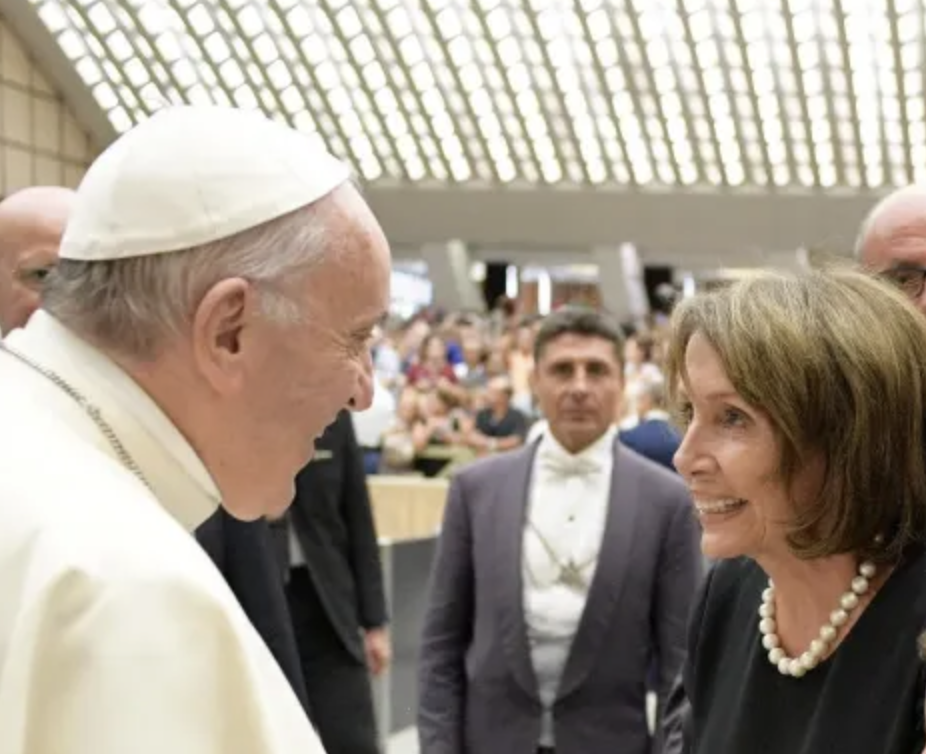
Despite it being almost two weeks since House Speaker Nancy Pelosi met with Pope Francis at the Vatican, the fallout and reaction from that October 9 private audience continues to reverberate across the American political landscape, especially among Catholics across the doctrinal spectrum. Naturally, some are concerned about how the news media we consume has covered it all.

If facts are what matters here, it’s obvious that San Francisco Archbishop Salvatore Cordelione should play a major role in these debates — since he is Pelosi’s bishop. Thus, he plays a crucial role in determining her sacramental status in the church. Who included his voice in this discussion and who didn’t?


Please respect our Commenting Policy

It's hard to write SBC news reports when key players keep hanging up their phones

It's hard to write SBC news reports when key players keep hanging up their phones

What are reporters supposed to do when key actors on one side of a controversy in a major religious group keep refusing to respond to calls and other contacts seeking their input and information?

I ask this because of the challenges that reporter Liam Adams is facing as (welcome to the religion-news beat) he tries to cover the legal questions and accusations swirling around the executive committee of the Southern Baptist Convention — America’s largest non-Catholic flock.

I can imagine a scenario in which some readers read this recent Nashville Tennessean story — “Resignations follow Baptist vote on privilege” (text is behind a high paywall) — and asked themselves: Hey, where are the quotes from people on the more conservative (if that’s the right word in battles over sexual abuse) side of this story? And why are there so many quotes from someone like Ed Stetzer, a hero of the current SBC leadership?

This story is so complex that it’s hard to pull out individual chunks of material, but lets try this long passage::

After two failed attempts at meetings on Sept. 21 and 28, the Southern Baptist Convention’s executive committee met for a third time Oct. 5 and voted to waive privilege. The committee acts on behalf of the convention when it is not in session.

In response, at least 10 executive committee members resigned either just before vote or shortly after — including some who are supporters of the Conservative Baptist Network. …

Conservative Baptist Network’s supporters on the executive committee all voted against allowing third-party investigators access to privileged files.

“It’s hard to see the correlation between the CBN and the objection to the waiver of privilege,” said Ed Stetzer, executive director of the Wheaton College Billy Graham Center. 'But there is clearly a correlation.'

In a news release last week, the Conservative Baptist Network said the group desired '“ruth and integrity.”


Please respect our Commenting Policy

Finding voices on both sides of Texas abortion debate? The Atlantic comes out on top

Finding voices on both sides of Texas abortion debate? The Atlantic comes out on top

In recent weeks, Texas has swung back and forth between prohibiting abortions after six weeks, then being forced bu judges to allow them, then managing to forbid them once again.

Currently, once the fetal heartbeat is detected, abortions are forbidden in the Lone Star state.

Meanwhile, journalists have gone full court press on the matter. There’s no surprise there. But did anyone strive to talk to women and men on both sides of this hot-button issue? Hold that thought.

Now, I don’t expect Hollywood ever to be balanced on the topic but a recent offering in The Hollywood Reporter on 12 abortion-positive movies was over the top, even for them.

It’s been 49 years since the two-part “Maude’s Dilemma” — written by future Golden Girls and Soap creator Susan Harris — premiered, but the choice faced by Bea Arthur’s title character, finding herself pregnant at 47, and the determination of Norman Lear’s show to discuss that choice in depth, and engage in a nuanced debate, would be provocative in an American broadcast sitcom today.

It’s still incredibly rare to find TV comedies dealing with actual abortions, though shows like Girls and Sex and the City used it as a conversation piece. Frequently, American television falls back on abortion being a thing characters talk about on-camera, do off-camera and then never speak of again..

Then comes the list:

“Dirty Dancinga clear and unapologetic argument for reproductive choice.” “Grandma,” which is “abortion as a regrettable but necessary option in many young women’s lives.” Or “Never Rarely Sometimes Always” about “a candid and clear-eyed contemplation of abortion as a choice arrived at not with hand-wringing but with sobering pragmatism.” Or “One Sings, the Other Doesn’t” about “love, whimsy, joyful bohemia and tenderness no less than healthy anger over injustice.”

You get the picture.


Please respect our Commenting Policy

Abortion-rights groups planning 'Hail Mary' efforts to block Texas law? #REALLY

Abortion-rights groups planning 'Hail Mary' efforts to block Texas law? #REALLY

Faithful followers of this website know that many, many of the news reports we critique are based on tips from readers.

These emails are important to me because, frankly, there is no way for us to follow as many media sources as our readers do, combined. This is especially true now that our team, due to finances, is smaller than it was for the previous decade or so.

From time to time, readers will react to something as simple as a horrible headline or a single rage-inducing phrase in a news report. There’s no way that I can respond to all of these, but here is a recent case that I think deserves a mention.

Read the top of this CNN piece (“The Justice Department's uphill battle against Texas' abortion ban“) and try to spot the issue that ticked off a reader:

In its lawsuit challenging Texas six-week abortion ban, the Justice Department is throwing a Hail Mary pass to get over the procedural stumbling blocks that have thwarted other attempts to block the ban in court.

The lawsuit, filed … in a federal court in Austin, relies on a novel strategy in seeking to halt enforcement of the ban, which was designed specifically with the goal of evading review of federal courts.

The arguments that the Justice Department is presenting on the merits -- that the law violates Supreme Court constitutional precedent on abortion rights -- are on solid ground. But the question is whether its lawsuit can get around the same procedural issues that doomed the earlier federal lawsuit brought by abortion clinics.

What’s the problem?


Please respect our Commenting Policy

Crucial question in all those newsworthy abortion debates: When does life begin?

Crucial question in all those newsworthy abortion debates: When does life begin?

THE QUESTION:

When does life begin?

THE RELIGION GUY'S ANSWER:

Those four words are regularly posed in the current abortion debate, so let's scan the lines in pregnancy that have been drawn by experts — religious and secular — in the past.

Pre-scientific cultures spoke of "quickening," typically between 16 and 18 weeks, when the mother first feels the unborn child moving in her womb. A famous example involves the unborn John the Baptist in biblical Luke 1:41. Some ancient Jewish authorities in the Talmud, and Roman and Greek philosophers, supposed that the unborn child "formed" earlier, at 40 days.

Then there's "viability," when a fetus can live on its own outside the womb, typically reached around 23 or 24 weeks, or somewhat earlier or later in individual cases. The U.S. Supreme Court legalized abortion before that point in its 1973 Roe v. Wade decision, and after viability when there are risks to the mother's health, broadly defined.

The high Court on December 1 hears a case from Mississippi, which defied the Roe ruling and bars abortions after 15 weeks on grounds that the fetus experiences pain by then. A Missouri law, also under court challenge, puts a ban at eight weeks when "everything that is present in an adult human is now present in your baby," according to the American Pregnancy Association. The Court temporarily left in place a ban in Texas (likewise in 13 other states) after six weeks, when pulsations can be diagnosed at what eventually becomes the fully formed heart.

Many modern Christians believe that life begins at conception (sperm first meets egg) or implantation (fertilized egg attaches to the mother's womb) while some put the line a bit later at twinning (after which multiple pregnancies do not occur).

Note the brief filed last month in the Mississippi case by pro-choice religions including "mainline" Protestant churches, non-Orthodox Judaism, Unitarian Universalists and others. It says "numerous religious traditions posit that life begins at some point during pregnancy or even after a child is born."


Please respect our Commenting Policy

New podcast: Those Southern Baptist sex-abuse battles are not just about Southern Baptists

New podcast: Those Southern Baptist sex-abuse battles are not just about Southern Baptists

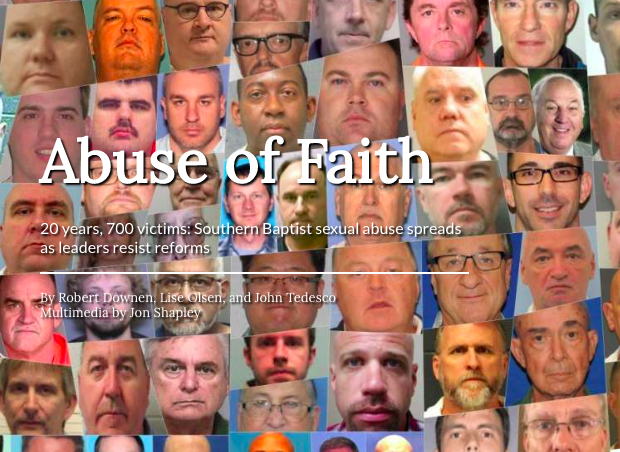
The Southern Baptist Convention’s ongoing fights about how to handle sexual-abuse claims against ministers and other church personnel and volunteers is a perfect example of the kind of story that drives newspaper editors crazy.

It’s big and complicated and it seems like something crazy or important (or both) happens every other day. But it also seems like it’s impossible to yank a big, dramatic headline out of this sprawling, complicated story.

The story never seems to end and the amount of background material needed — in story after story after story — makes it impossible to cover this stuff in tidy 500-word stories. But if a newsroom skips a few of the major developments, that makes it even harder to get back in the game and explain to readers what is happening. Oh, and did I mention that newsroom managers pretty much have to assign a reporter to this story full-time or near full-time? That’s expensive in this day and age. Obviously, this reporter has to have religion-beat experience and speak fluent Southern Baptist.

At the same time, in my experience, there will almost always be one or two editors who say (or think) something like this: “I know the SBC is huge and there are billions of dollars involved and we have lots of Southern Baptist churches (and maybe a college) in our news territory, but … I don’t ‘get’ why this story really matters to average readers. I mean, it’s not about sports or politics or something important (to me).”

As a Charlotte editor once told me, when I was poised to break a national-level SBC story in the early 1980s: Nobody reads this stuff but fanatics and every time you write about it we get too many letters to the editor.

This brings us to this week’s “Crossroads” podcast, which focuses on why the SBC’s struggles with sexual-abuse are important, and NOT just to Southern Baptists (click here to tune that in). The key is to identify major stories LINKED to sexual-abuse scandals that involve ethical, moral, legal and theological issues that can be seen in religious groups of all kinds (and many secular nonprofits and organizations as well). To illustrate this, let me tell you a story about an important evangelical counseling pioneer — the late Dr. Louis McBurney, founder of the Marble Retreat Center in Colorado.


Please respect our Commenting Policy