Politics

Thinking about missing pieces of Axios report on changes in Latino life, politics and, yes, faith

Thinking about missing pieces of Axios report on changes in Latino life, politics and, yes, faith

GetReligion, as a rule, has never been interested in public-relations features.

So why lead the top of a weekend “think piece” with a Baptist Press story that is obviously the kind of glowing public-relations work that is a stable in church-market, denominational media of all kinds?

That’s easy to explain. You see, this feature — “Church ESL camp preps Hispanic elementary students for school year” — is a perfect example of a trend in the wider evangelical world that is linked to one of the most important political, and religious, stories in America right now.

Why is that?

Read the top of this story and think to yourself: This is an absolutely normal story in Southern Baptist Convention life at this point in time.

Fanny Baltanado planned to spend just six months visiting her new granddaughter in Texas when the unanticipated COVID-19 pandemic thwarted her return to Nicaragua. She would need to find a church home near Humble, Texas.

An adult English as a second language class attracted Baltanado in March to Cross Community Church, where she became a regular attendee and in August, helped the church teach ESL to local Hispanic elementary students in a back-to-school camp.

“For me, this was an amazing experience because we are able to bring the love of Jesus Christ to the people, especially kids,” Baltanado said. “I think they are the base of the society, and we need to help them to be more comfortable, to be more confident with themselves, because they are (in) difficult times.”

ESL classes ranked as a top community need when Del Traffanstedt and his wife Charmaine planted Cross Community Church in the majority Spanish-speaking Eastex-Jensen area of northeast Houston in September 2021. The couple learned of the need for the ESL camp for children after launching their first adult class in March, said Charmaine Traffanstedt, who directs the church’s ESL ministry.

What is the political angle in that local-church story?

Answer: Flash back a few days ago to my post that ran with this headline: “Axios looks at the hot political (of course) trend of Latinos becoming evangelical voters.”

I am returning to that topic again because (a) this truly is a story that news consumers will be hearing about as we head into midterm elections and beyond and (b) because I had an obvious “senior moment” when writing that earlier post.
Please respect our Commenting Policy

Podcast: What's up with this Gray Lady 'mind meld' with readers worried about Biden's faith?

Podcast: What's up with this Gray Lady 'mind meld' with readers worried about Biden's faith?

Popes rarely, in my experience, produce the kinds of five-star news soundbites that go viral.

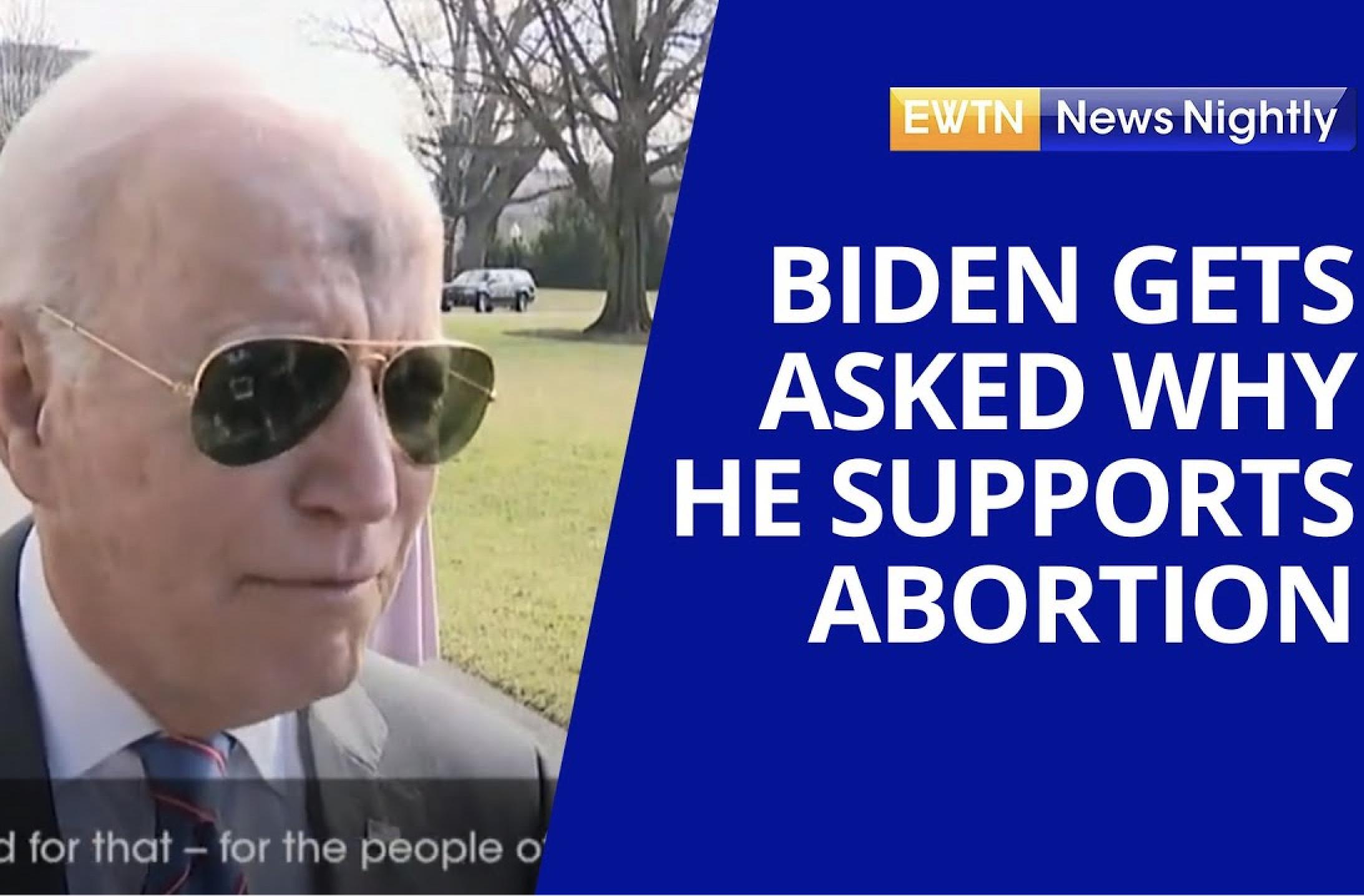
However, Pope Francis has used striking language when addressing one of the hot-button issues of this or any other age — abortion. That was one of several topics woven into this week’s “Crossroads” podcast (CLICK HERE to tune that in), which focused on another elite-media political feature about President Joe Biden’s “devout” approach to practicing the Catholic faith.

Here is that New York Times headline: “Biden Is an Uneasy Champion on Abortion. Can He Lead the Fight in Post-Roe America?” The sub-head is just as provocative: “A practicing Catholic, President Biden has long sought a middle ground on abortion. But activists see the decision to overturn Roe v. Wade as a sign that Democrats have tiptoed too carefully around the issue.”

Back to Pope Francis. Some of his abortion bytes have even made it into news reports. Does anyone remember this one, offering “hitman” imagery he has used many times (even adding Mafia imagery):

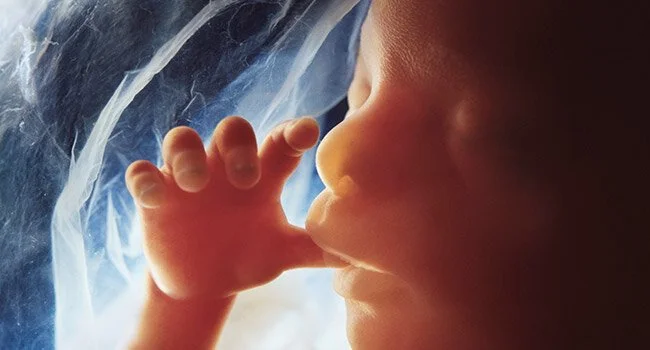
Abortion is more than an issue. Abortion is murder. Abortion, without hinting: whoever performs an abortion kills. … It’s a human life, period. This human life must be respected. This principle is so clear. And to those who can’t understand it I would ask two questions: Is it right, is it fair, to kill a human life to solve a problem? Scientifically it is a human life. Second question: Is it right to hire a hitman to solve a problem?

How about this one?

When I was a boy, the teacher was teaching us history and told us what the Spartans did when a baby was born with deformities: they carried it up the mountain and cast it down, to maintain “the purity of the race.” … Today we do the same thing. Have you ever wondered why you do not see many dwarfs on the streets? Because the protocol of many doctors — many, not all — is to ask the question: “Will it have problems?” It pains me to say this. In the last century the entire world was scandalized over what the Nazis were doing to maintain the purity of the race. Today we do the same thing, but with white gloves.

“White gloves.” Yes, there are many other Francis quotes along these lines. Of course, the pope has also angered Catholic conservatives with words and deeds that seem to downplay church teachings on abortion, especially in high-profile contacts with powerful Catholic politicians.

In other words — President Biden. This brings us to the content of that Times political-desk feature.


Please respect our Commenting Policy

Axios looks at the hot political (of course) trend of Latinos becoming evangelical voters

Axios looks at the hot political (of course) trend of Latinos becoming evangelical voters

It’s the question that I get all the time from frustrated, fair-minded people when I speak to civic or church groups: “Where can I go, these days, for unbiased news?”

There is, of course, no easy answer. We live in an age in which pretty much every news organization — even the Associated Press on moral and cultural issues — is preaching to choirs of believers huddled in digital bunkers on the left and the right.

I recommend that people get on Twitter and follow about 10-20 journalists and public intellectuals who consistently tick off people on both sides of the political spectrum. The goal is follow their tweets and retweets and see who THEY are reading and what articles they have found helpful or horrible. You know, people like David French, Bari Weiss and Andrew Sullivan (and, I would hope, moi).

I also advise listeners to look for newsletters and websites, even if they lean left or right, that provide lots and lots of direct links to other sources of information. This list includes, of course, Axios. This brings me to one of that websites quick-hit pieces with this headline: “Mapped: Power of Latino Protestants.”

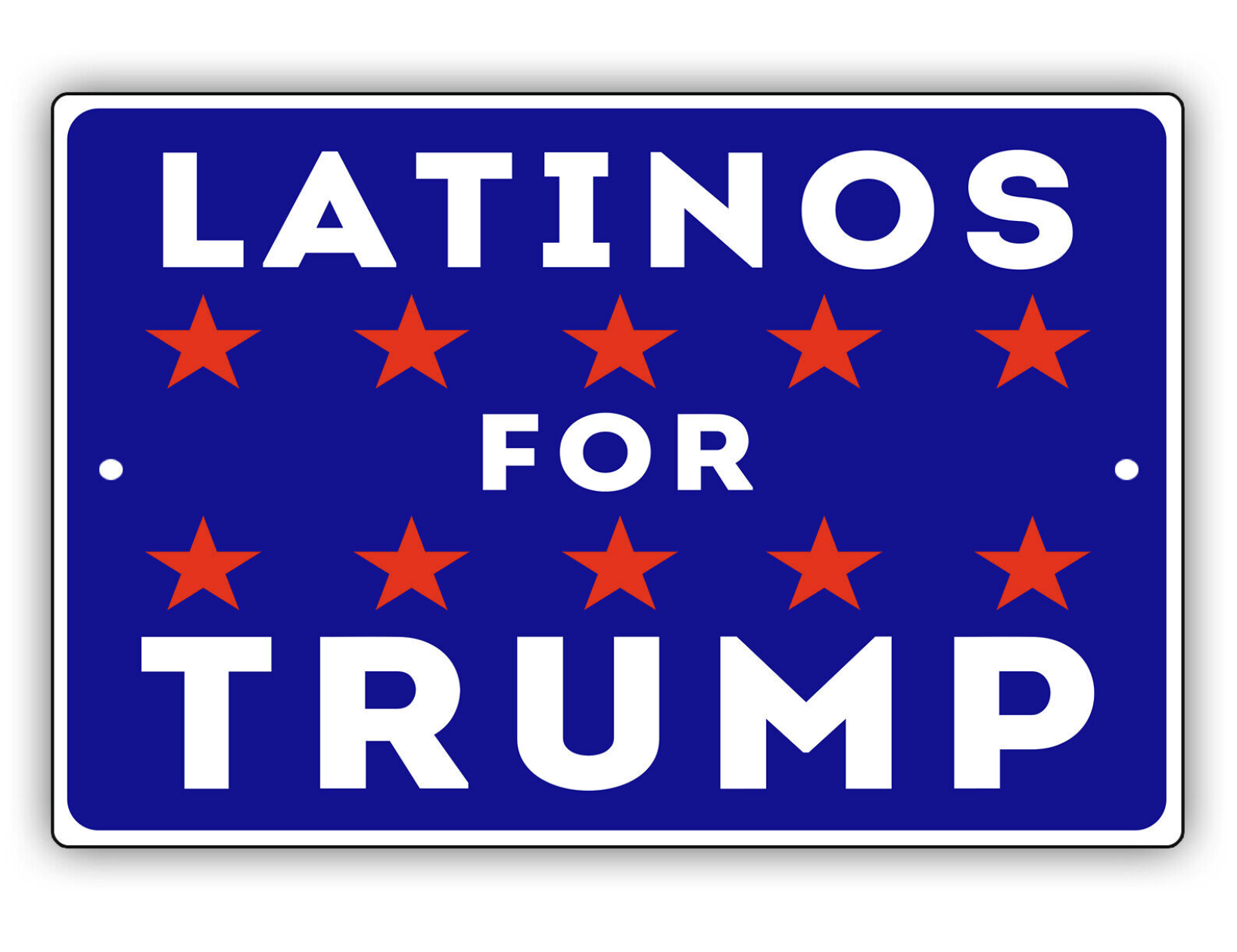
One of the stories that everyone missed in 2016 — but we discussed it here at GetReligion (and CNN, for a fleeting moment, on election night) — was that Donald Trump never would have reached the White House without the support of a surprisingly high number of Latino voters in Florida. Many of them were in the Orlando suburbs, an area dotted with evangelical and Pentecostal megachurches popular. Here is the lede on this Axios piece (with its own must-see map):

The Latino exodus from Catholicism and toward more politically conservative evangelical faiths is one important reason for the rightward shift that could shape the future of the electorate.

Pause for a moment. Look at the phrase “politically conservative evangelical faiths.”

Now, name a moral or cultural issue on which the STATED doctrines of evangelicalism are more conservative than the PRINTED contents of the Catholic Catechism.


Please respect our Commenting Policy

Religious Left returns to RFRA: Washington Post explores a crucial Florida abortion showdown

Religious Left returns to RFRA: Washington Post explores a crucial Florida abortion showdown

For 18 years, GetReligion has argued that mainstream news organizations need to pay more attention to the Religious Left. Yes, I capitalized those words, just like the more familiar Religious Right.

The Religious Right has been at the heart of millions news stories (2,350,000 or so Google hits right now, with about 61,600 in current news). The Religious Left doesn’t get that much ink (322,000 in Google and 2,350 or so in Google News), in part — my theory — because most journalists prefer the word “moderate” when talking about believers in the small, but still media-powerful world of “mainline” religion.

But there is a church-state legal story unfolding in Florida that cries out for coverage of liberal believers — with an emphasis on the details of their doctrines and traditions, as opposed to politics. Doctrines are at the heart of a story that many journalists will be tempted to cover as more post-Roe v. Wade politics.

I suspect, if and when this story hits courts (even the U.S. Supreme Court), journalists will need to do their homework (#FINALLY) on the Religious Freedom Restoration Act of 1993. The big question: What does religious liberty (no “scare quotes”) look like from a Unitarian point of view? Hold that thought.

First, here is the headline on a long Washington Post feature: “Clerics sue over Florida abortion law, saying it violates religious freedom.” Here is the overture:

When the Rev. Laurie Hafner ministers to her Florida congregants about abortion, she looks to the founding values of the United Church of Christ, her lifelong denomination: religious freedom and freedom of thought. She taps into her reading of Genesis, which says “man became a living being” when God breathed “the breath of life” into Adam. She thinks of Jesus promising believers full and abundant life.

“I am pro-choice not in spite of my faith, but because of my faith,” Hafner says.

She is among seven Florida clergy members — two Christians, three Jews, one Unitarian Universalist and a Buddhist — who argue in separate lawsuits … that their ability to live and practice their religious faith is being violated by the state’s new, post-Roe abortion law. The law, which is one of the strictest in the country, making no exceptions for rape or incest, was signed in April by Gov. Ron DeSantis (R), in a Pentecostal church alongside antiabortion lawmakers such as the House speaker, who called life “a gift from God.”

The lawsuits are at the vanguard of a novel legal strategy arguing that new abortion restrictions violate Americans’ religious freedom, including that of clerics who advise pregnant people.


Please respect our Commenting Policy

Memory eternal, Ron Sider: An evangelical thinker caught in political crossfire for decades

Memory eternal, Ron Sider: An evangelical thinker caught in political crossfire for decades

It was the kind of Pope John Paul II quotation that was powerful and prophetic -- but hard to print on a political bumper sticker.

"America will remain a beacon of freedom for the world as long as it stands by those moral truths which are the very heart of its historical experience," he said, during his 1999 U.S. tour. "And so, America: If you want peace, work for justice. If you want justice, defend life. If you want life, embrace truth -- the truth revealed by God."

One American activist who paid close attention was Ronald J. Sider, a Mennonite theologian who was already several decades into a career built on asking Americans to ponder precisely that equation.

Politicians on left and right would cheer as John Paul attacked the modern world's "culture of death," said Sider. But, in private, Democrats and Republicans would groan.

"People on the left will love what he had to say about the death penalty and racism and caring for the poor," said Sider, when I reached him by telephone. "But many liberals are going to squirm because he ties these issues directly to traditional Christian teachings on abortion and euthanasia and family life. Meanwhile, some people on the right will squirm because the pope made it very clear that he links these pro-life issues to the death penalty and poverty, sickness, hunger and even the environment."

Sider added: "We live in an age of incredible relativism in this society and even in the church. We live in a land that seems to have lost its way."

These kinds of tensions defined Sider's own struggles as a hard-to-label political activist and ecumenical leader. He died on July 27 at the age of 82.

Christianity Today listed Sider's classic "Rich Christians in an Age of Hunger" as one of the 20th century's most influential religion books. The flagship evangelical magazine also ran this headline with a cover story about Sider's career -- "Unsettling Crusade: Why does this man irritate so many people?"


Please respect our Commenting Policy

Podcast: More Americans are losing faith in God, but press should dig for deeper details

Podcast: More Americans are losing faith in God, but press should dig for deeper details

When looking for commentary on trends in Gallup poll numbers about religion, it never hurts to do a few online searches and look for wisdom from the late George Gallup, Jr.

Reporters should also consider placing a call to John C. Green, a scholar and pollster who has followed trends in religion and politics for decades. Of course, it always helps to collect files of charts from political scientist Ryan Burge, a GetReligion contributor who is an omnipresent force on Twitter (and buy his latest book, “20 Myths about Religion and Politics in America”).

Gallup, Green and Burge (#DUH) played prominent roles in this week’s “Crossroads” podcast (CLICK HERE to tune that in), which focused on a Religion News Service story (via the Washington Post) about a now-familiar trend in America’s public square. That headline: “Poll: Americans’ belief in God is dropping.” The overture:

Belief in God has been one of the strongest, most reliable markers of the persistence of American religiosity over the years. But a new Gallup Poll suggests that may be changing.

In the latest Gallup Poll, belief in God dipped to 81 percent, down six percentage points from 2017, the lowest since Gallup first asked the question in 1944.

This raises an obvious question: Who is losing faith in God?

This news report links the trend to politics (#DUH, again) and makes a very interesting connection, in terms of cause and effect. Read this carefully:

Belief in God is correlated more closely with conservatism in the United States, and as the society’s ideological gap widens, it may be a contributor to growing polarization. The poll found that 72 percent of self-identified Democrats said they believed in God, compared with 92 percent of Republicans (with independents between at 81 percent).

In recent years there has been a rise in the number of Americans who acknowledge being Christian nationalists — those who believe Christian and American identities should be fused.

“It could be that the increase in the number of atheists is a direct result of Christian nationalism,” said Ryan Cragun, a sociologist at the University of Tampa who studies the nonreligious.

I’ll provide some additional details in the rest of the post to back up what I’m about to say. The big idea in this story, interpreting these latest Gallup numbers, appears to be this: Lots of young people in liberal and progressive forms of religion are so upset about the rise in vaguely defined Christian nationalism that they openly declaring that they are atheists and agnostics.

Say what?


Please respect our Commenting Policy

Do trends in Grand Rapids tell us something about religion, evangelicalism and the GOP?

Do trends in Grand Rapids tell us something about religion, evangelicalism and the GOP?

Tuesday was a good night for Kansas abortion-rights campaigners and for many Republicans blessed by Donald Trump. Democrats are calculating that both factors could foretell a good night for them on Election Day.

Whatever, journalists attuned to the potent though oft-neglected religion factor should especially focus on the Michigan Republican U.S. House primary win by neophyte John Gibbs, a Trump-endorsed 2020 election denier.

In this significant showdown, Gibbs edged incumbent Peter Meijer (pronounced “Meyer”) with 52%. It helps to remember that Trump staged his final campaign rallies in a very symbolic location — Grand Rapids — in 2016 and 2020.

As a brand-new House member, Meijer voted to impeach President Trump for attempting to overthrow President Biden’s Electoral College victory. (Meijer’s predecessor in the seat, Justin Amash, had backed the 2019 Trump impeachment, quit the Republican Party and retired.)

Among last year’s 10 pro-impeachment House Republicans, five others sought party re-nomination. At this writing two of them led Trumpite challengers in Washington state’s Tuesday “jungle primary,” Jaime Herrera Beutler and Dan Newhouse. North Carolina’s Tom Rice lost big, California’s David Valadao won and Liz Cheney faces Wyoming voters August 16. Four decided to retire.

Underscoring hopes to flip the Michigan seat, House Democrats’ campaign arm horrified some party stalwarts by spending $435,000 on ads to boost Gibbs’s name recognition, while undercutting Meijer as the far stronger November opponent. In what turned out to be an obituary, a Monday Meijer blog post denounced Democrats’ “nauseating” violation of “moral limits.”

This brings us to the obvious GetReligion question: Why religion-beat buzz about Michigan District 3?

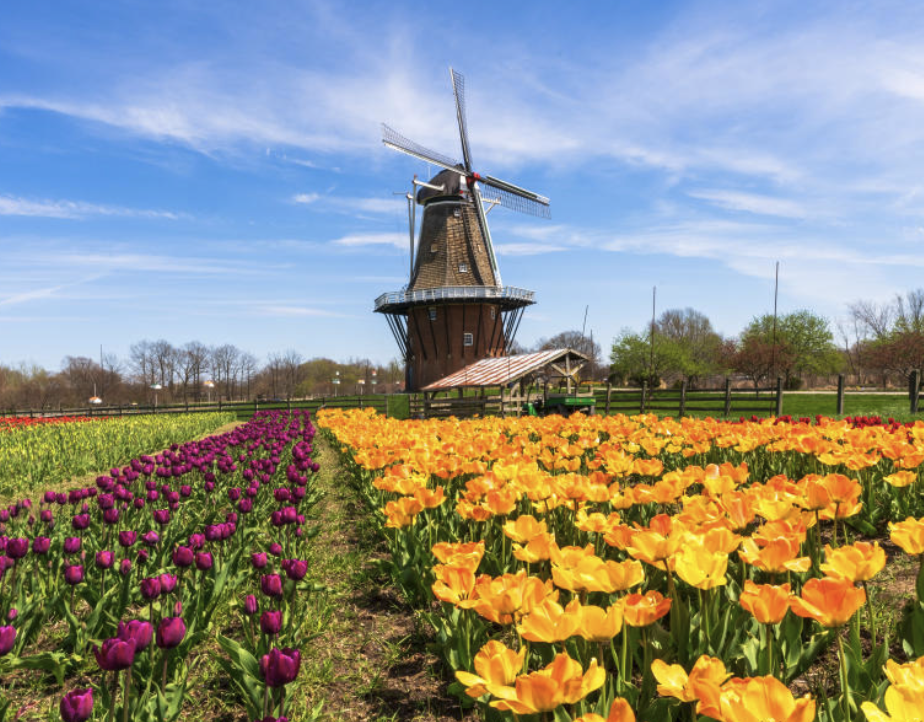
Simply because it centers on Grand Rapids, as much as any northern town a buckle on an established Bible (especially Calvinist) Belt outside of the South.


Please respect our Commenting Policy

New York Times: LGBTQ rights are a key factor in Ukraine (even if many Ukrainians disagree)

New York Times: LGBTQ rights are a key factor in Ukraine (even if many Ukrainians disagree)

When I was a sophomore at Baylor University (soon after the cooling of the earth’s crust) the great journalism professor David McHam had an interesting pre-computer way of demonstrating what he wanted to see when a student prepared a second draft of a news story.

Taking a metal straight edge (think pica pole), he would tear the copy into horizontal blocks of text. Then he would rearrange these into a different order, locking them in place with clear tape. Then he would say something like this: “You buried some of the most important information. Go rewrite the story in this order.”

This brings me to a New York Times story about religion, culture, politics and war in Ukraine. There’s a lot of interesting material here, but readers who want to know some crucial basic facts will need to be patient — because they are buried deep in this report. The double-decker headline offers the basic framework:

War Spurs Ukrainian Efforts to Legalize Same-Sex Marriage

The role of gay soldiers, the lack of legal rights for their partners, and the threat of Russia imposing anti-L.G.B.T. policies have turned the war into a catalyst for change in Ukraine.

Now, before I go any further, let me note that, yes, I am Orthodox and I attend a parish that includes Slavic believers, as well as lots and lots of American converts. Also, my two visits to Kiev left me convinced Ukraine is — as the Soviets intended — a tragically divided nation. My views are identical to those of Alexander Solzhenitsyn, on that subject.

When Russian began its evil invasion, I posted a note on Facebook that ended with this:

EU-USA was arrogant enough to think they could — with money, culture and military tech — turn Eastern-Russian Ukrainians into Europeans. Will Putin be arrogant enough to think he can, with blood, turn Western-European Ukrainians into Russians?

I raise this issue because, at a crucial point deep in this Times story, I believe it is relevant. Hold that though.

The anecdotal lede for this story focuses on the fears of a young Ukrainian combat medic named Olexander Shadskykh. That leads to the thesis statement:


Please respect our Commenting Policy

Looking beyond the polls to find Catholic news hooks in stories about 2022 midterms

Looking beyond the polls to find Catholic news hooks in stories about 2022 midterms

Political news coverage is, in part, guided by polls.

There are dozens of them that come out every few days in reporters’ email inboxes trying to gauge the temperature of the electorate on any given politician or policy decisions. This is especially true in a presidential election year. it’s also true during the midterms, which will arrive on Nov. 8.

While mainstream pollsters took a hit for being inaccurate when Donald Trump won the White House in 2016, the polls roll on as the experts put them out, pundits dissect them and news coverage reports on what they mean.

Often lost in this horse-race coverage of who’s up and who’s down are the views of real people about issues that are, in many cases, larger than partisan politics.

However, an EWTN/RealClear Opinion poll, released on July 15, took a snapshot of what Catholics are thinking, at this point in time. I wrote about its major findings for Religion Unplugged. However, there was more to this survey than a one-day headline.

There are plenty of nuggets of data that could serve as a jumping off point for news coverage in the coming weeks and months.

Overall, the survey found, in the words of Matthew Bunson, executive editor of EWTN News:

This new EWTN News/RealClear Opinion Research poll finds that Catholics — like the majority of Americans — are dissatisfied with the direction of the country, have largely negative views about most of the institutions of government save for the Supreme Court, and are deeply concerned about attacks and vandalism against churches and pro-life clinics.


Please respect our Commenting Policy